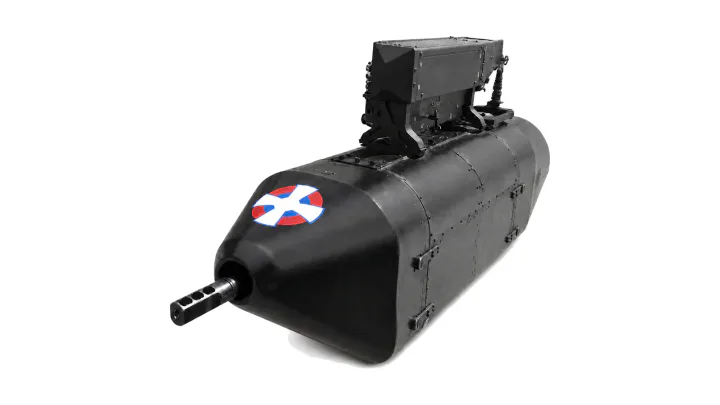
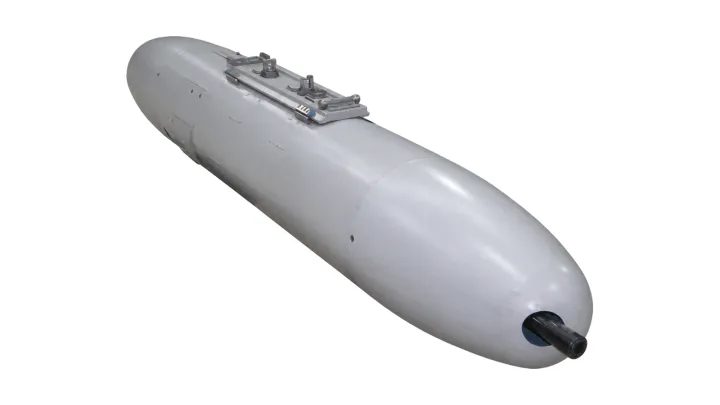
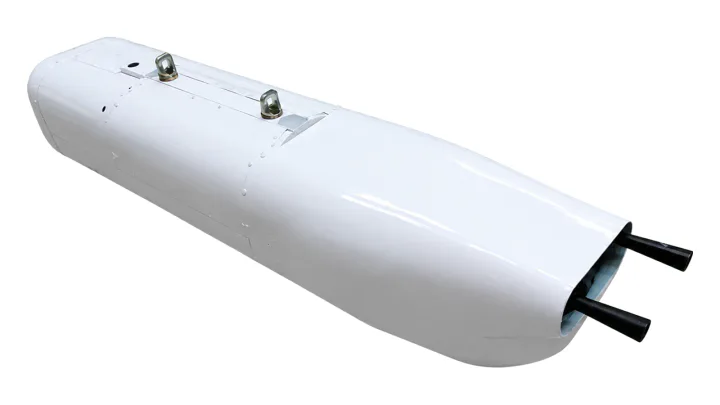
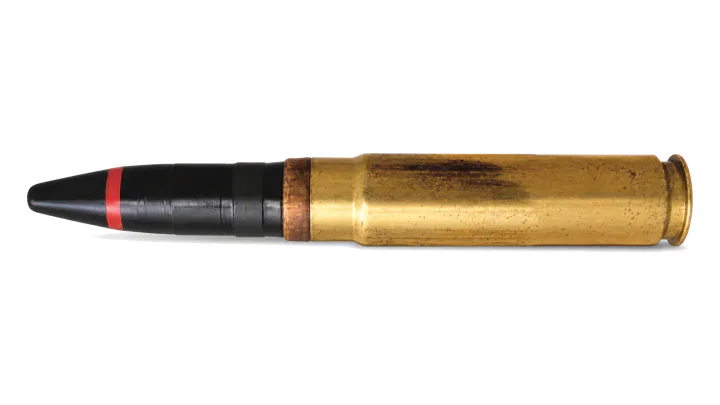
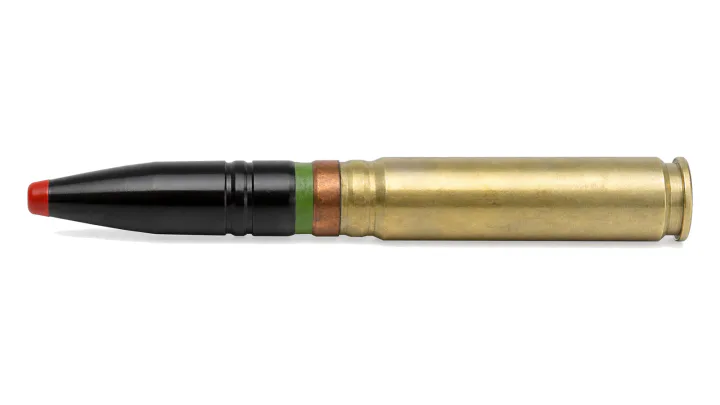
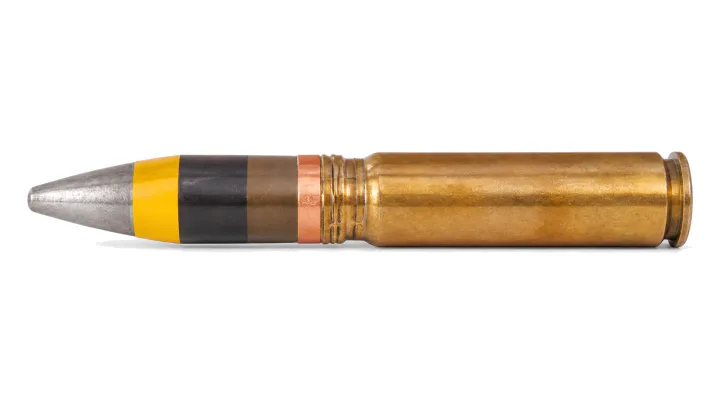
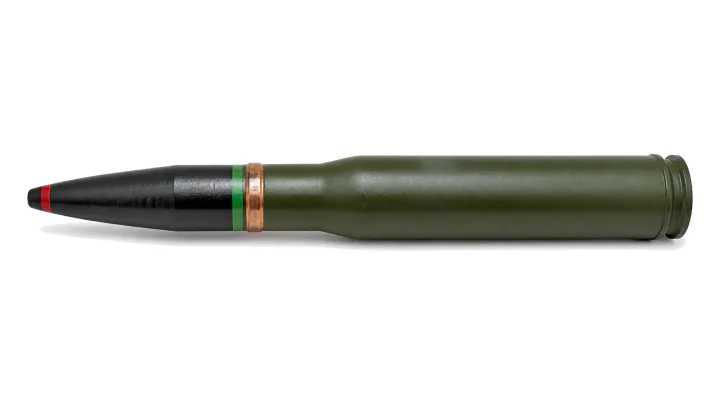
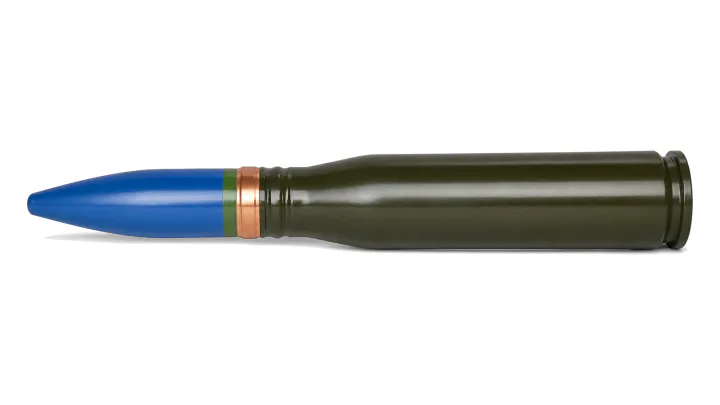
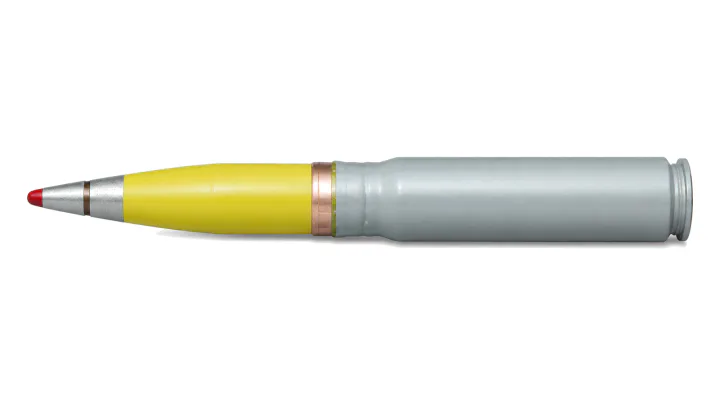
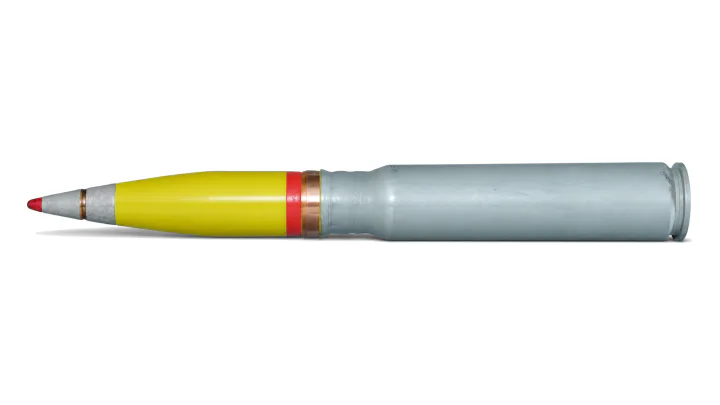
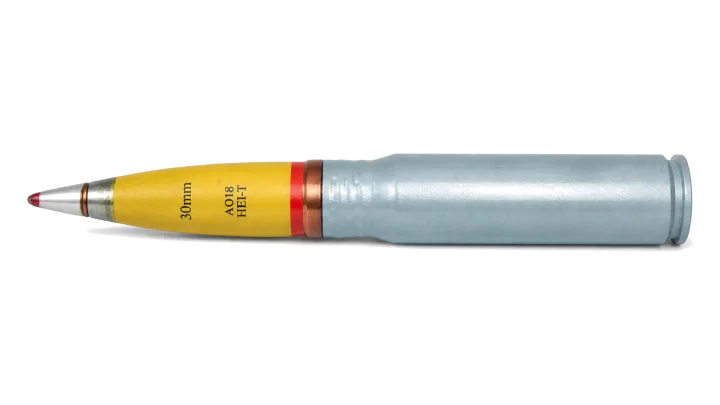
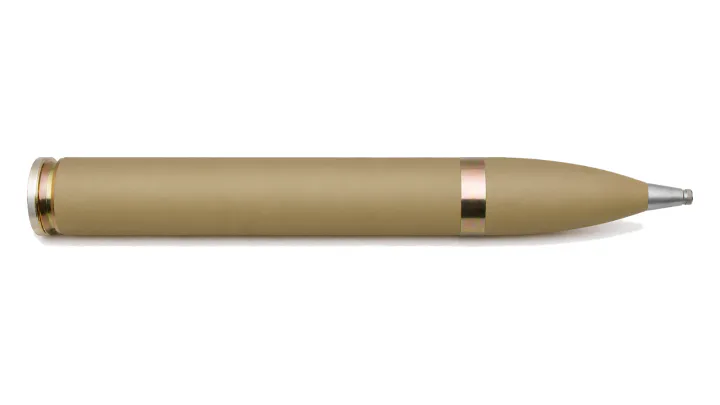
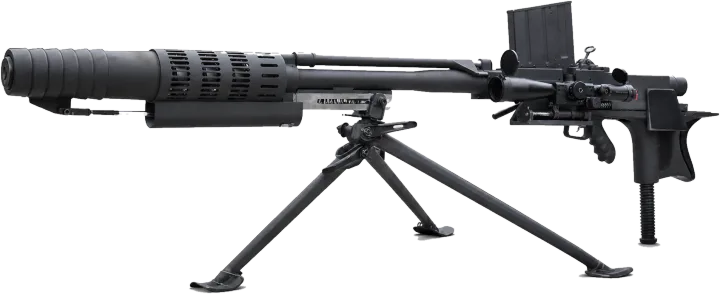
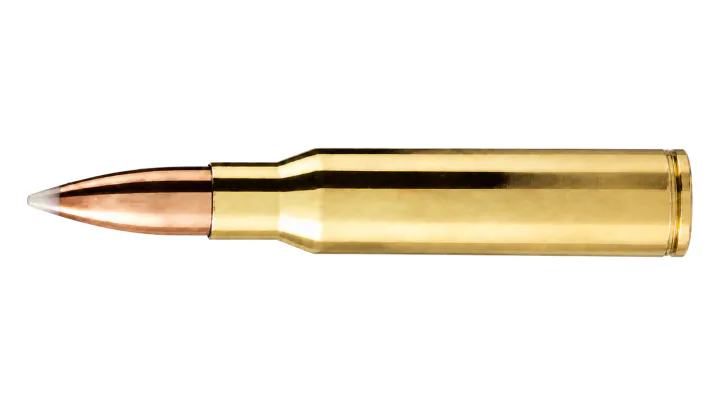
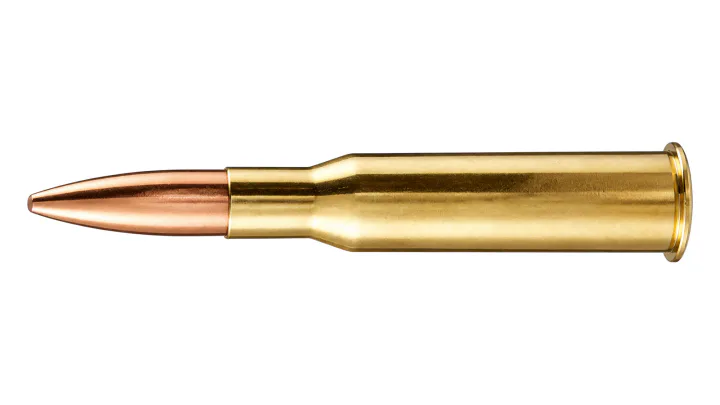
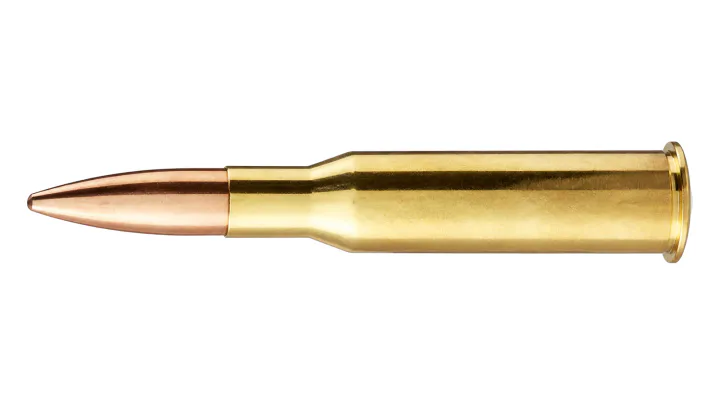
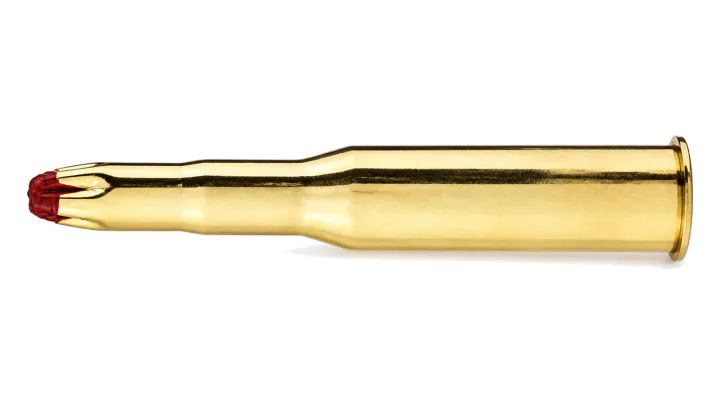
A compact helicopter pod carrying a 12.7 mm machine gun for neutralising ground targets such as command posts, light armoured vehicles, logistics trucks and personnel, and for engaging helicopters, light aircraft, RPVs and parachutists; two pods are mounted externally on the armament pylons, one at each side of the fuselage, so that spent cases and powder gases are ejected into the air.
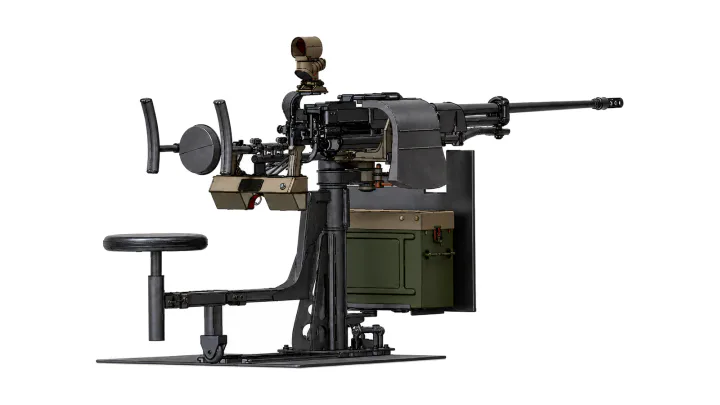
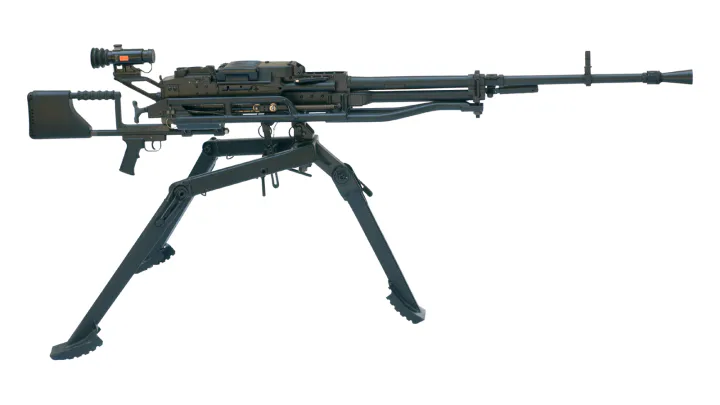
A 12.7 mm machine gun with carriage for installation on the side doors of the MI-17 helicopter, used against ground targets such as command posts, light armoured vehicles and troops and also against helicopters, light aircraft, UAVs and parachutists; it allows simultaneous fire from the left and right doors and is particularly useful for self-protection during landing, take-off and crew embarkation or disembarkation.
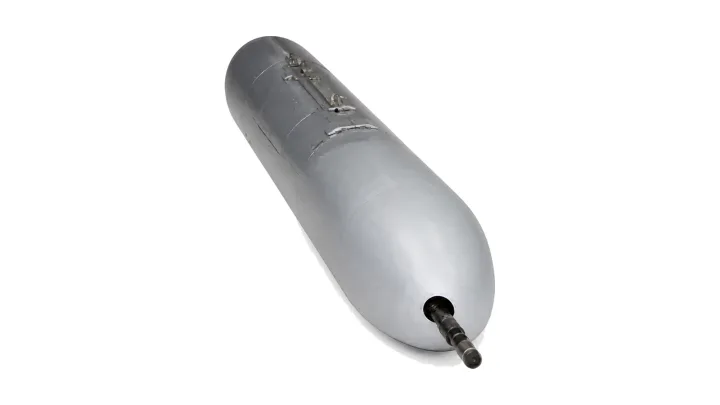
Under-wing aeronautical gun pod for light piston/propeller trainer aircraft, integrating a 12.7 x 99 mm M87N heavy machine gun, 150-round belt, nitrogen pneumatic cocking and a cockpit control box with selectable burst modes.
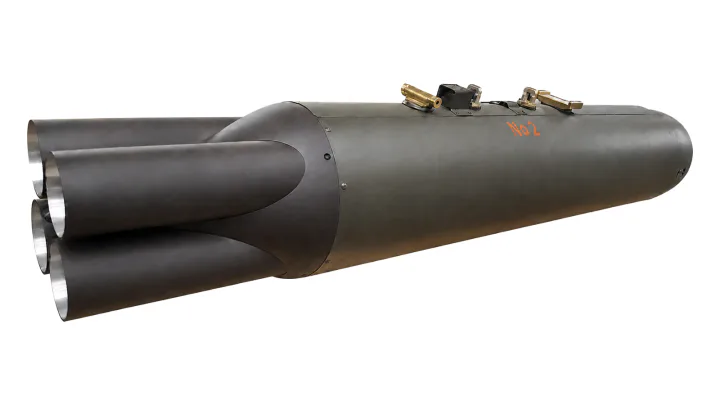
A four-barrel launcher of honeycomb structure for separately launching 128 mm BR-VZ M15 unguided rockets from a helicopter fitted with single-channel wiring and unguided rocket launching equipment.
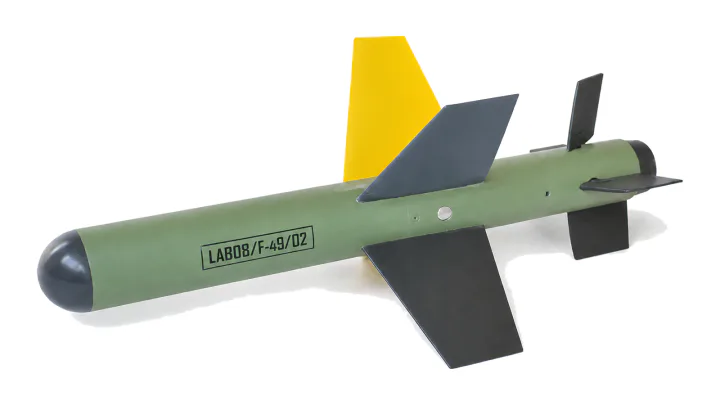
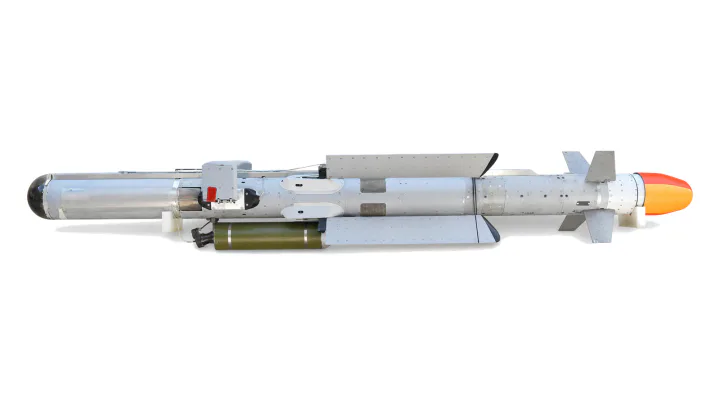
Laser-guided rocket launched from land, naval, helicopter or aircraft platforms against ground targets beyond visual range, using inertial and/or GPS mid-course navigation and a coded laser seeker with a 20 kg HE blast-fragmentation warhead.
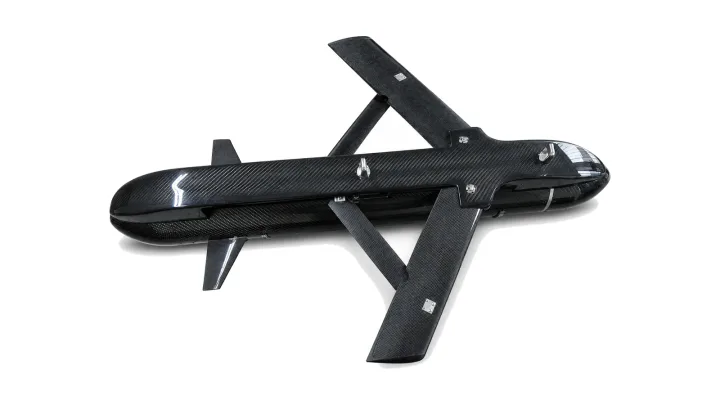
A precision-guided glide bomb of the small diameter bomb category weighing less than 50 kg, guided by GPS-aided inertial navigation against fixed targets and optionally by an added semi-active laser or imaging infrared seeker against moving targets, with a composite airframe, tail cone with all-moving control surfaces and Diamond Back type wings that deploy after release.
A helicopter gun pod carrying a 20 mm gun with 200 rounds in the belt, mounted on helicopter side supports for close fire support in anti-terrorist and anti-riot missions as well as territory surveillance and border protection, effective against lightly armoured and unarmoured vehicles and troops in buildings and field fortifications.
A gun pod integrating two 7.62x54 mm machine guns with air-cooled barrels, a sight adjustable in azimuth and elevation, link collection in the front fairing and NATO-standard mounting lugs 14 in (355.6 mm) apart, for pilot training and engagement of light armoured and unarmoured vehicles.
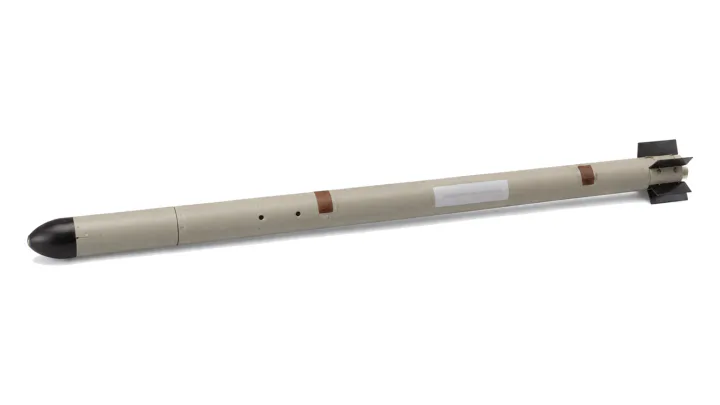
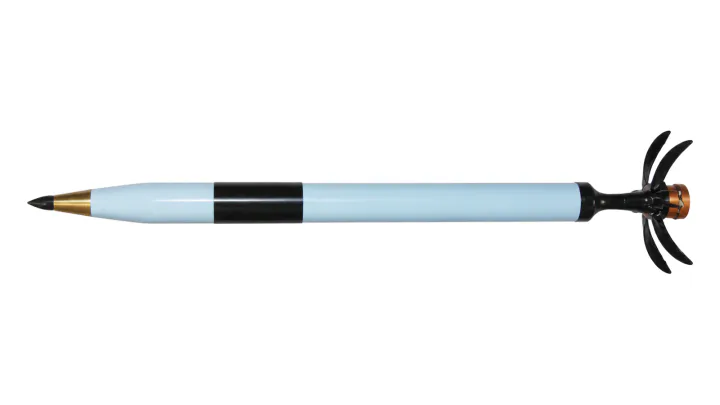
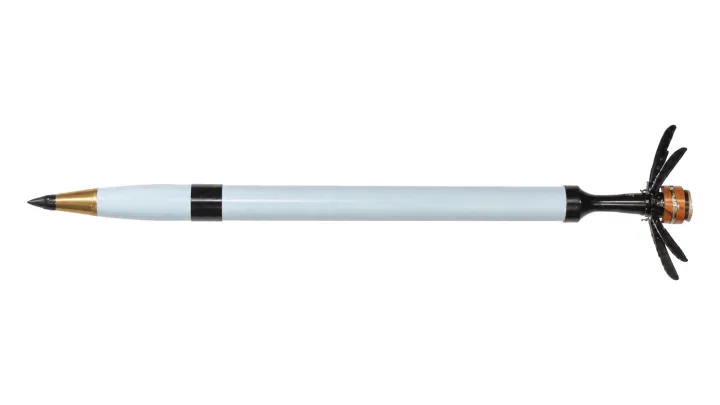
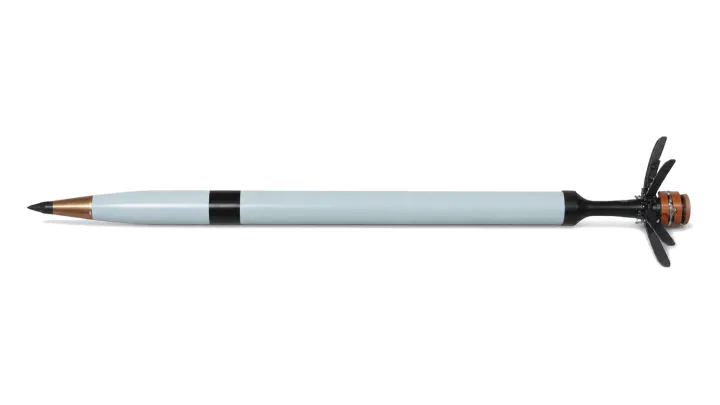
Light multipurpose 10.5 kg guided aerial bomb for launch from a UAV or other aircraft platform, with SAT/INS guidance, optional SAL/ORM terminal guidance, range up to 10 km and interchangeable fragmentation, penetration, shaped-charge/blast and incendiary warheads.
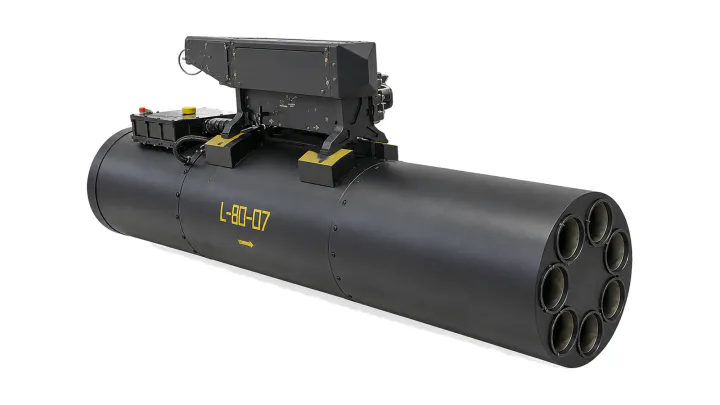
A seven-tube helicopter launcher for individual launching of 80 mm S-8KOM unguided rockets from a single-channel electrical installation, compatible with MIL-STD-1760 digital architecture and with hardpoints complying with both NATO and Russian standards.
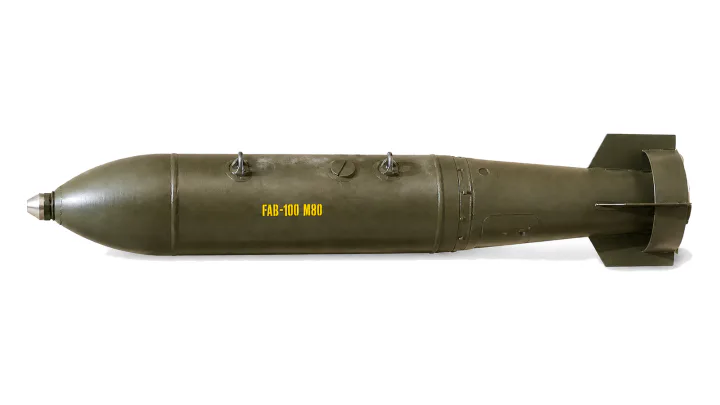
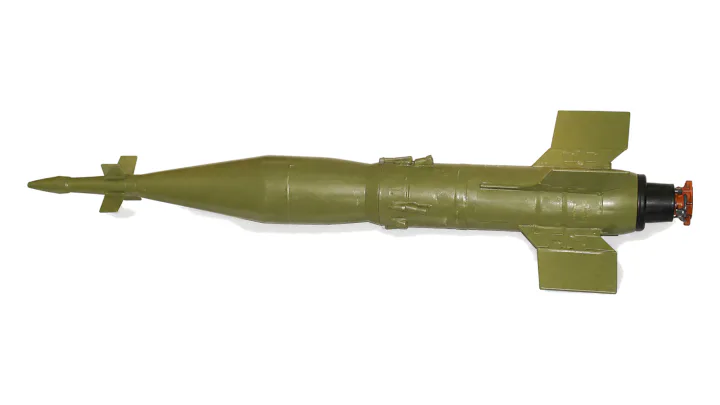
A 117 kg high-explosive free-fall aircraft bomb with a 39 kg TNT main charge, intended for targets of medium fortification level and releasable safe or armed at speeds up to 1000 km/h.
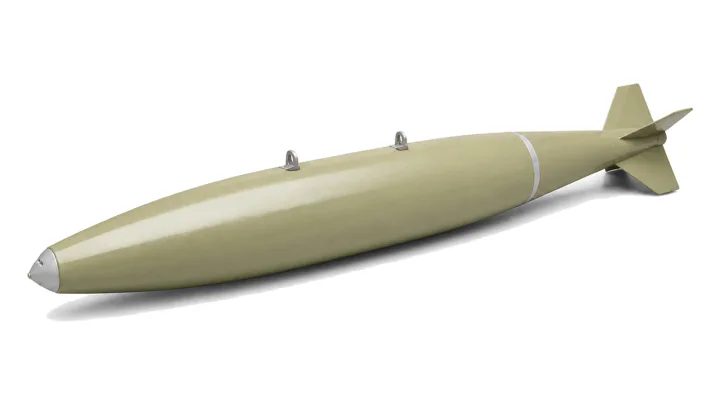
A 1000 kg demolition-fragmentation ballistic aerial bomb that defeats surface and buried objects by shock wave and steel-mantle fragments, supplied with stabiliser, two suspension lugs, protective transport plugs and transport packaging, and usable unguided or as a guided bomb warhead.
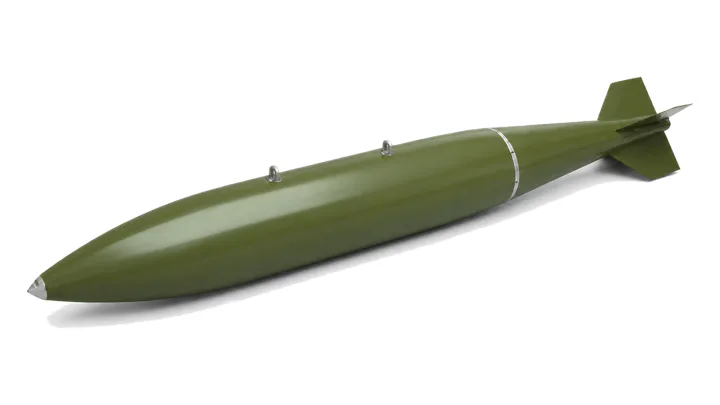
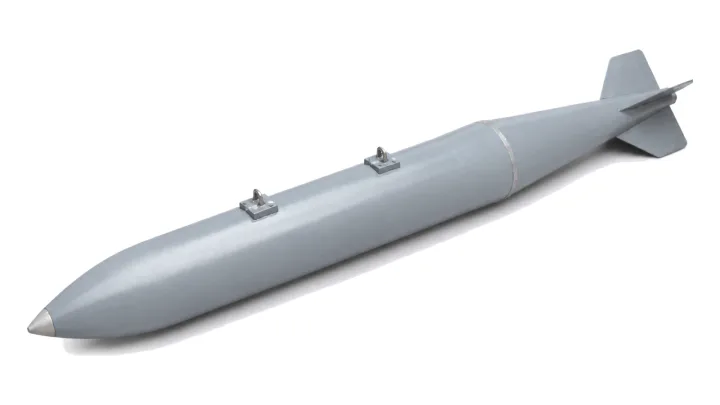
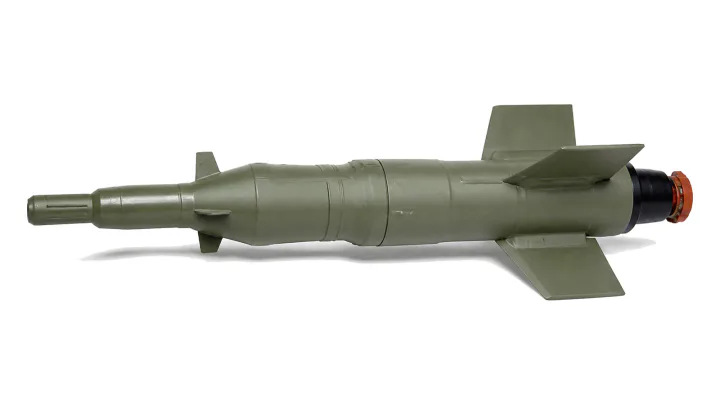
A hardened penetration aerial bomb for reinforced targets on the surface, buried underground or sheltered behind rocky terrain, driving through protective walls on kinetic energy before a controlled detonation delivers a shock wave and body fragmentation.
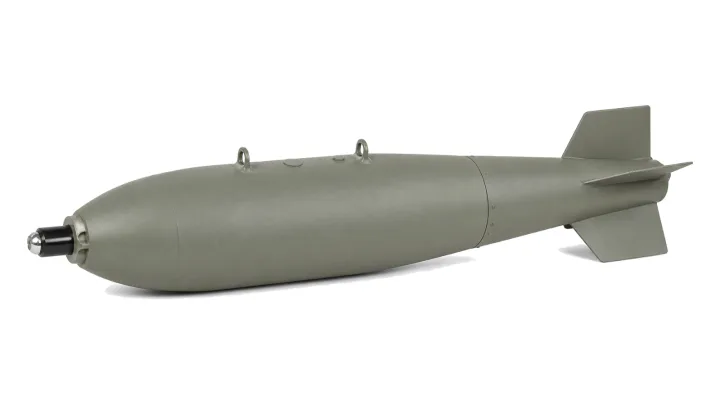
A 240 kg high-explosive free-fall aircraft bomb with a 105 kg TNT main charge, intended for targets of medium fortification level and releasable safe or armed at speeds up to 1000 km/h.
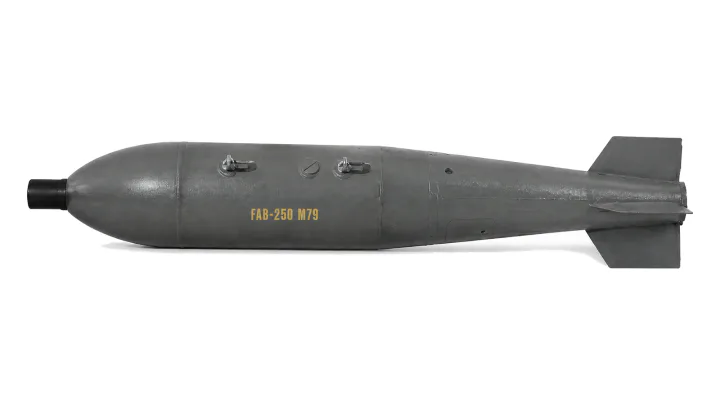
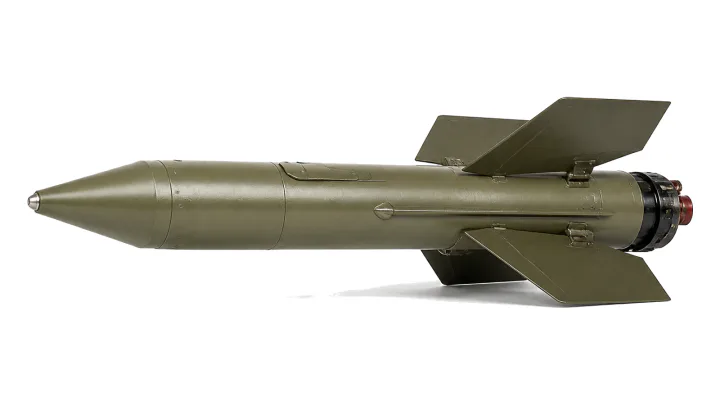
A 250 kg demolition-fragmentation ballistic aerial bomb that destroys or neutralises surface and buried targets by blast and by fragments from its bursting steel mantle, fin-stabilised in flight and usable either unguided or as the warhead of a guided aircraft bomb.
A 252 kg air bomb with a 70 kg TNT charge and 15,000 steel balls, intended to annihilate and disable personnel and technical assets such as light armoured combat and non-combat vehicles, artillery, rocket and radar devices and installations and landed aircraft, released freely or by impulse from carriers with 250 mm or 355.6 mm bomb lock spacing.
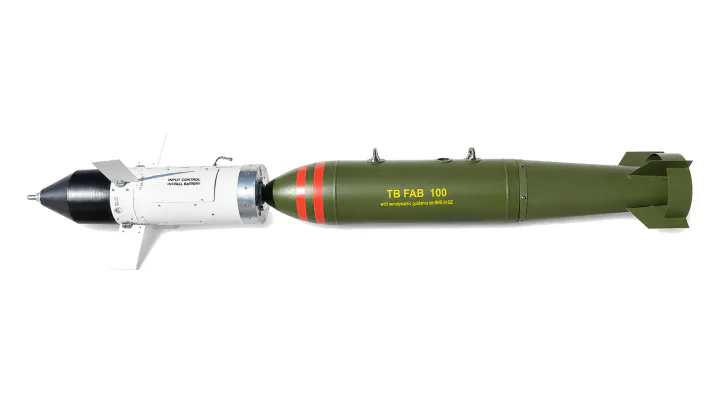
An aerodynamic guidance kit that converts conventional 200 lb (~100 kg), 500 lb (~250 kg) and 1000 lb (~500 kg) aviation bombs into corrected bombs against stationary and low-dimension targets, using a combined inertial and satellite navigation system with four canard control surfaces, and serving as a platform for other guidance systems such as TV (CCD), IIR or laser.
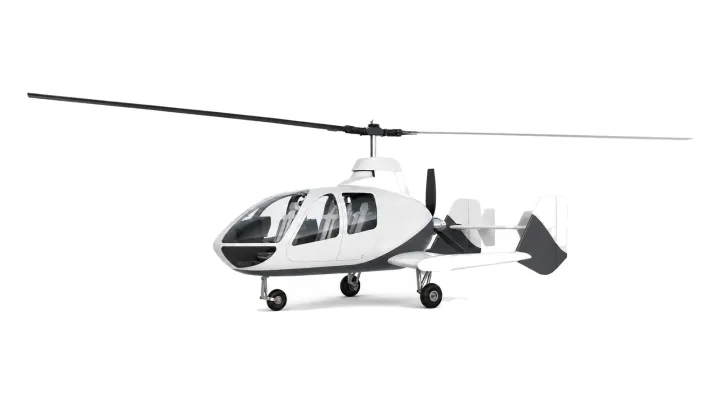
A five-seat gyroplane with an engine-driven pre-rotation system that allows jump take-offs and runway-independent operation, whose rotor is always in autorotation for safety in the event of engine failure.
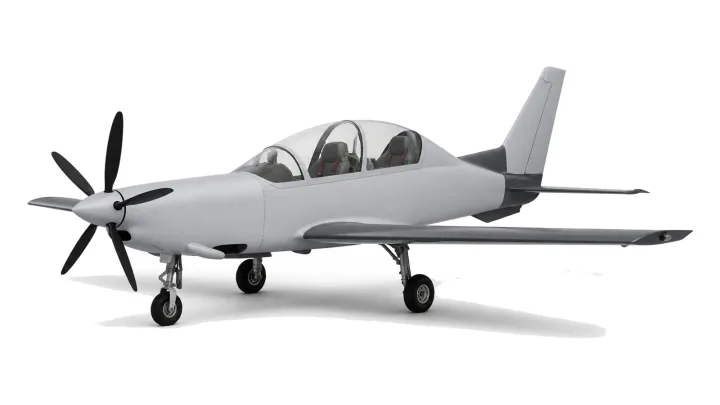
A turboprop development of the basic LASTA trainer with a 450 hp (330 kW) engine burning standard JP-1/JET-A1 fuel, adding ejection seats, air conditioning and an oxygen system and optionally increasing ordnance payload from 200 kg to 400 kg.
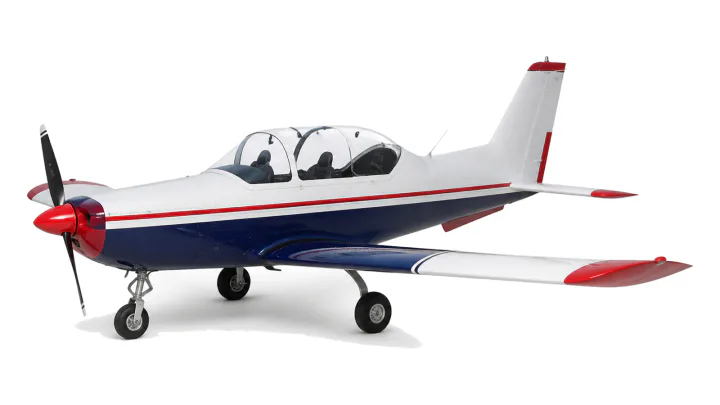
A fully aerobatic piston-engine aircraft for initial and basic pilot training, with low take-off and landing speeds and an error-forgiving design, built to FAR Part 23 aerobatic-category loads in its basic version and utility-category loads in its armed version.
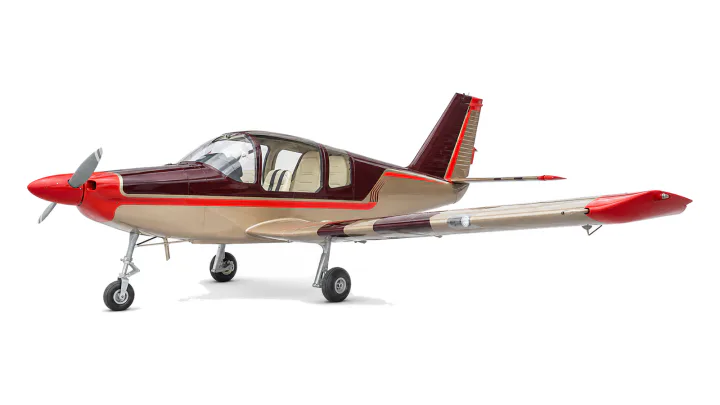
A single-engine, low-wing, four-seat aircraft of semi-monocoque metal construction with fixed landing gear, intended for initial training and pilot selection, sport flying and tourism, and optionally for reconnaissance, aerial photography or carriage of weapons.
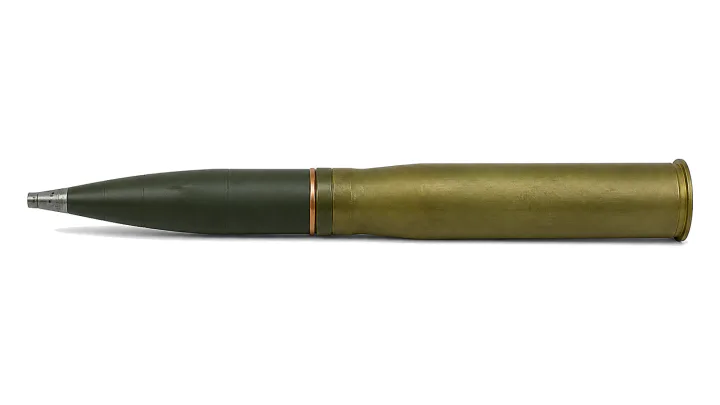
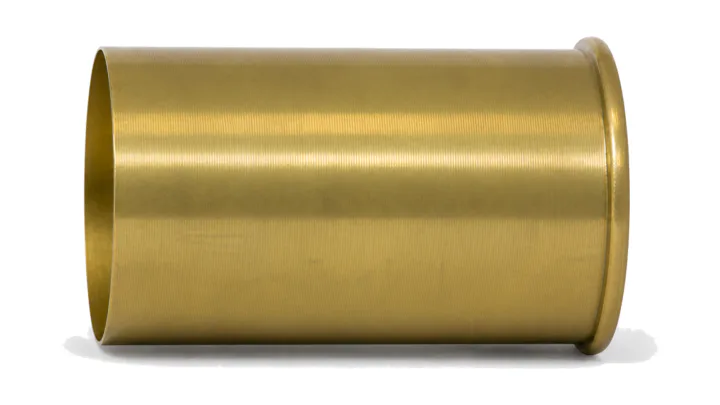
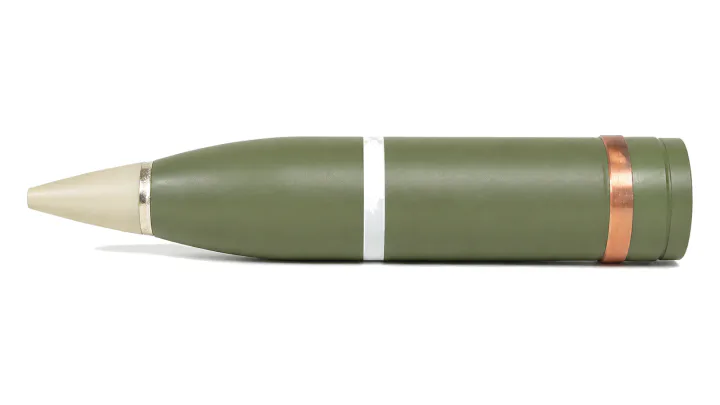
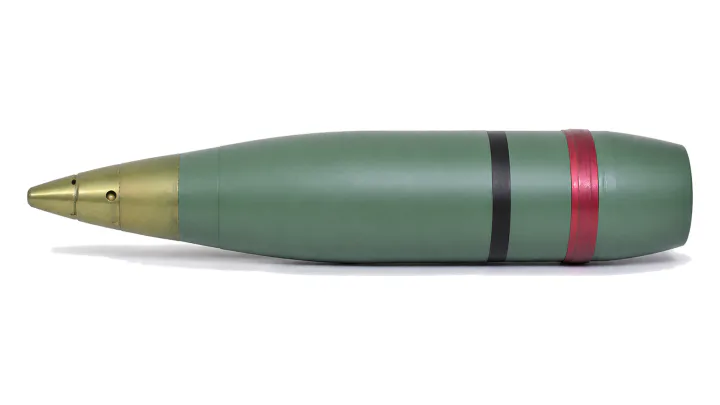
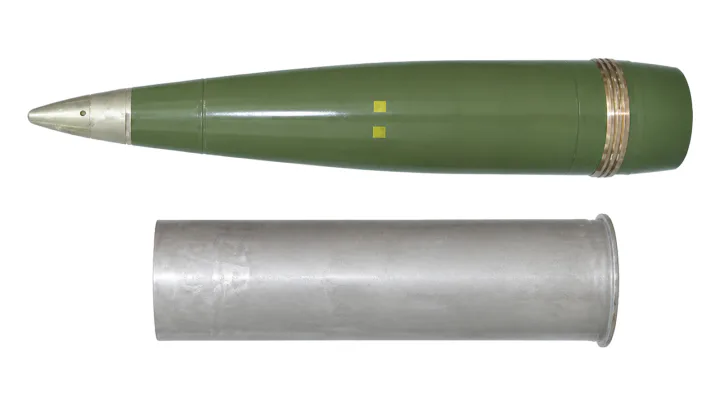
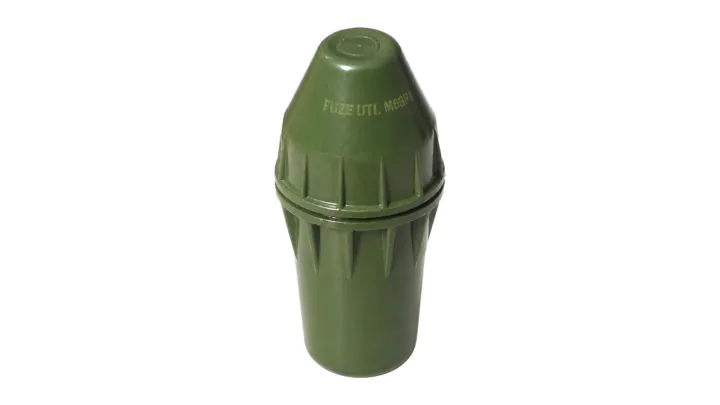
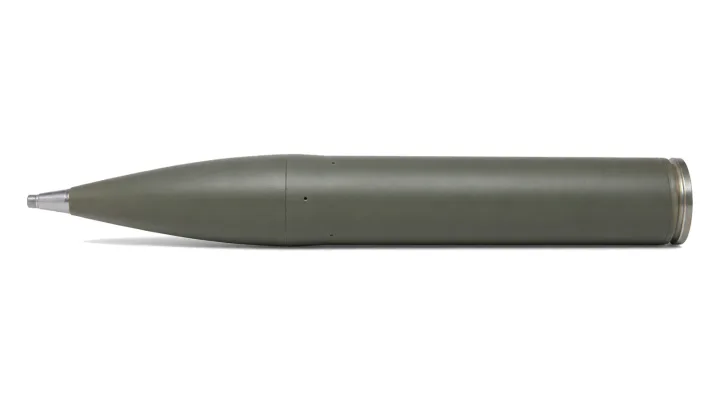
A fixed 100 mm round for the 100 mm antitank guns T-12 and MT-12, consisting of an assembled steel cartridge case with full propellant charge and a TNT-filled high-explosive projectile M82 fitted with a UTIU M85P1 fuze and a No12 tracer, intended for direct and indirect fire against personnel, light fortifications and unarmoured or lightly armoured vehicles.
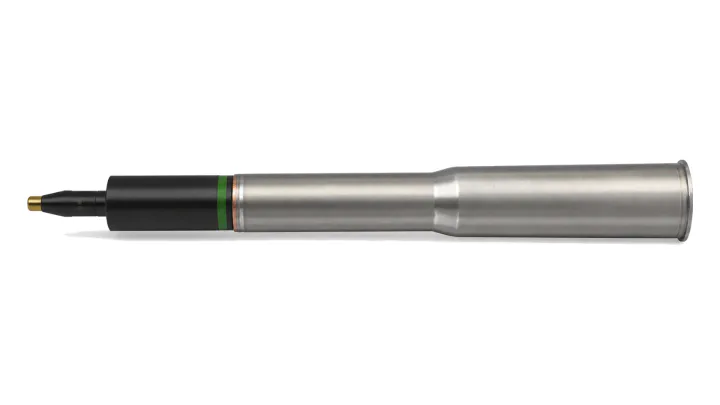
A fixed 100 mm round for the 100 mm antitank guns T-12 and MT-12, made up of an assembled steel cartridge case and a high-explosive antitank tracer projectile M15 filled with FO-4.5S explosive and fitted with a UT-PE M87P1 fuze and a No12 tracer, intended for antitank combat and demolition of facilities.
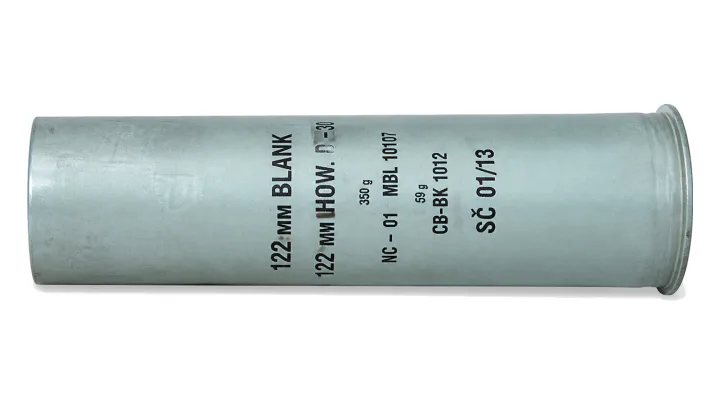
A 122 mm blank round made up of a cartridge case M78 loaded with a propellant charge and igniter and fired by a gun primer KT M71, used to simulate live firing during manoeuvres, exercises and tactical operations and for gun salutes.
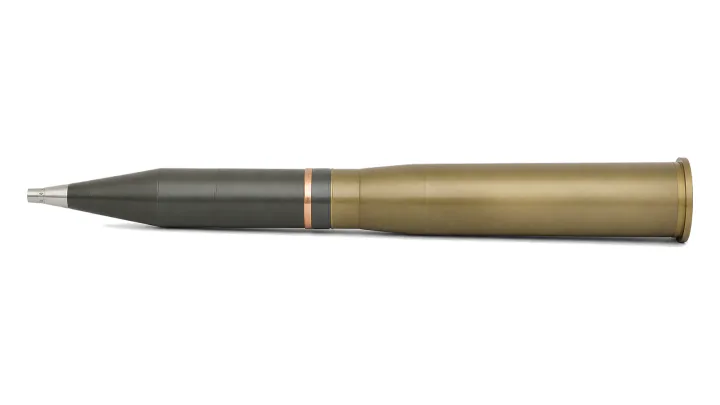
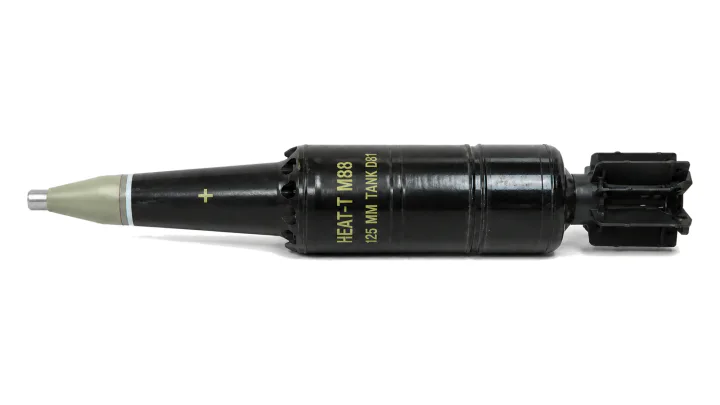
A 125 mm round with a training HEAT-T projectile M17 carrying a No 12 tracer and a base propellant charge M88, used for antiarmour direct-fire training with the 125 mm tank gun.
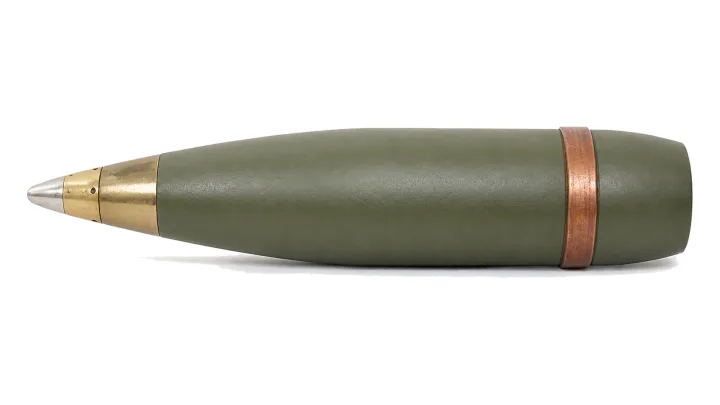
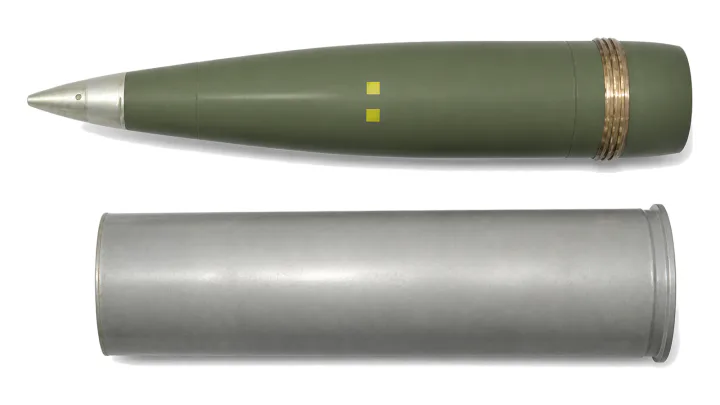
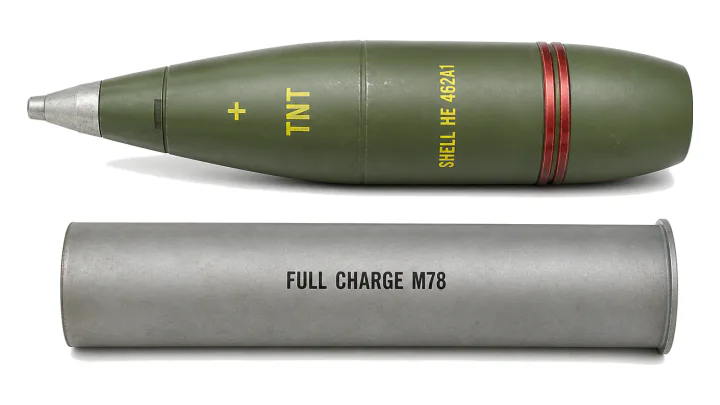
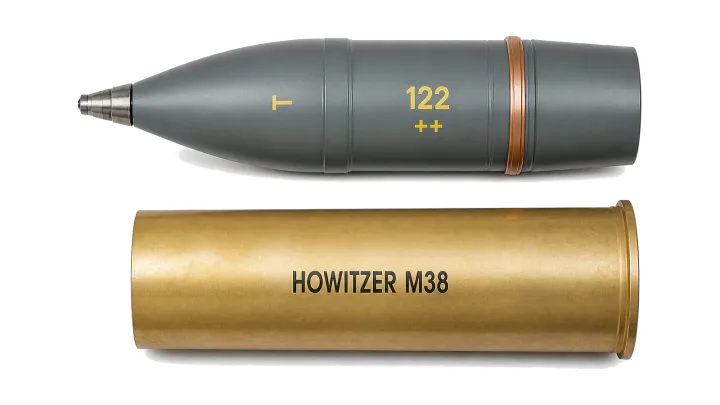
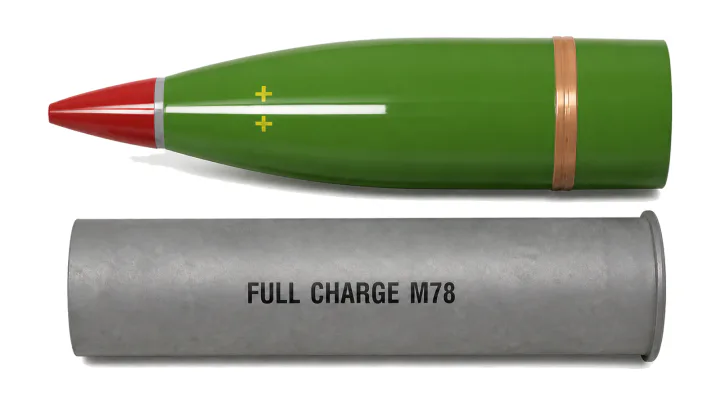
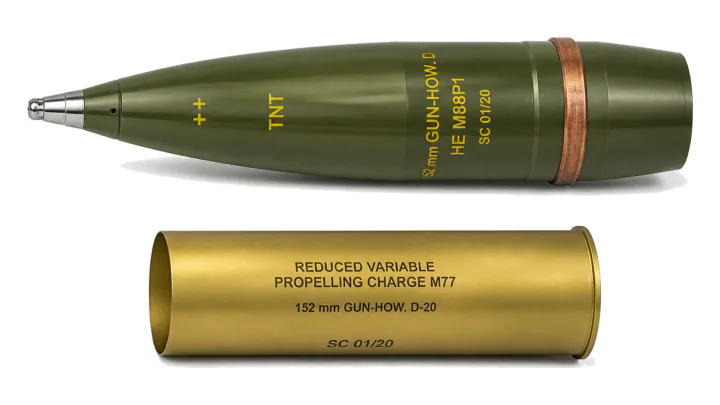
A separately loaded 152 mm round combining a TNT-filled high-explosive projectile M88 with a reduced variable propellant charge M77, fired from the 152 mm gun-howitzer D-20 and the 152 mm gun-howitzer M1937 against personnel, light fortifications and unarmoured or lightly armoured vehicles.
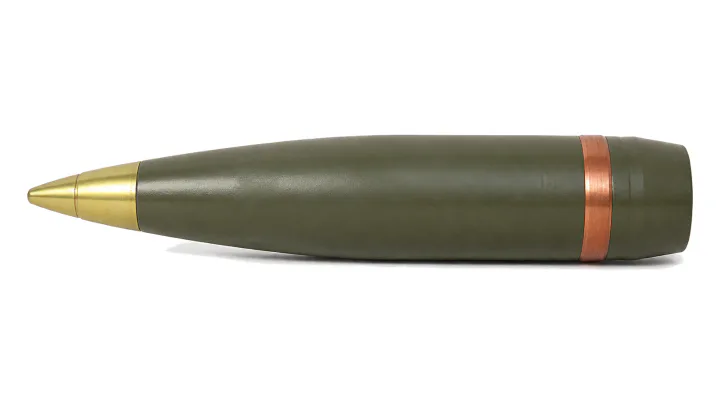
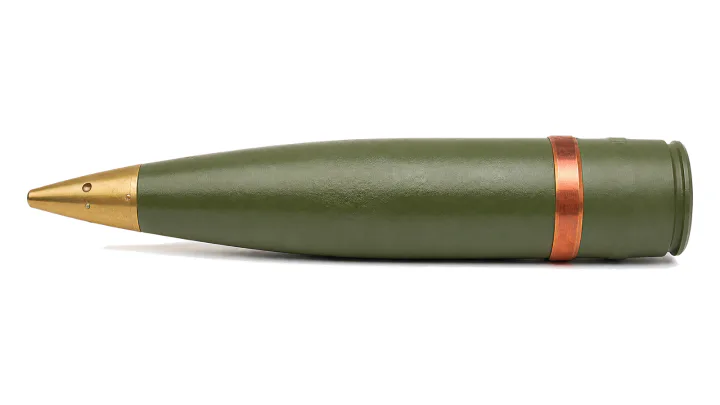
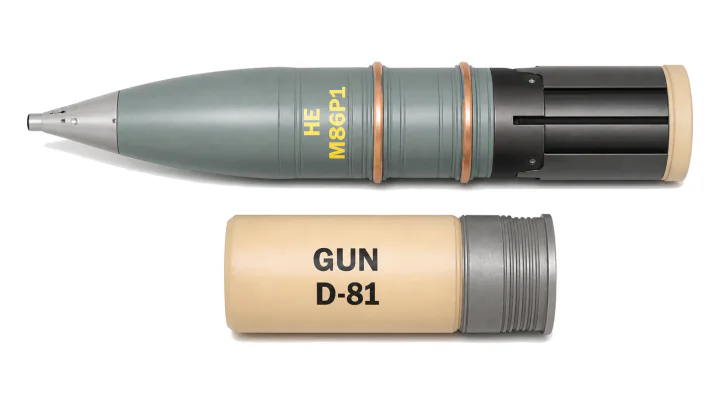
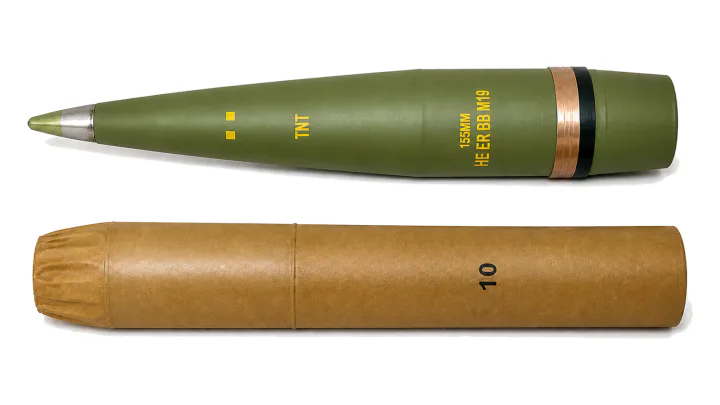
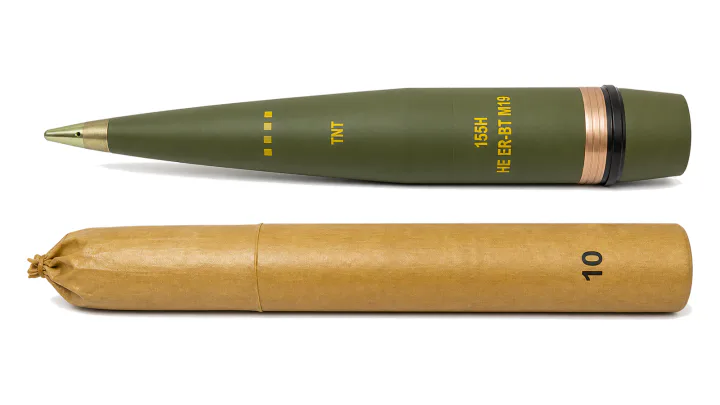
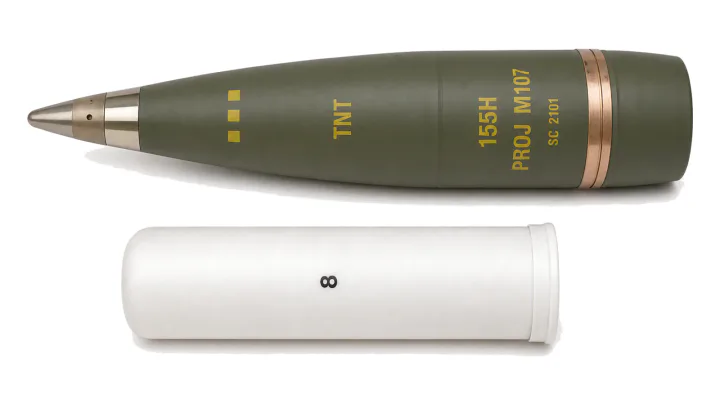
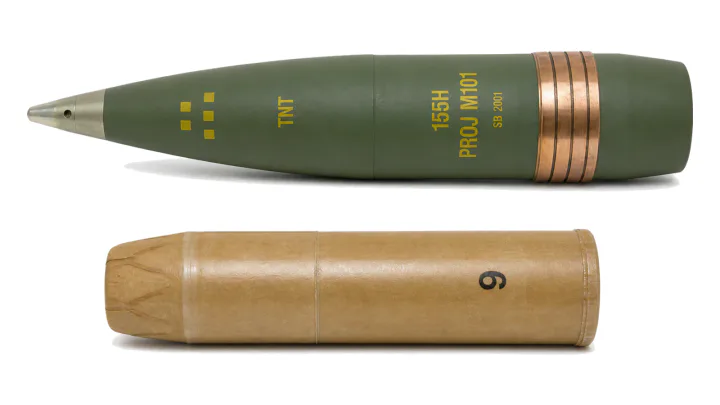
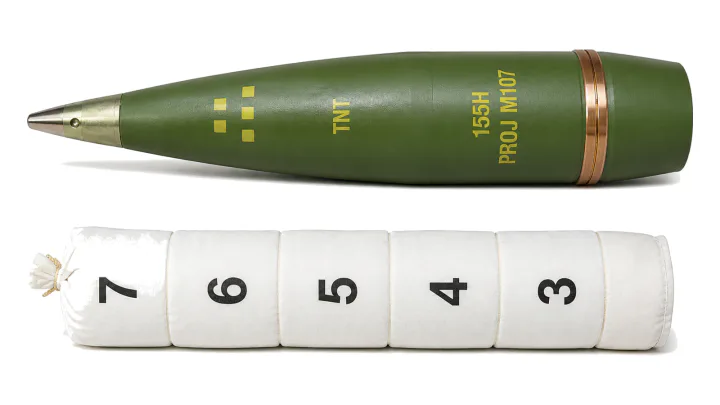
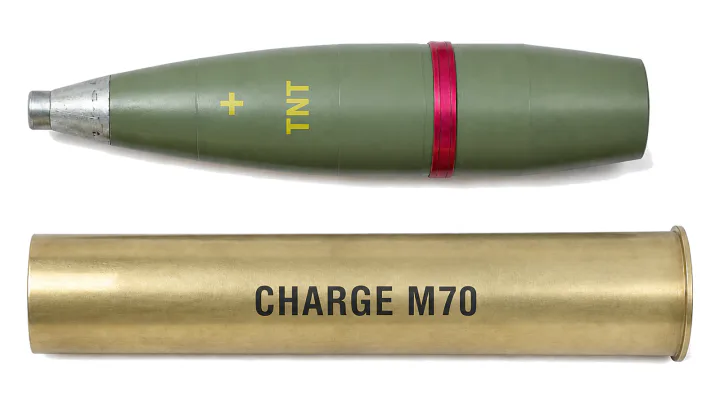
A separate-loaded 155 mm round pairing a high-explosive projectile M101 with an MC zone 9 propellant charge, intended for the destruction of personnel, light fortifications and unarmoured or lightly armoured vehicles.
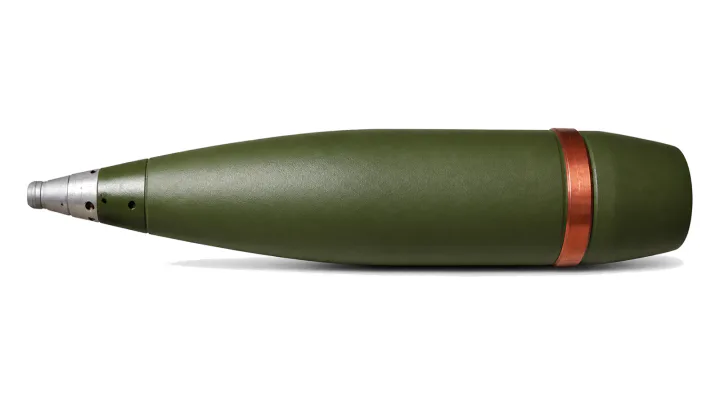
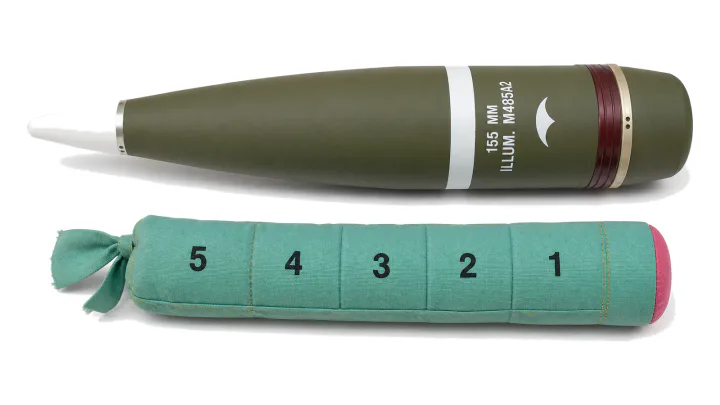
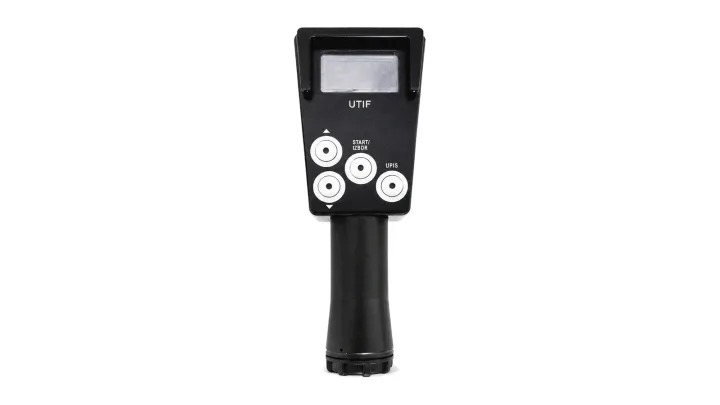
A separately loaded 155 mm round pairing the illuminating projectile M485A2, assembled with an illuminating torch, with propellant charge M3A1 to light the battlefield; its electronic time fuze UTE M10 is timed with a UTIF setter before firing from the 155 mm howitzers M109/M126A1, M109A1/M185 and M198/M199.
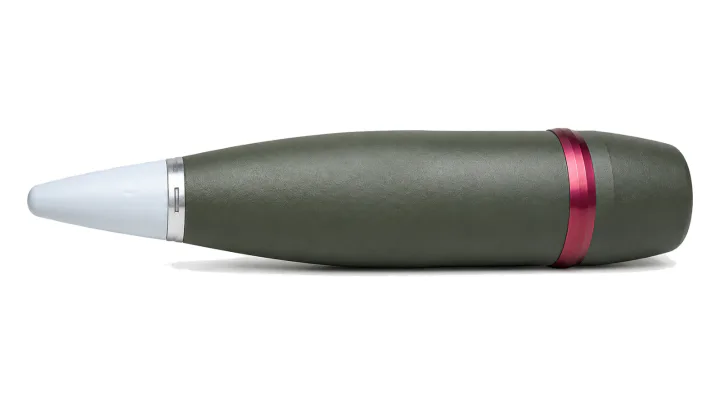
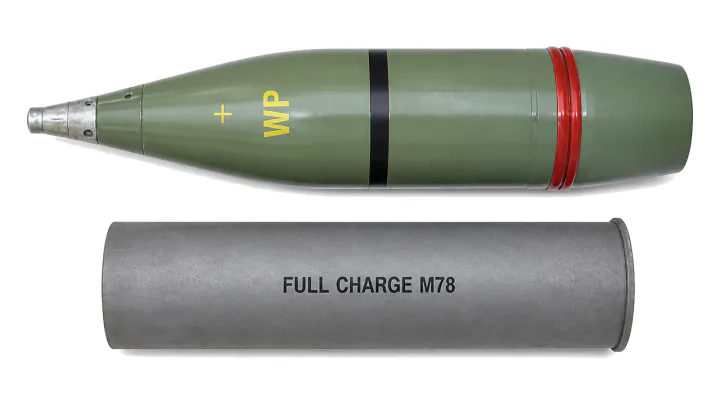
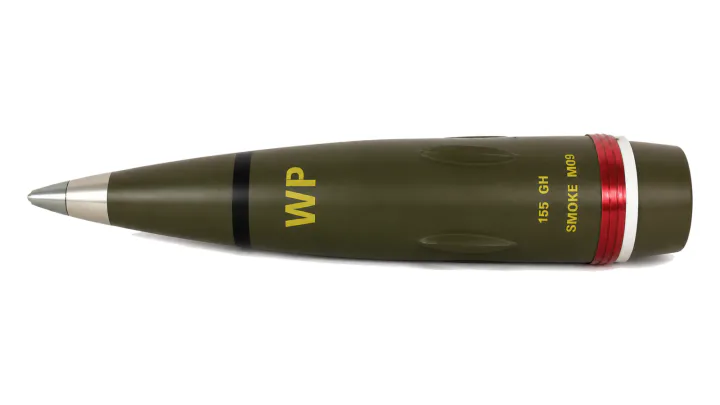
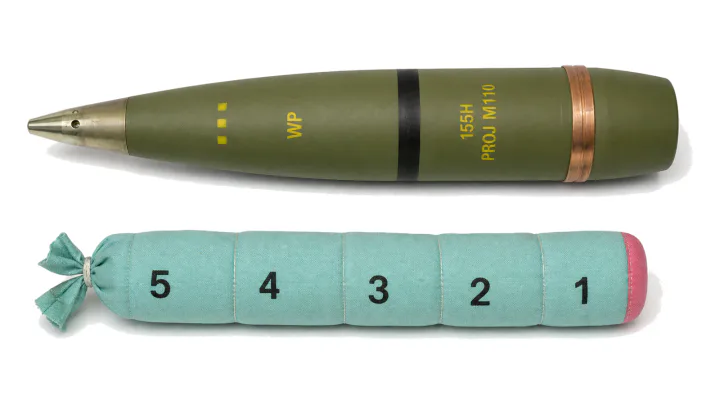
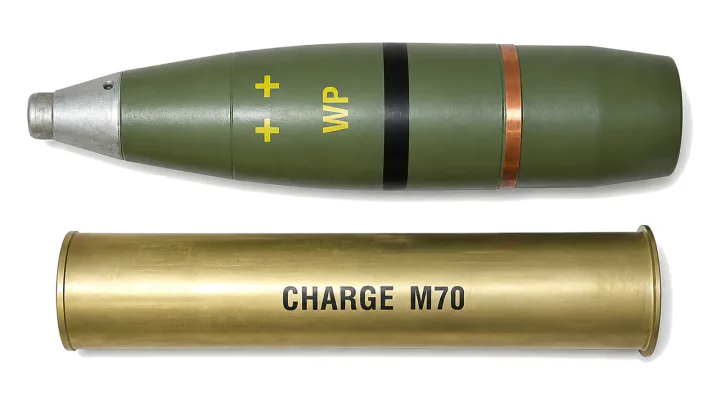
A separately loaded 155 mm round combining the white phosphorus projectile M110A2 with propellant charge M3A1 to create a smoke screen on the battlefield, fired from the 155 mm howitzers M109/M126A1, M109A1/M185 and M198/M199.
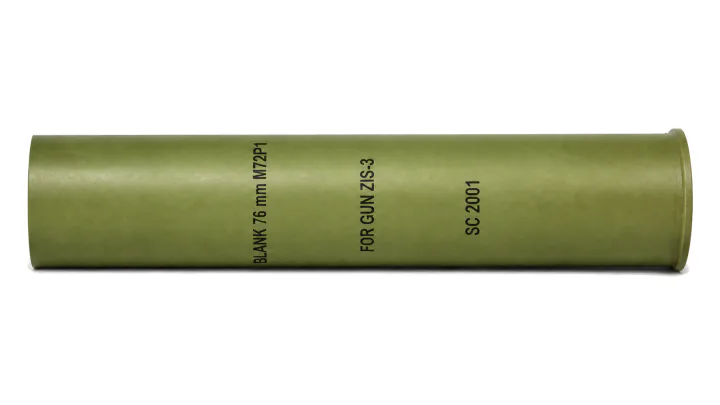
A 76 mm blank (salute) round for live fire simulation during manoeuvres, exercises and tactical operations and for gun salutes, consisting of a 76 mm M72P1 cartridge case filled with a propellant charge and igniter, with gun primer KT M71.
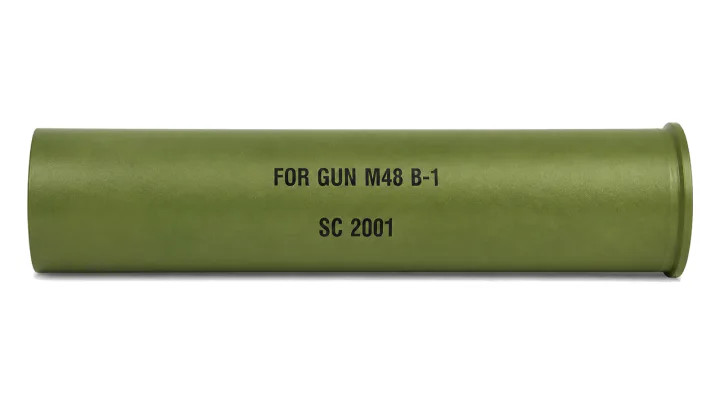
A 76 mm blank (salute) round for live fire simulation during manoeuvres, exercises and tactical operations and for gun salutes, consisting of a 76 mm M48 B-1 cartridge case filled with a propellant charge and igniter, with gun primer KT M71.
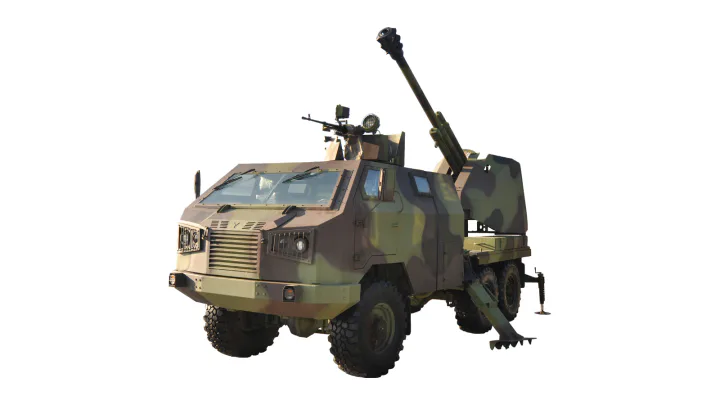
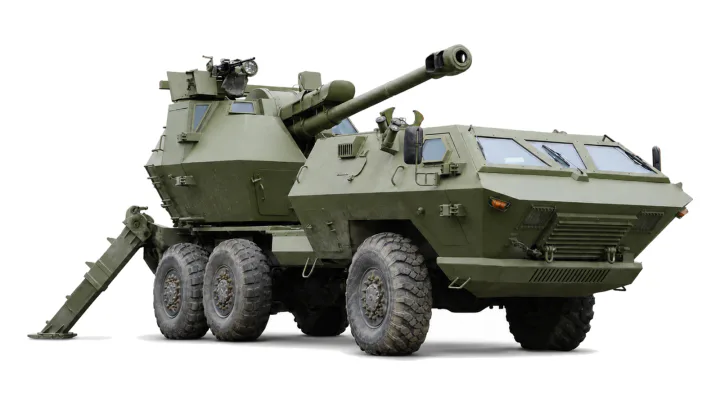
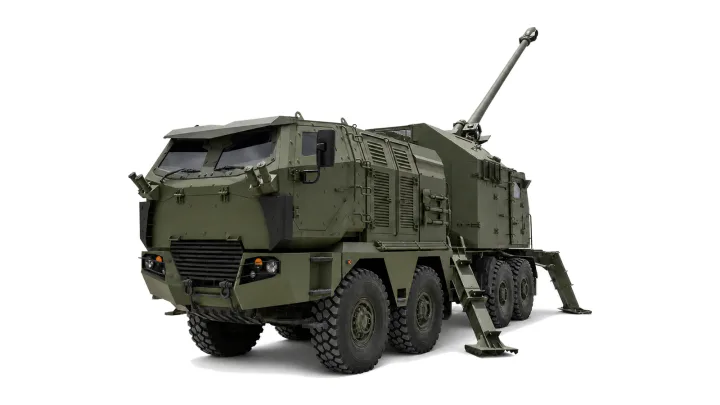
A 105 mm self-propelled truck-mounted fire support howitzer with an armoured cabin, a 2+2 smoke box launcher, manual loading, a crew of five, a 44-round combat set, a maximum rate of fire of 6-8 rounds per minute and 450 km of vehicle autonomy.
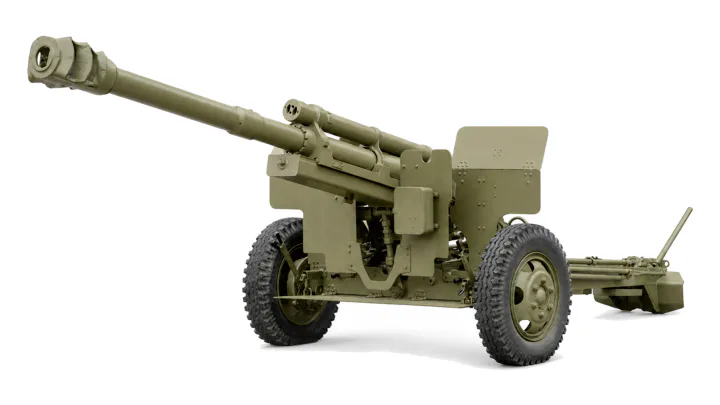
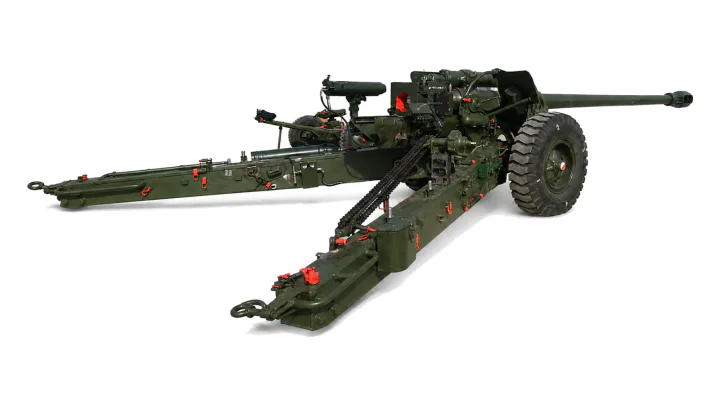
Upgrade of the 105 mm M101/M2A1 howitzer that replaces the 23-calibre barrel with a 33-calibre barrel fitted with a double baffle muzzle brake, together with a higher-pressure breech and breech block, a new equilibrator spring and added trail weight, raising range to 18.1 km with the HE-ER base bleed projectile and 15 km with the HE-ER boat-tail projectile.
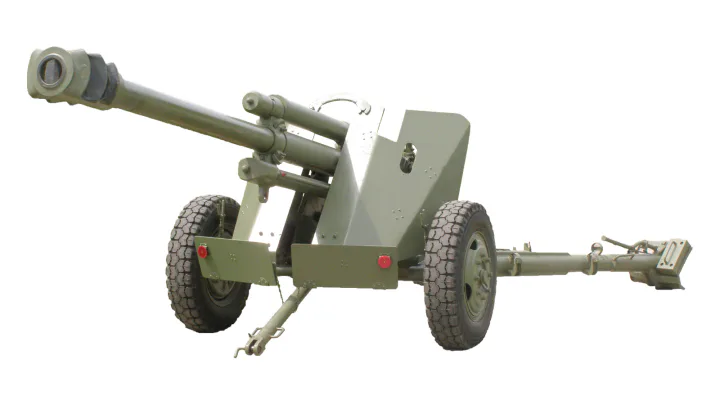
A towed 105 mm fire support howitzer with a 3500 mm barrel, two-baffle muzzle brake, horizontal sliding wedge breech, hydro-pneumatic recoil and equilibrator, a crew of six, a maximum rate of fire of 8 rounds per minute and a maximum range of 18.1 km with an extended-range base-bleed projectile, firing all NATO standard 105 mm ammunition.
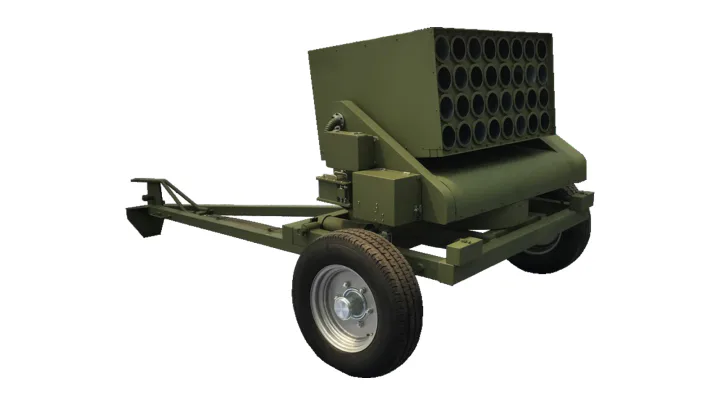
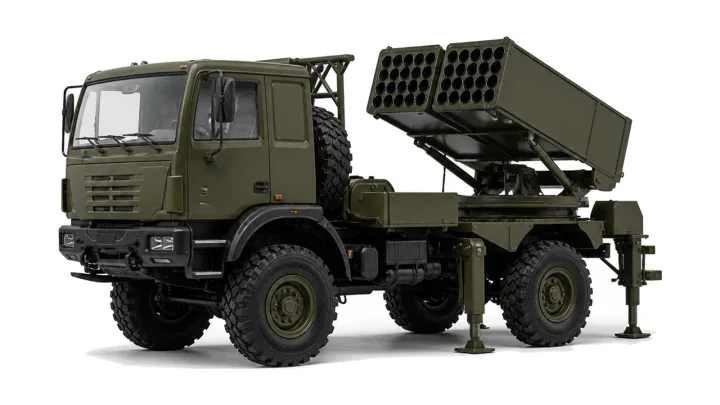
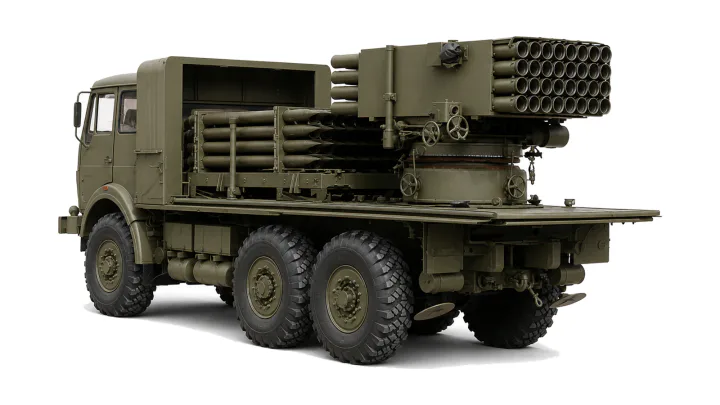
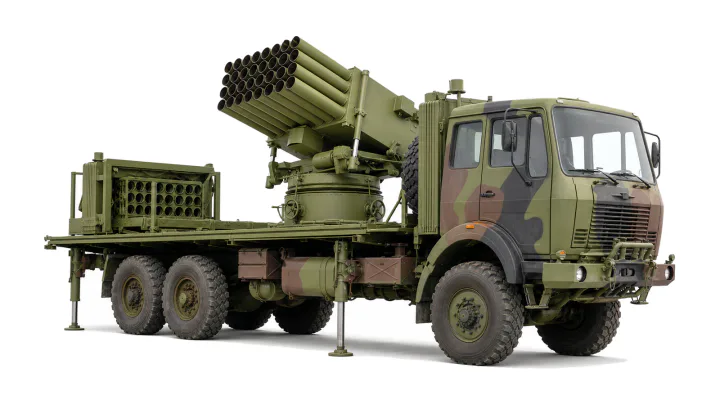
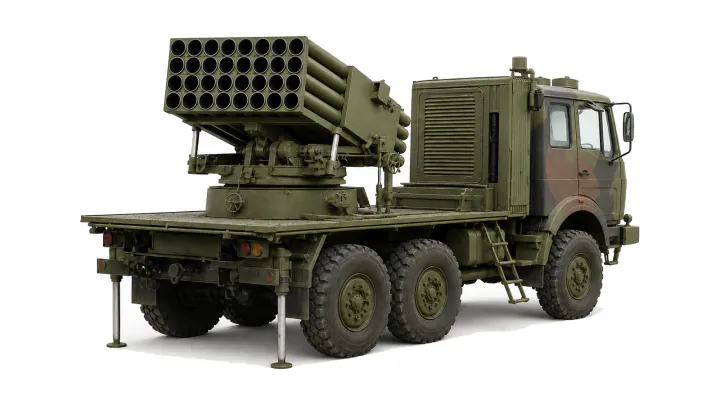
Towed 32-tube 107 mm multiple launch rocket system used by land artillery to deliver sudden and rapid fire against high-value and large area targets on land and water, including sheltered and unsheltered troops and weapons, assembly areas, convoys, artillery and mortar firing positions, air and amphibious assaults, and command posts and communication centres within range.
A 120 mm long-range mortar for infantry fire support with robust welded steel base plate, tool-free disassembly, rapid transition between travelling and combat positions, a lockable barrel for crew safety and an NSB-5A sighting device, reaching 9500 m at 9 shells per minute.
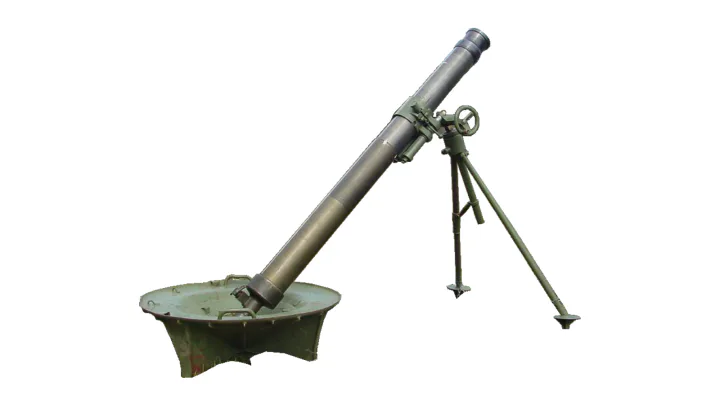
A smooth-bore 120 mm mortar for fire support within infantry units, firing at high elevations from 45° to 85°, comprising barrel with breechblock, base plate, bipod support, sighting device, undercarriage and a weapon set of tools, spares and accessories.
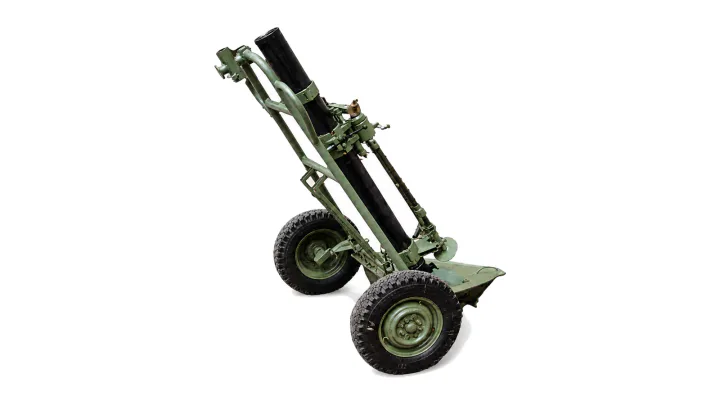
A wheeled towed 120 mm mortar crewed by four, weighing about 270 kg in travelling position and about 190 kg in firing position, reaching 7200 m with the new HE shell and firing up to 15 shells per minute.
A 122 mm gun-howitzer integrated on a 6x6 truck chassis with armour protection against small arms fire and fragmentation, direct and indirect fire capability, a 7.62 mm auxiliary machine gun, smoke pot dischargers and a resting system of four foldable hydraulically operated spades, able to fire all standard 122 mm ammunition including laser-guided projectiles.
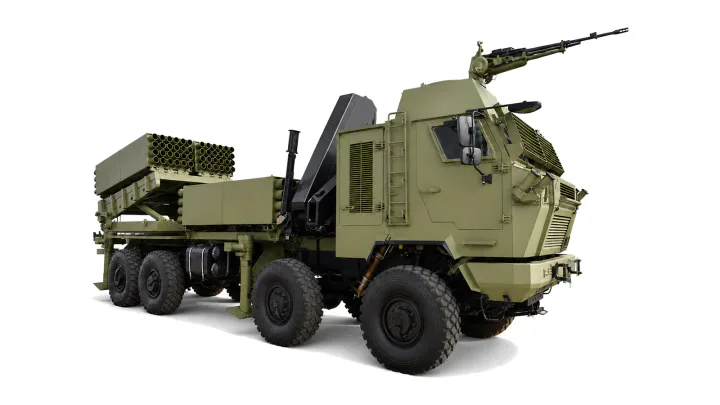
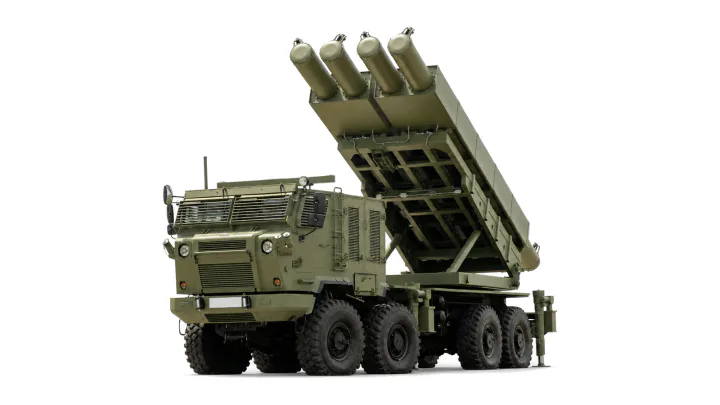
A modular multiple launch rocket system that can carry launch pods armed with 262 mm rockets or with any variant of 122 mm rocket, fully automated with GPS and inertial navigation so that it can execute a preset fire mission autonomously, loaded and unloaded by a hoisting device on the platform.
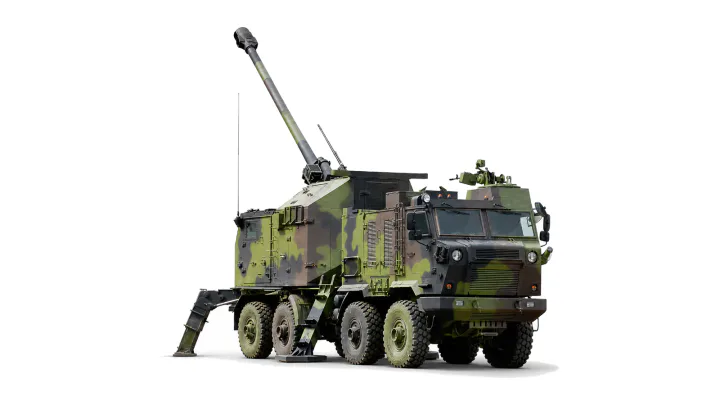
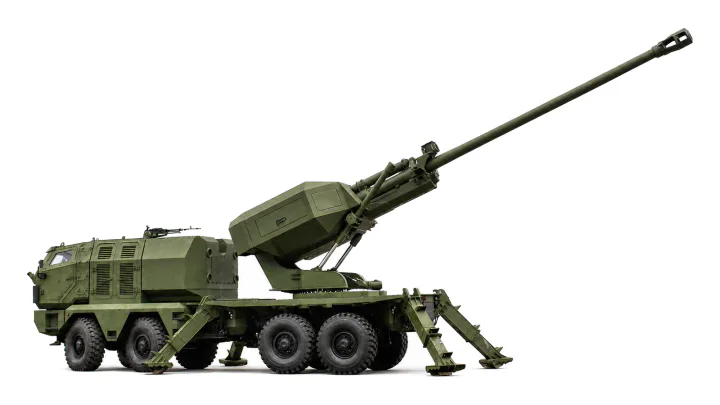
A modular 8x8 truck-mounted 155 mm self-propelled gun-howitzer for fire support at greater distances, firing 12 rounds in less than 4 minutes at a rate of 4 rounds per minute, powered by a turbocharged V-8 diesel at a gross vehicle weight under 40 tonnes and optionally fitted with the latest generation navigation and orientation equipment.
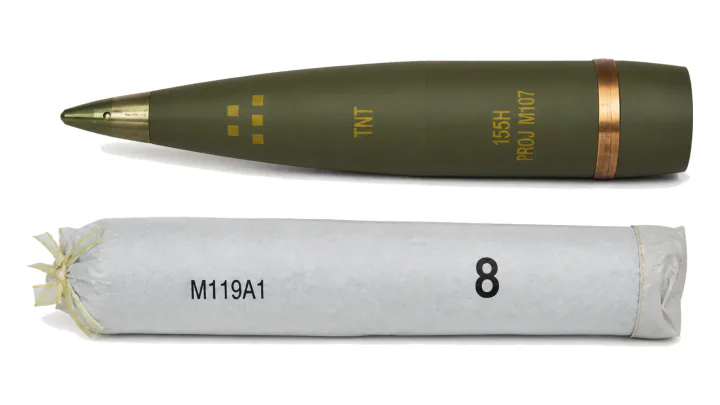
A modular 155 mm self-propelled gun-howitzer for fire support against tactically, operationally and strategically significant targets, reaching 18.4 km with HE M107, 32.4 km with HE ERFB-BT and 41.1 km with HE ERFB-BB, firing up to 4 rounds per minute with 12 rounds in the autoloader plus 24 in stowage and a crew of five.
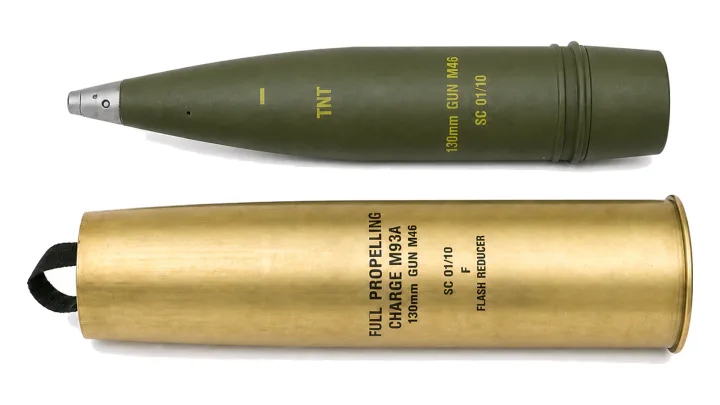
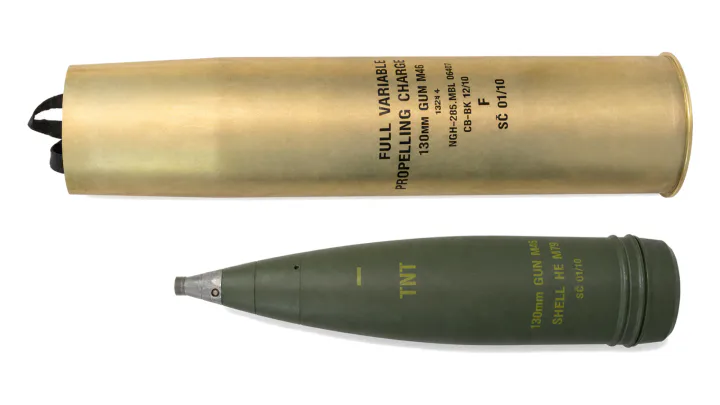
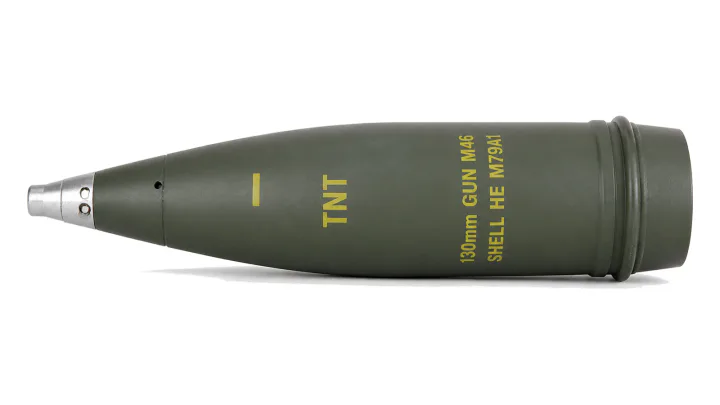
Conversion of the 130 mm M-46 gun into a 155 mm/45 calibre fire support weapon by replacing the barrel, breech block and muzzle brake, redesigning the counter-recoil sealing system and fitting a new sighting system, giving a 34% increase in range while retaining crew training, operation and maintenance similar to the original gun.
A fully automated 155 mm self-propelled fire support artillery weapon formed by integrating a 52-calibre JBMOU-compliant weapon module with a 23-litre chamber onto an 8x8 chassis, controlled from the vehicle cabin, with a 12-round automatic loader plus 12 rounds on the vehicle, MRSI of 4 rounds at 25 km, 6 rounds per minute and up to 52 km range with VLAP projectiles.
A modular self-propelled long-range multiple rocket launcher firing four rockets against one or more targets at up to 285 km, integrated with a command-information system, navigation system and fire control system, and reloaded by a utility vehicle carrying disposable containers of 400 mm or 262 mm rockets.
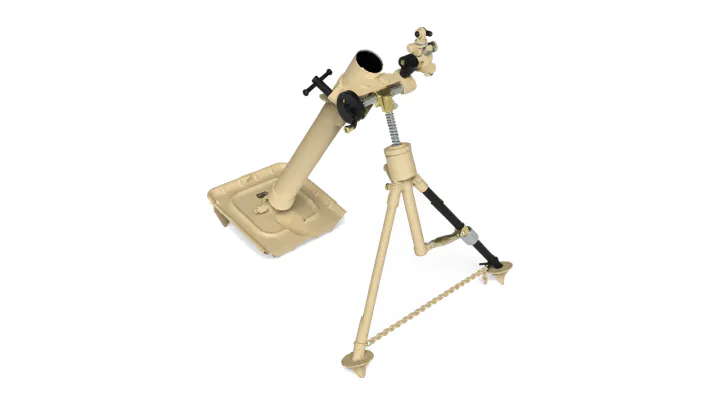
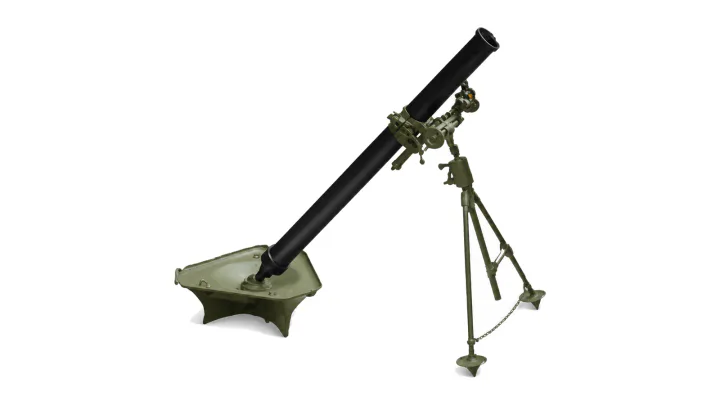
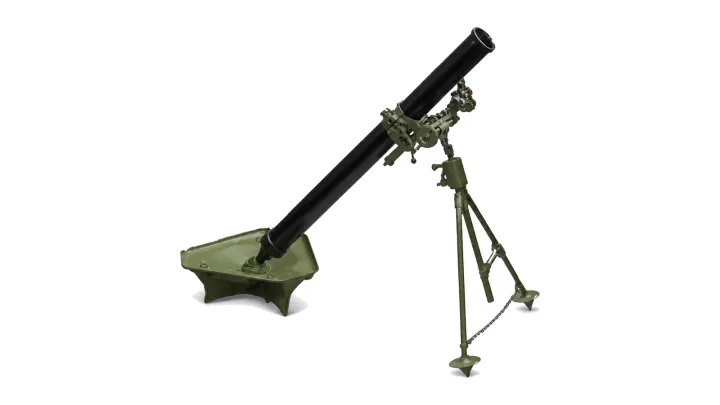
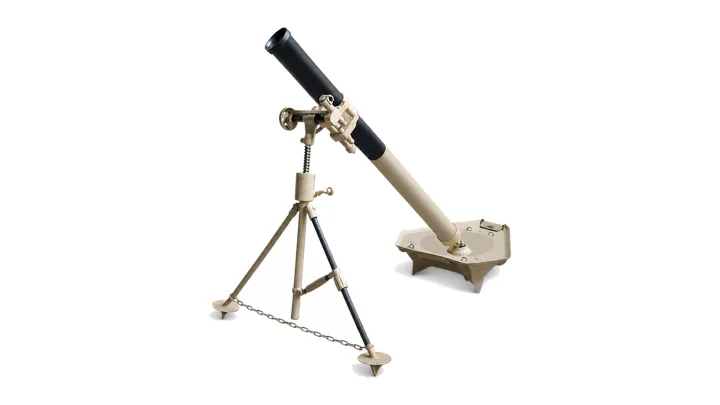
A smooth-bore 60 mm mortar for fire support within infantry units, firing at high elevations from 45° to 85° to strike enemy sheltered by trenches or other obstacles, and comprising barrel with breechblock, base plate, bipod support, sighting device and a weapon set of tools, spares and accessories.
A smooth-bore 81 mm mortar for fire support within infantry units, firing at high elevations from 45° to 85°, comprising barrel with breechblock, base plate, bipod support, sighting device and a weapon set of tools, spares and accessories.
A smooth-bore 81 mm mortar for fire support within infantry units, firing at high elevations from 45° to 85°, made up of barrel with breechblock, base plate, bipod support, sighting device and a weapon set of tools, spares and accessories.
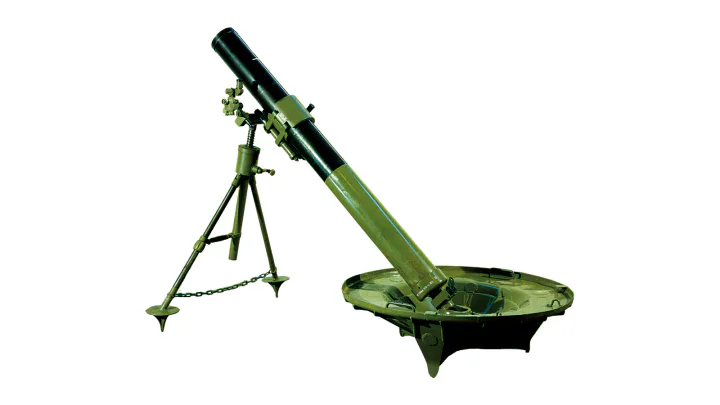
An 82 mm mortar for fire support within infantry units, firing at high elevations from 45° to 85° against enemy sheltered by trenches or other obstacles, and consisting of barrel with breechblock, base plate, bipod support, sighting device and a weapon set of tools, spares and accessories.
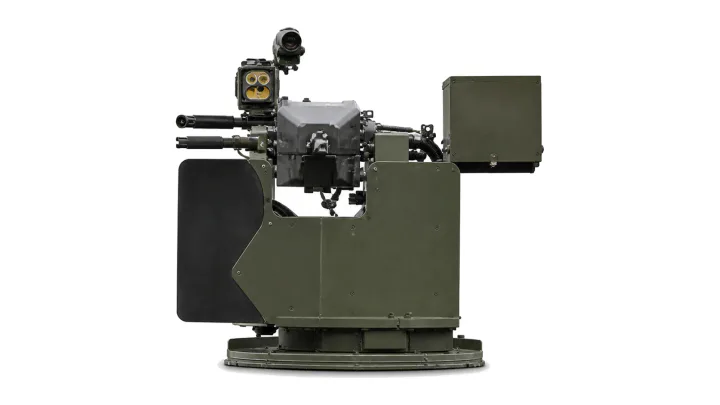
Remote controlled weapon station carrying a belt-fed 12.7 mm heavy machine gun for engaging ground targets at an effective range of up to 1500 m, operable electrically or manually.
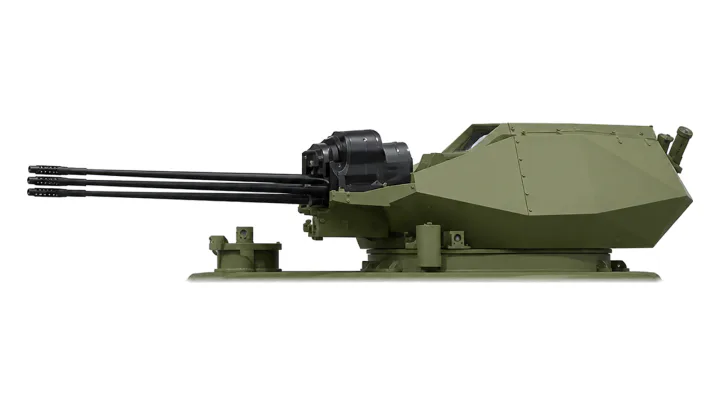
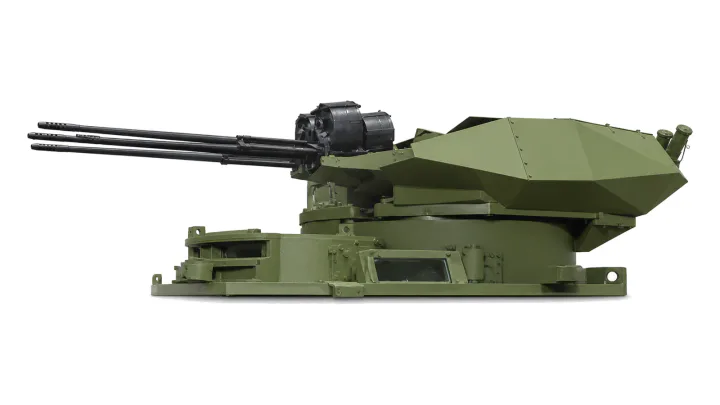
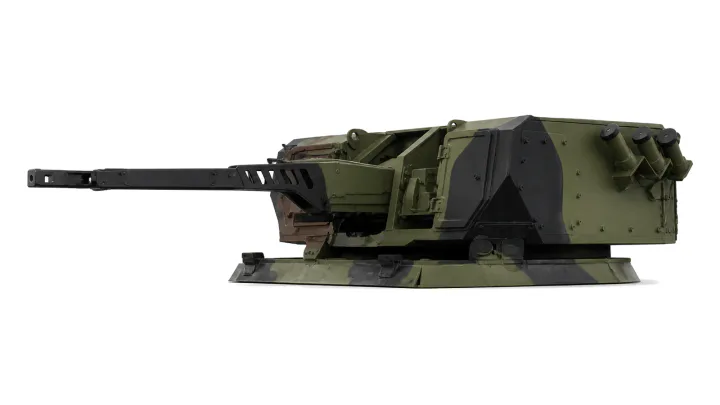
Remote controlled weapon station with a three-barrel 20 mm gun for destroying and disabling ground targets and seaborne targets at up to 2000 m and airborne targets such as slow low-flying aircraft, helicopters, drones and cruise missiles at up to 1500 m.
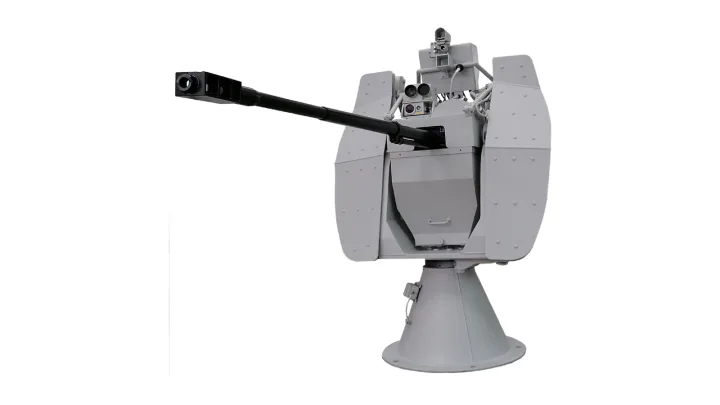
A vehicle-mounted remote weapon station built around a triple-barrel 20 mm gun with drum feeding, operated from an in-vehicle console with joystick and ballistic computer, and served by a sensor unit with day channel, thermal imaging camera and laser range finder.
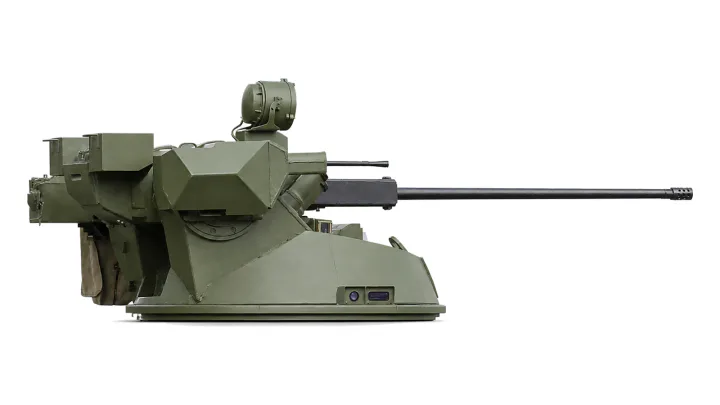
Vehicle fighting compartment designed to engage hostile manpower, soft-skin materiel and low aerial targets, using a biplane electromechanical armament stabiliser for firing on the move and storing the entire ammunition load inside the armoured space of the vehicle.
Unmanned turret acting as the main armament system of an armoured combat vehicle, engaging personnel in body armour, firing assets and unarmoured or lightly armoured equipment with a 30 mm automatic gun and coaxial 7.62 mm machine gun, and providing reconnaissance, target recognition and surveillance.
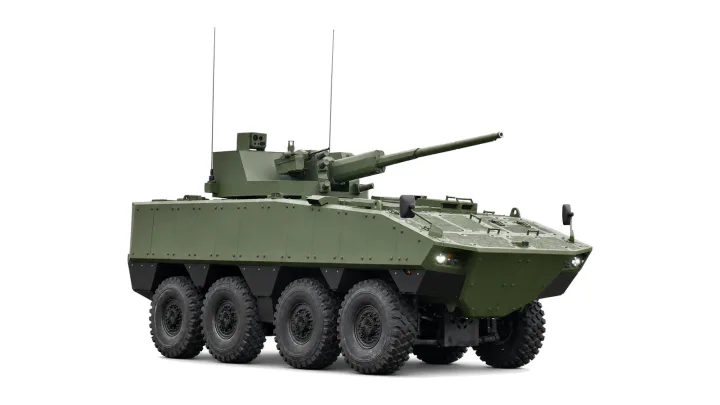
Wheeled infantry combat support vehicle of 24 to 26 t combat weight, 110 km/h maximum speed and 1.6 m fording capability, armed with a turret-mounted twin 30 mm cannon and four NOVA 145 anti-tank missiles to give fire support close to the line of battle.
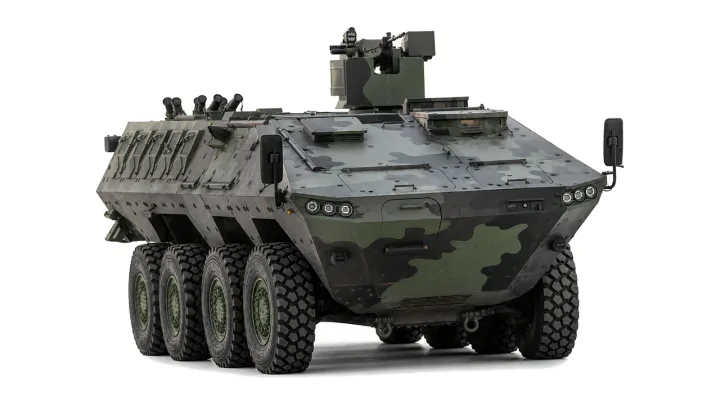
A heavy 8×8 infantry fighting vehicle with gross weight from 26 to 36 t, a 711 HP turbocharged engine, adjustable gas-hydraulic suspension, STANAG 4569 Level 4a/4b mine protection and an AU-220M remote weapon station armed with a 57 mm automatic gun and 7.62 mm machine gun.
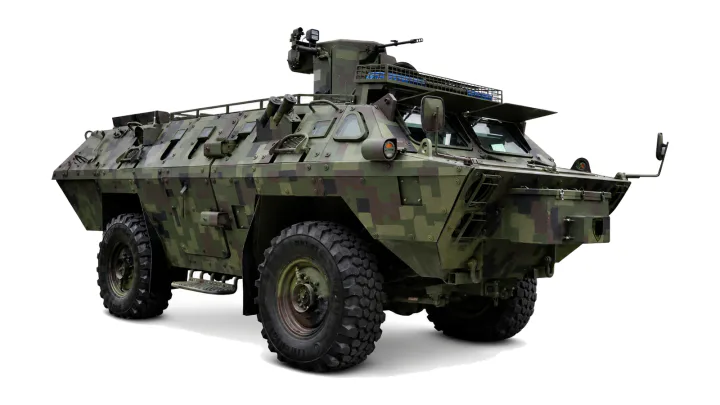
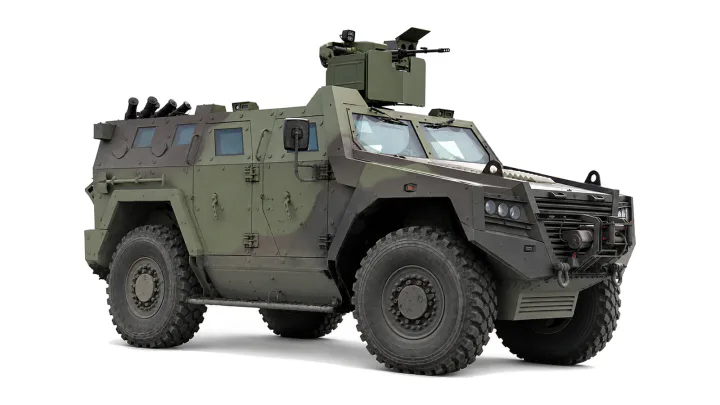
A 4×4 multi-role armoured vehicle designed to accept a range of weapon systems and mission equipment, with seating for three permanent and five additional occupants, a maximum combat weight of approximately 10.8 t and autonomy up to 600 km.
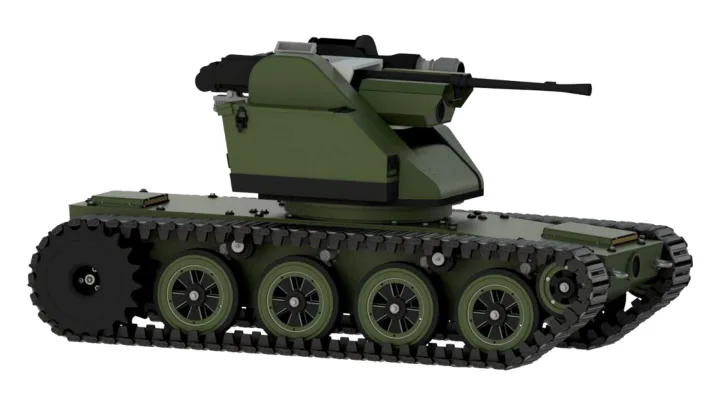
A remotely controlled tracked ultralight unmanned ground vehicle intended to substitute for a soldier in dangerous situations, small enough to enter buildings through standard 800 mm doors and climb standard escalators, with a quiet electric drive on rubber-coated tracks and a remote weapon station carrying a 7.62 mm machine gun or a 40 mm grenade launcher.
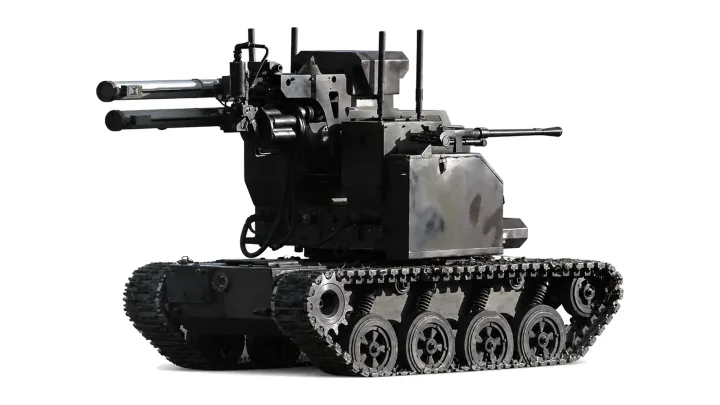
A remotely controlled small tracked armoured unmanned ground vehicle with silent electric drive and steel armour against small arms fire, weighing up to 680 kg and armed with a 7.62 mm machine gun, a 40/6 mm grenade launcher and two 64 mm anti-tank rockets on a 360-degree traversing weapon station, for combat, reconnaissance, MEDEVAC and logistic missions.
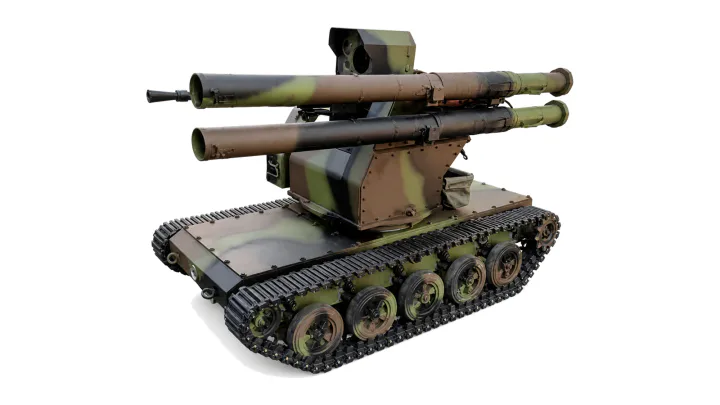
A remotely controlled small tracked armoured unmanned ground vehicle with electric drive, weighing up to 950 kg and reaching 15 km/h, armed with a 12.7 mm heavy machine gun and two 90 mm M79 anti-tank rockets effective to 1200 m and 600 m, with day CCD camera, thermal camera and laser rangefinder.
A 4×4 armoured multi-role tactical vehicle built around a self-supporting hull, modern drive and transmission assemblies and independent suspension, configurable for patrol, reconnaissance, command, artillery reconnaissance, fire-control, anti-tank and ambulance roles.
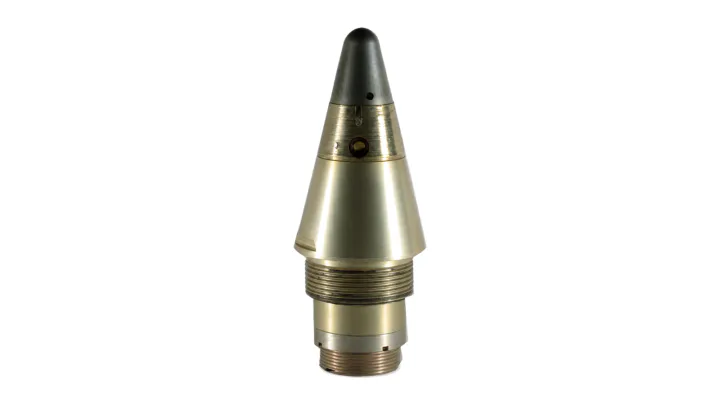
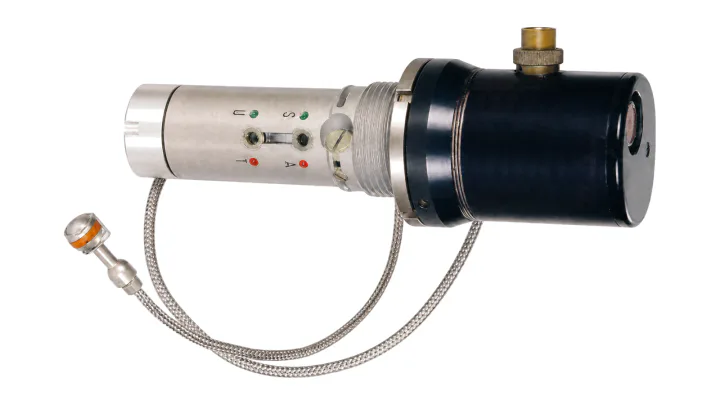
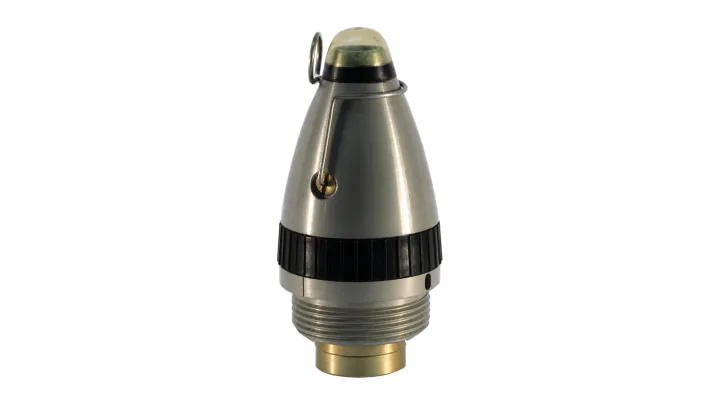
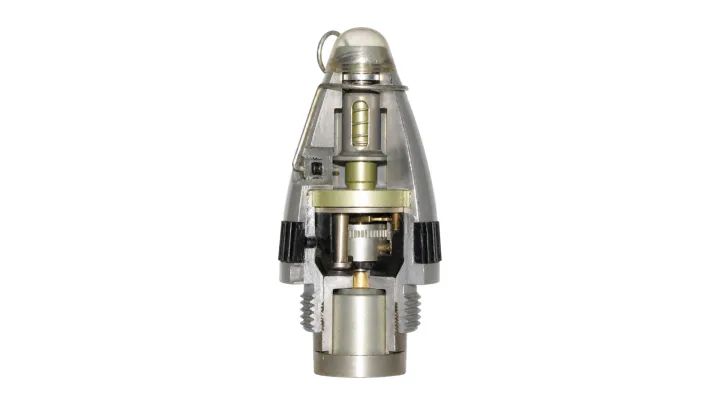
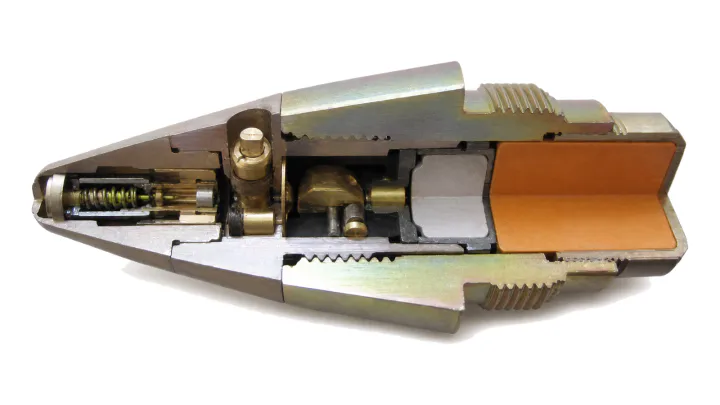
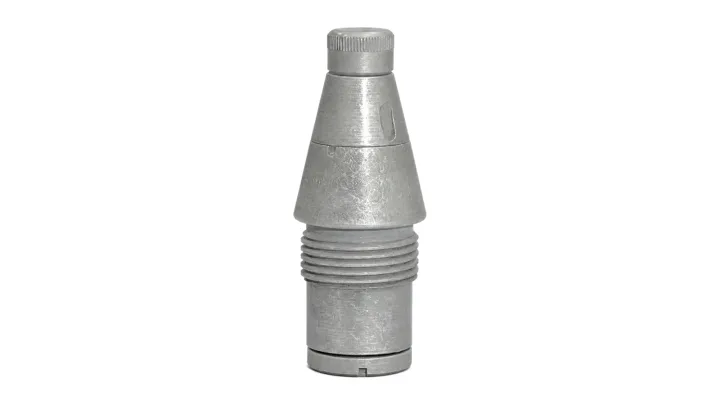
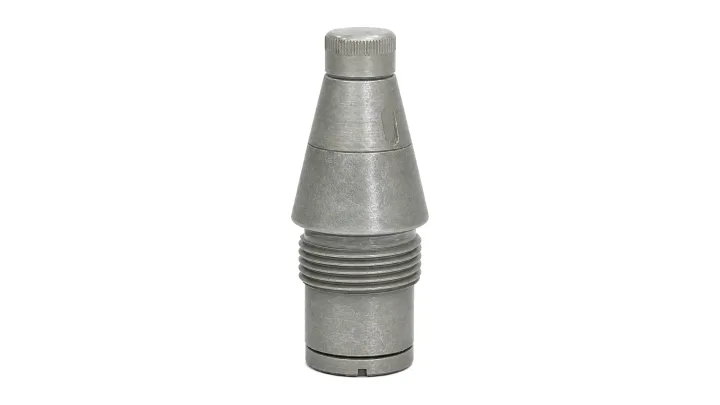
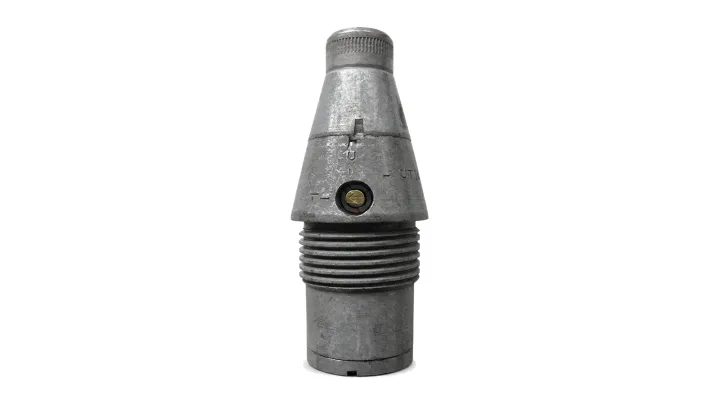
An impact, inertia-type electronic-mechanical fuze for high-explosive aircraft bombs with or without a drag chute, offering super-quick (T) and delay (U) action selectable by a manual mode selector and fitted with an armed/unarmed status indicator.
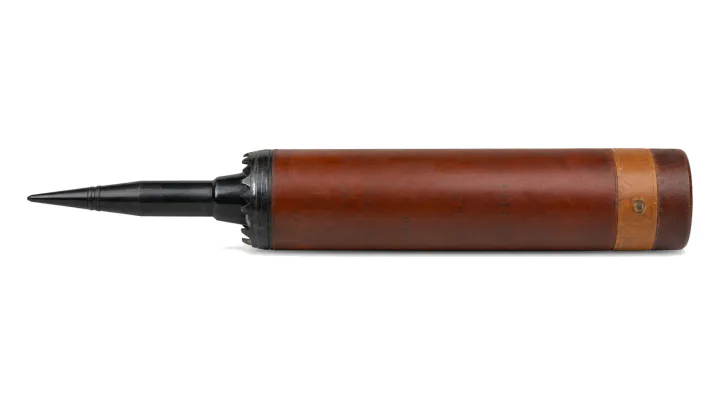
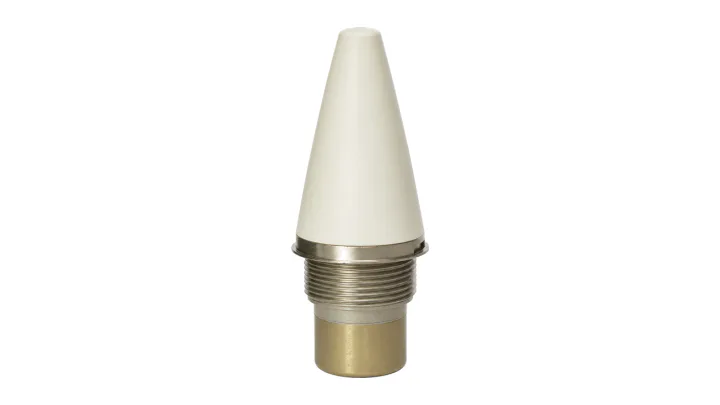
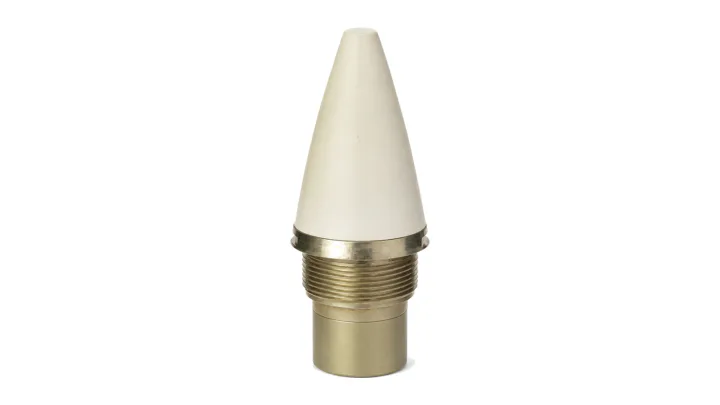
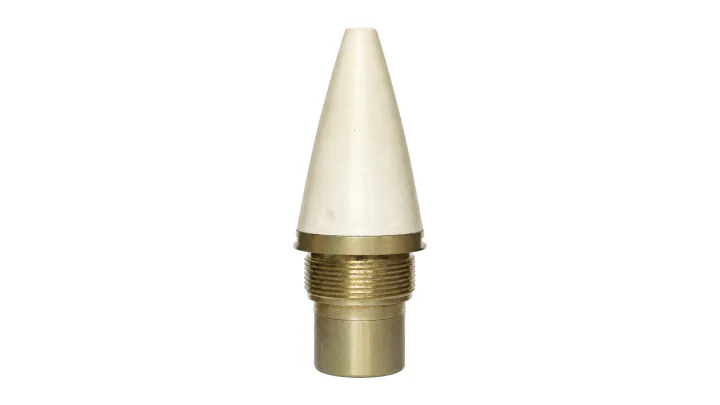
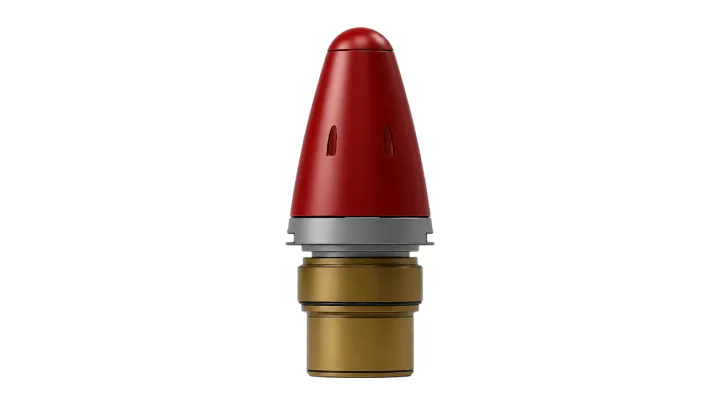
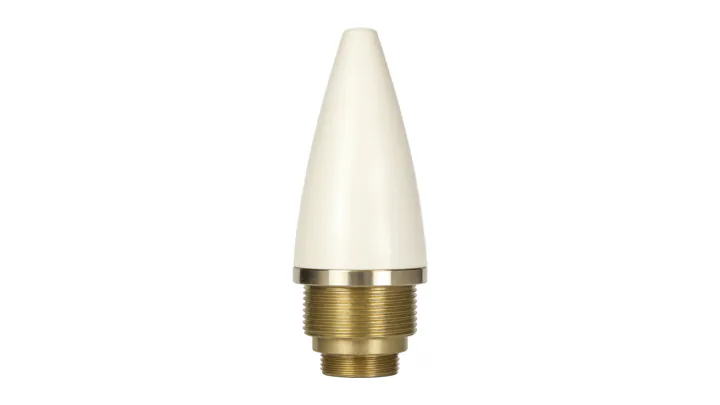
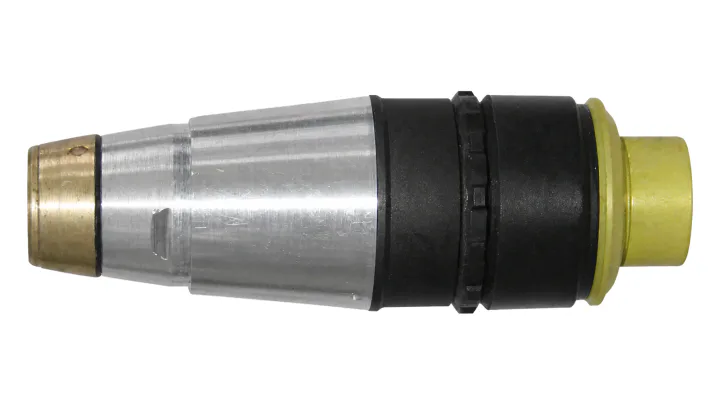
Nose-mounted electronic proximity fuze with secondary contact-superquick action for 105 mm to 155 mm high-explosive artillery projectiles, working on the Doppler effect of radio waves with selectable sensitivity levels and a blocking function over the last 2.5 seconds of flight.
Nose-mounted electronic time fuze with secondary contact action for timed artillery projectiles of all calibres from 76 to 203 mm with a 2"-12UNS-1A thread, set wirelessly with a setter that also selects the function.
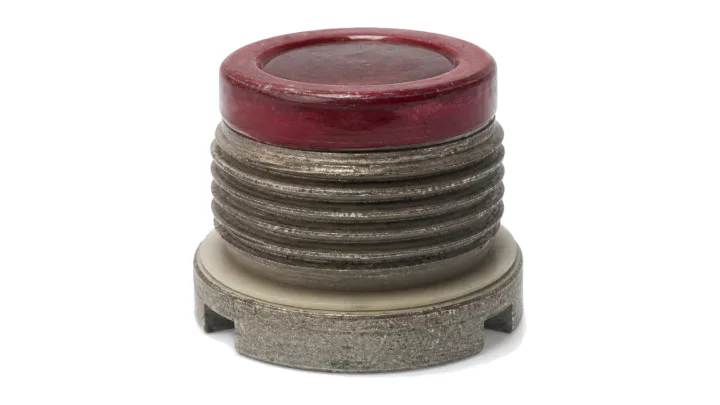
An electro-percussion gun primer intended for initiating the base charge, working either on 2.1 J impact energy or through a firing circuit of 1 to 3.6 ohms resistance.
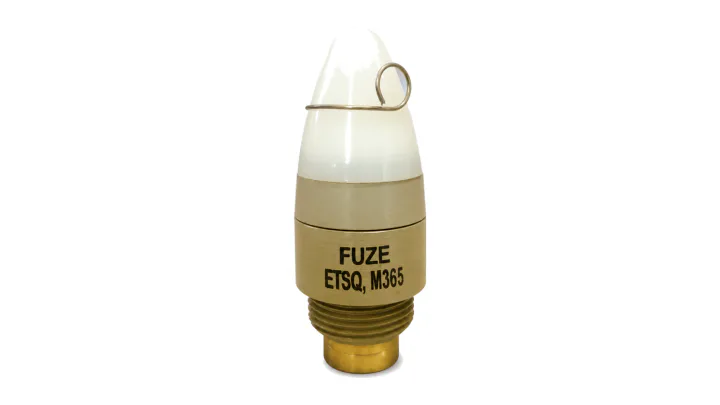
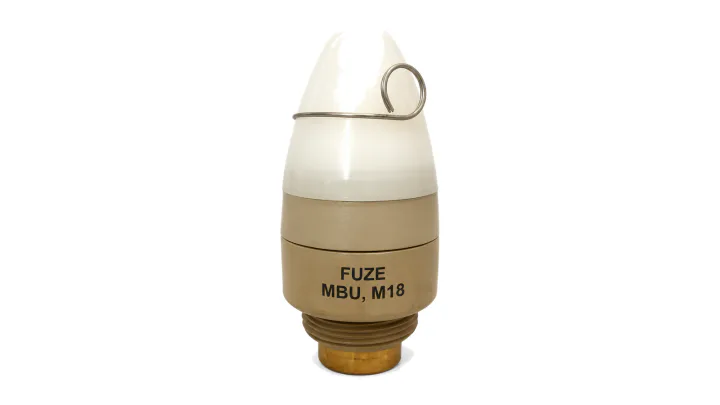
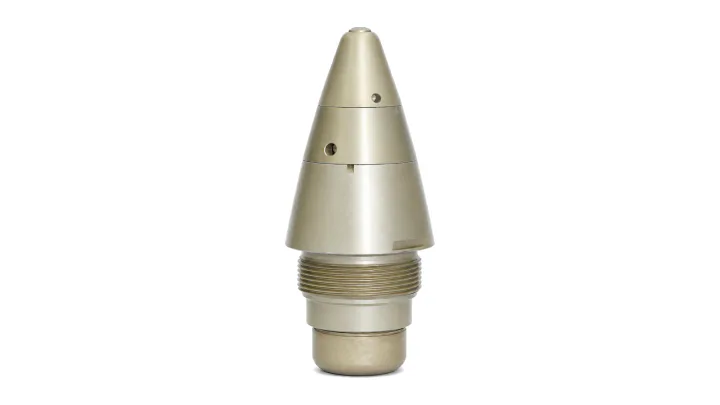
Nose-mounted multifunctional electronic fuze for 105 mm to 155 mm high-explosive artillery projectiles, offering proximity, timing and superquick impact action selected with a setter, with a blocking function active over the last 2.5 seconds of flight.
Mechanical percussion gun primer charged with 19.4 g of black powder, up to 260.6 mm long and developing a mean powder gas working pressure of 2305 bar.
Airtight percussion gun primer for initiating the propellant charge of 57 mm, 76 mm, 85 mm, 100 mm, 122 mm, 130 mm and 152 mm gun and howitzer ammunition, safe in all conditions of transport, storage and use.
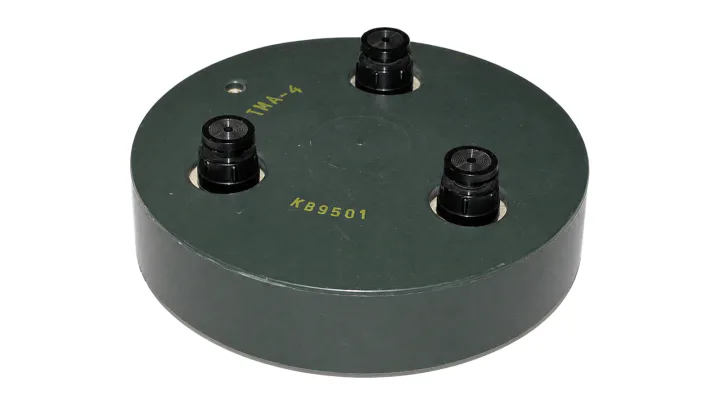
Antimagnetic TMA-4 anti-tank mine for destroying tanks and other fighting and transport vehicles, with a 5.5 kg cast TNT charge and 100 to 200 daN activation force.
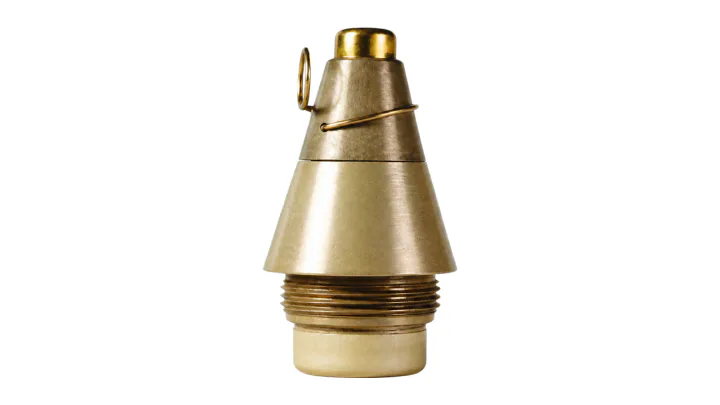
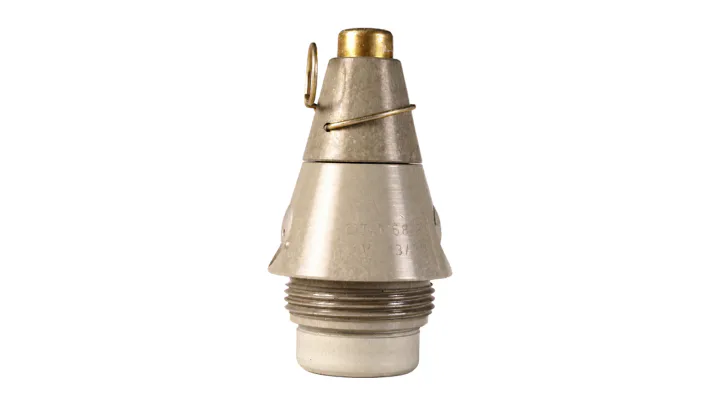
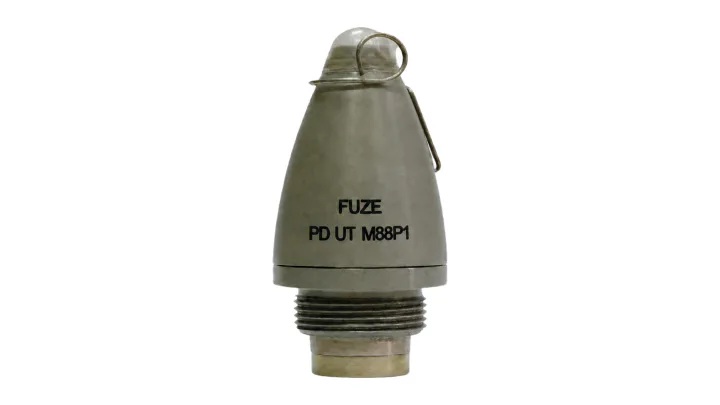
Mechanical point-detonating nose fuze with superquick, inertia and delay action, settable to superquick or delay, for assembling HE projectiles of 85 mm, 100 mm, 122 mm, 130 mm and 152 mm for guns and howitzers, with extended muzzle safety of min 50 m and arming at max 300 m.
Mechanical point-detonating nose fuze with superquick, inertia and delay action, settable to superquick or delay, for assembling HE projectiles with and without base-bleed in calibres 85 mm, 100 mm, 122 mm, 130 mm and 152 mm for guns and howitzers.
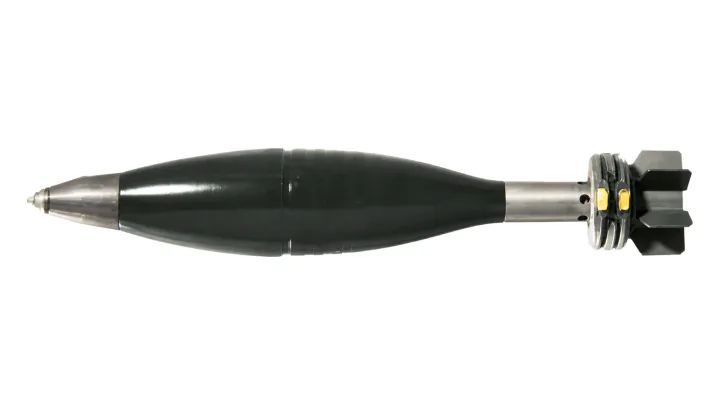
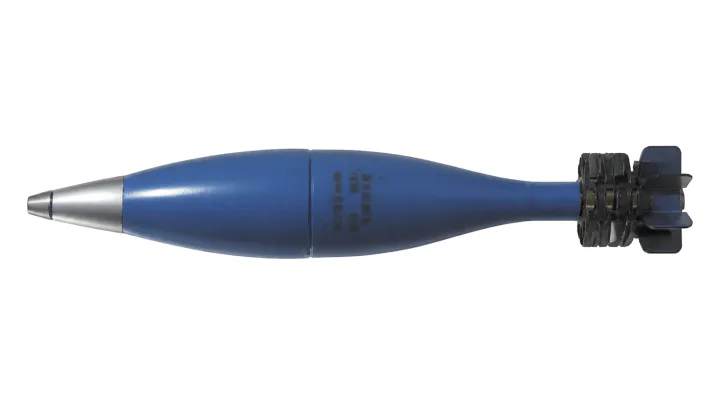
A mechanical point-detonating fuze with safety and arming device that lets standard 60 mm, 81/82 mm and 120 mm HE mortar shells be dropped from an aircraft-mounted carrier, providing superquick fragmentation action and the mechanical interfaces between shell and container.
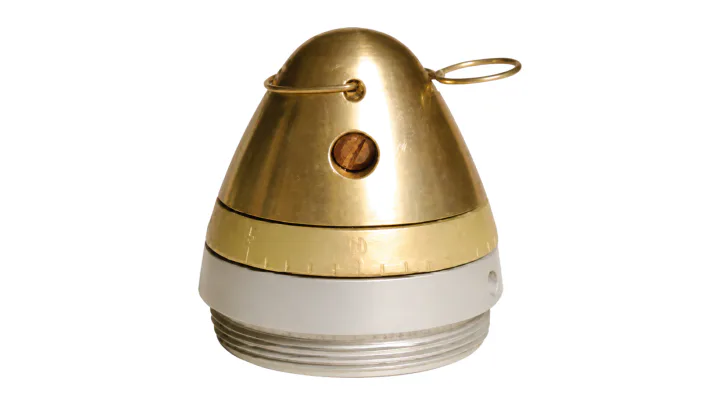
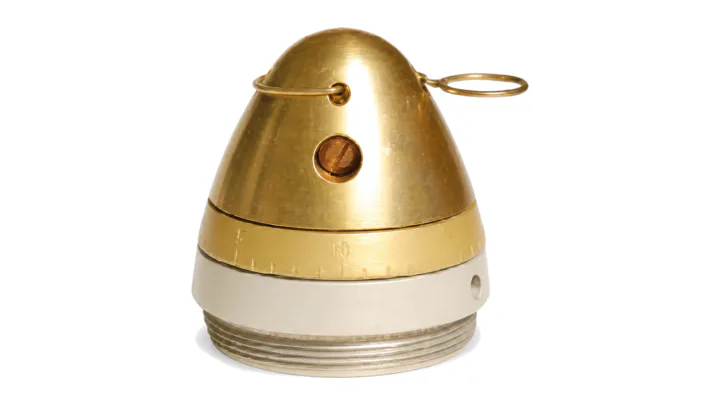
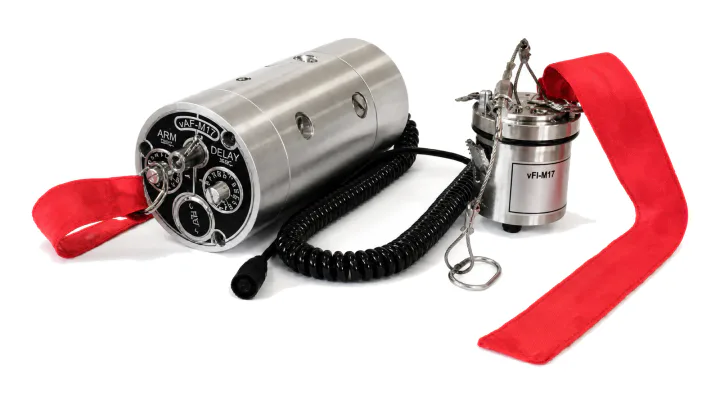
An inertial electro-mechanical aerial bomb fuze with a microcontroller and an interrupted explosive chain that keeps the detonator physically isolated until arming, paired with a top-mounted initiator, offering arming delays from 2 to 25 seconds and detonation delays from instantaneous to 1000 seconds.
A 30 mm high-explosive round for automatic grenade launchers (AGL-30 mm, BGA-30 mm, AGS-17, KBA-117 and similar weapons), intended for engaging ground targets in the open and in shelters at ranges up to 1700 m.
A 40 mm high-explosive bounding round for the GP-25 and GP-30 underbarrel grenade launchers that bounces and detonates in the air to increase fragment effect against personnel and against technical and material means.
A 40 mm round with a blasting bounding projectile designed for use against personnel in open and sheltered space, fired from the GP-25 and GP-30 under-barrel grenade launchers fitted to AK-pattern rifles (AK-74, AKS-74, AKM, AK-101) and to M21 rifles, directly from 50 to 400 m and indirectly on a curved trajectory from 200 to 350 m.
A 40 mm round with an incendiary projectile intended for setting fire to easily inflammable materials and for wounding personnel, its fragments of incendiary mixture acting at distances up to 5 m, fired from the 40 mm GP-25 under-barrel grenade launcher fitted to AK-pattern rifles (AK-74, AKS-74, AKM, AK-101) and to M21 rifles, directly from 50 to 400 m and indirectly on a curved trajectory from 200 to 350 m.
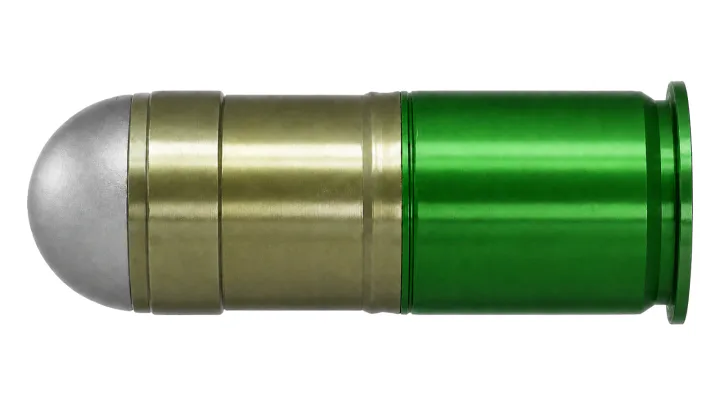
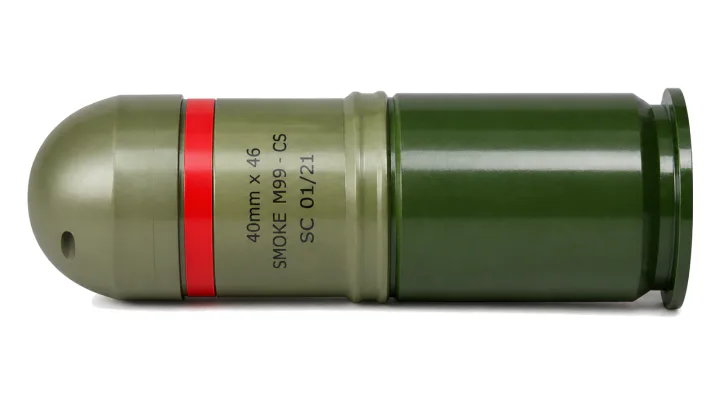
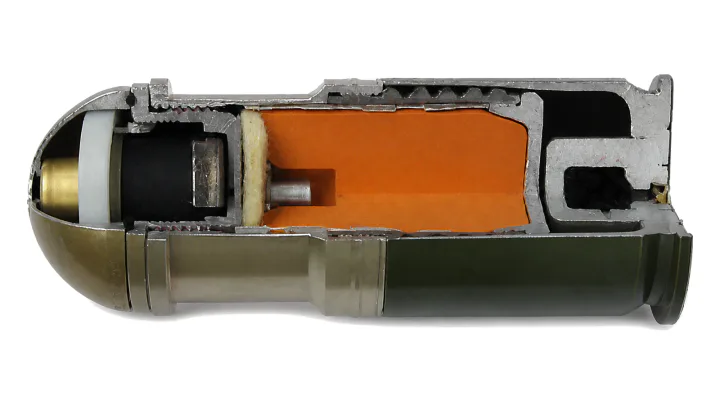
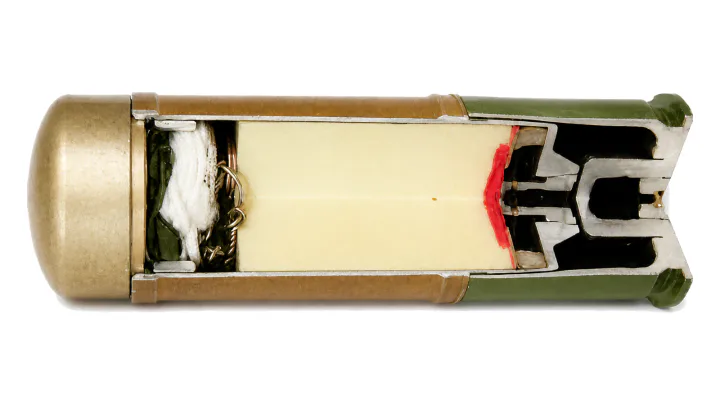
A 40 mm hand grenade with a three-part CS smoke charge burning for about 20 seconds, used by special forces of the army and the police for anti-terrorist actions and for preventing and disabling riots.
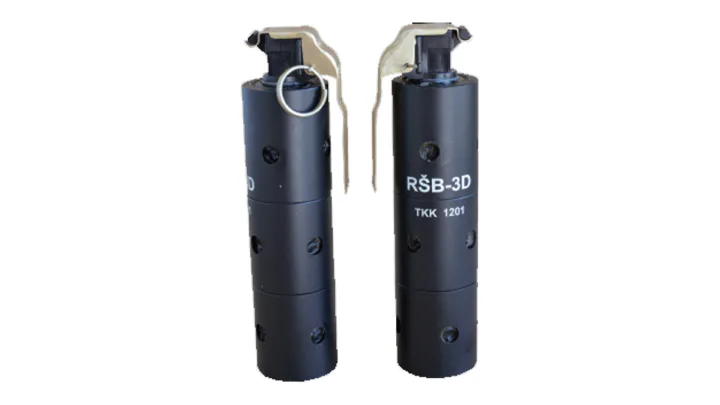
A 40 mm hand grenade with a three-part flash-bang charge that produces a 120 dB report and flash to temporarily disable people in enclosed and open areas, used by special military and police forces for anti-terrorist actions, riot control and the prevention of disorder.
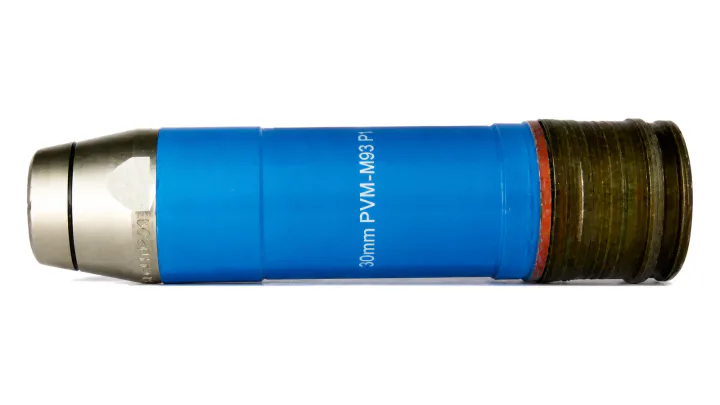
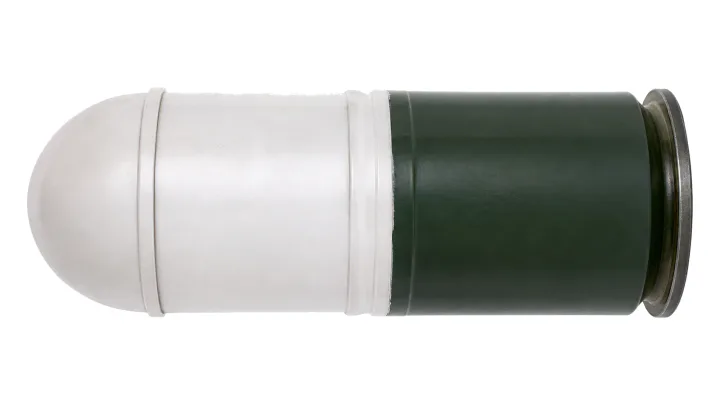
A 40 mm x 46 thermobaric round that acts with high temperature and a shock wave against personnel in shelters and in the open, and against light armoured and non-armoured vehicles.
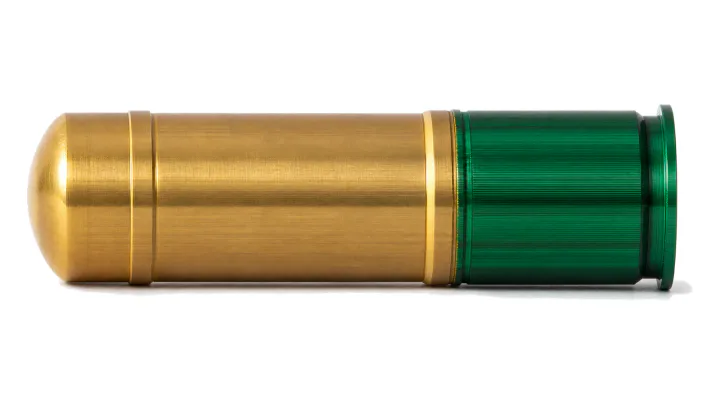
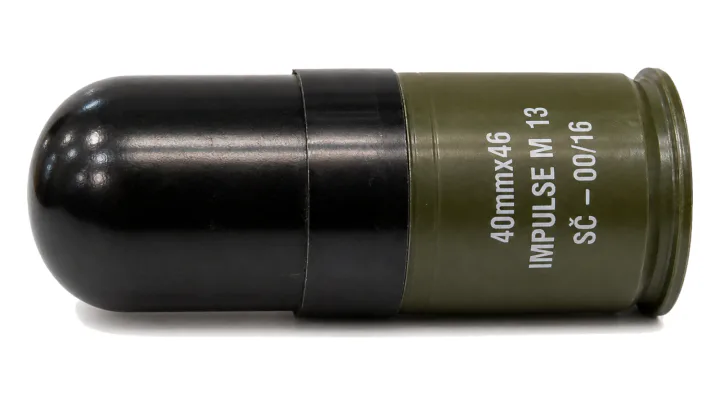
A 40 mm x 46 low-velocity high-explosive round with a self-destruct fuze, intended for firing from NATO-standard 40 mm low-velocity grenade launchers against targets in the open and in shelters at ranges from 50 m to 400 m.
A training-marking round whose orange marking powder breaks on hitting the target or the ground to show the hit location, used for training and determining firing procedures with 40x46 mm grenade launchers.
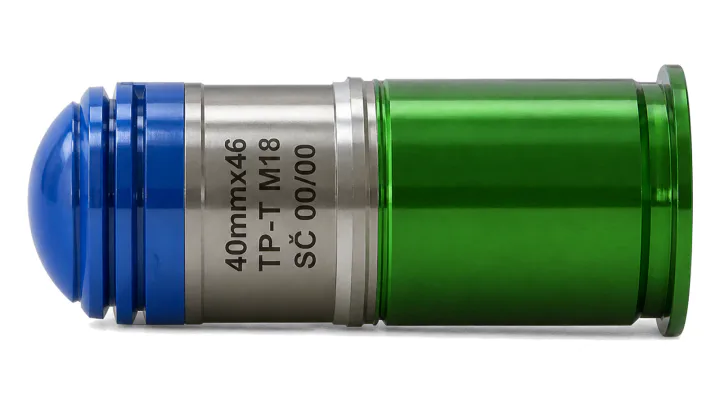
A training-practice round with tracer and orange marking powder that breaks on hitting the target or the ground to mark the hit location, used for training and determining firing procedures with 40x46 mm grenade launchers.
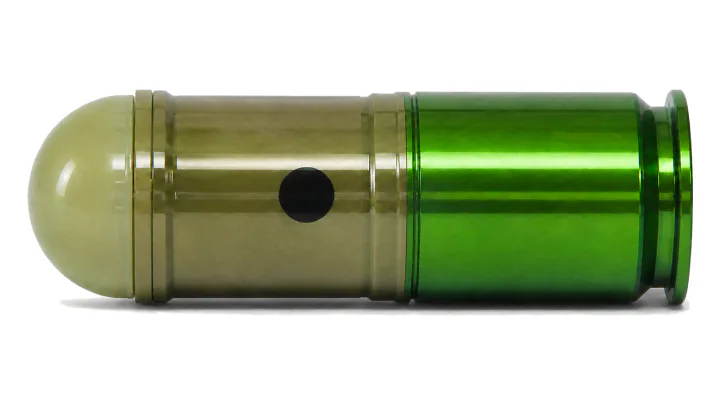
A 40 mm x 51 shrapnel round for the six-shot 40 mm/6 M11D multi-shot grenade launcher, carrying 160 heavy-metal pellets for use against personnel in shelters and in the open and against non-armoured objects on the ground and in the air between 25 m and 50 m.
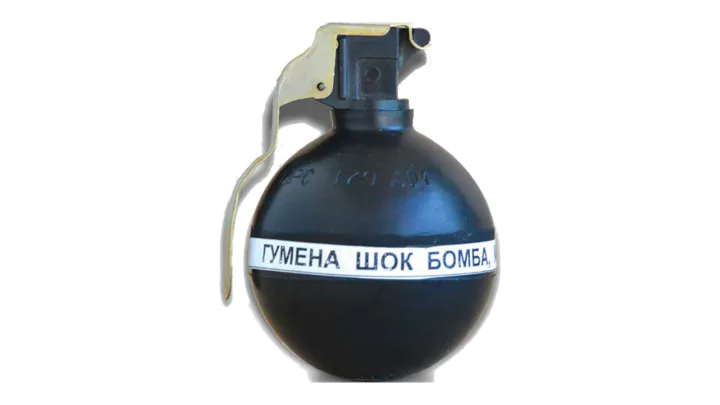
A 45 mm hand grenade producing a 120 dB report and flash to temporarily disable people in enclosed and open areas, used by special military and police forces for anti-terrorist actions, riot control and the prevention of disorder.
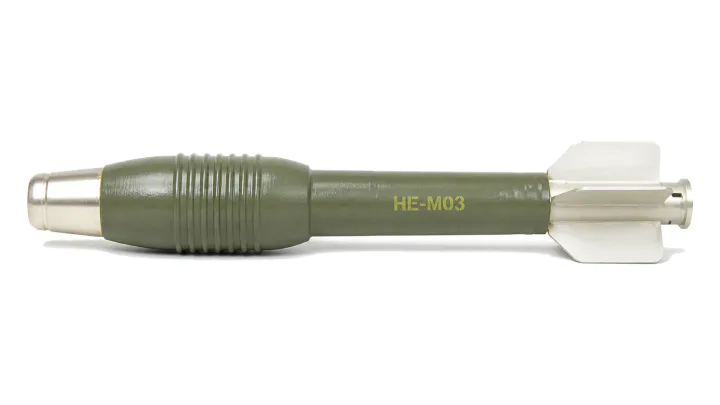
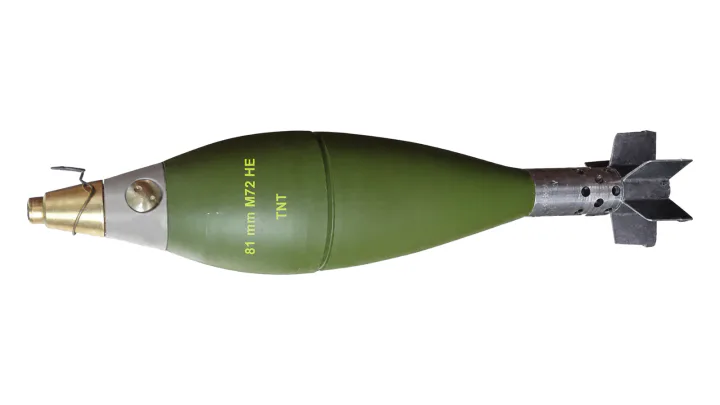
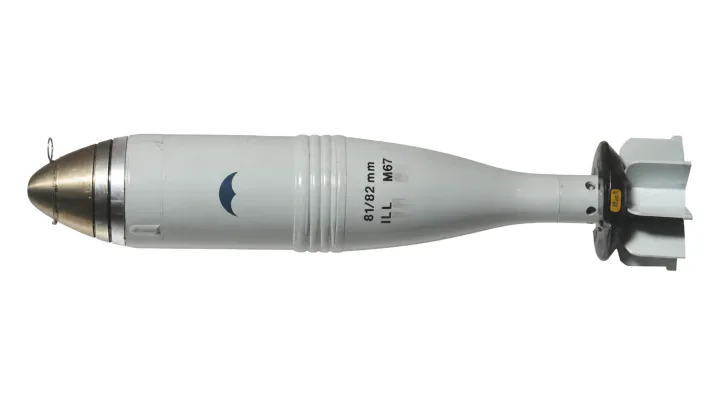
81 mm smoke grenade GD2 that after a delay of about 9.5 seconds emits smoke for 100 seconds, building a screen 3 to 10 m high and 10 to 30 m across at ranges up to 250 m.
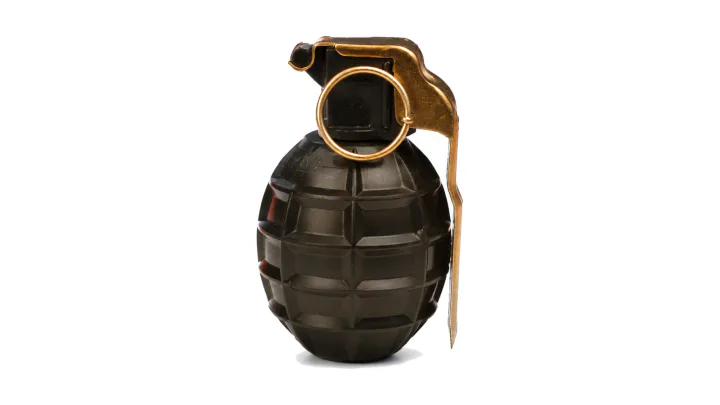
M-75 fragmentation hand grenade with a 36 g plastic-explosive charge, a plastic body containing 2.5–2.9 mm steel balls and a mechanical 3–4,4 s delay fuze.
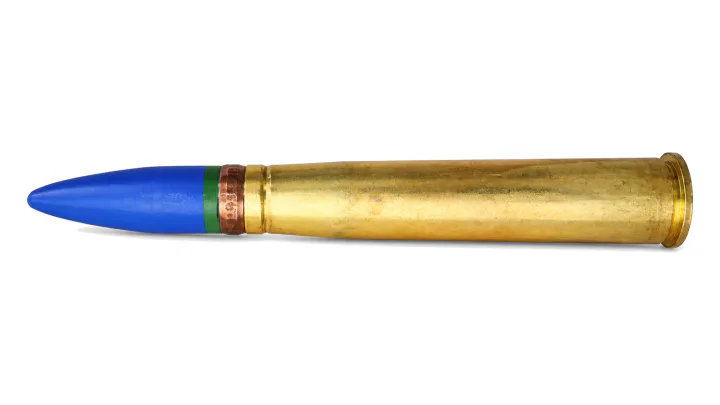
A 20 mm x 110 armour-piercing incendiary round for the 20 mm M55, HS 404 Hispano and HS 804 Hispano anti-aircraft guns, consisting of a brass cartridge case with percussion gun primer, propellant charge and an API projectile filled with incendiary composition.
Round consisting of a brass cartridge case with a percussion gun primer, propellant charge and an armour-piercing incendiary tracer projectile filled with incendiary and tracer compositions, with a tracer burning at least 2 seconds.
A 20 mm x 110 training round for the 20 mm subcalibre training barrels M78 and M79 fitted to larger weapons, whose projectile is loaded with flash composition and fitted with a point-detonating fuze with mechanical self-destruction.
A 20 mm x 110 training tracer round for the 20 mm subcalibre training barrels M78 and M79 fitted to larger weapons, whose projectile is loaded with flash and tracer composition and fitted with a point-detonating fuze with mechanical self-destruction.
A 20 mm x 110RB target practice round made up of a brass cartridge case with a percussion gun primer, a propellant charge and a target practice projectile, for the 20 mm MK-IV Oerlikon antiaircraft gun.
A 23 mm x 115 armour-piercing incendiary tracer round for aircraft guns, made up of a brass cartridge case with a percussion gun primer, a propellant charge and an armour-piercing projectile filled with incendiary and tracer composition.
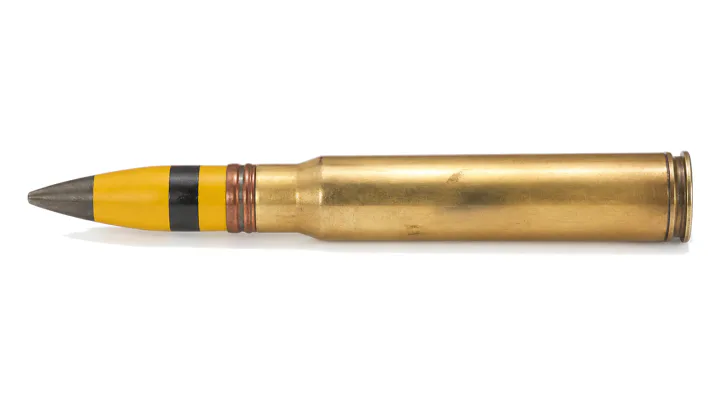
A 23 mm x 115 round for aircraft guns, made up of a brass cartridge case with a percussion gun primer, a propellant charge and a high-explosive tracer projectile with a point-detonating fuze; the HEI-T variant is loaded with explosive-incendiary and tracer composition.
A 23 mm x 115 target practice round for aircraft guns, made up of a brass cartridge case with a percussion gun primer, a propellant charge and a target practice projectile.
A 23 mm x 115 target practice tracer round for aircraft guns, made up of a brass cartridge case with a percussion gun primer, a propellant charge and a target practice projectile filled with tracer composition.
An armour-piercing incendiary round for the 23 mm ZU-23-2 and ZSU-23-4 antiaircraft guns, comprising a steel cartridge case with percussion gun primer, propellant charge and an incendiary-filled armour-piercing projectile.
A 23 mm x 152B round for antiaircraft guns, made up of a steel cartridge case with a percussion gun primer, a propellant charge and a high-explosive tracer projectile fitted with a point-detonating fuze with mechanical self-destruction; the HEI-T variant is loaded with explosive-incendiary and tracer composition.
A target practice round for the 23 mm ZU-23-2 and ZSU-23-4 antiaircraft guns, consisting of a steel cartridge case with percussion gun primer, propellant charge and a target practice projectile.
A non-lethal blank round for the 23 mm ZU-23-2 antiaircraft gun, made up of a steel cartridge case with percussion gun primer and a specially designed propellant charge that ensures proper gun functioning, intended for realistic force-on-force training and firearm familiarisation at low cost.
A 30 mm x 165 armour-piercing hard-core tracer round for the 2A42, 2A72 and 2A38M antiaircraft guns, with a tungsten carbide core giving double the penetration of older-generation armour-piercing projectiles.
A 30 mm x 165 round in an early development phase, consisting of a steel cartridge case with a percussion gun primer, propellant charge and a fragmenting armour-piercing projectile that acts as a penetrator with enhanced lateral effect.
A 30 mm x 165 target practice round for the 2A42, 2A72 and 2A38M antiaircraft guns, consisting of a steel cartridge case with percussion gun primer, propellant charge and a target practice projectile.
A 30 mm x 173 armour-piercing round for the MK30-2 gun and the domestic 30 mm TA M12 gun, consisting of a steel cartridge case with percussion gun primer and booster, propellant charge and an armour-piercing projectile.
A 30 mm x 173 armour-piercing fin-stabilised discarding sabot tracer round, still in the development phase, whose sub-calibre tungsten alloy penetrator is launched by a lightweight discarding sabot, for the MK30-2 gun and the domestic 30 mm TA M12 gun.
A 30 mm x 173 armour-piercing high-explosive incendiary round with a hard-core penetrator and an impact base fuze with delay action, for the MK30-2 gun and the domestic 30 mm TA M12 gun.
30x173 mm high-explosive round, 357 g projectile with approx. 36.9 g explosive at 1100 m/s, self-destructing fuze, for the MK30-2 and 30 mm TA M12 guns.
A 30 mm x 173 high-explosive tracer round for the MK30-2 gun and the domestic 30 mm TA M12 gun, fitted with a point-detonating fuze with delayed action and pyrotechnical self-destruction; the HEI-T version is loaded with explosive-incendiary and tracer compositions.
A 30 mm x 173 target practice round for the MK30-2 gun and the domestic 30 mm TA M12 gun, consisting of a steel cartridge case with percussion gun primer and booster, propellant charge and a target practice projectile.
A 30 mm x 173 target practice tracer round for the MK30-2 gun and the domestic 30 mm TA M12 gun, whose low-cost training projectile is a steel shell body with tracer composition and a dummy fuze.
A 40 mm x 311 target practice round for the 40 mm L/60 anti-aircraft gun, consisting of a brass cartridge case with percussion gun primer, propellant charge and a target practice projectile.
An anti-drone round for the 40 mm L/70 gun consisting of a brass cartridge case with percussion gun primer, propellant charge and an AHEAD projectile filled with steel rollers released by a small ejection charge, fitted with a point-detonating remote-settable electronic time fuze with electronic self-destruction.
An anti-drone round for the 40 mm L/70 gun, made up of a brass cartridge case with percussion gun primer, propellant charge and a pre-fragmented high explosive projectile lined with tungsten balls, fitted with a point-detonating remote-settable electronic time fuze with electronic self-destruction.
A 57 mm x 438 high-explosive round for the 57 mm L/70 Bofors antiaircraft gun, consisting of a brass cartridge case with electrical gun primer, propellant charge and an HE projectile fitted with a point-detonating fuze.
A 57 mm x 438 pre-fragmented high-explosive round for the 57 mm L/70 Bofors antiaircraft gun, with a brass cartridge case, electrical gun primer, propellant charge and a projectile lined with tungsten balls, loaded with explosive composition and fitted with a proximity fuze with electronic self-destruction.
A 57 mm x 438 target practice round for the 57 mm L/70 Bofors antiaircraft gun, consisting of a brass cartridge case with electrical gun primer, propellant charge and a target practice projectile.
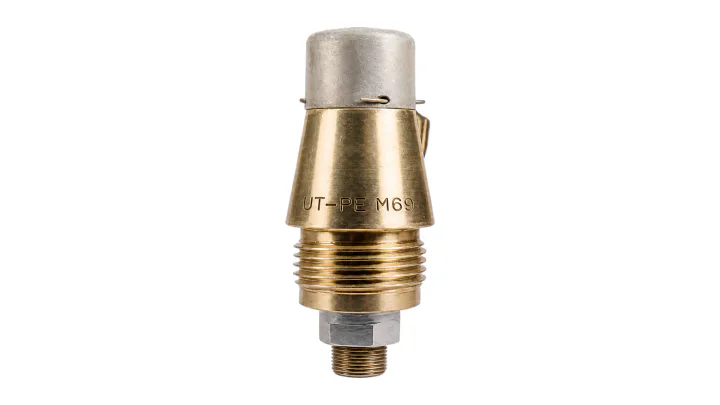
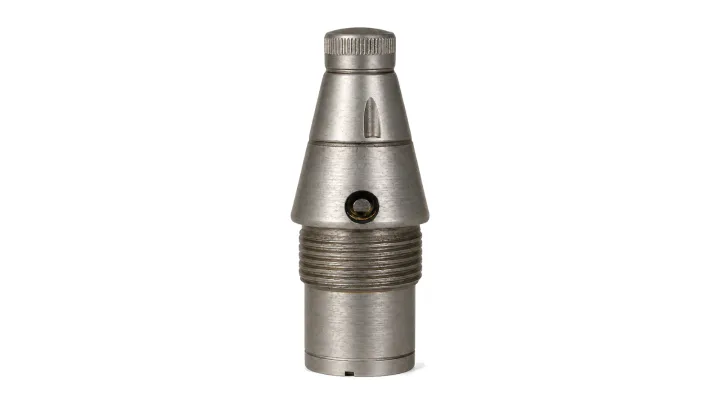
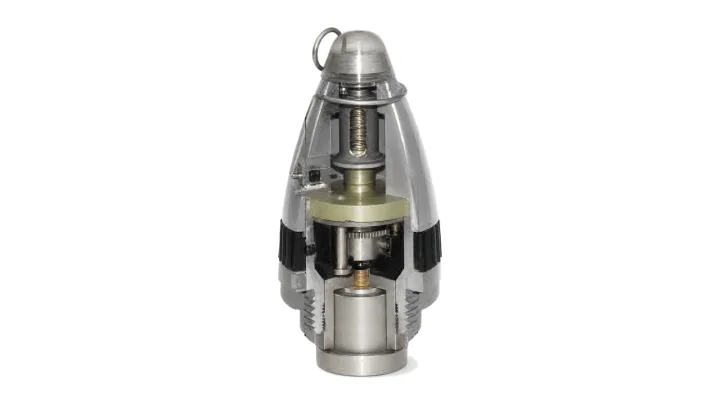
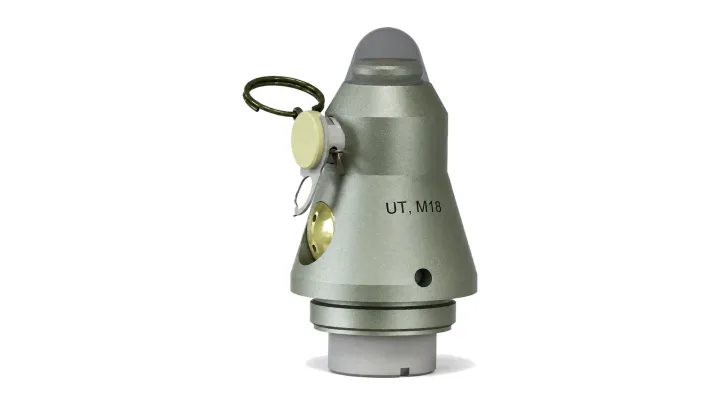
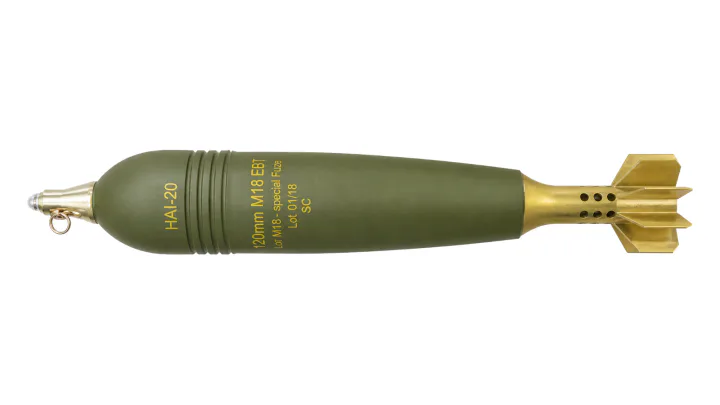
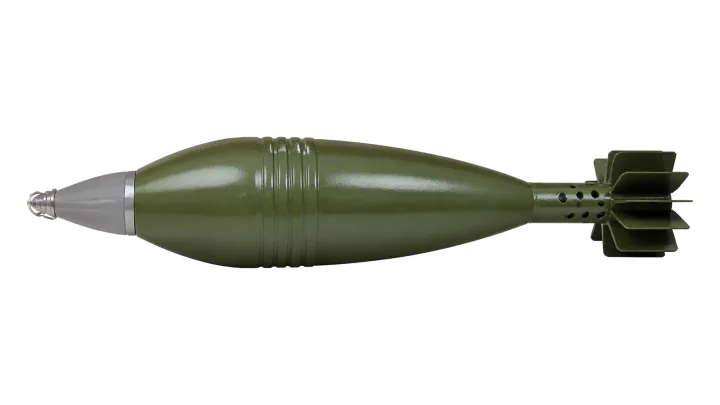
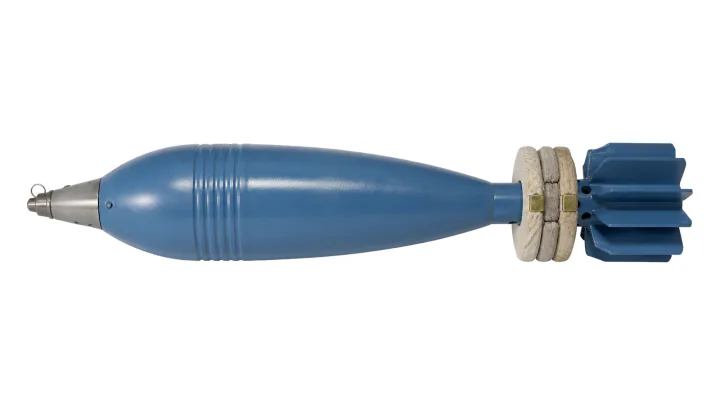
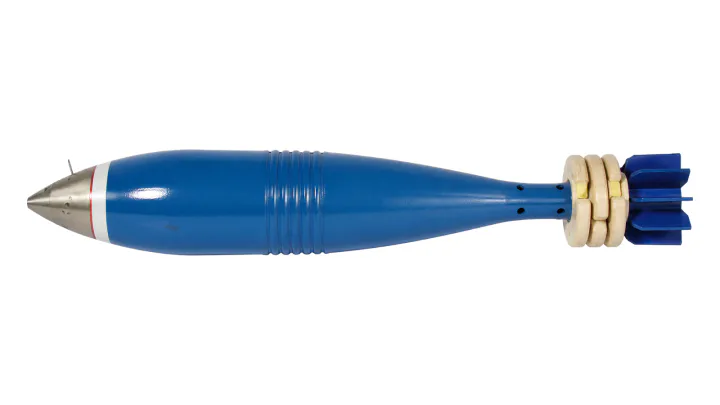
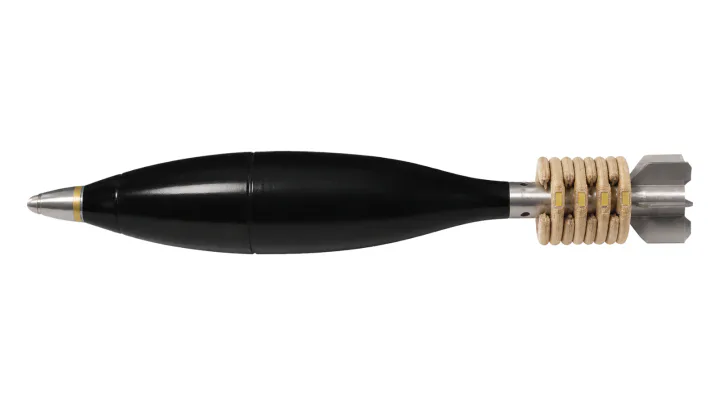
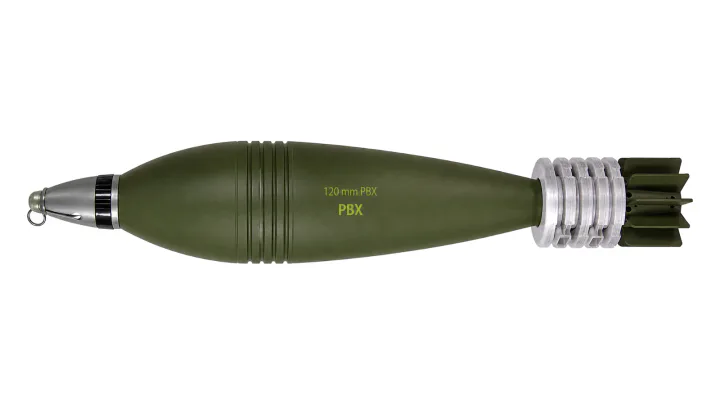
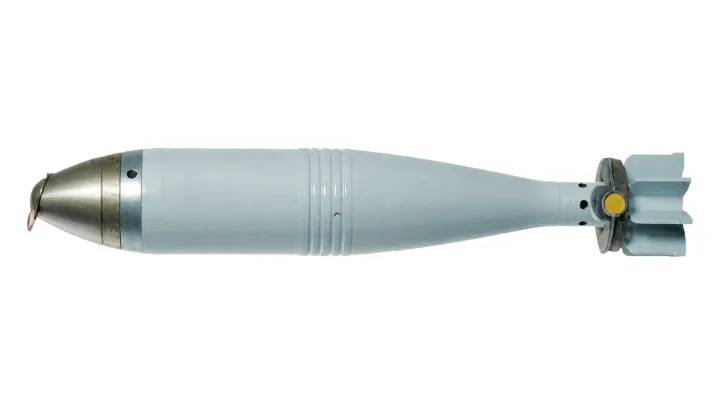
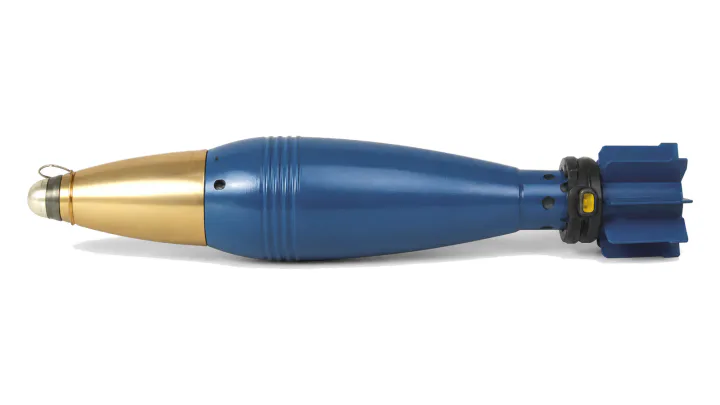
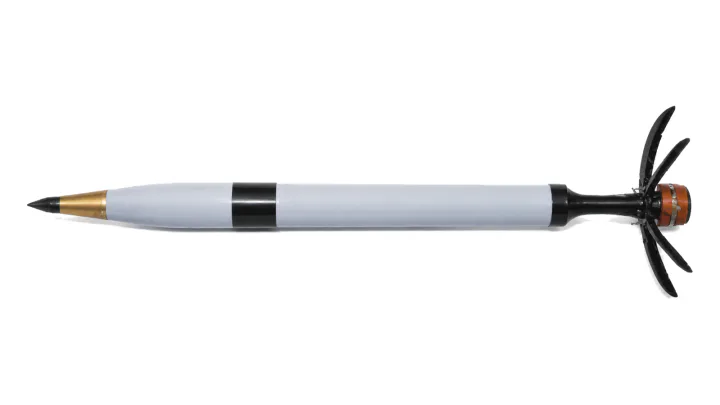
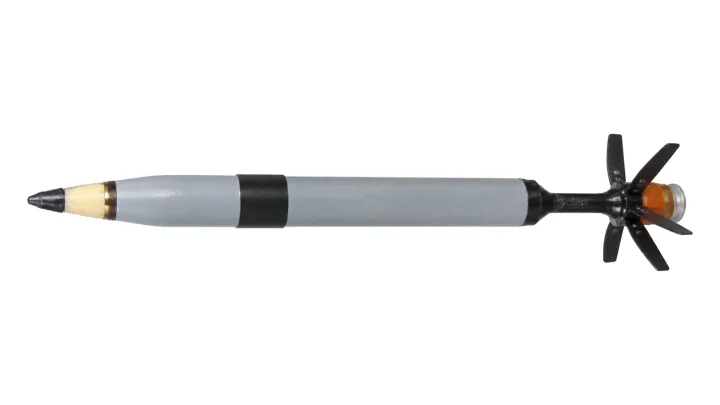
High-explosive 120 mm bomb for destroying different targets on the ground, consisting of a body filled with high explosive, a stabilizer and the special fuze UT M18.
Shipborne 20 mm gun mount intended for close air-defence protection of small ships against low-flying, low-speed aircraft and helicopters, and usable in day and night conditions against small ships, patrol boats, land facilities, motor vehicles and troops.
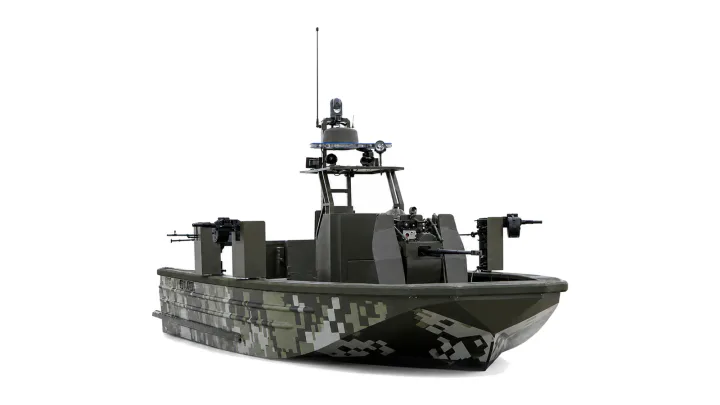
A high-performance marine-grade aluminium craft for anti-terrorist, anti-guerilla and anti-piracy policing as well as special forces landing and diver transport, carrying 6 to 8 crew plus 4 to 8 divers at 40 to 45 knots.
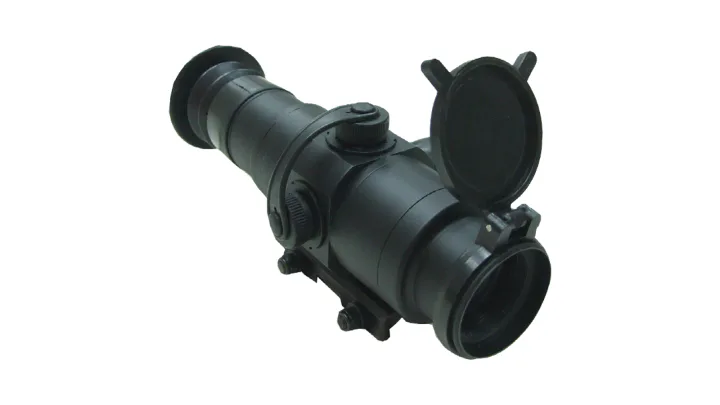
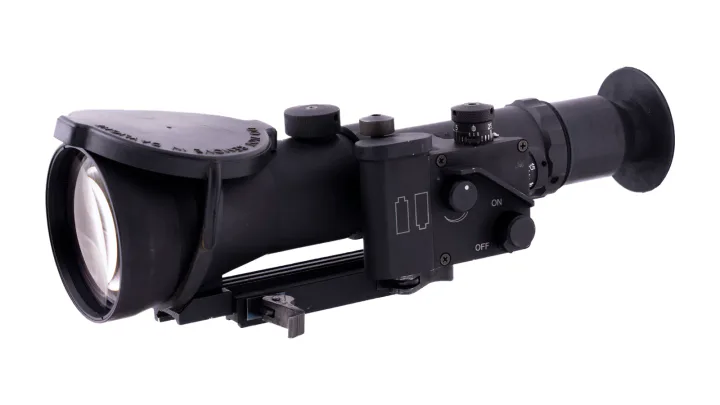
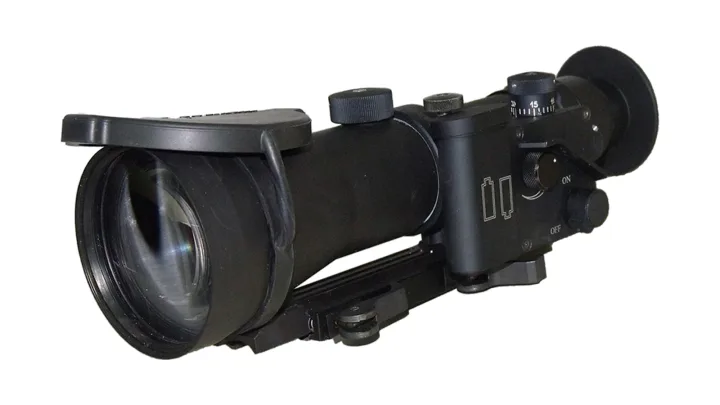
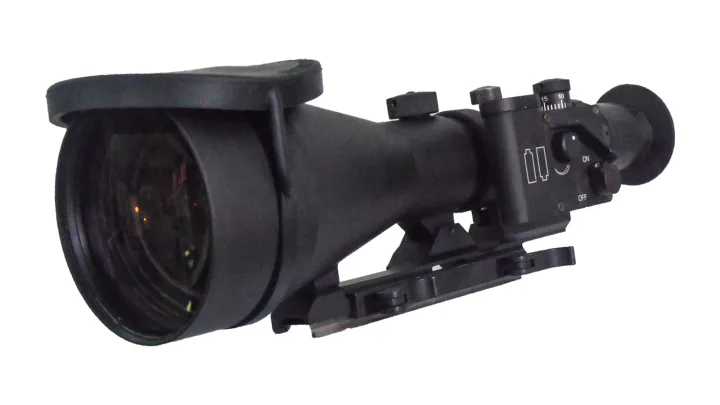
Optical sight for engaging fixed and moving targets with a 5.56 mm automatic rifle at ranges up to 500 m, by day, in low visibility and against visible targets at night.
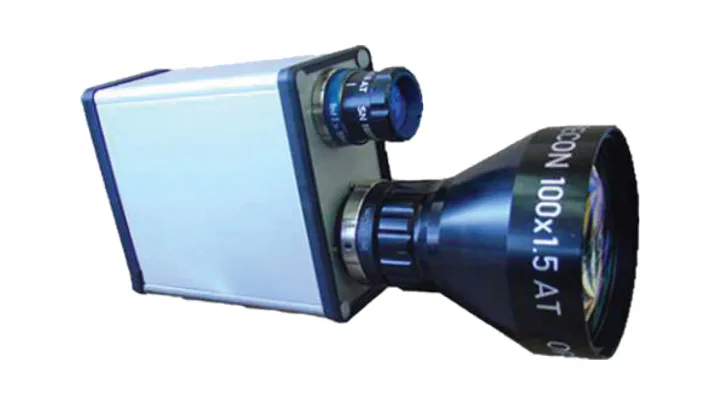
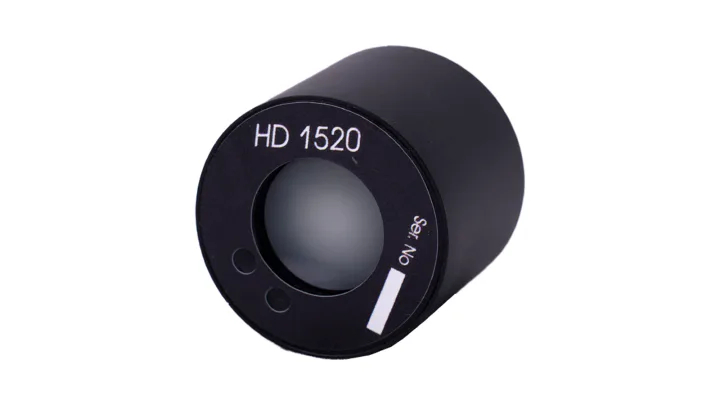
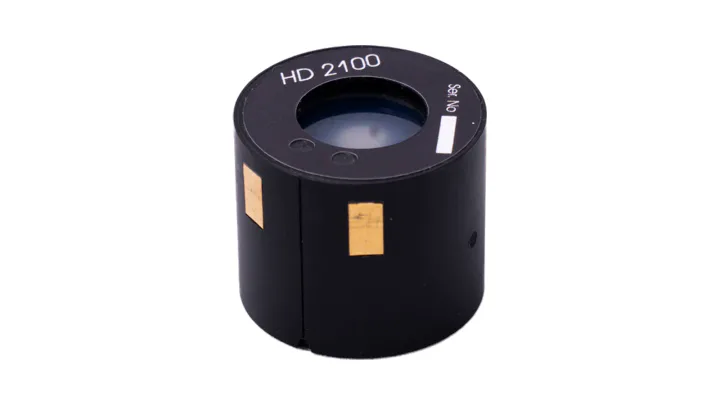
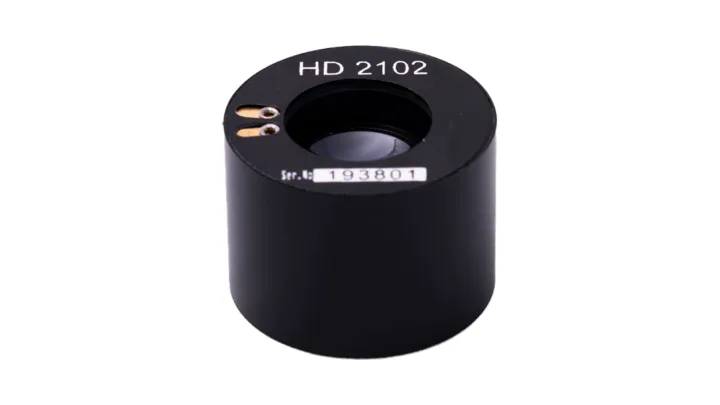
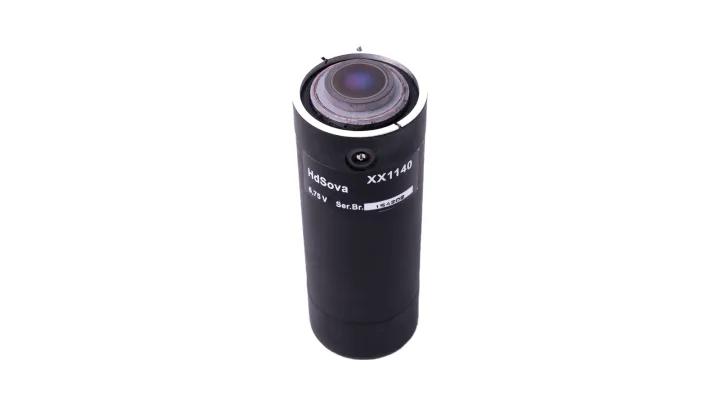
Range-gated imaging device combining image intensifier, laser illuminator and nanosecond gating to deliver Full HD imagery and range-to-target by time of flight.
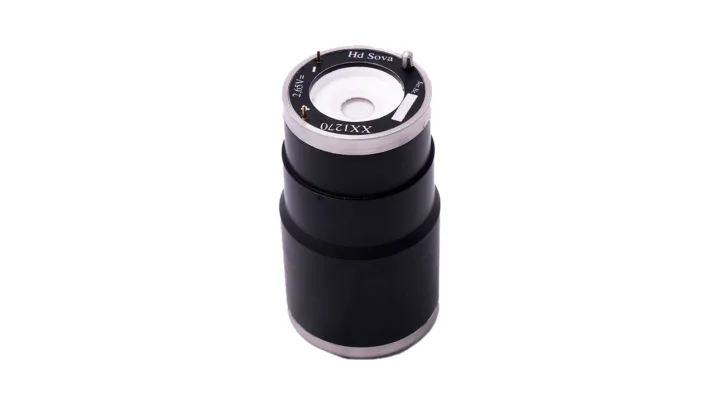
Single stage electrostatically focused image intensifier with 40 mm useful diameter for the AN/VSG-2 tank system, powered from an external high voltage supply.
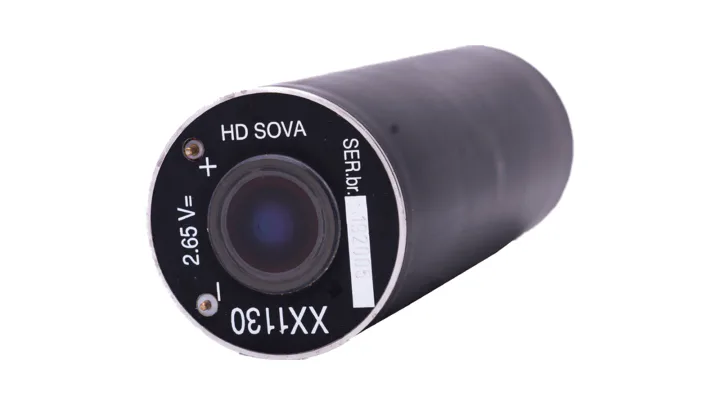
Image intensified day and night camera for round-the-clock observation from 10E-4 lux to 10E4 lux, usable standalone or as a module in a larger camera system.
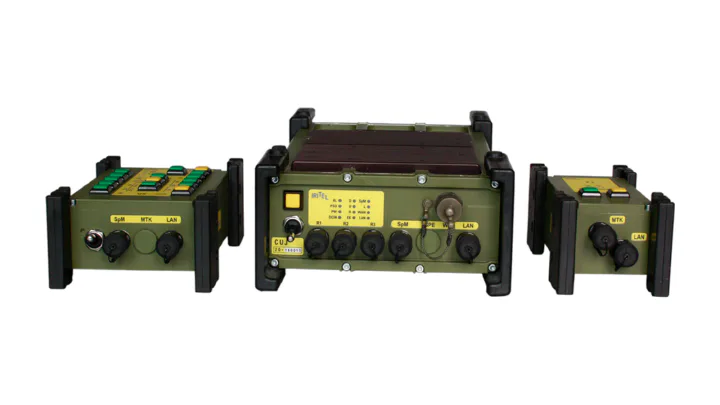
An integrated vehicle communication system combining VoIP telephony, FXO and FXS lines, radio gateways, serial data links and the command post network, built from a central management unit, operator units and user units.
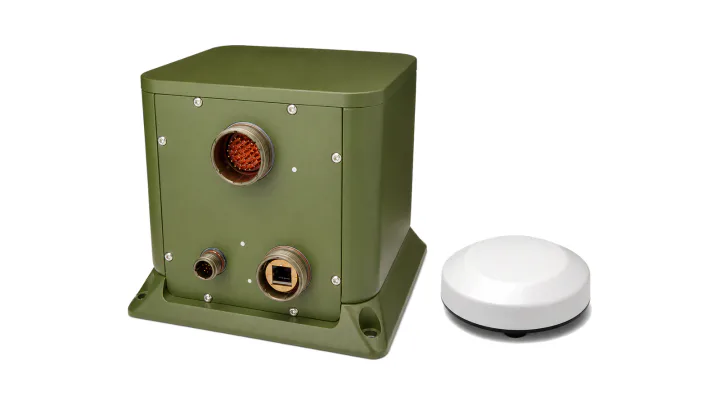
An inertial navigation system that provides continuous, instant-on position and orientation for 155 mm howitzers, with 0.5 mils rms heading accuracy and 0.2 mils rms roll and pitch accuracy, mountable in any orientation and paired with a GPS receiver accurate to under 0.5 m in DGPS mode.
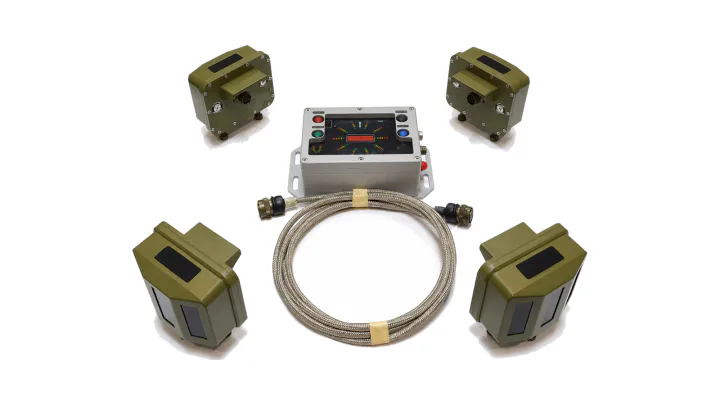
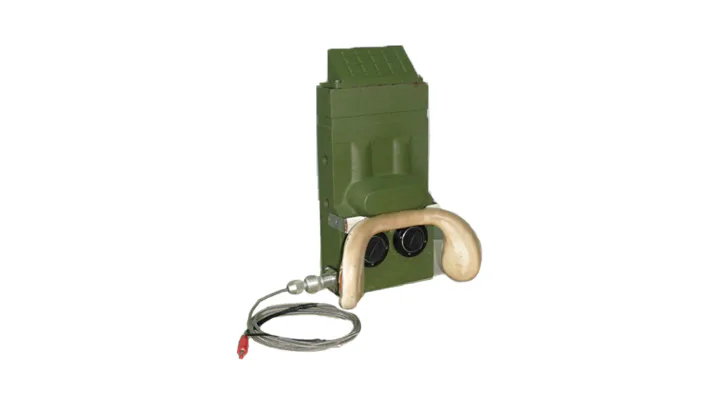
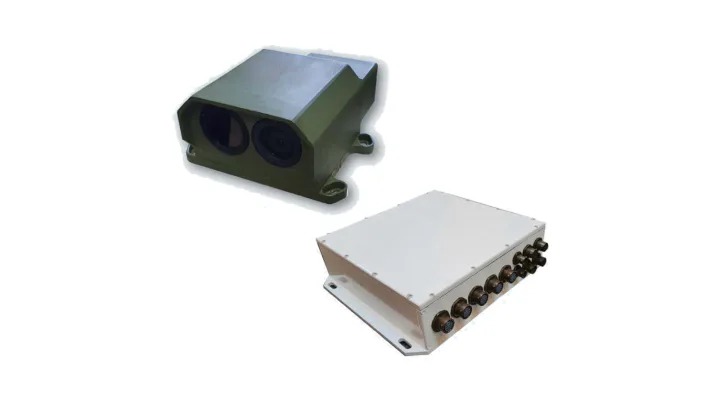
Vehicle laser warning system detecting direct and indirect irradiation from rangefinders, designators and beam riders, with audio and visual alarm outputs.
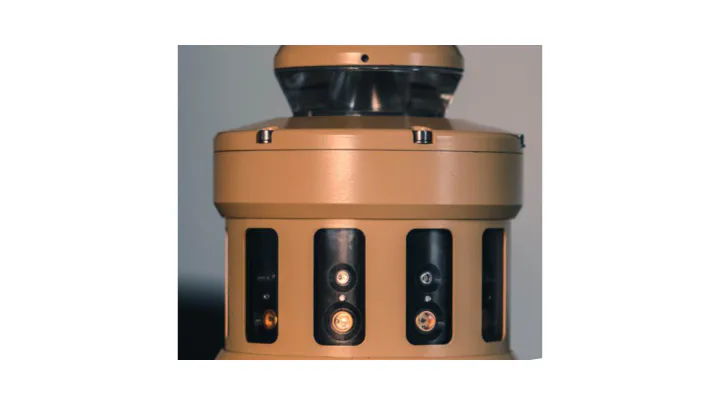
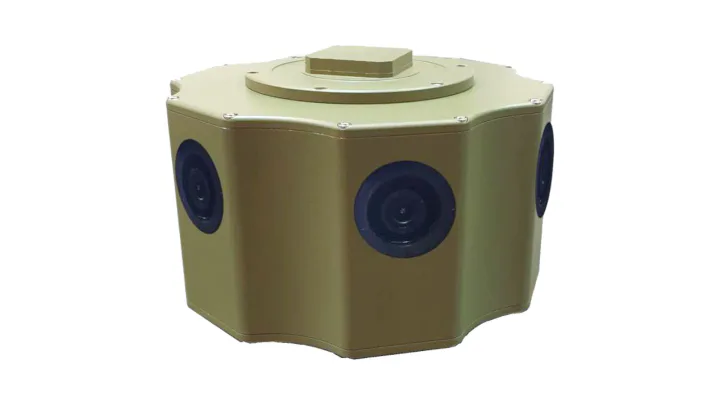
Vehicle laser warning system of four detector heads and a central unit giving hemispherical coverage against rangefinders, designators, beam riders and dazzlers.
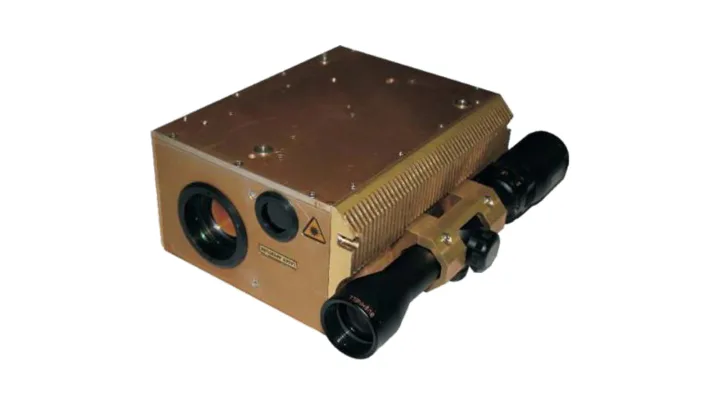
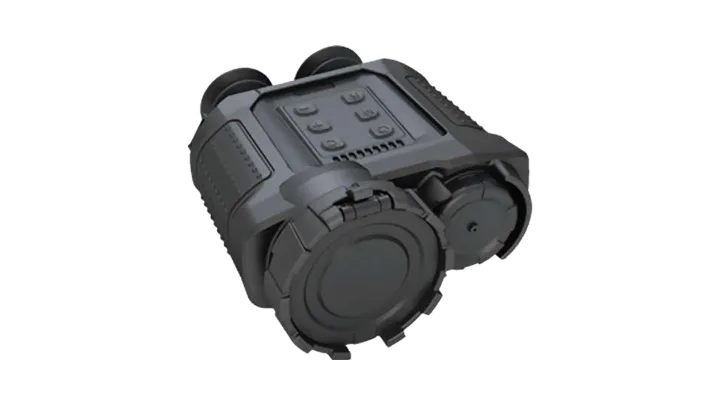
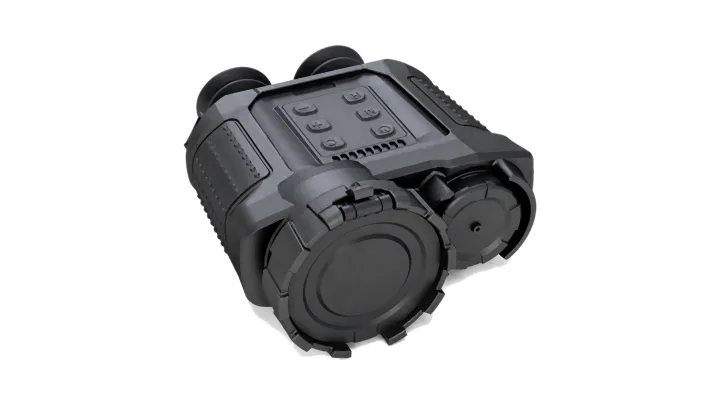
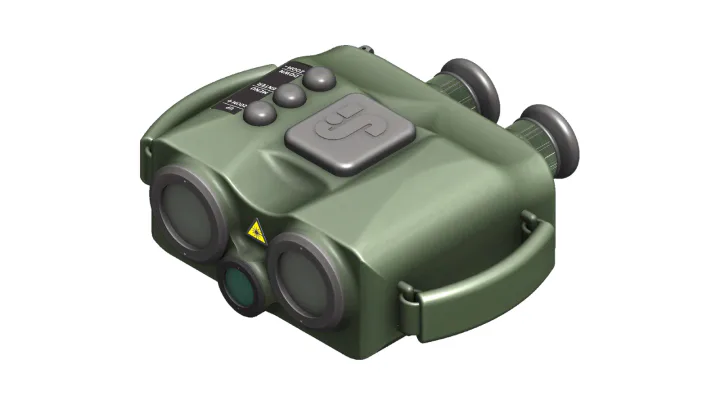
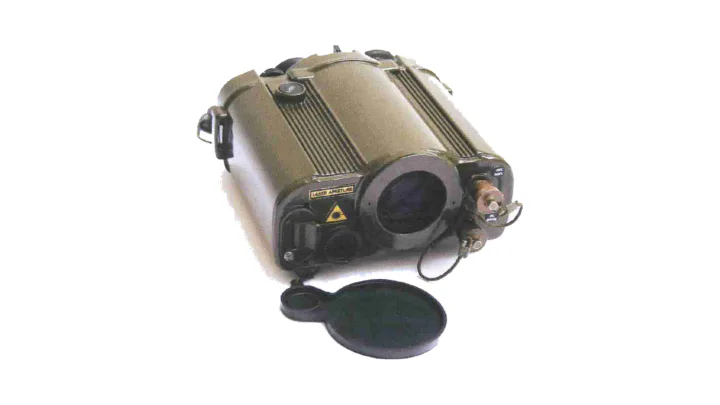
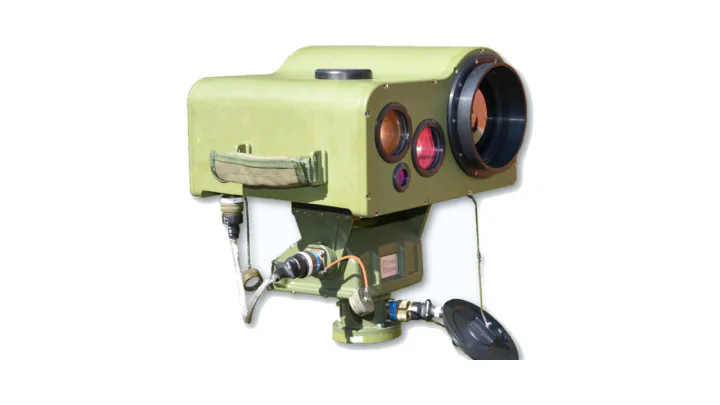
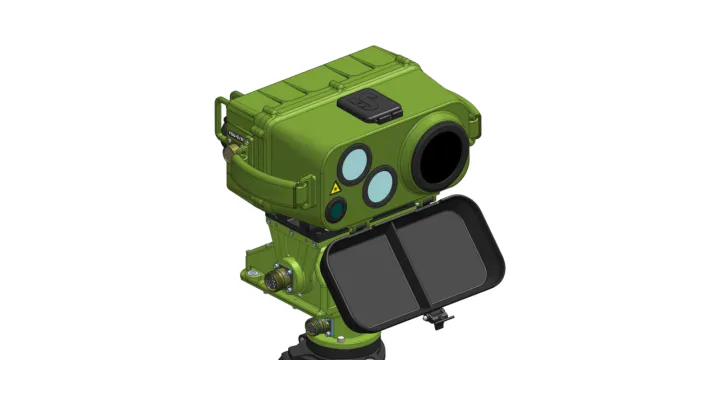
Eye-safe erbium glass handheld rangefinder binocular measuring to 20 km by time-of-flight, with GPS receiver, digital magnetic compass and optical sight.
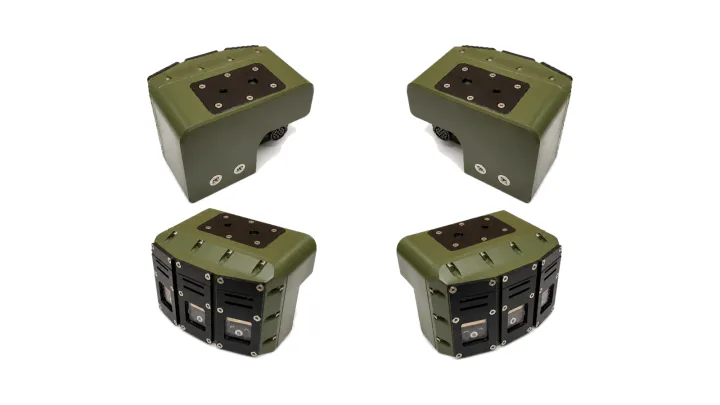
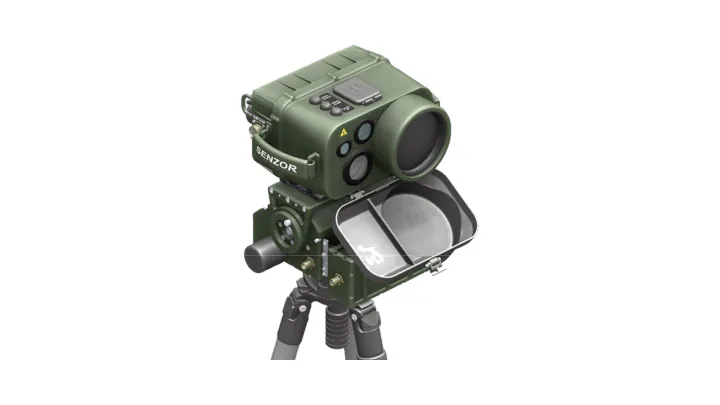
Remotely controlled multisensor head with thermal camera, daytime camera and eye-safe laser rangefinder for real time observation and target position measurement.
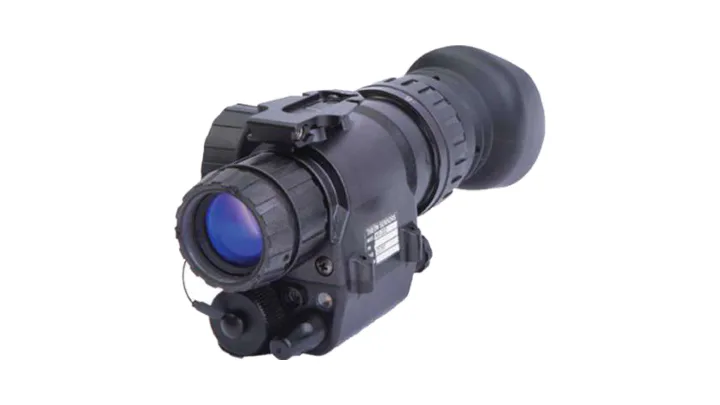
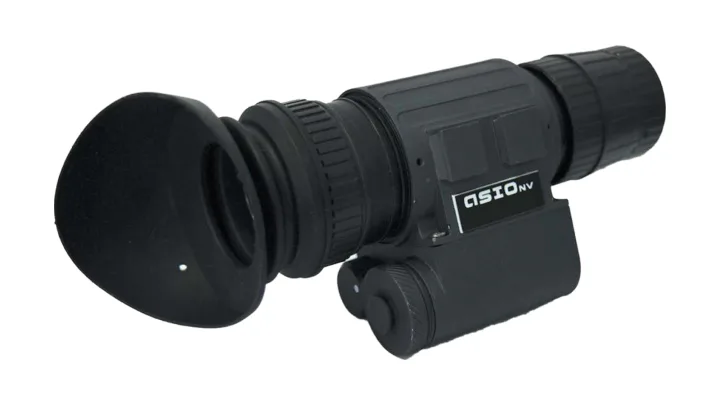
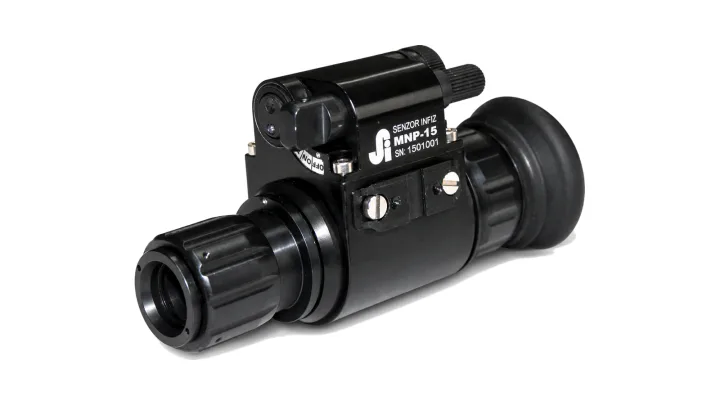
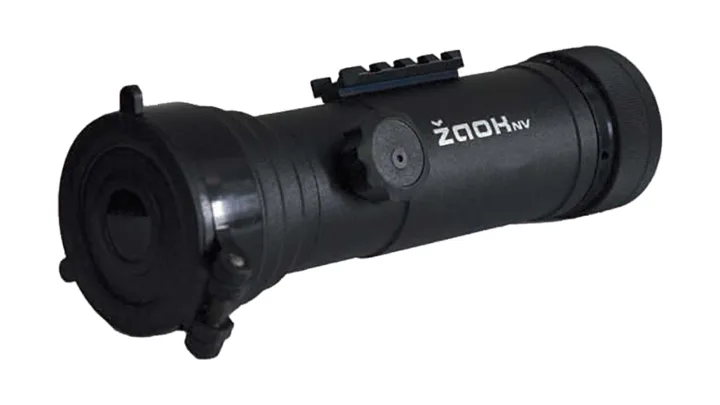
Single tube night vision monocular with auto-gated tube, automatic brightness control and built-in infrared LED illuminator, offered in three tube grades.
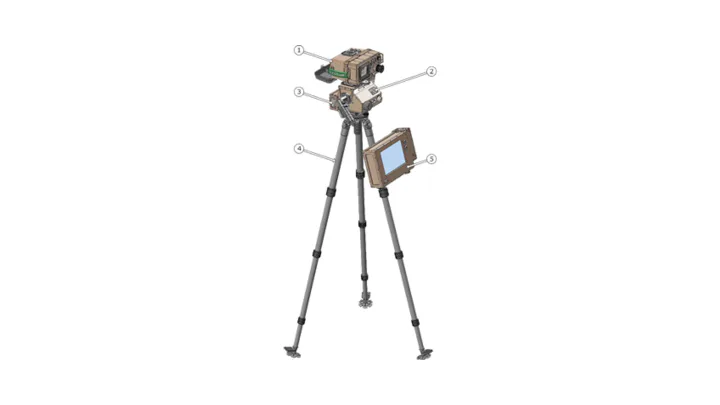
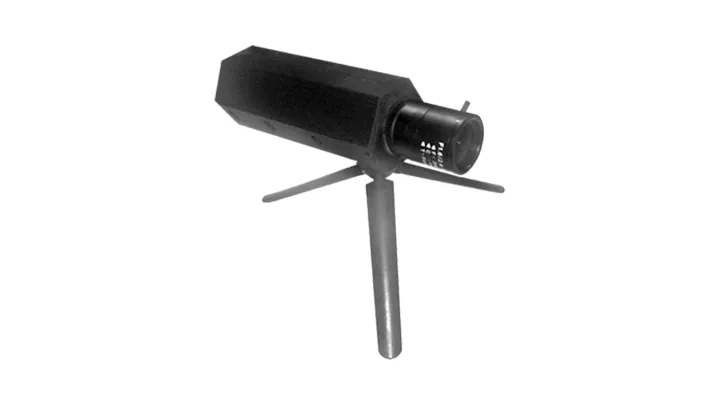
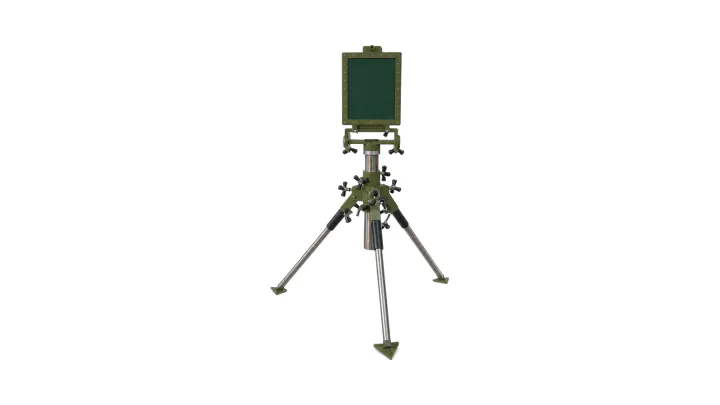
A radar system for precise measurement of projectile muzzle velocity, intended primarily for 155 mm and 122 mm self-propelled artillery weapons but applicable to other self-propelled or towed artillery, integrated into the weapon or mounted on a tripod.
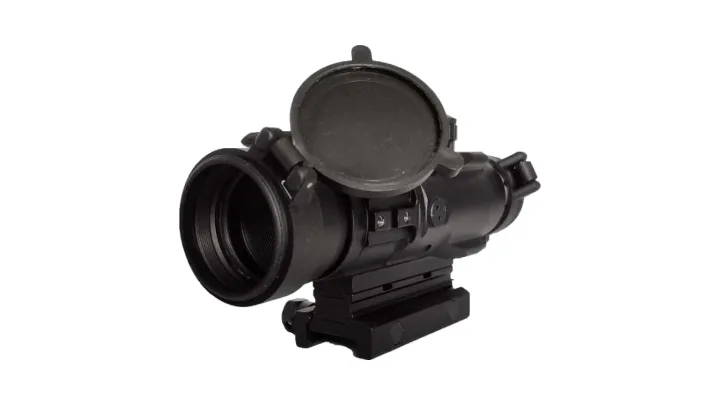
Military prismatic x3 day sight with wide field of view, Picatinny mounted, with illuminated reticle, flip-up covers and an upper rail for a reflex sight.
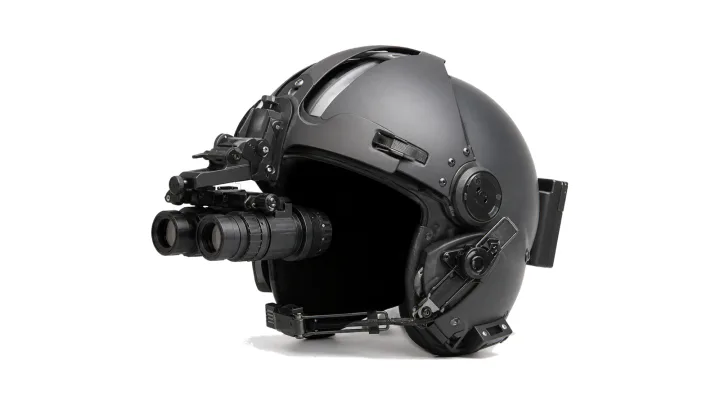
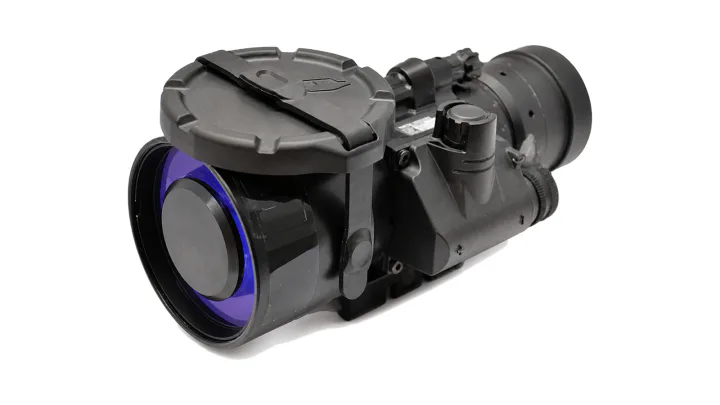
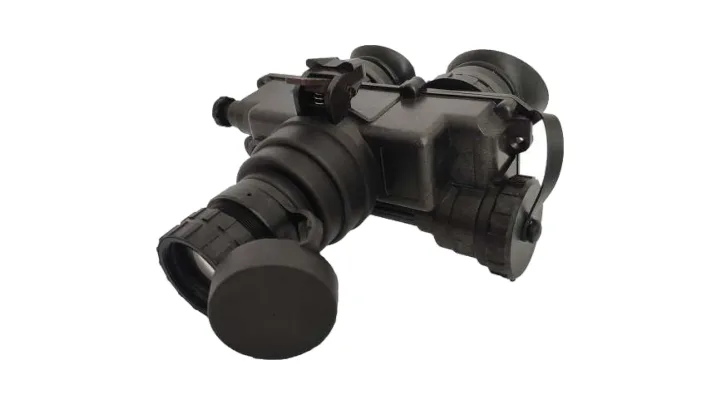
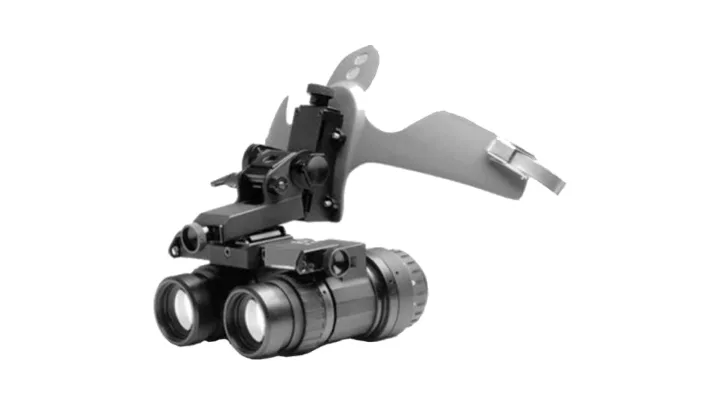
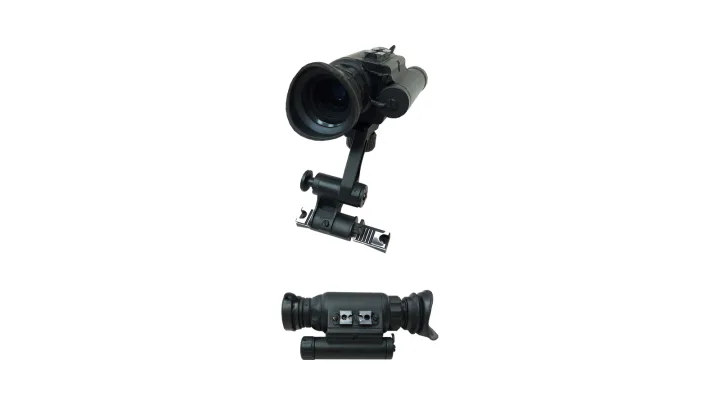
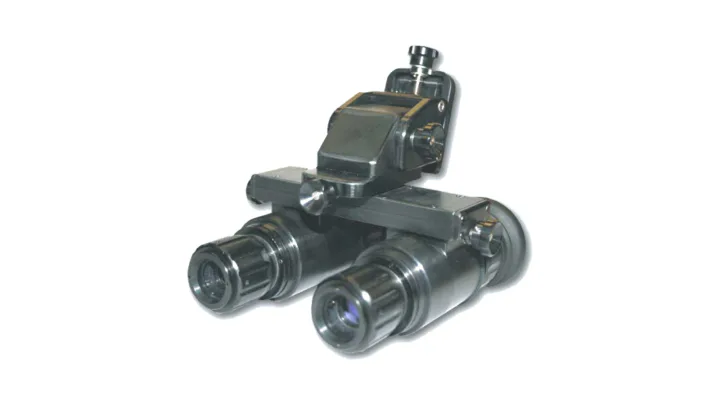
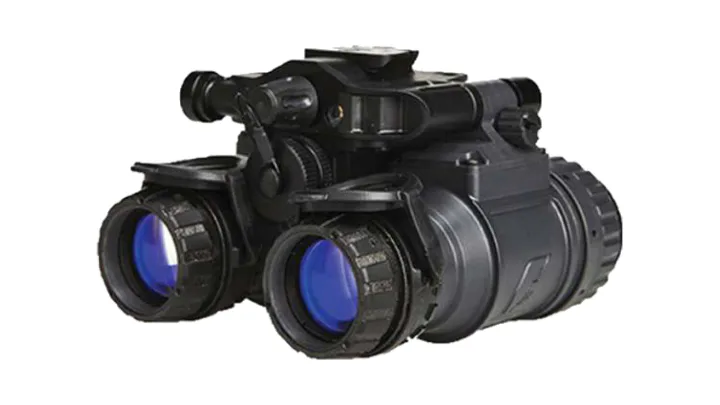
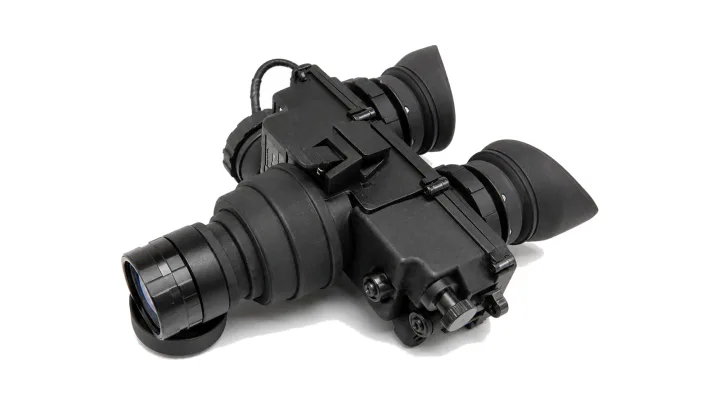
Dual tube night vision binocular with integrated infrared illuminator and individually flip-away monoculars, operated helmet, head mounted or hand-held.
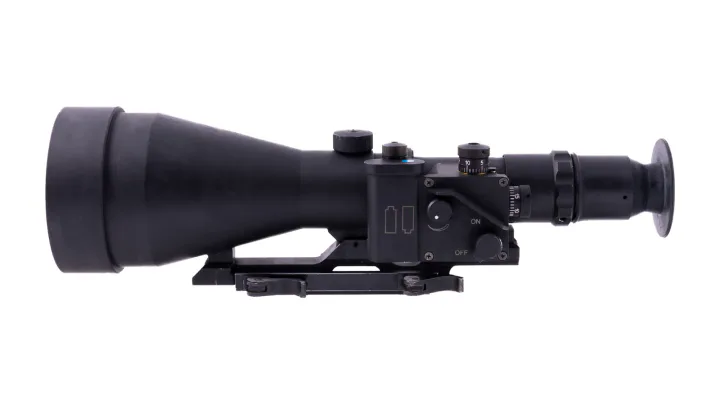
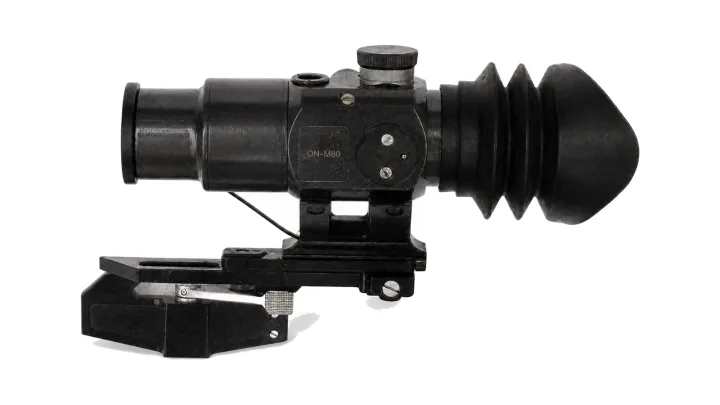
Optical sighting device used for aiming at mobile and stationary targets when firing the 44 mm hand launcher M80 and for detecting sources of infrared radiation, with a tritium illuminated reticle that enables night sighting.
Single tube night vision goggle for observation, surveillance and land navigation, hand-held or head-mask worn, with built-in IR illuminator and ABC/BSP.
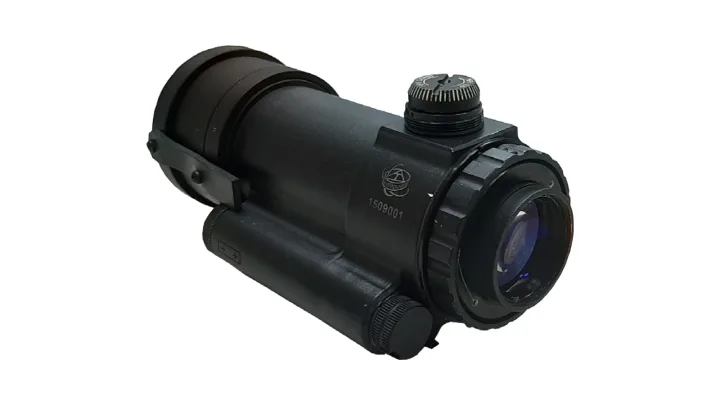
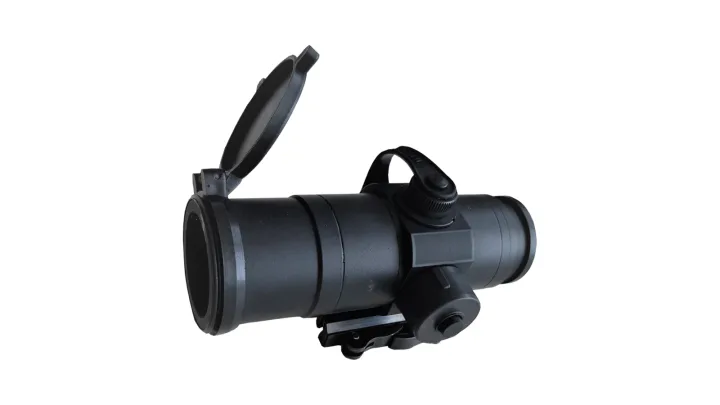
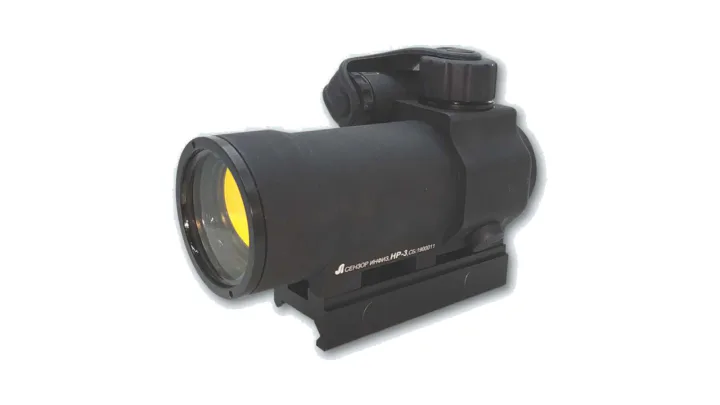
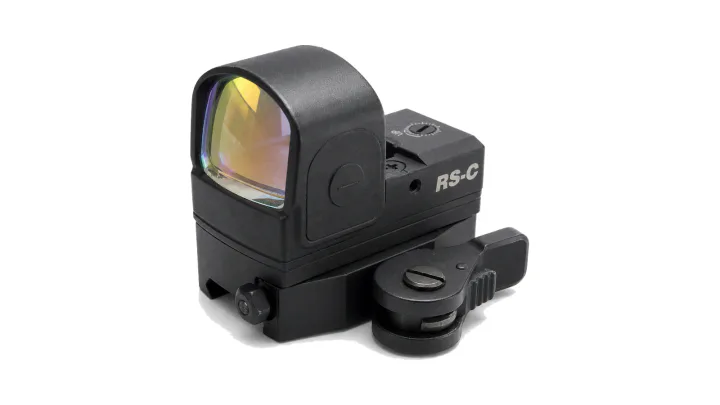
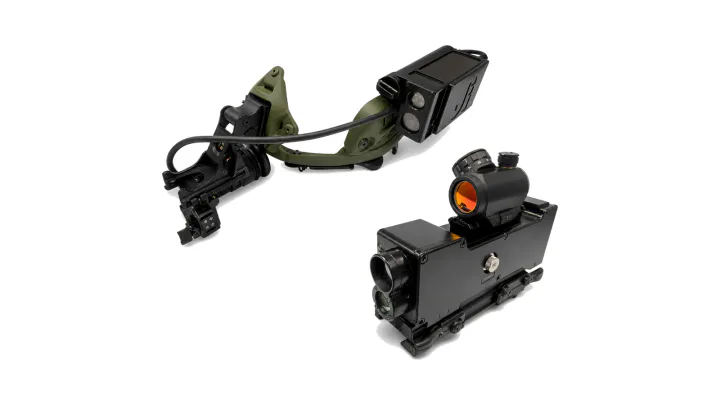
Compact red dot optoelectronic sight mounted on Picatinny rail through an adapter, for day, low visibility and night use combined with night vision devices.
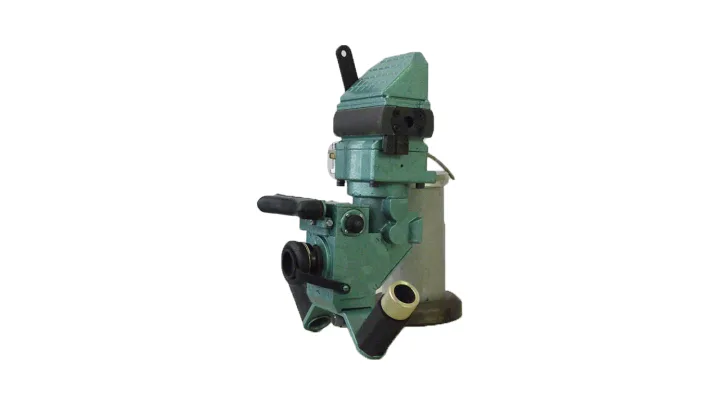
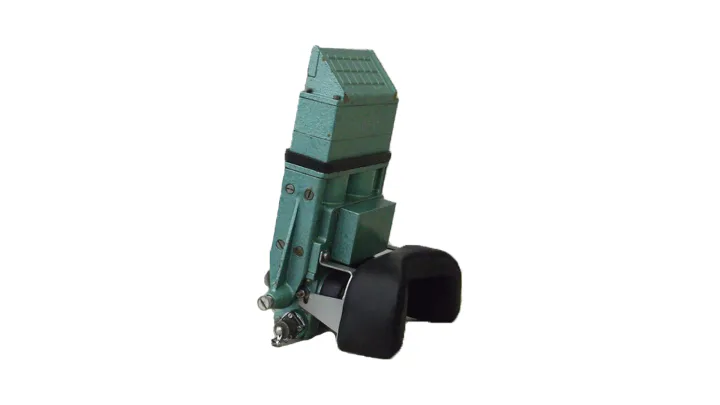
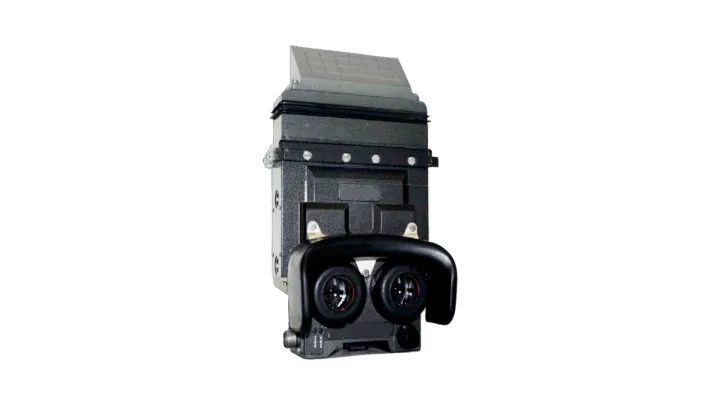
Day and night commander periscope with partially common optical channel and Gen III tube, used on T-72 tanks, derived vehicles and infantry fighting vehicles.
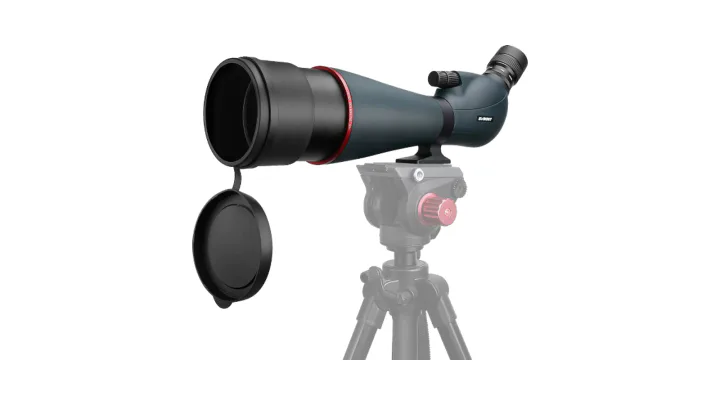
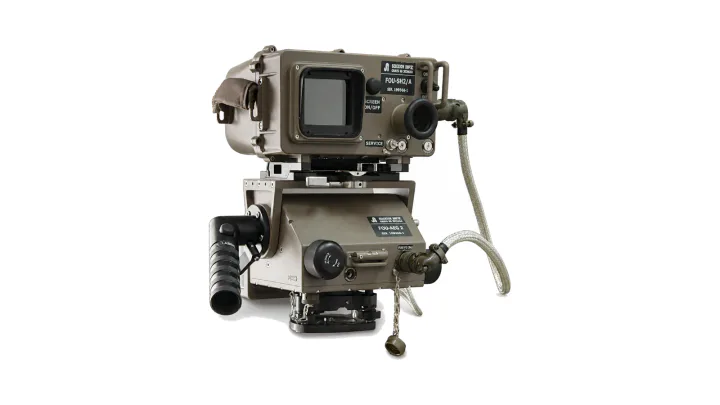
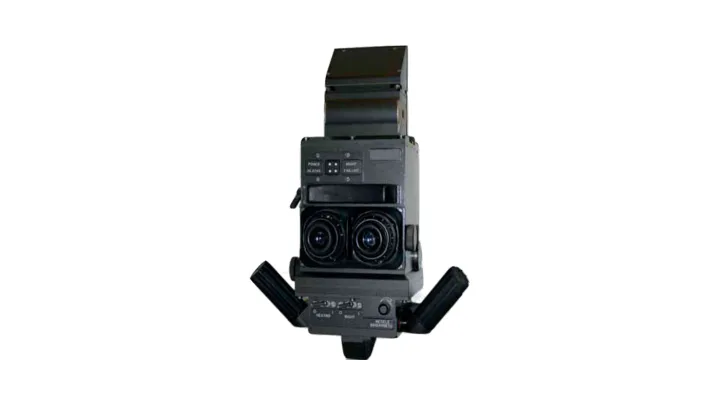
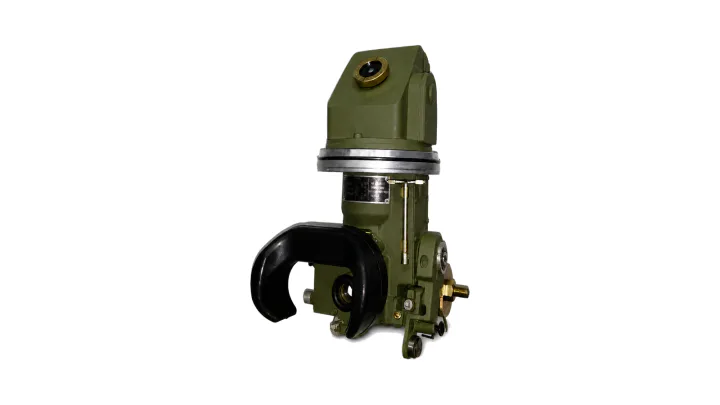
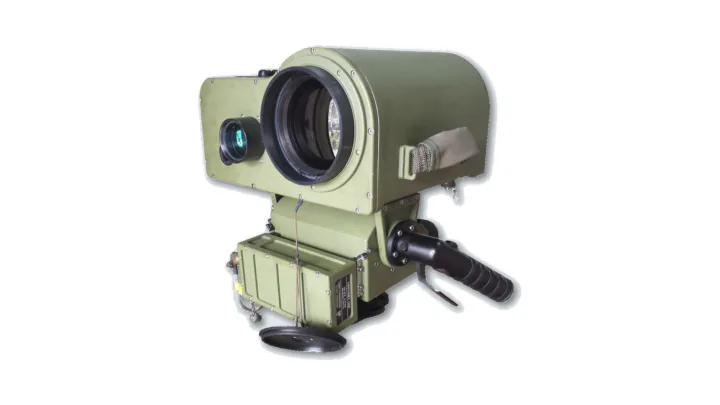
Nitrogen-filled optoelectronic observation and measuring device determining azimuth, elevation and range to targets as a subsystem of a fire control system.
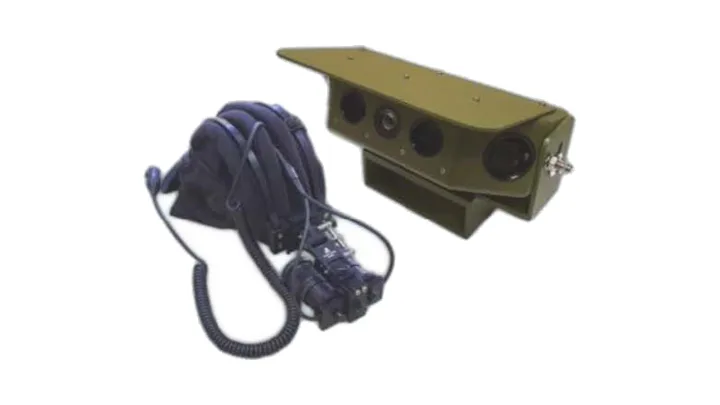
Optoelectronic driver vision system with frontal dual low-light cameras, rear camera and thermal camera feeding a gyroscope-tracked twin ocular display.
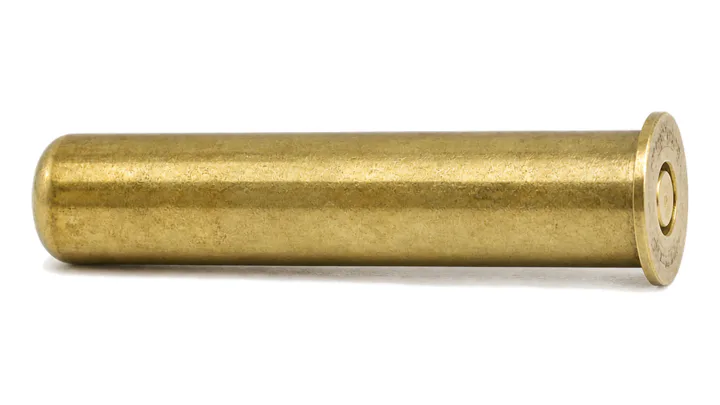
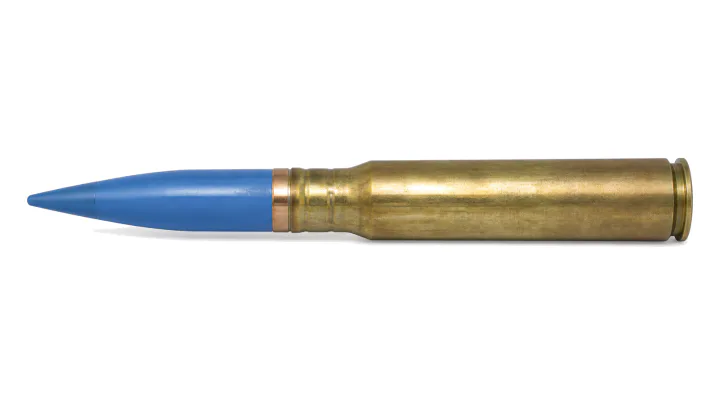
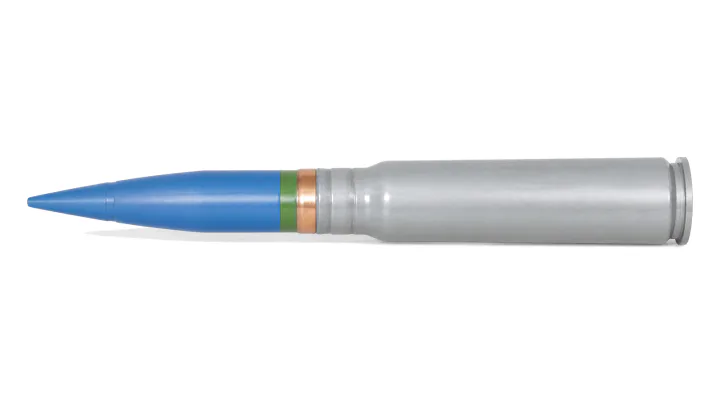
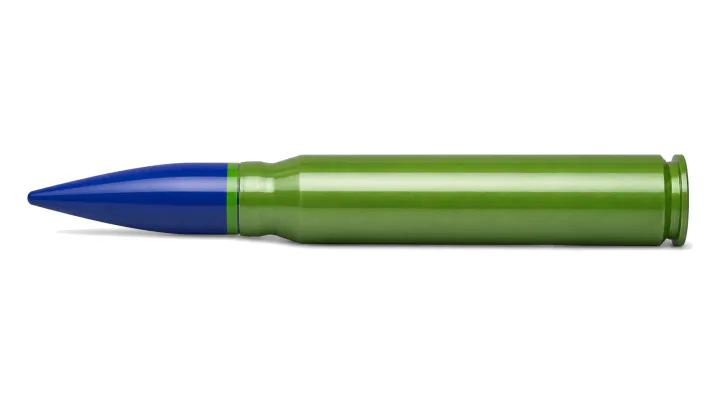
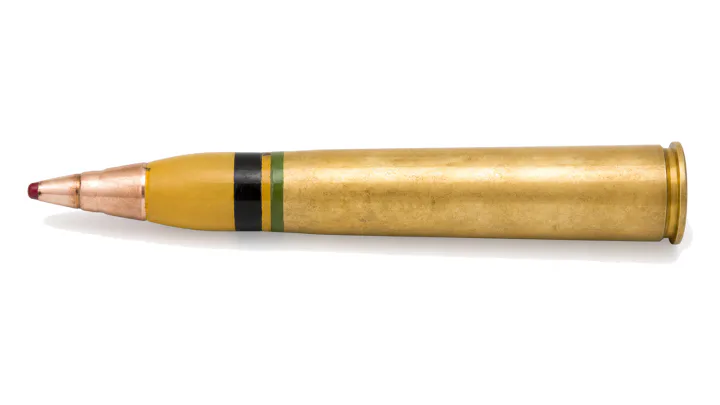
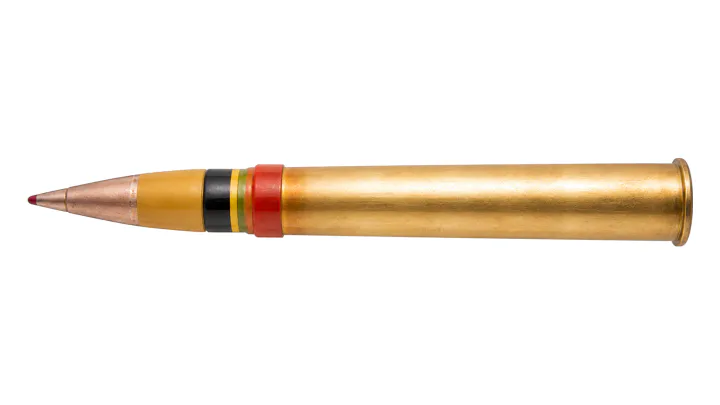
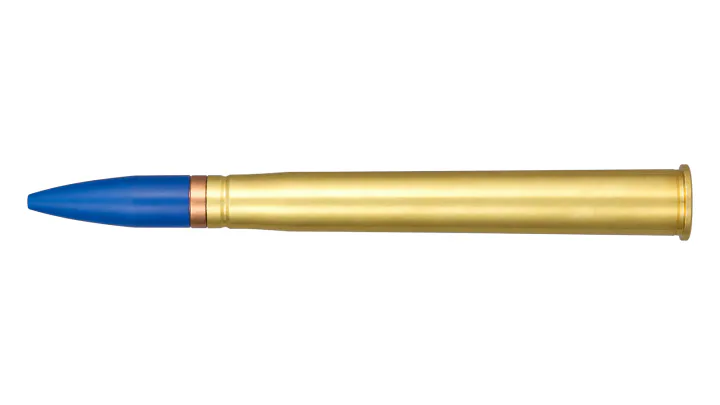
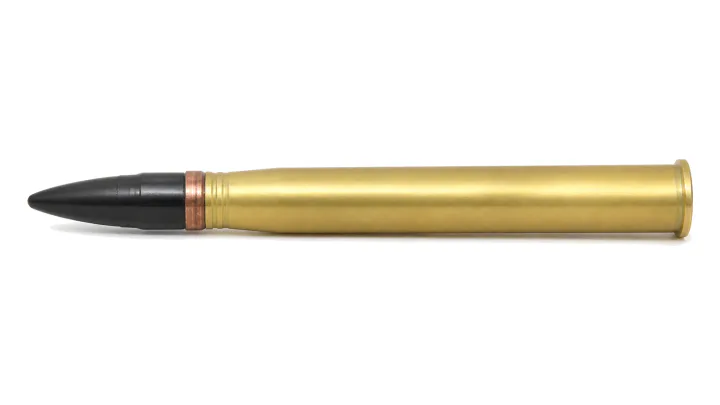
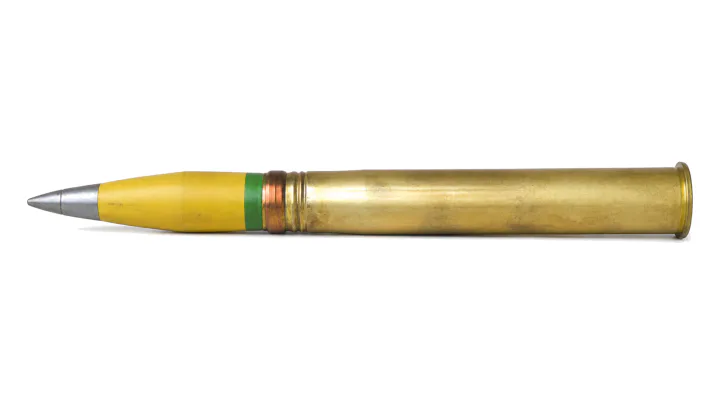
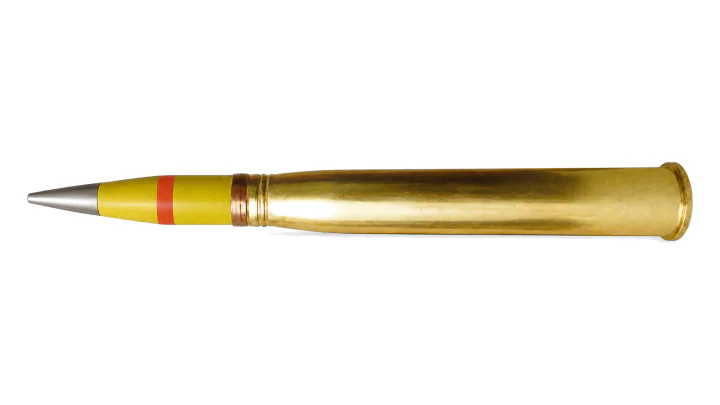
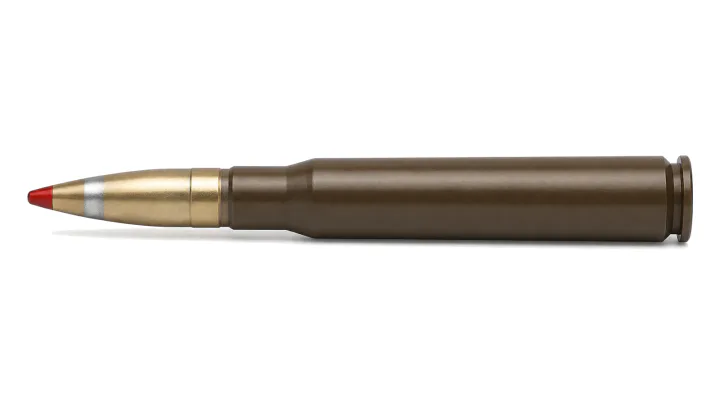
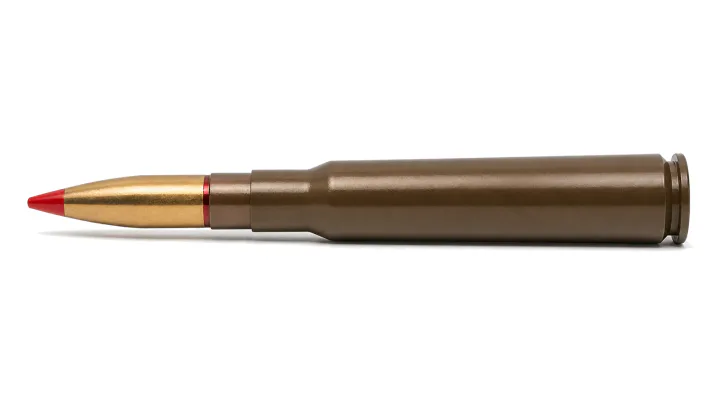
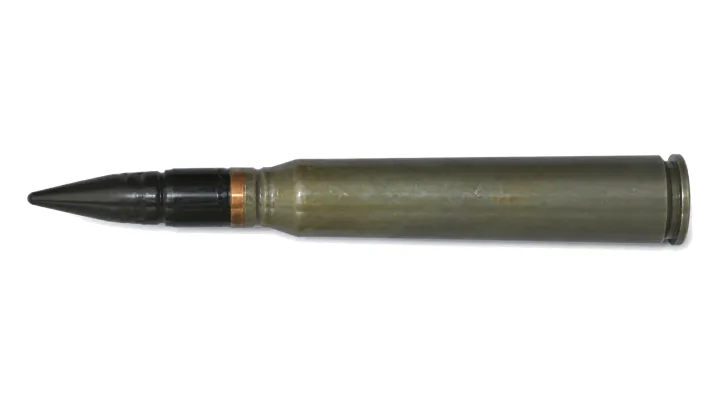
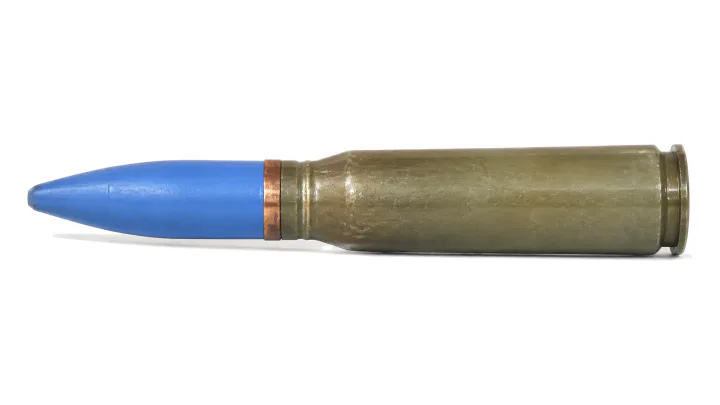
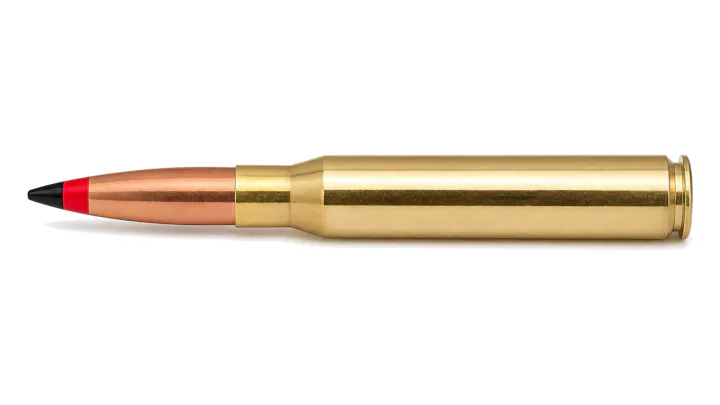
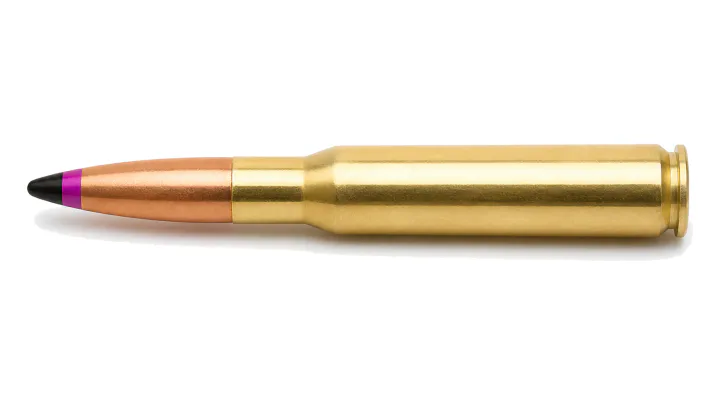
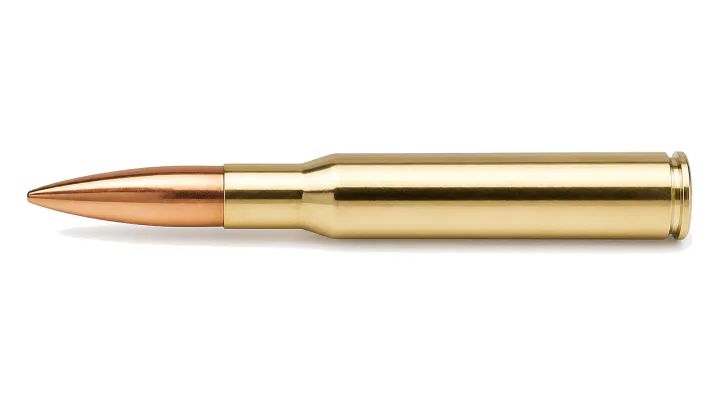
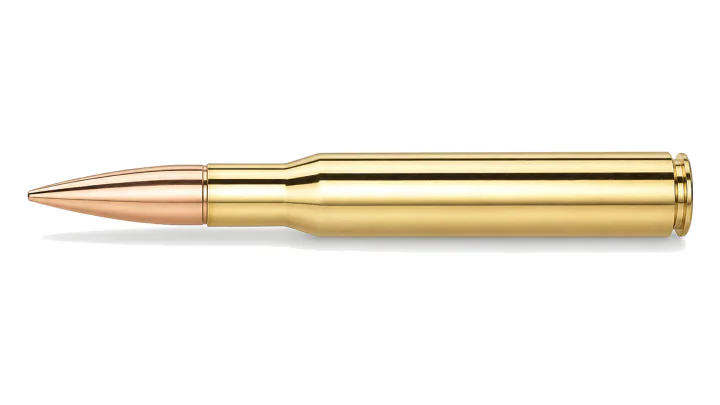
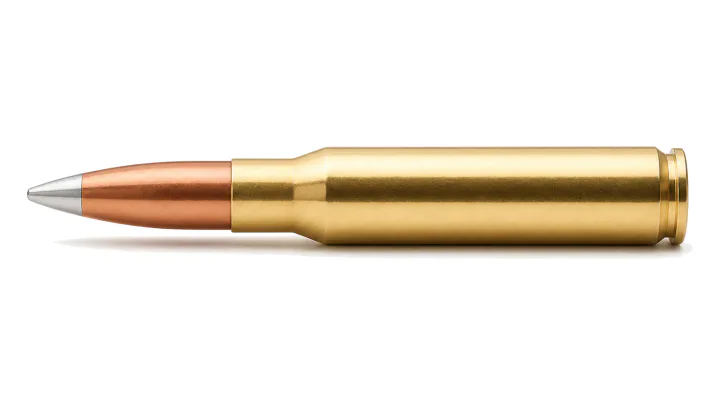
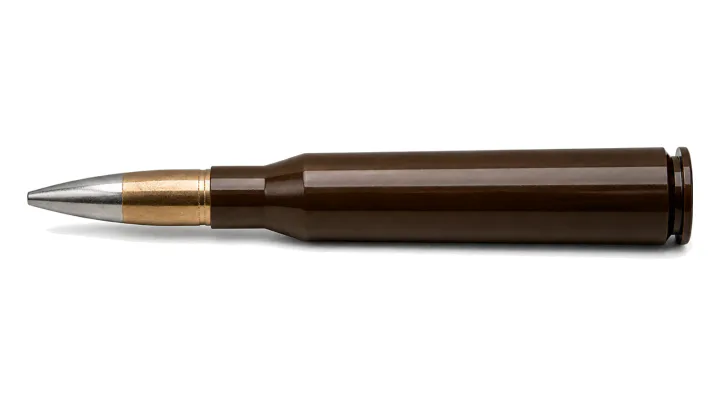
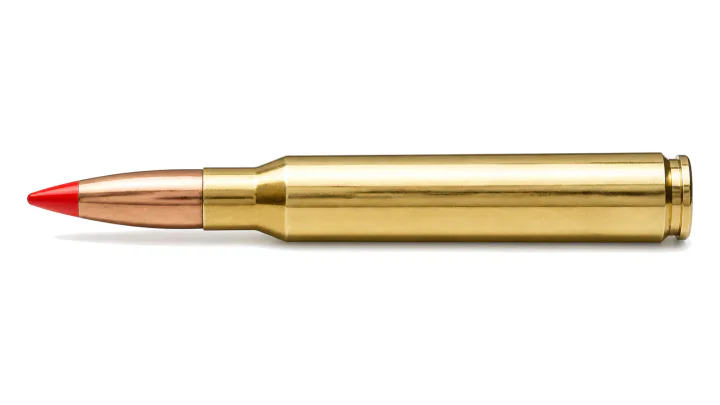
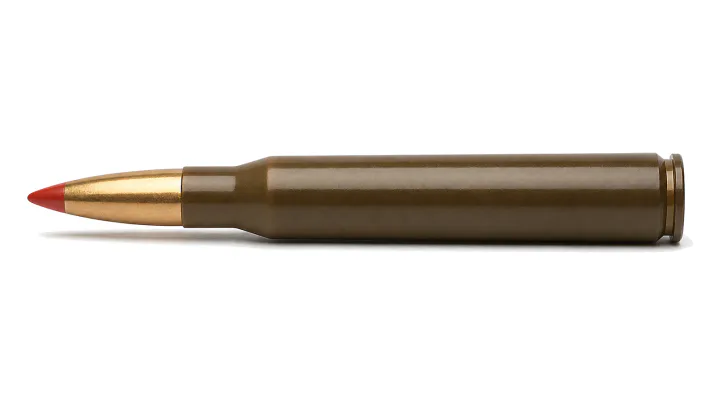
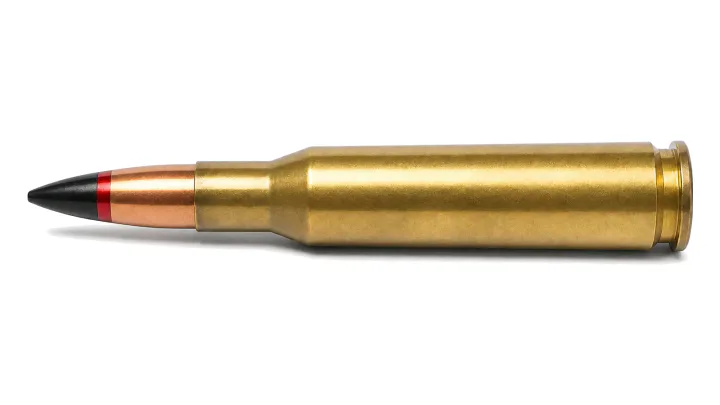
A .50 (12.7 x 99 mm) cartridge with a lacquered steel case and a 42 g armour piercing incendiary tracer bullet X6T, for use in all .50 calibre machine guns.
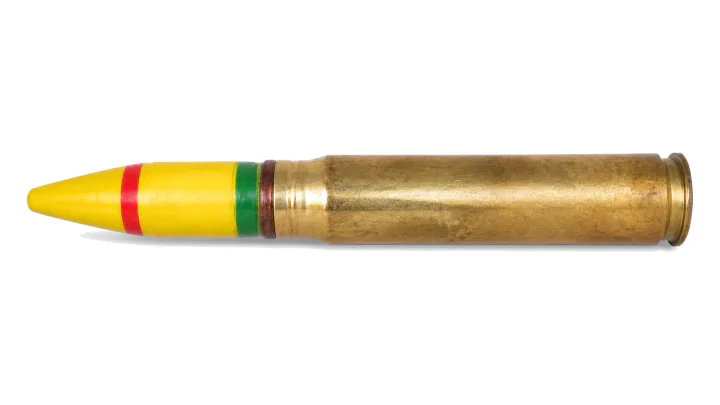
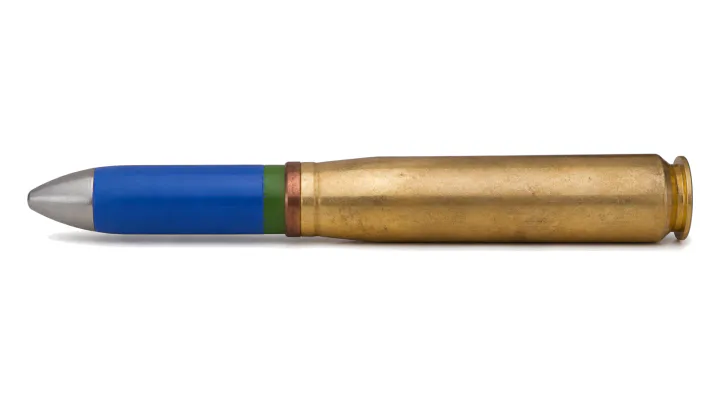
A 20 mm x 102 round with a brass cartridge case, electrical gun primer, propellant charge and an armour-piercing projectile, for the M621, M61A, M39 and M197 guns.
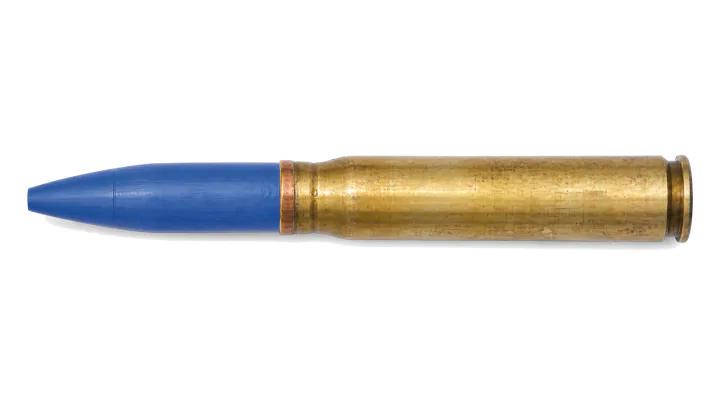
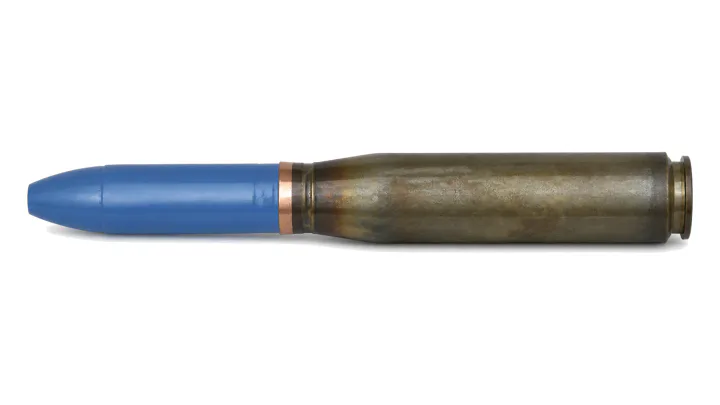
A 20 mm x 102 round with a brass cartridge case, electrical gun primer, propellant charge and a target practice projectile, for the M621, M61A, M39 and M197 guns.
A 26.5 mm trip flare for the security and surveillance of areas, posts, dams and other facilities by day and night, giving a combined light and sound signal.
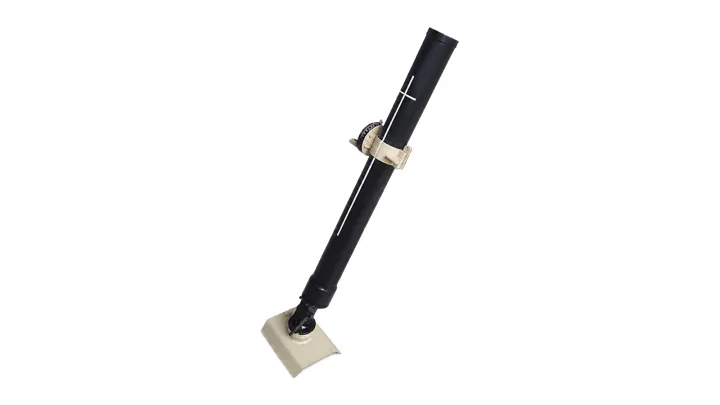
A 7,6 kg commando version of the 60 mm mortar with a 780 mm barrel and mechanical sight, firing HE M73 ammunition to 1600 m at 20-25 rds/min with a crew of two.
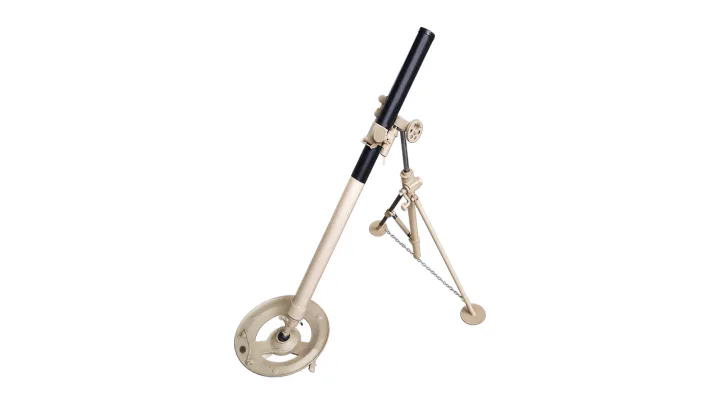
A 60 mm long range mortar weighing 23.5 kg in the combat position and firing to 5200 m at 20-25 rds/min, compatible with the full range of standard 60 mm mortar ammunition designed for 650 bar maximum working pressure, with a base plate that permits firing from all terrain types including concrete and is served by a crew of four.
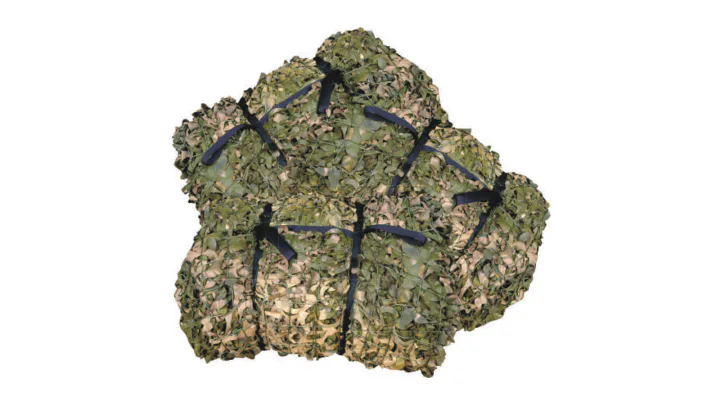
Reversible, terrain-coloured and textured camouflage nets that cut the probability of detection by common battlefield sensors and give temporary or semi-permanent concealment to tactical equipment and field installations in all seasons.
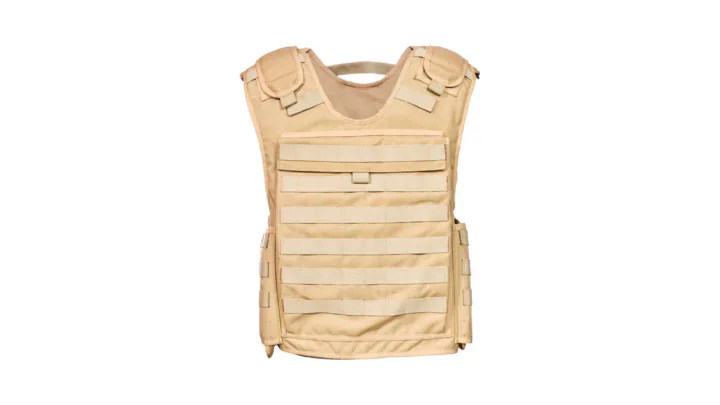
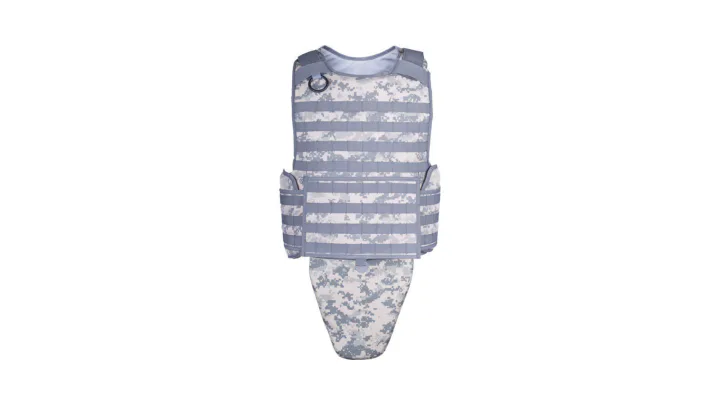
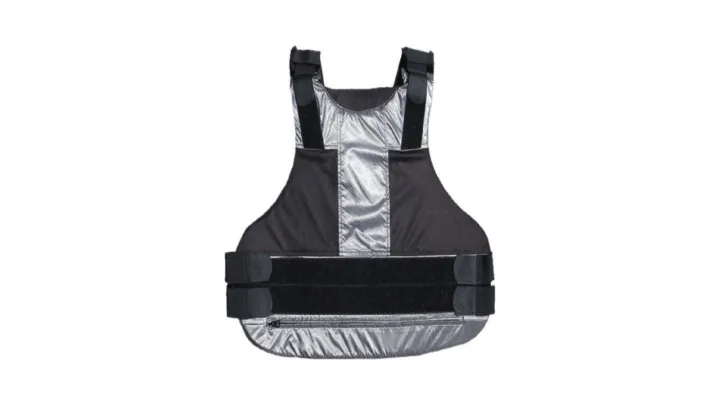
A ballistic vest of synthetic material with protective coating and mesh lining, using a four-point Velcro attachment system, front and back plate pouches and full-area MOLLE, offered in NIJ 0101.04 levels IIA, II and IIIA and up to III, III+ and IV with plates.
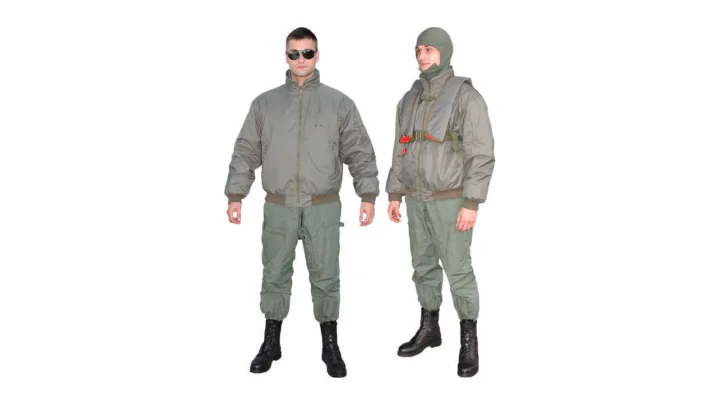
A set for aircraft crews comprising overall, insert, protective cap, jacket, boots and a life-saving belt with automatic inflation system, the overall, insert and cap being made of special fire-retardant material withstanding high temperatures to EN 11612:2008 (codes A1+A2, B1, C1), in sizes M to XXL.
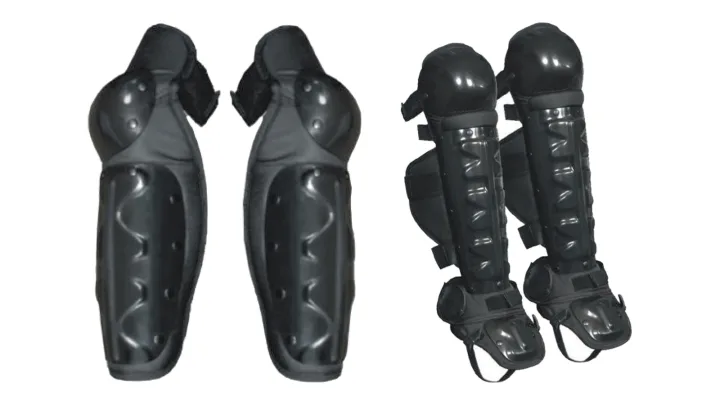
Anatomically shaped arm and leg protectors made from spacer material with an external plastic layer and built-in inner shock absorbers, allowing undisturbed movement.
A full-coverage riot helmet with a self-extinguishing polycarbonate shell, visor and neck protector, designed to shield the head from thrown objects, chemicals and liquids used during riots.
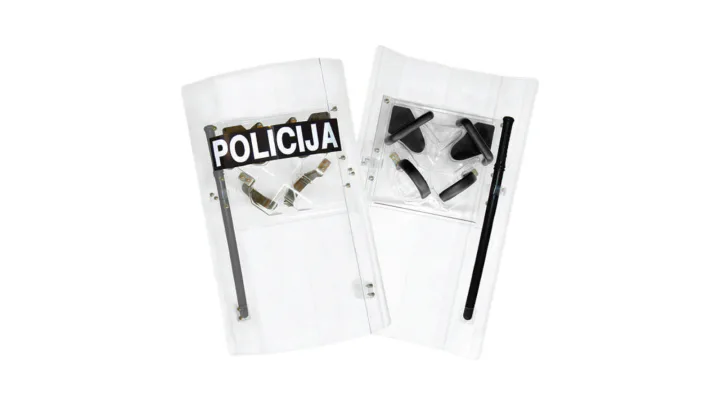
Transparent anti-riot shield for special police forces and anti-riot squads, offered in three size and thickness configurations with an inner shock absorber, polyurethane-coated aluminium handle and baton carrier.
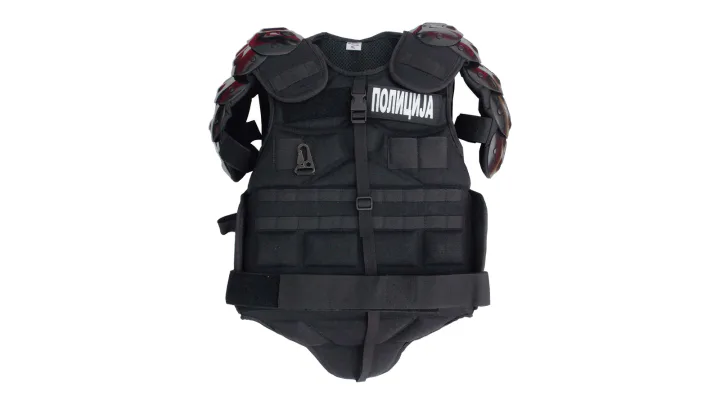
Anti-riot body protection for special police forces and anti-riot squads, combining soft anti-trauma materials such as 30 mesh polyethylene foam with hard plastic parts to shield the body from blows with blunt objects, stings and harmful organic and inorganic chemicals, though not from daggers or crossbows.
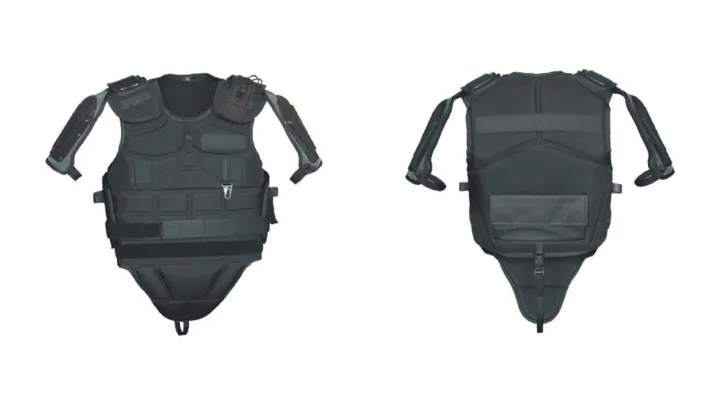
A flexible anti-riot vest for police and anti-riot squads that protects the upper body and arms from baton and stone blows and from stabs, offered in a foam-covered model with inner plastic elements and a spacer-material model with outer plastic elements.
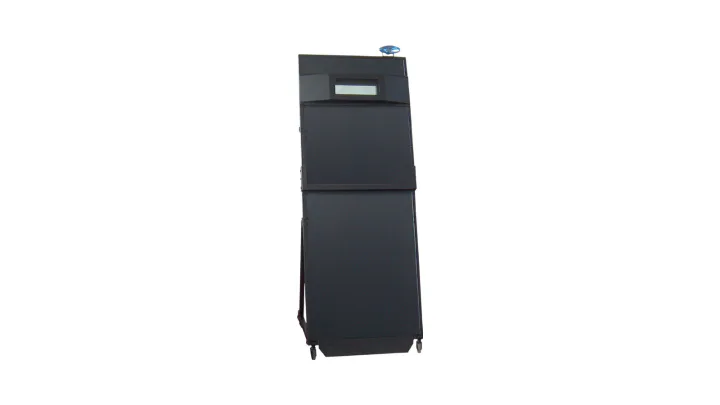
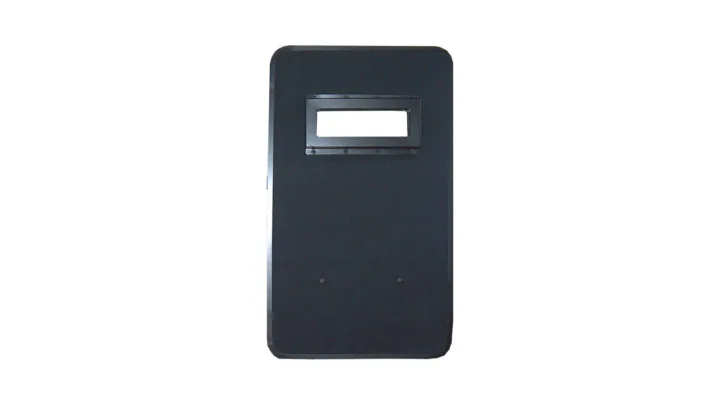
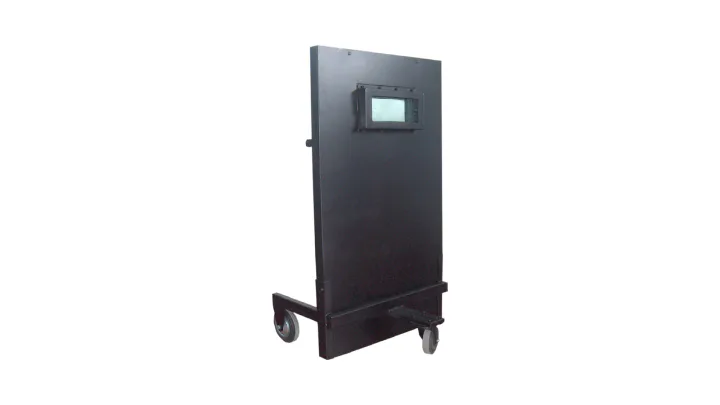
Large ballistic shield for special units, protecting the user against rifle ammunition up to 7.9 mm calibre, with a handle on the inner side, available with or without a ballistic glass visor, and able to be disassembled so that the upper plate can be used independently as a Hand block.
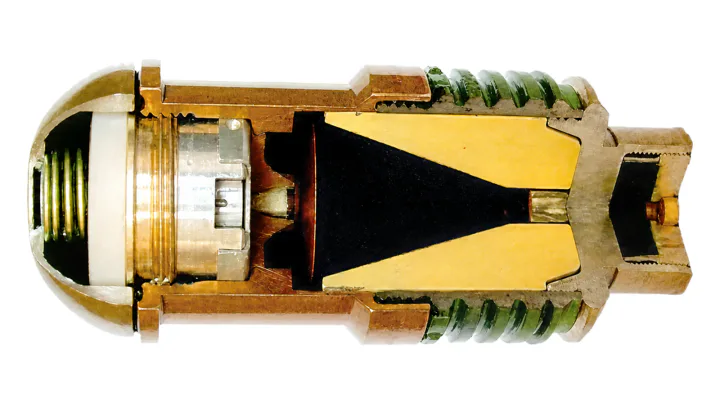
A hand-thrown shaped-charge grenade intended to disable or destroy tanks and other stationary or moving armour, defeating the armour with its shaped-charge jet and acting on the interior with the remaining hot gases, and requiring no tube or launcher.
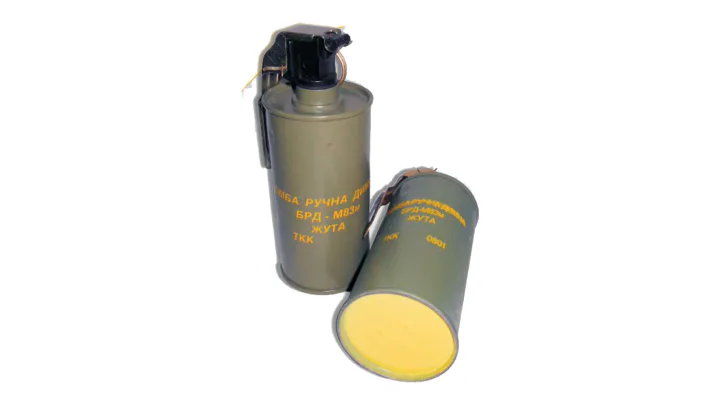
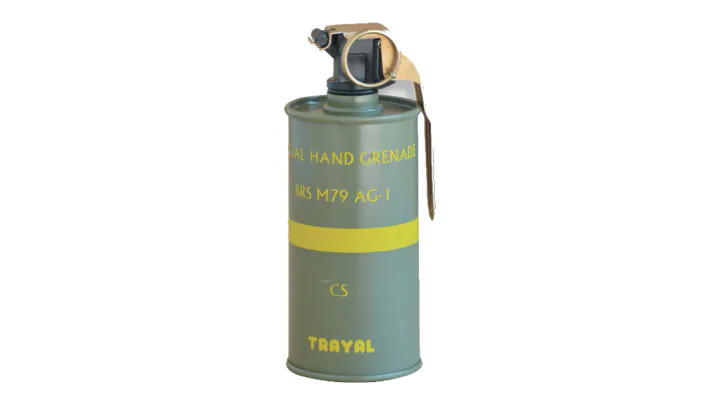
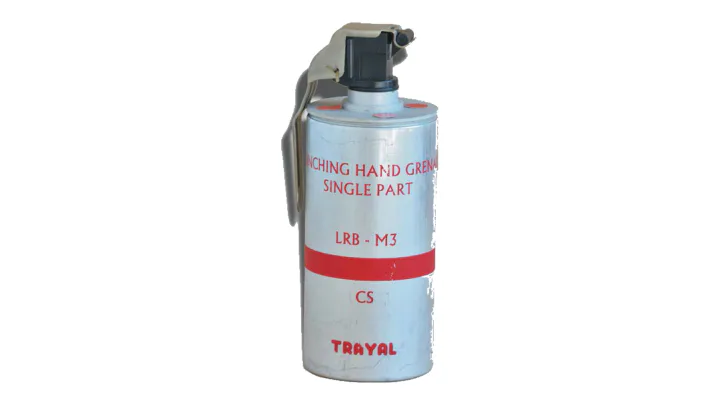
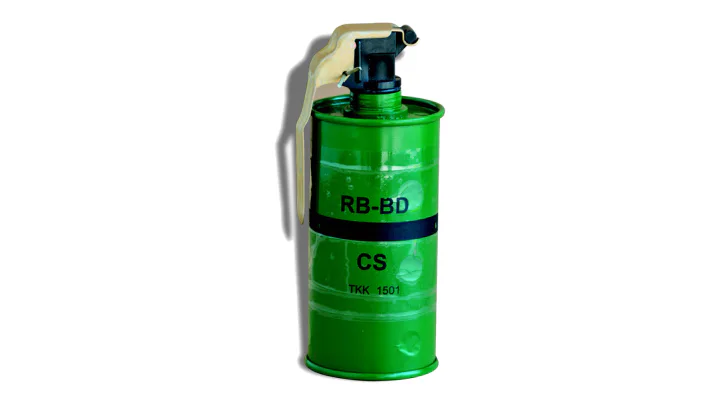
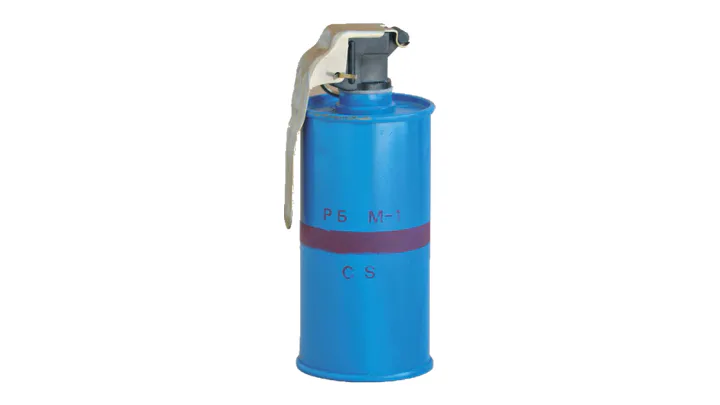
A chemical hand grenade with a 105 g CS filling that burns for about 80 seconds, used by military and police units in riot control to temporarily incapacitate an unprotected crowd in open or enclosed areas.
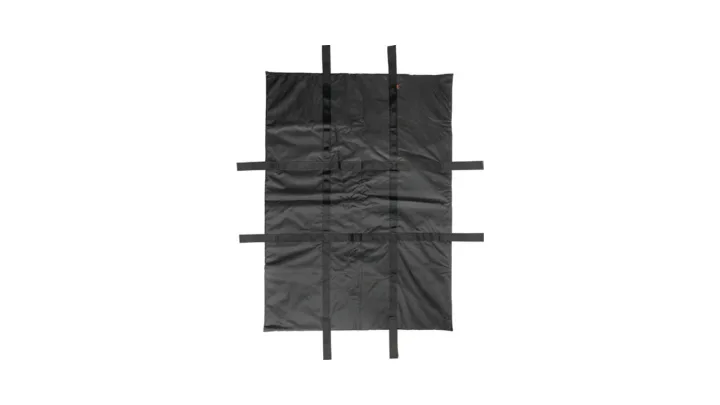
A self-extinguishing ballistic blanket for VIP and individual protection that can be held in front of windows, doors or vehicles against blast and bullets, resisting high-velocity fragments at V50 greater than 500 m/s to STANAG 2920 and rated Level IIIA to NIJ 0101.04, supplied in a separate waterproof high-strength bag.
Foldable ballistic protection that takes the form of a case when folded, giving the user protection against common pistol and revolver ammunition up to 9 mm Para, .357 Magnum and .44 Magnum.
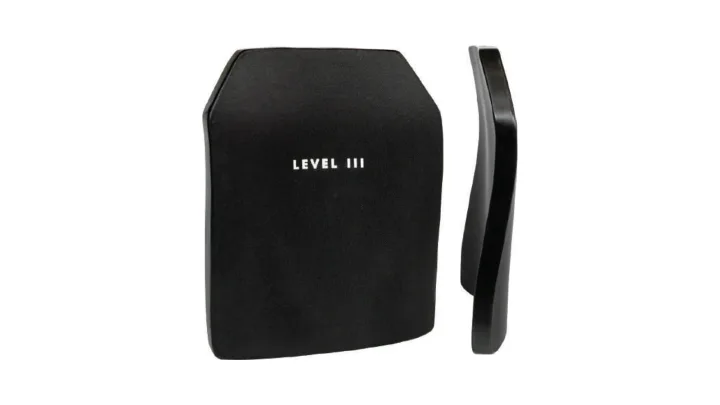
A hard ballistic plate giving protection up to Level III of NIJ standard 0101.04, offered with a plastic or fabric external layer and produced as either single curve or multi curve for a comfortable fit front and back.
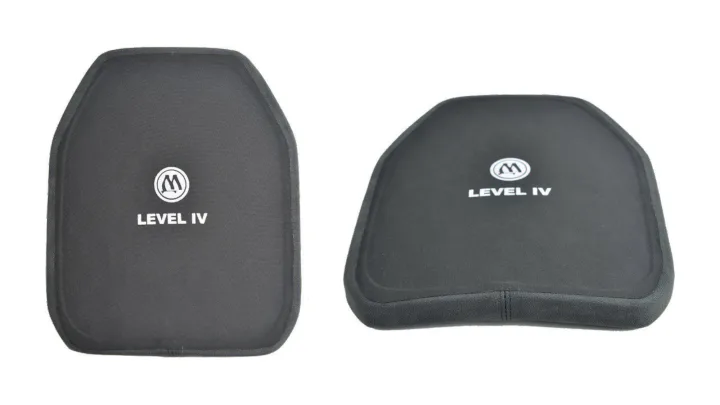
The highest level of ballistic plate protection, meeting Level IV of NIJ STD 0101.04 and preventing penetration of rifle bullets, shaped to fit the body contour for insertion into protective vest pockets and made in five sizes.
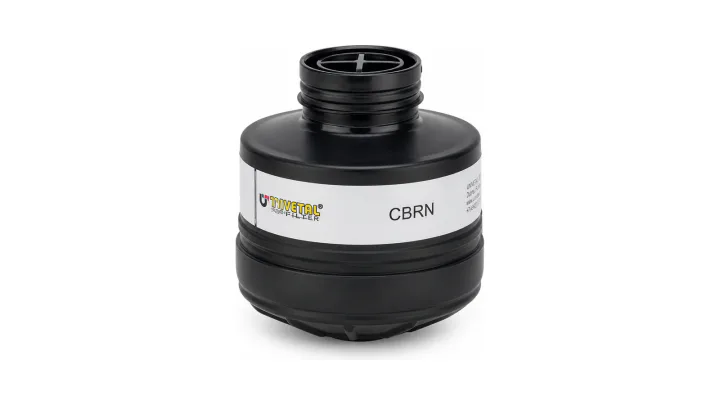
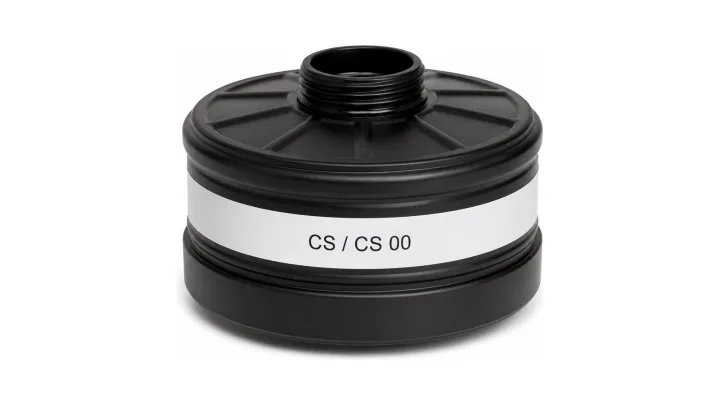
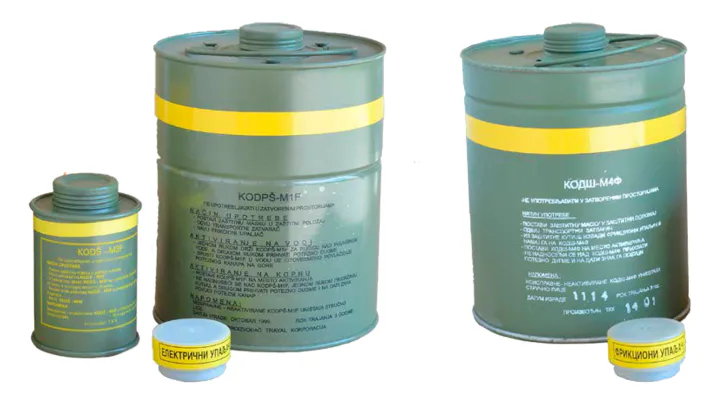
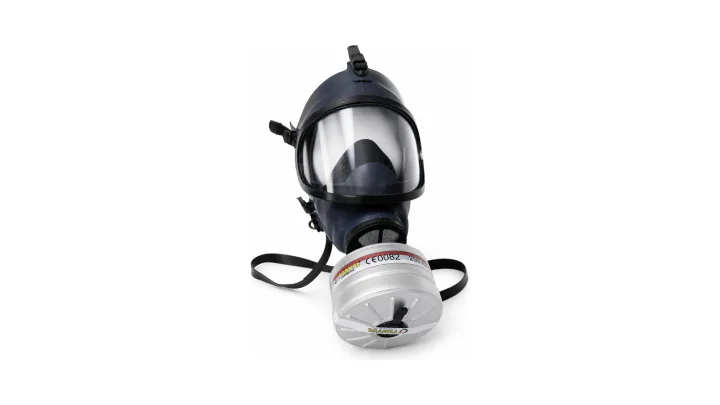
Low-profile CS and CS 00 filters for protection against chloracetophenone (HAF) and o-chlorobenzylidene malononitrile (CS), shaped not to obstruct police-helmet protective eyepieces when fitted to a protective or Panorama mask.
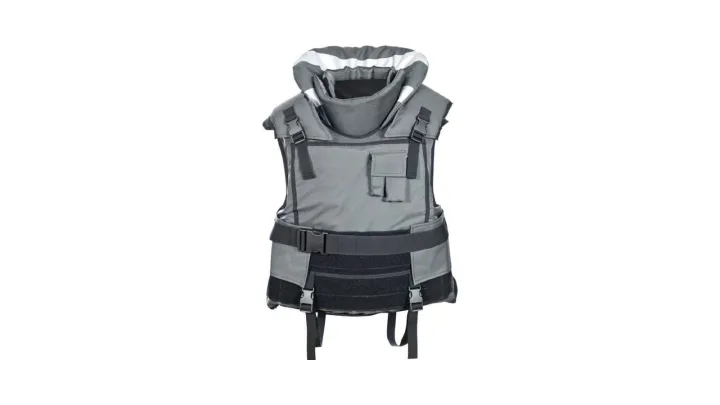
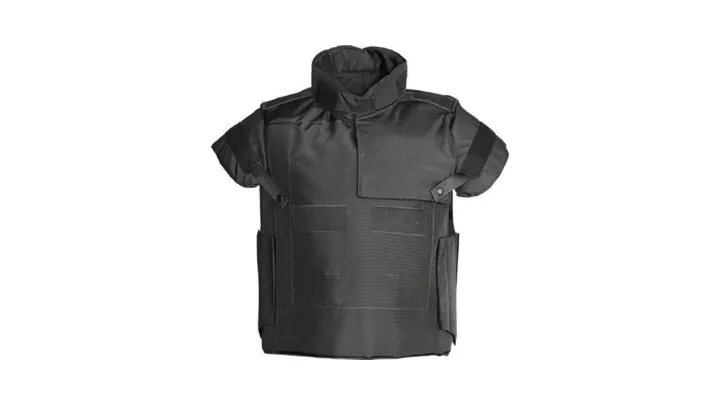
A vest for explosive ordnance experts protecting the front, neck, groin and shoulders against high velocity fragments, blast pressure and intense heat, standard at ballistic level IIIA and upgradable to III or IV with a front plate.
Hand-held ballistic shield for special units, designed to protect the body against direct impact and ricochet of pistol ammunition up to 44 Magnum calibre, fitted with an inner handle and two diode lights, and produced with or without a ballistic window visor.
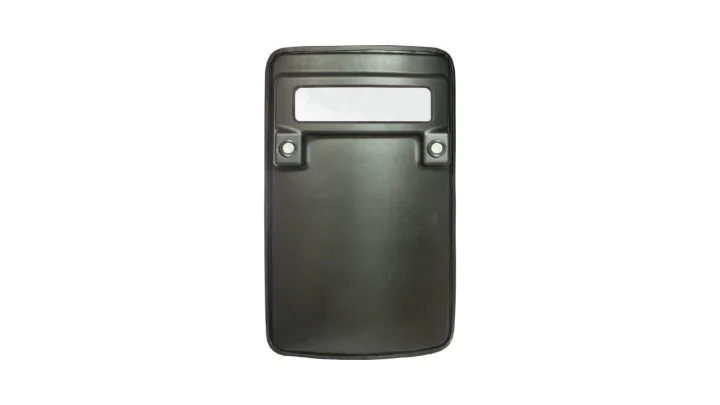
Hand-held ballistic shield for special units, protecting the user against rifle ammunition up to 7.9 mm calibre, with a handle on the inner side and produced with or without a ballistic glass visor.
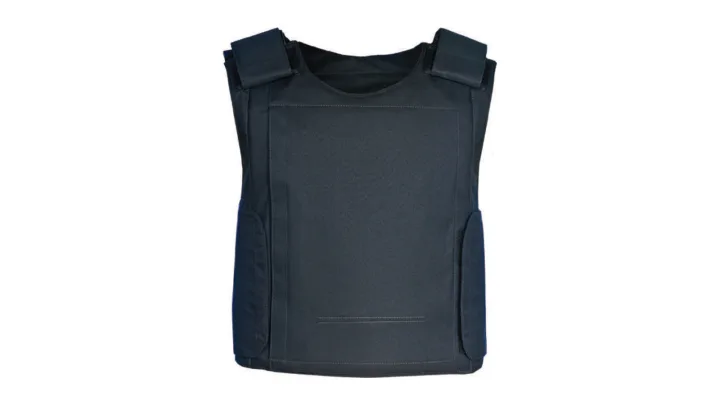
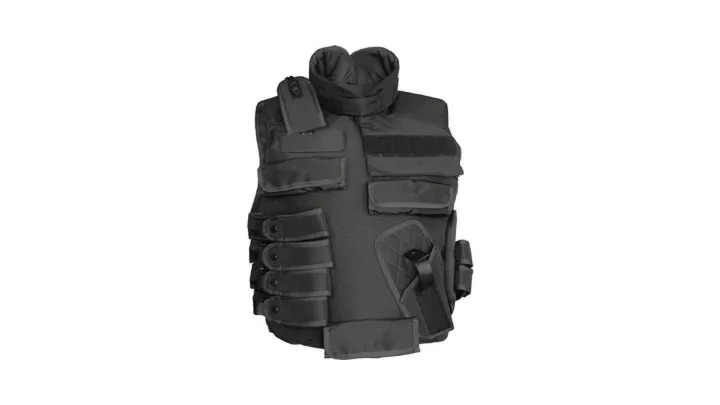
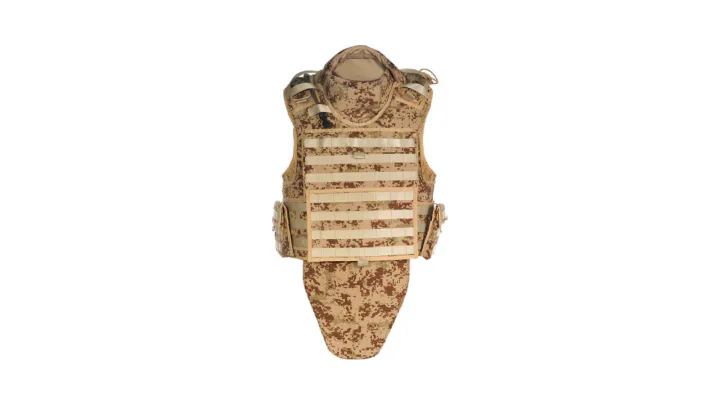
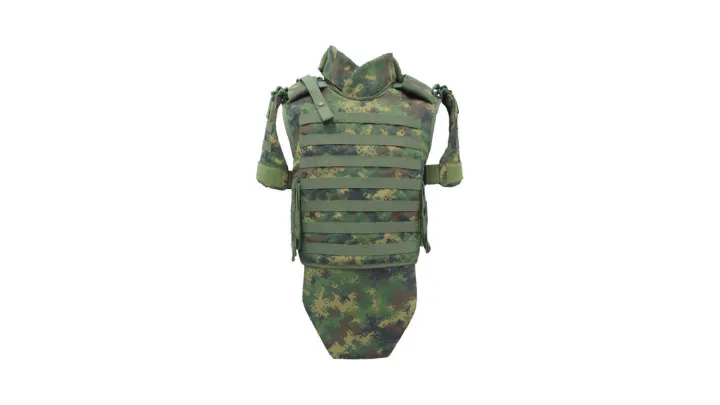
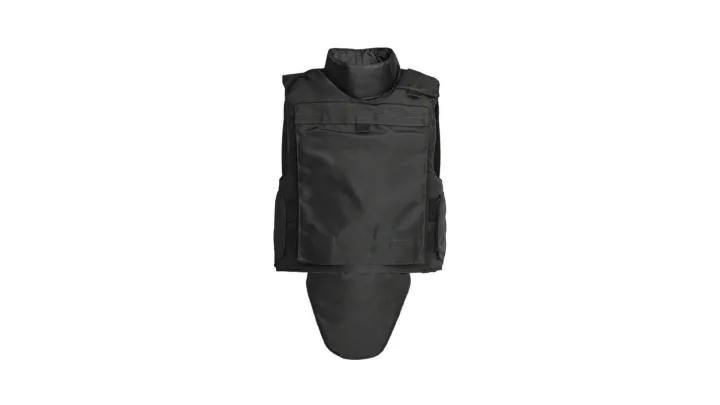
A ballistic vest intended for military units offering a maximum area of protection, with front and back pouches for ballistic plates plus collar, shoulder and groin protectors.
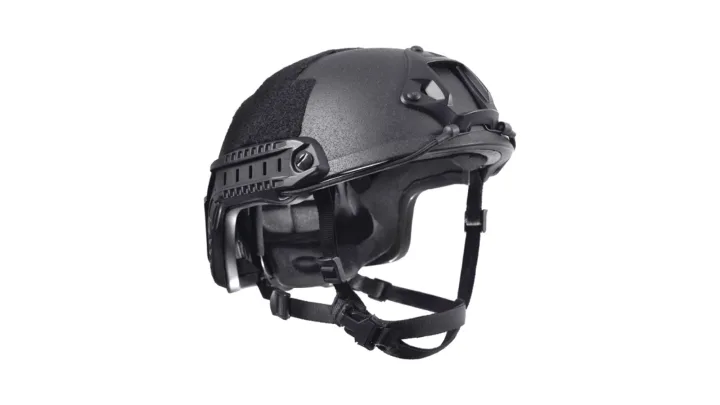
Lightest type of ballistic helmet in the range, a high-cut design for tactical and special forces units offering improved field of vision and communication compatibility, tested to NIJ STD 0106.01 Level IIIA.
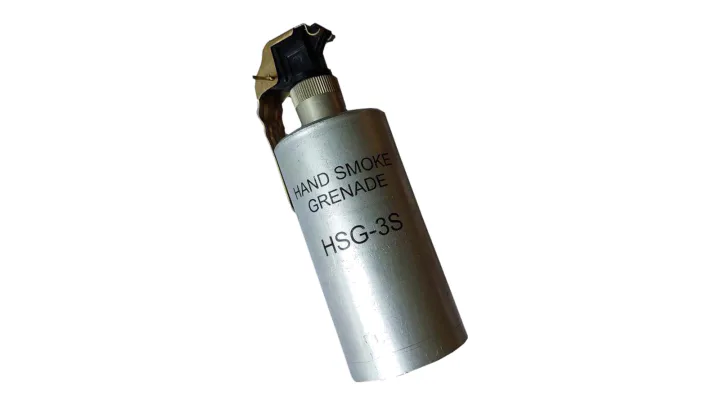
A three-section smoke hand grenade used for day and night signalling, for marking aircraft landing and parachute drop zones, for showing wind direction and for camouflaging individuals or groups, emitting smoke for about 40 seconds after a 3-second delay.
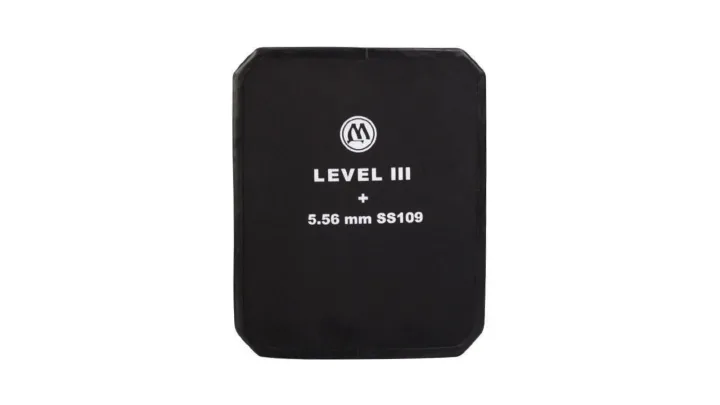
Hard ballistic plate offering protection between NIJ STD 0101.04 levels III and IV, particularly against 5.56 mm SS109 ammunition, with a plastic or fabric external layer.
A ballistic vest for special units offering maximum comfort and mobility, with an integrated hydration system on the back, webbing straps over the full outer area for any pouch configuration and pockets for ballistic plates.
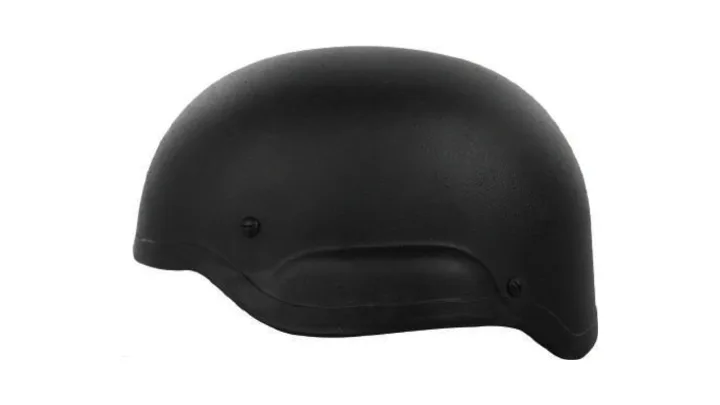
MICH-design ballistic helmet originally made for special operations forces, offering flexibility for communication equipment, improved field of vision, reduced weight and unobstructed hearing, with a higher rear edge for comfortable wear alongside other protective equipment.
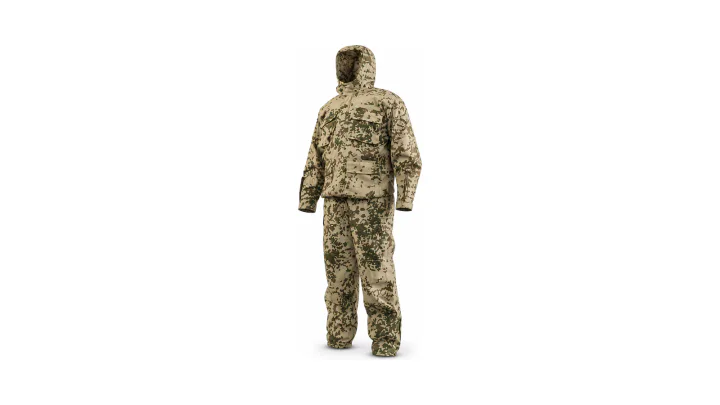
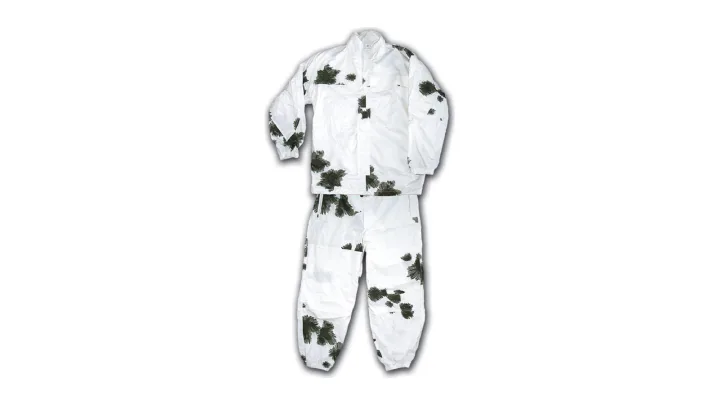
A snow camouflage suit worn over the uniform, consisting of trousers, jacket, helmet cover, gloves, face camouflage and weapon camouflage stripes, made of white material with discreet irregular dark spots so the soldier merges into terrain fully or partly covered with snow.
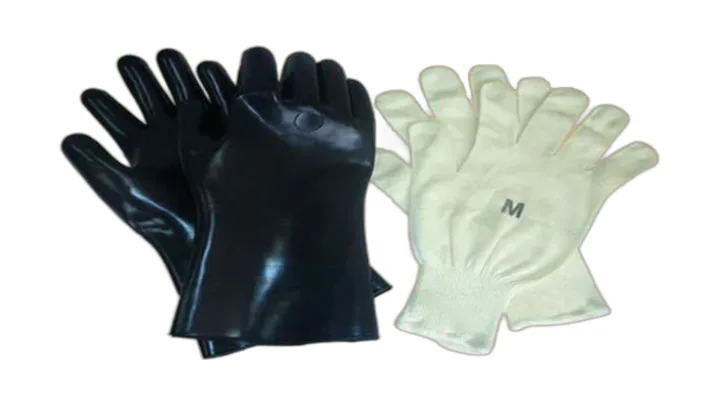
Protective overgarment giving single protection against toxic agent droplets, tested against S-lost droplets, and repeated protection against radioactive and atmospheric precipitation on contaminated ground.
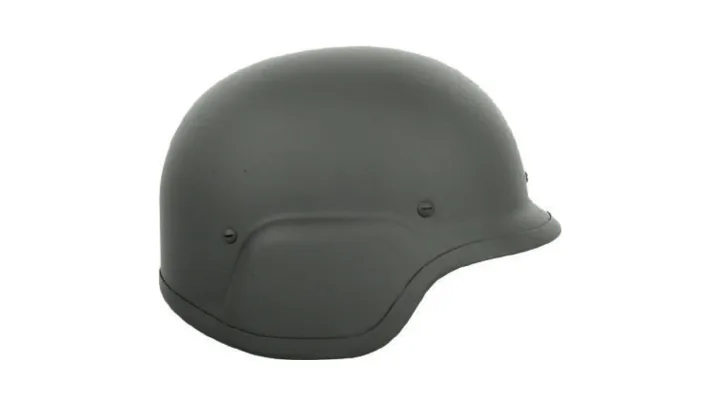
PASGT-design ballistic helmet that has become a standard part of infantry equipment in many armies, produced with either a three- or six-point suspension and retention system that creates a space between the head and the inner helmet surface to reduce blow trauma and allow ventilation.
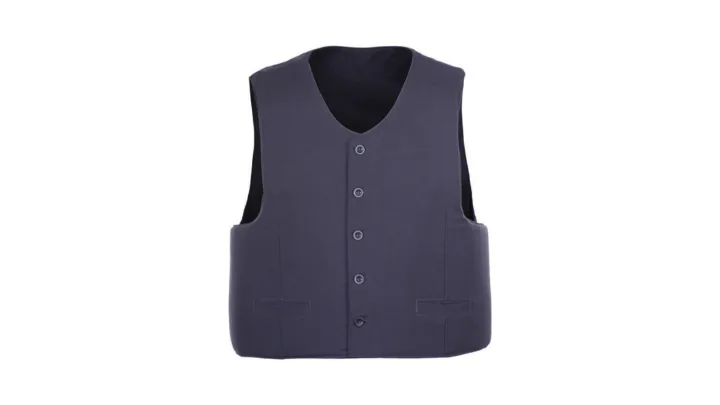
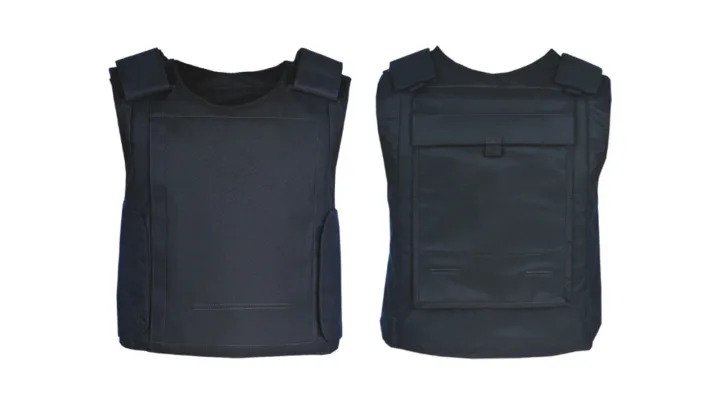
A ballistic vest styled as a formal button-vest with two small pockets, intended to be worn under a suit or jacket, with an outer fabric of wool and synthetic material and a two-point Velcro fastening.
A ballistic life-saving vest for crews of ships, boats and other vessels, with full protection area, four-point Velcro and slider adjustment, a two-piece ballistic collar, an additional foam-padded collar with reflective tape, plate pockets front, back and at the sides, a heavy-duty drag handle, crotch straps and pockets for a whistle and compass.
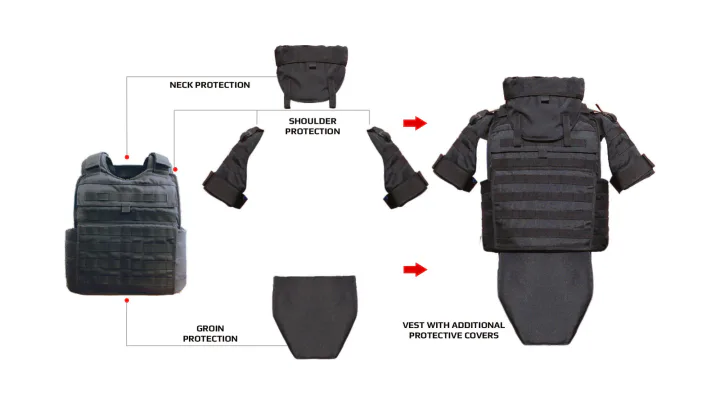
Modular ballistic vest made of rip-stop material with an inner 3D net for ventilation, manufactured to NIJ STD 0101.04 Level IIIA with optional neck, shoulder and groin covers, MOLLE webbing and provision for adding ballistic plates.
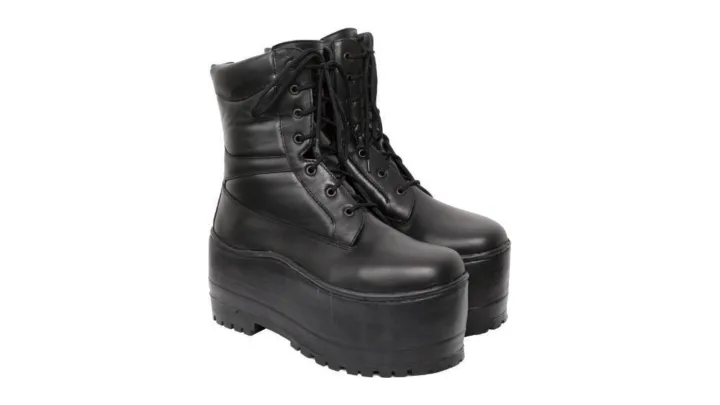
Protective boots for movement through minefields, effective against antipersonnel mines equivalent to 75 g of TNT, with a fine leather upper glued and stitched to a sole containing a ballistic plate and a 30 mm microporous midsole that absorbs the detonation impact.
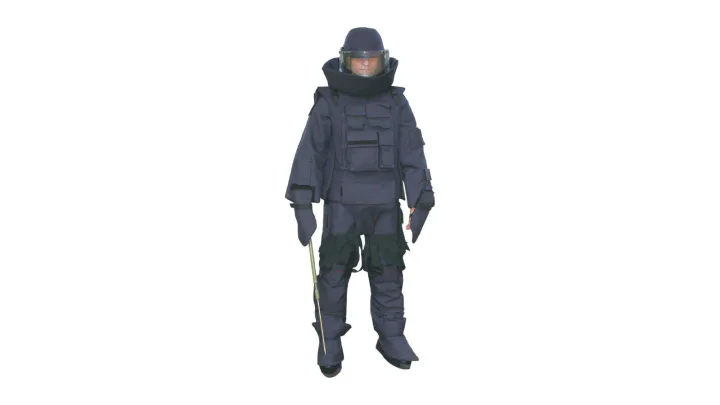
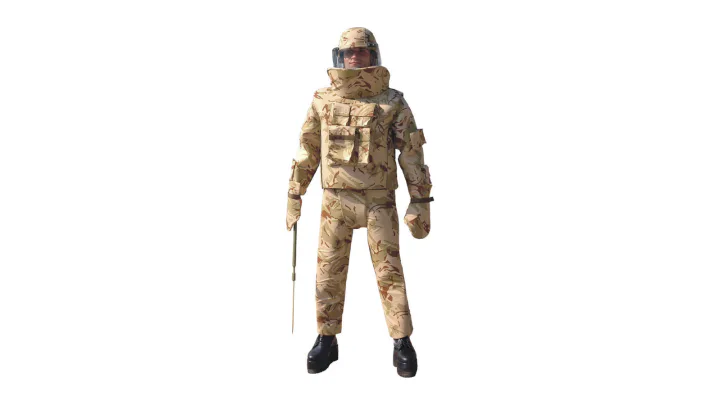
A 21 kg full demining suit protecting the wearer in minefields or when handling explosive devices against high velocity fragments, blast pressure and intense heat, comprising protective hoses and sleeves, a vest, a belt with shoulder straps, a helmet with visor, hand and foot protection and a transport bag.
An 11 kg demining suit for explosive ordnance experts protecting the front of the body against all types of high velocity fragments above 500 m/s, high pressure and intense heat, with a mesh-fabric back for air circulation, front pockets for equipment and an included helmet.
Medium-sized ballistic shield for special units, protecting the user against rifle ammunition up to 7.9 mm calibre, with a handle on the inner side and produced with or without a ballistic glass visor.
Ballistic vest favoured by special police units, offering various options for fixed and detachable pouches for ammunition and other equipment together with pockets for inserting ballistic plates.
A full-body ballistic vest for military, police and other security forces covering chest, sides and back with optional shoulder, groin and neck protection, webbing straps over the whole outer area for any pouch configuration and a two-step release, rated NIJ 0101.04 IIIA and up to III, III+ or IV with plates.
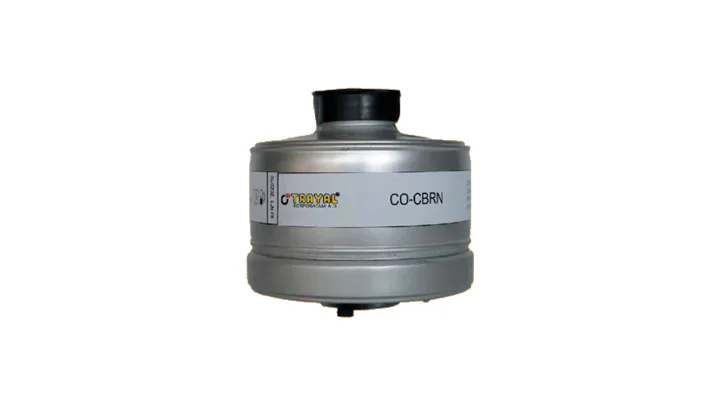
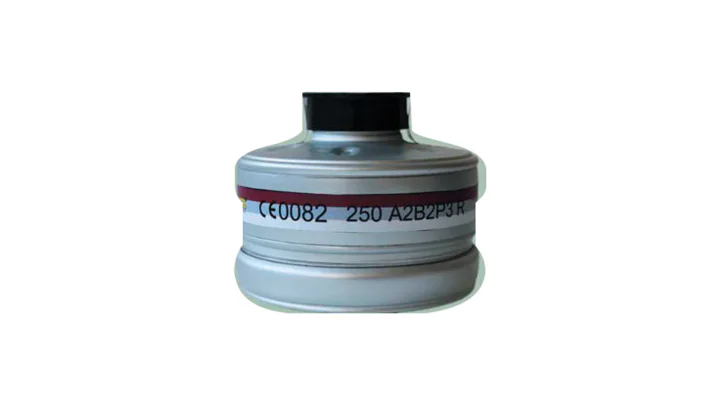
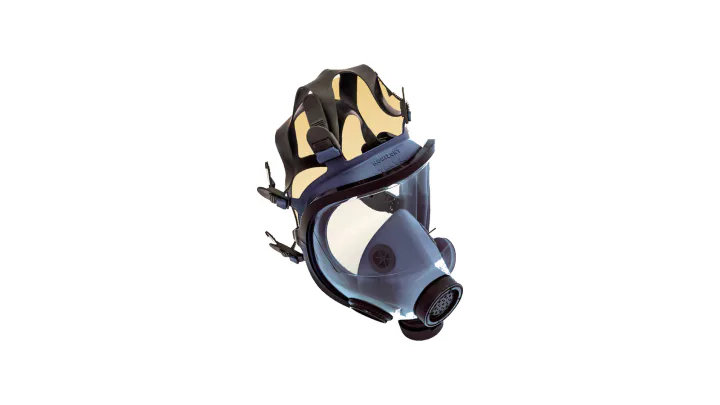
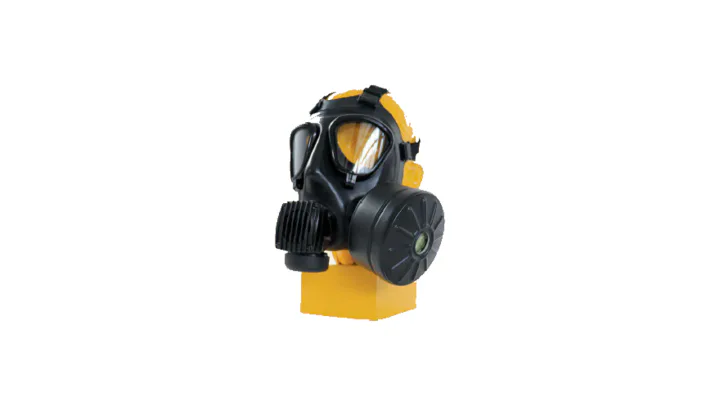
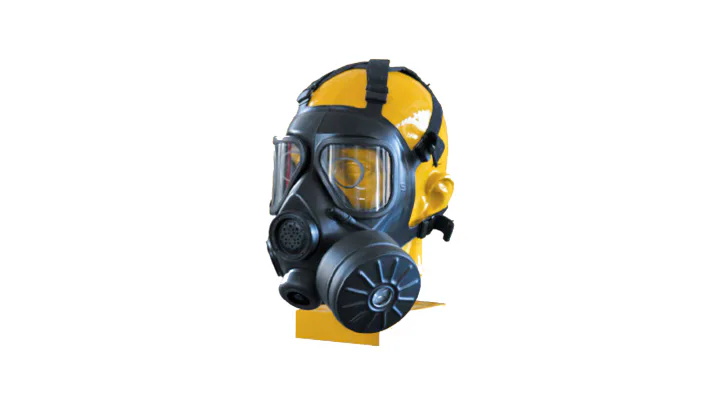
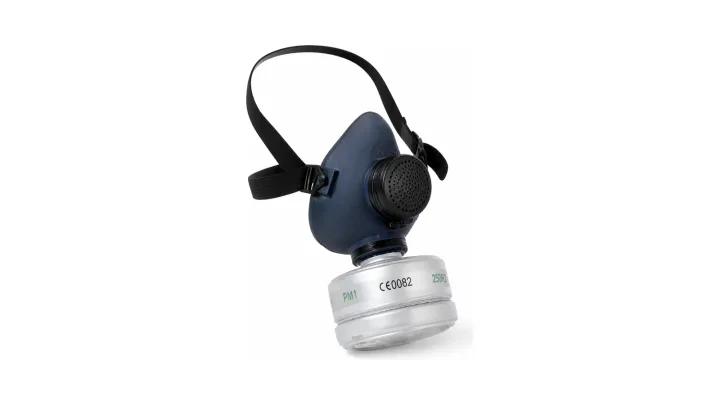
Half mask worn with a threaded filter for protection of the respiratory organs against toxic gases, vapours, dust particles, smoke and mist, for use only in an atmosphere containing at least 17 % oxygen by volume.
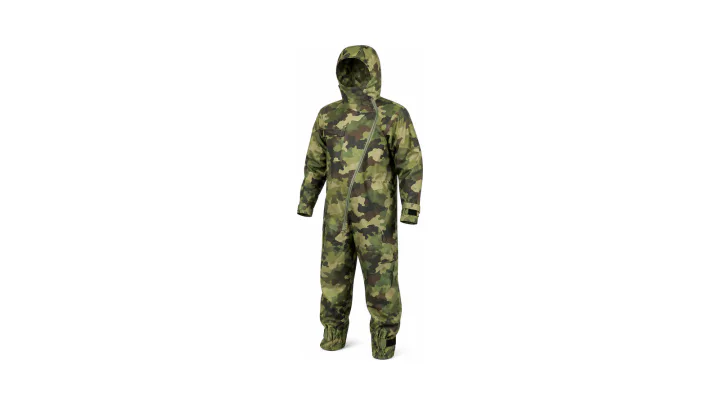
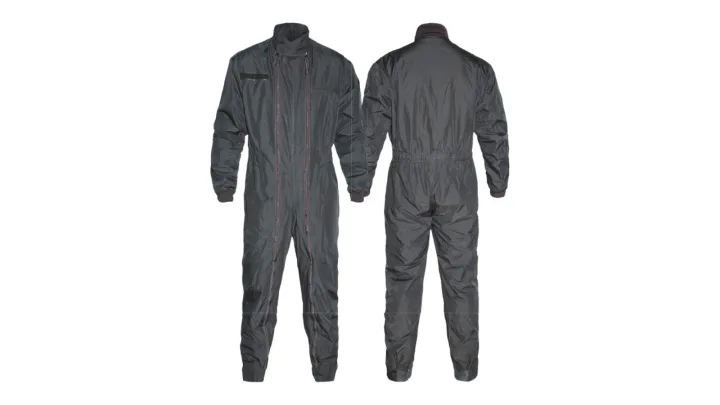
An overall for use in extreme weather with rapid temperature changes, made of windproof, waterproof and highly breathable thermo-regulating materials and comfortable across a range from -50 C to +30 C, in sizes M to XXL.
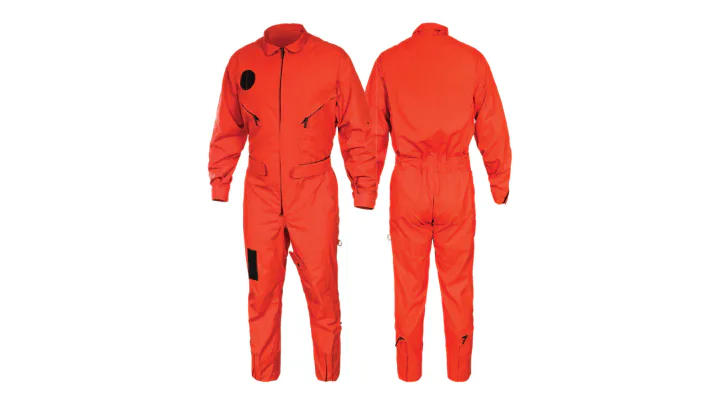
A flight overall in flame-resistant aramid or cotton-synthetic fabric with a two-slider zip, reinforced shoulders, sidelong zipped chest pockets, a zipped opening for the anti-G suit hose, Velcro waist adjustment, a front backing for a navigation map, a metal ring for the survival kit and a thigh knife pocket, in sizes M to XXL.
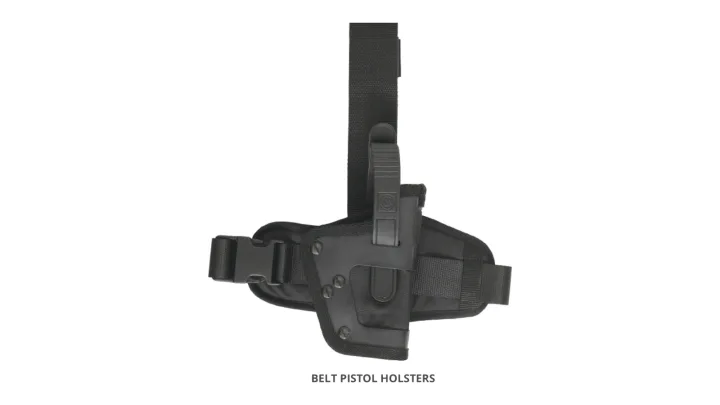
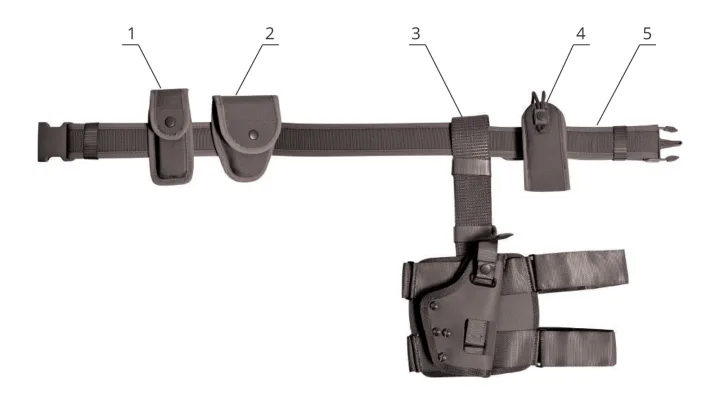
Holsters and belts of high-quality leather or synthetic materials made for all types and calibres of pistols and revolvers, with belts that allow numerous combinations of different holsters.
A ballistic vest with a quick-release system, four-point Velcro adjustment on the shoulders and waist, MOLLE over the full outer area plus a separate MOLLE panel on the shoulder back for a communications device holster, a heavy-duty drag handle and front and back plate pouches.
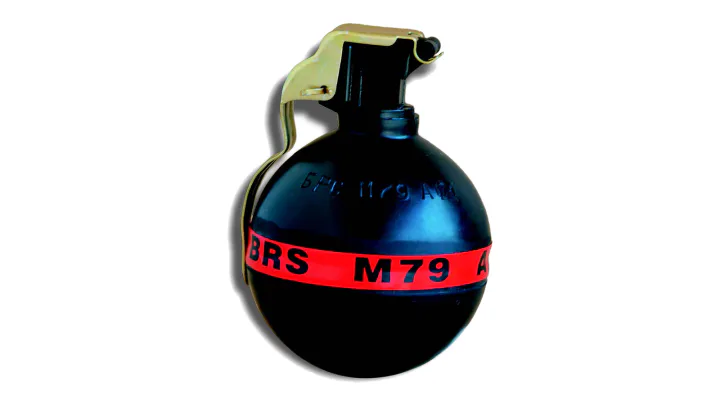
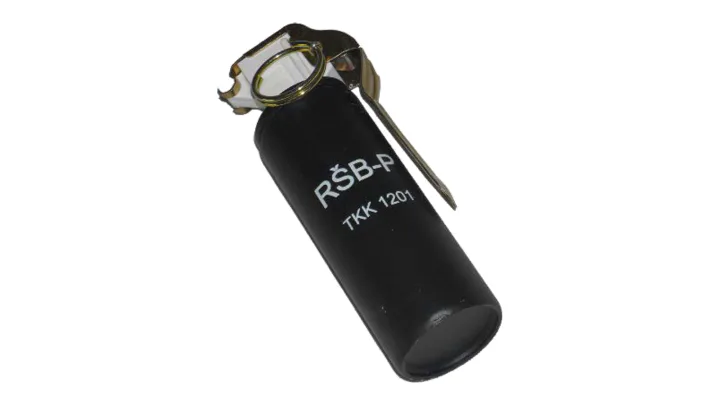
A rapid-emission CS hand grenade carrying 120 g of pyrotechnic irritant mixture to contaminate an area and temporarily disable a crowd through severe eye and respiratory irritation without injury.
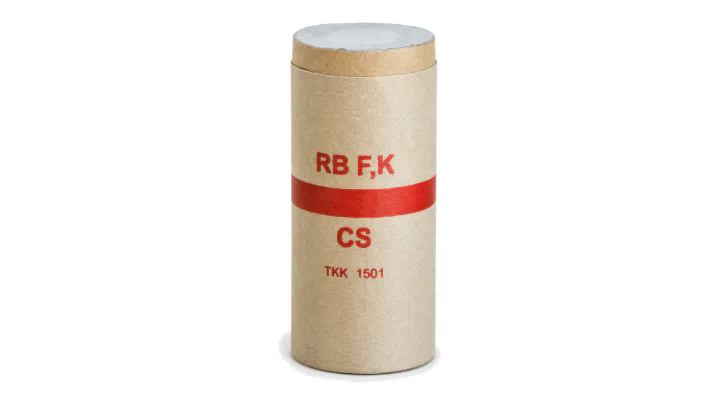
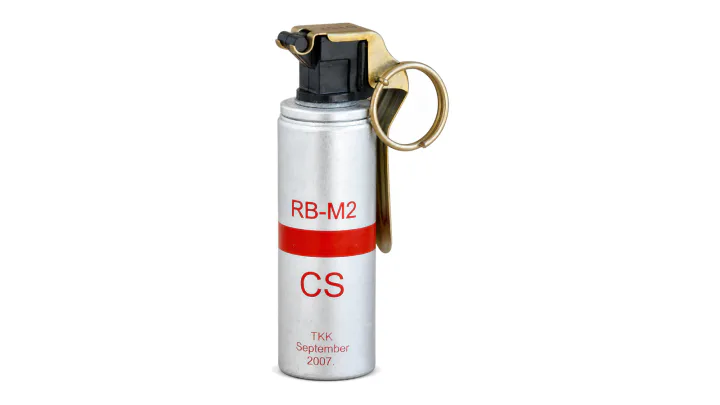
A compact burst hand grenade whose body opens after a delay to release 60 g of formulated CS powder, contaminating an area and temporarily disabling a crowd without injury.
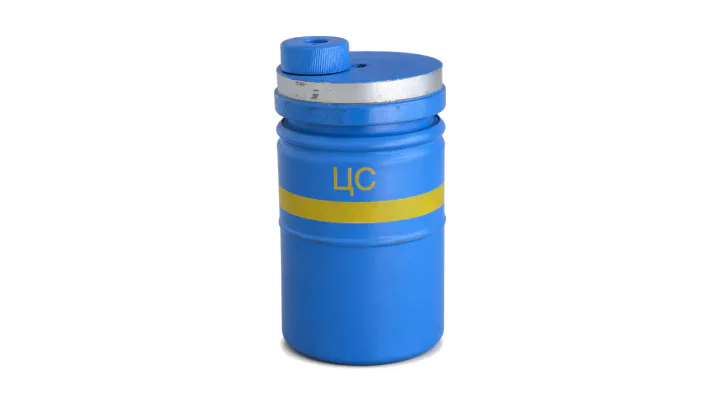
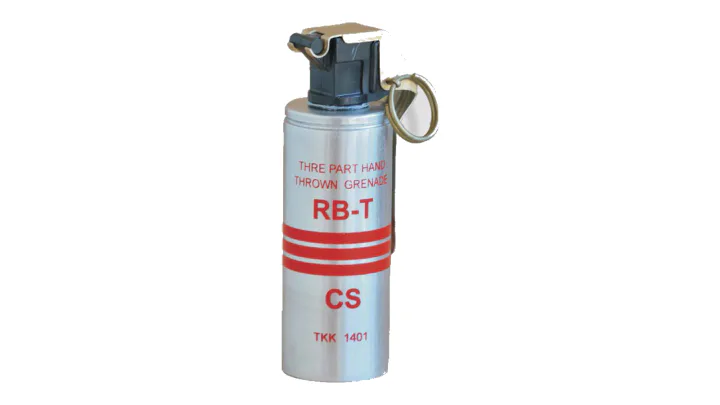
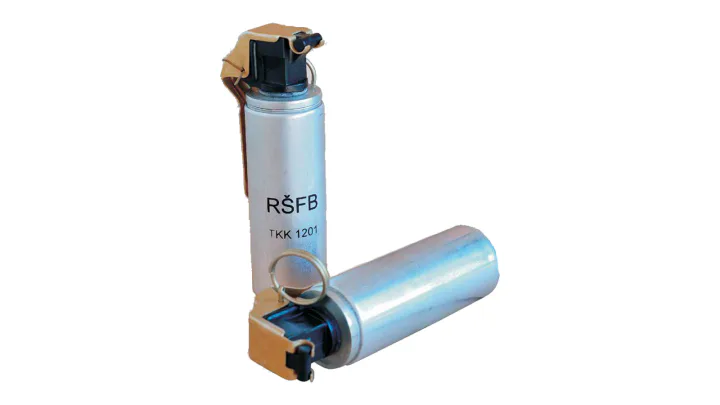
A three-section CS hand grenade for crowd-control operations that contaminates an area in the open or indoors, emitting irritant smoke for about 20 seconds to temporarily disable an unprotected crowd without injury.
A belt of waterproof foam with a synthetic lining, four plastic loops for length adjustment, a triple-retention plastic buckle and reflective tape for easy spotting of the wearer, with holsters that attach by their own belt loops.
Ballistic vest designed for external wearing with two pouches for ballistic plates and a three-point hook and loop attachment system fastened at the sides by flaps rather than elastic bands.
Comfortable and durable ballistic vest with a four-point assembly system and front and rear pockets for ballistic plates, made to NIJ STD 0101.04 Level IIIA in a water-repellent outer shell for all field activities.
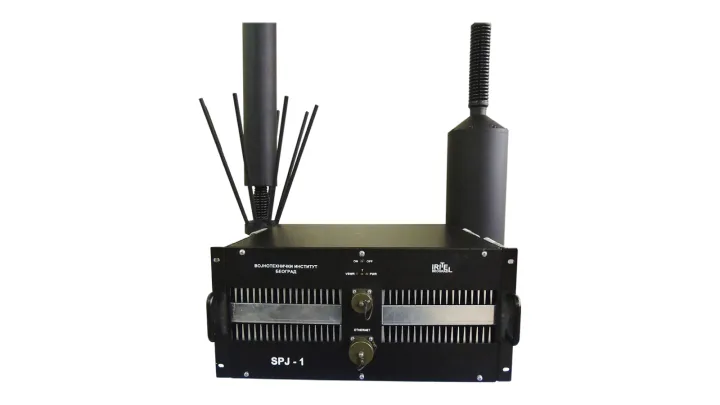
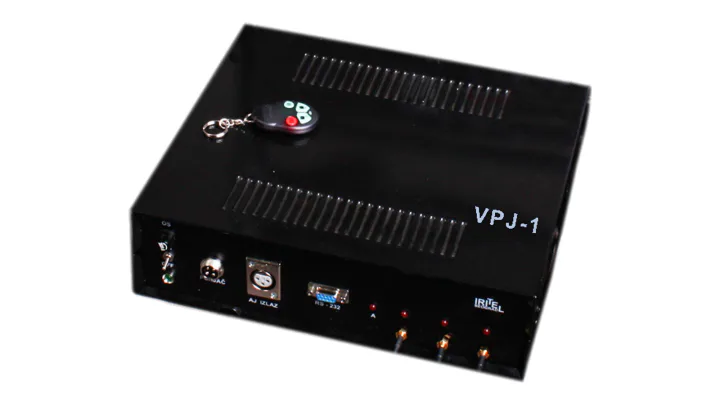
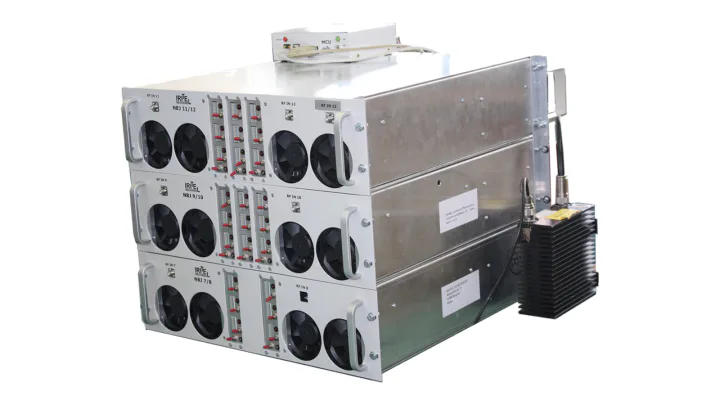
A 6U rack-mounted wideband self-protection jammer against radio-controlled improvised explosive devices, covering 20 MHz to 6 GHz in eight bands with up to 310 W total output and fed by two external multiport omnidirectional antennas.
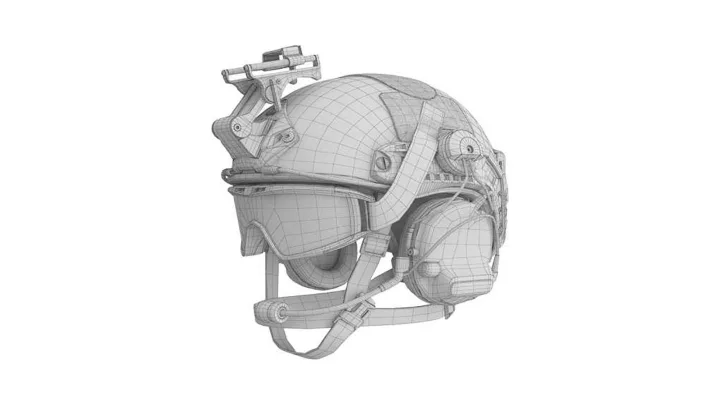
A helmet that lets the wearer communicate and view digital content projected straight onto a transparent visor in front of the eyes, with integrated earphones, microphone and HD micro-display, operated by voice commands or hardware buttons and well suited to pairing with night vision devices.
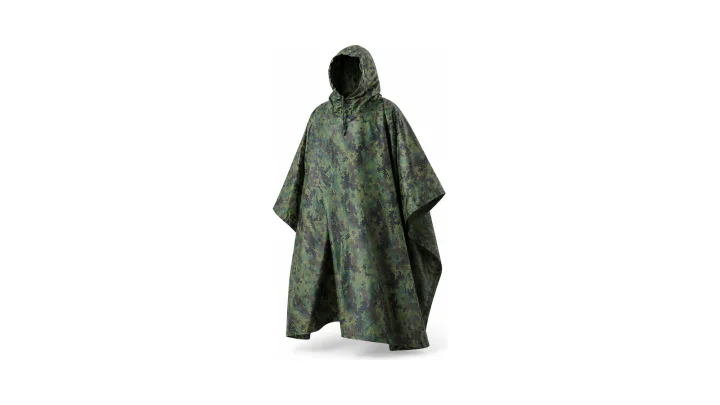
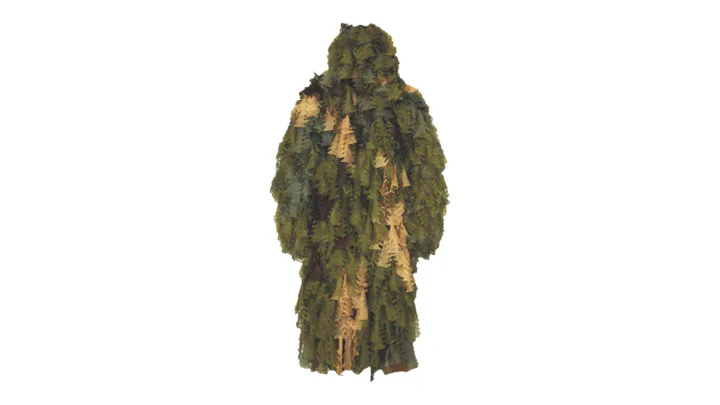
A full-body camouflage set of poncho, sleeves and gloves, stockings, helmet cover, hood and scarf plus weapon camouflage stripes, built on a synthetic mesh dressed with impregnated cloth trimmings so the wearer blends into the natural background while retaining high mobility.
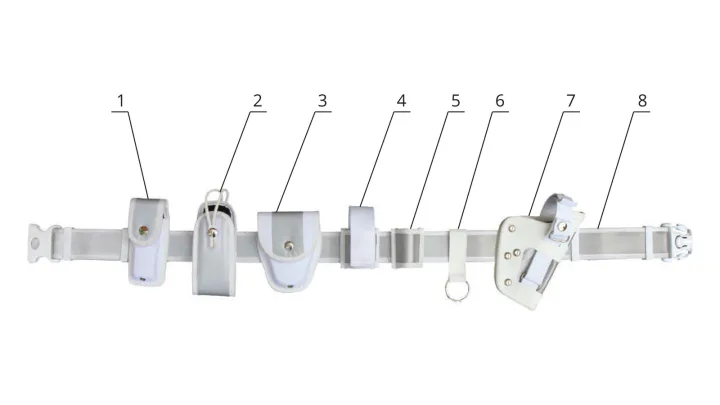
A length-adjustable belt for special units, made of high-durability synthetic cloth padded with foam and bordered with synthetic brim tape, closed by a double-retention plastic buckle and able to take magazine, handcuff, thigh-rig pistol and radio holsters.
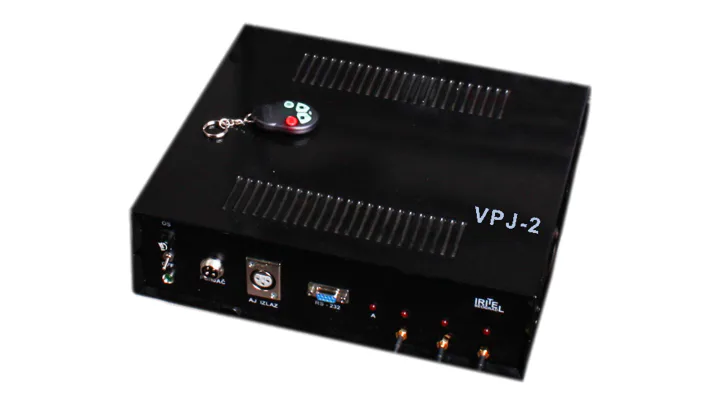
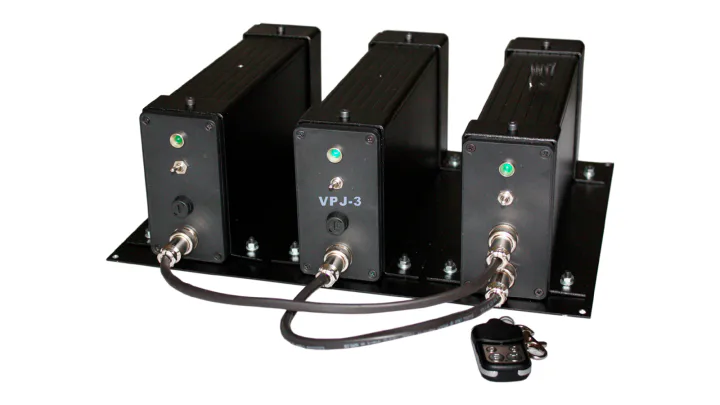
A vehicle-mounted jamming unit for protection against radio-controlled improvised explosive devices and unauthorised use of cellular communication devices, blocking up to three frequency bands simultaneously and independently within 5 to 10 metres of the vehicle.
A vehicle-mounted jamming unit for protection against radio-controlled improvised explosive devices and unauthorised use of cellular communication devices, blocking up to three frequency bands between 100 and 800 MHz simultaneously and independently within a 5-10 metre radius of the vehicle.
A vehicle-mounted jamming unit for protection against radio-controlled improvised explosive devices and unauthorised use of cellular communication devices, covering three bands from 100 MHz to 2500 MHz with three omnidirectional antennas and jamming within a 5-10 metre radius of the vehicle.
A rack-mounted modular wideband radio jammer against radio-controlled improvised explosive devices, covering up to 12 subbands with separate exciter-amplifier modules and used for convoy and VIP protection, anti-terror units, bomb squads and military bases.
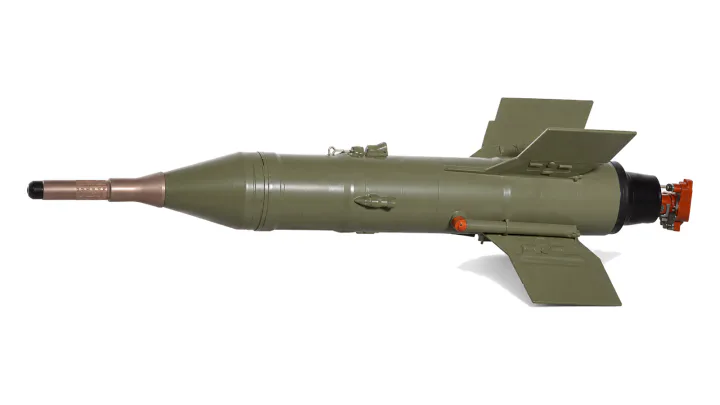
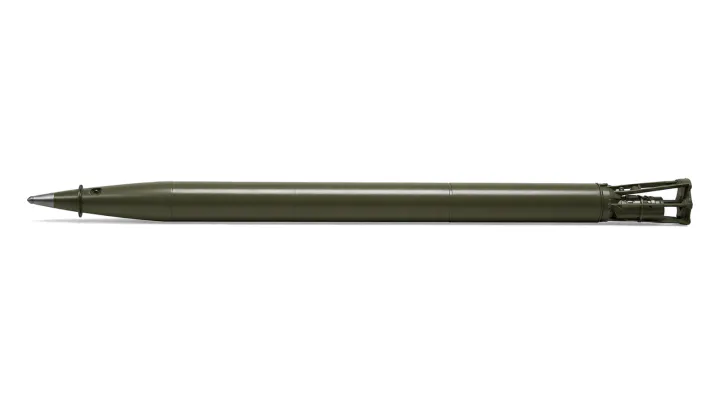
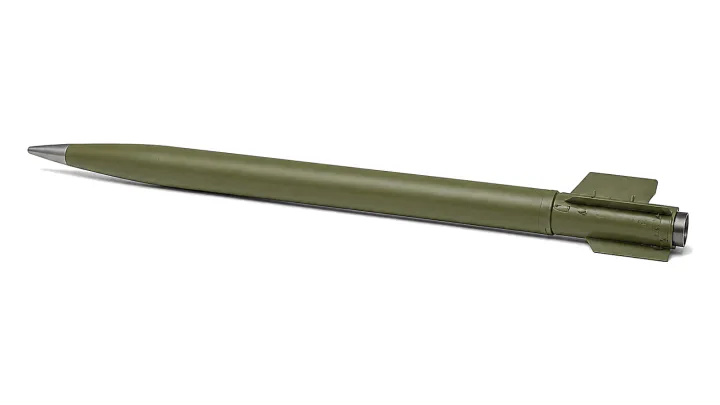
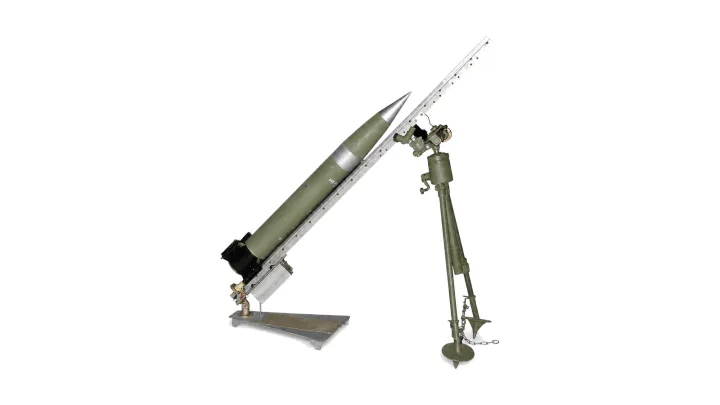
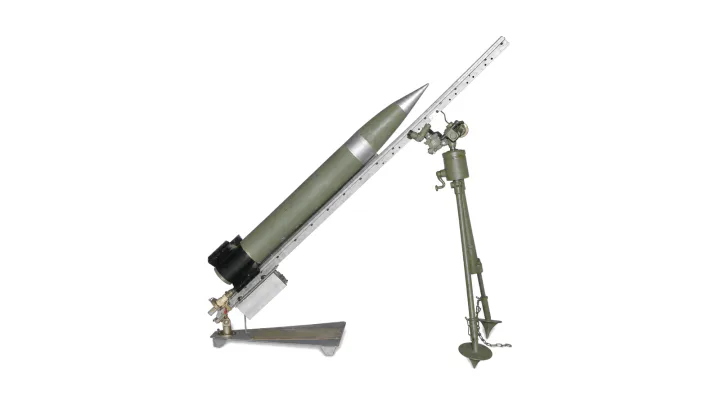
Unguided 128 mm point-detonating demolition rocket for the 32-tube self-propelled launcher, effective against personnel and unshielded or armoured vehicles.
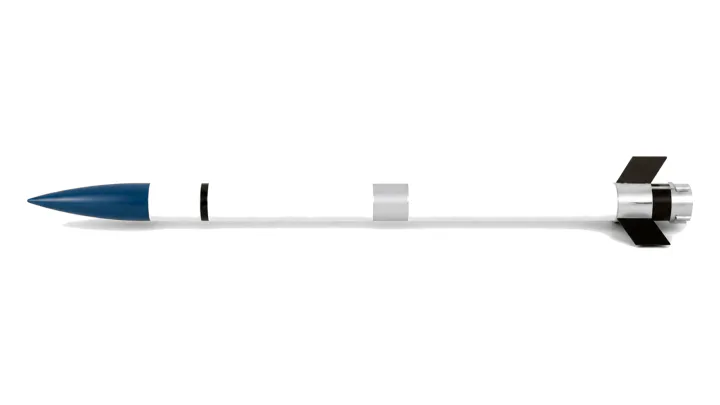
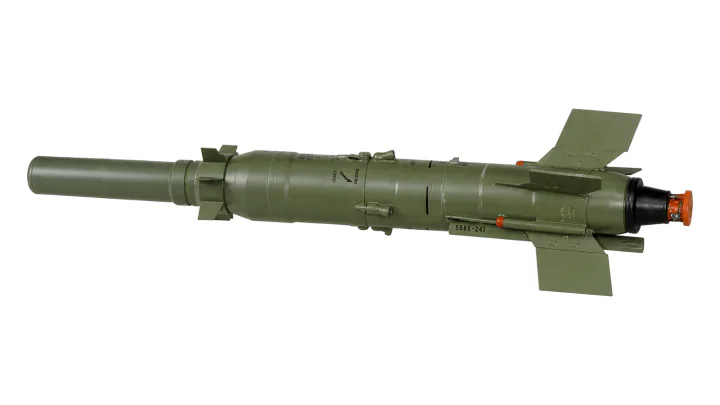
An unguided air-to-surface rocket with a dual-purpose HE/HEAT warhead intended for ground targets including tanks, self-propelled artillery, armoured vehicles and personnel carriers, launch ramps, radar stations, parked aircraft and helicopters, ammunition and fuel stores, and enemy personnel.
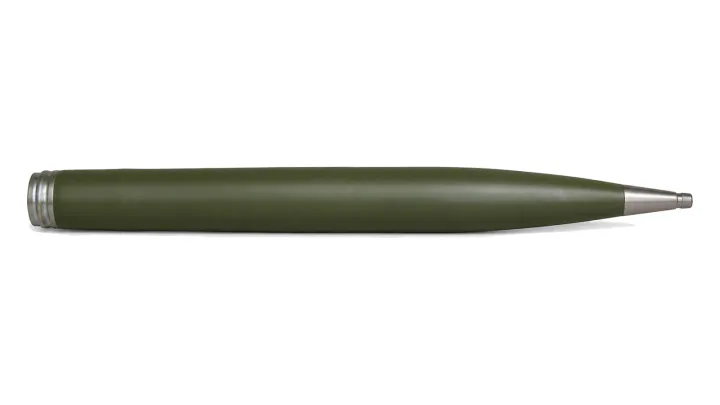
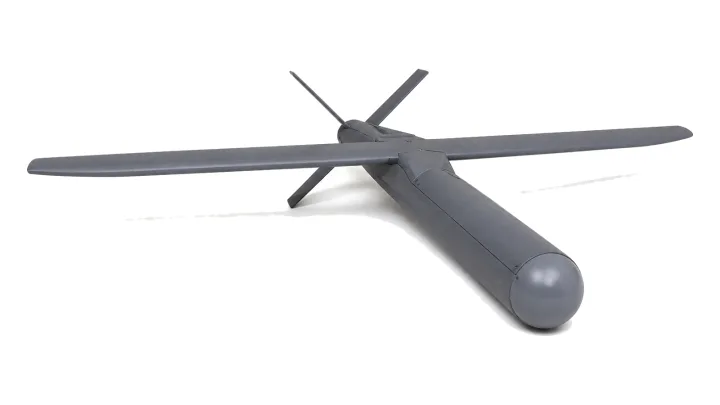
High-explosive fragmentation warhead for equipping unmanned aircraft, built from a warhead assembly with a fragmentation envelope of 6 mm steel balls and an M17SP safety-arming mechanism with associated electronics.
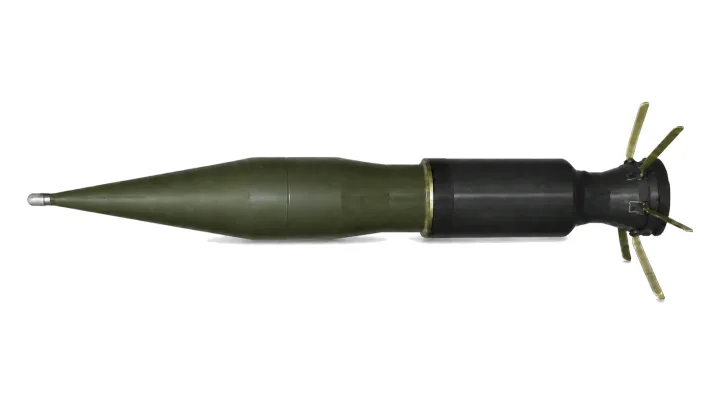
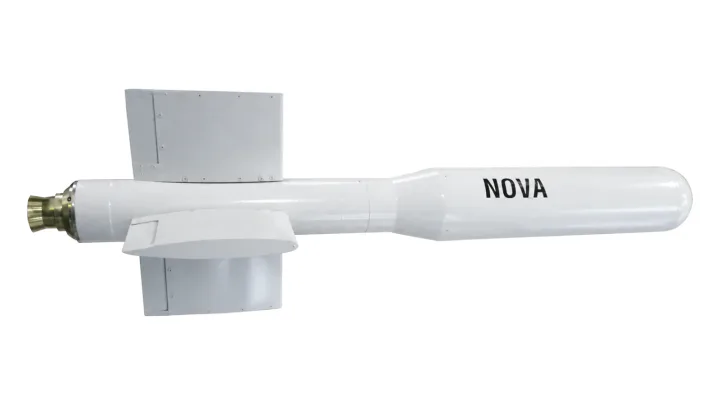
A light shoulder-fired fire-and-forget anti-tank guided missile with a 145/50 mm tandem shaped-charge warhead penetrating over 1000 mm of armour, effective from 0.4 to 2.5 km, weighing 15 kg alone or 17 kg in its container with a 5 kg command launch unit.
A turbojet-sustained guided missile launched from a container by a solid propellant booster, using INS/GNSS mid-course guidance and TV CCD or IIR terminal guidance with contrast/correlation auto tracking, and carrying a tandem-charge HEAT warhead with additional blast fragmentation; it is controlled over a single-mode optical fibre link or an optional two-way C-band radio link.
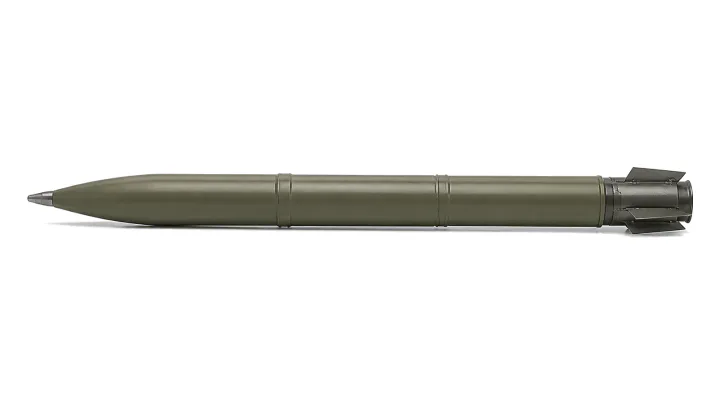
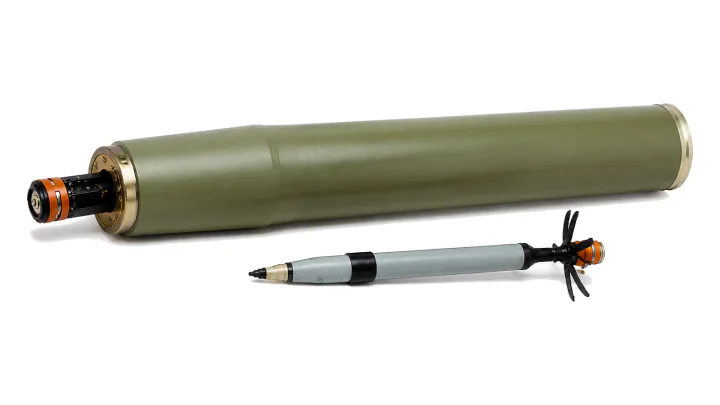
Unguided 262 mm artillery rocket for engaging area targets, offering advantages over guided tactical missiles in being cheaper, simpler to operate, quicker in response time and immune to jamming in flight, with a maximum range beyond 60 km.
Solid propellant rocket motor of 262 mm calibre with a single-piece cylindrical propellant grain inhibited along the outer surface and forward end, containing two propellants of differing burning rate to give a high loading factor and almost neutral burning.
An unguided 262 mm artillery rocket for modular multiple launch rocket systems, reaching 70 km with a CEP of about 400 m, offered either with a high explosive fragmentation warhead containing steel balls or with a thermobaric warhead, in both cases fitted with an impact or proximity fuze.
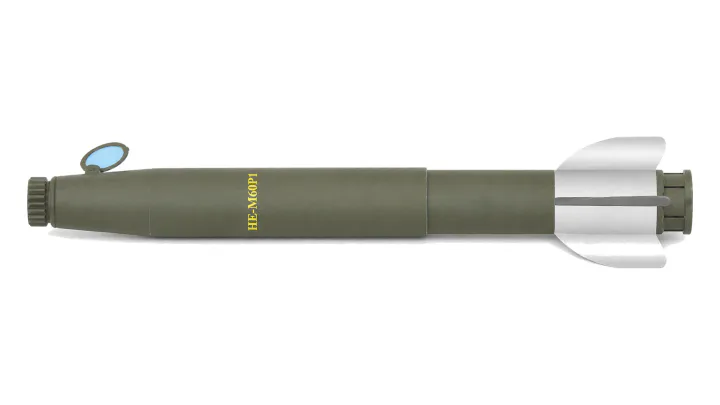
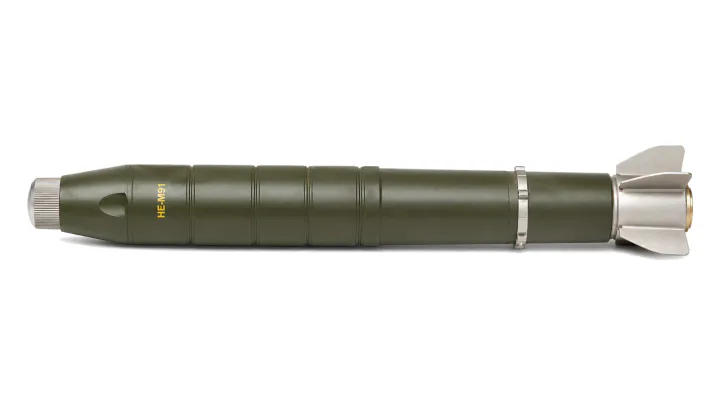
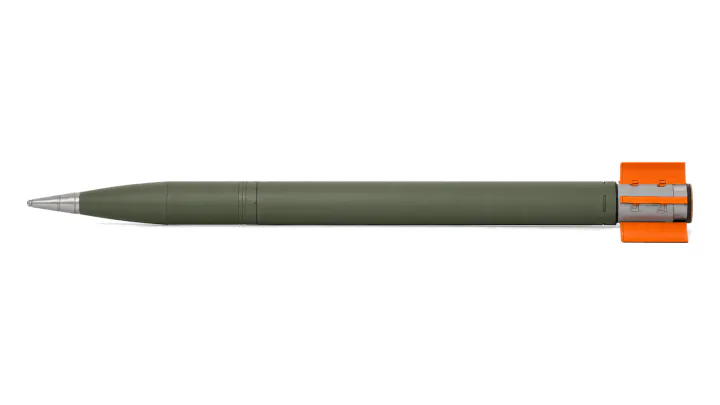
Pre-formed fragmentation high-explosive bomb launched from a short-range unmanned aerial vehicle to destroy personnel inside and outside shelters as well as technical and material means.
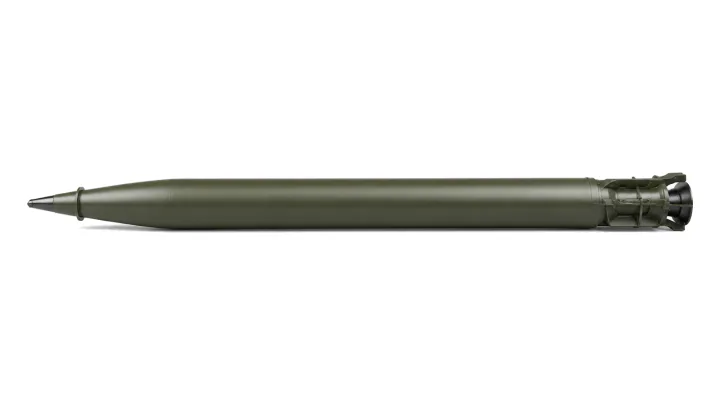
Correctable 400 mm artillery rocket designed to destroy enemy area targets and large point targets such as military bases, airports, ports and port facilities, transport nodes and factories at distances of up to 285 km.
A 57 mm electrically ignited illuminating rocket made up of a parachute and flare section, a time delay unit and a rocket motor, fired from 57 mm straight and helical rocket launchers to illuminate the field during combat operations and for surveillance and identification of vessels during coastal patrol.
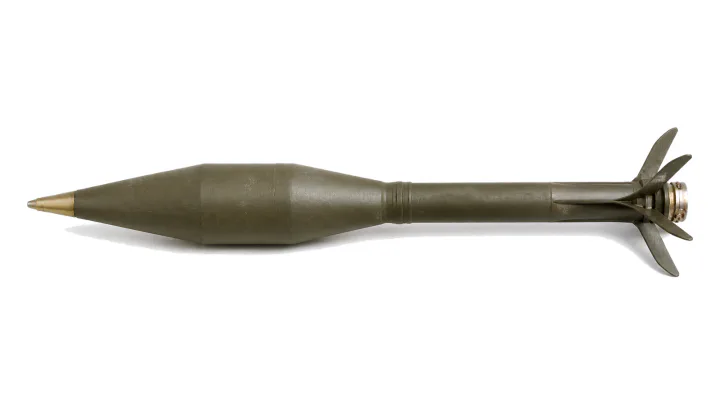
An 80 mm unguided aviation rocket with a hollow-charge fragmentation warhead of impact effect, used from aircraft and helicopters against armoured ground targets such as tanks, self-propelled guns and armoured personnel carriers, unarmoured targets such as launchers, radar stations and parked aircraft, and enemy forces.
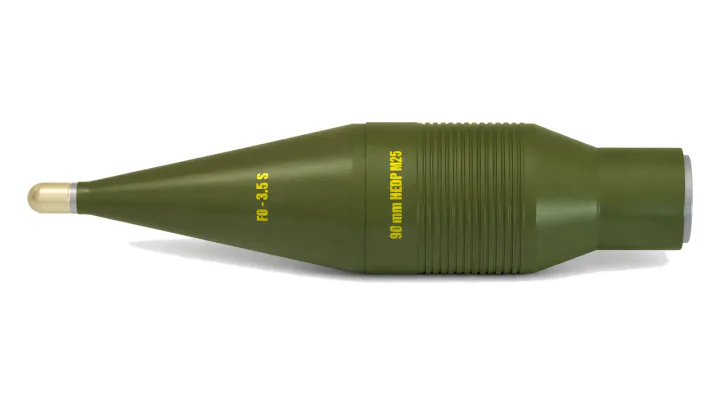
Multi-purpose shaped-charge fragmentation warhead for destroying armoured and unarmoured ground targets, fortified structures, missile launchers and personnel, mountable on the single-use armed drone KOMARAC 2, the OSICA system or the 90 mm RBR M79 hand-held rocket launcher.
Portable fire-and-forget light attack missile system with 0.5 to 8+ km range, INS mid-course guidance and radio-linked TV/IIR homing, supplied as missile/container, launcher and ground control station and offered with 145 mm or 120 mm shaped-charge or 7 kg free-ball proximity-fuzed warheads.
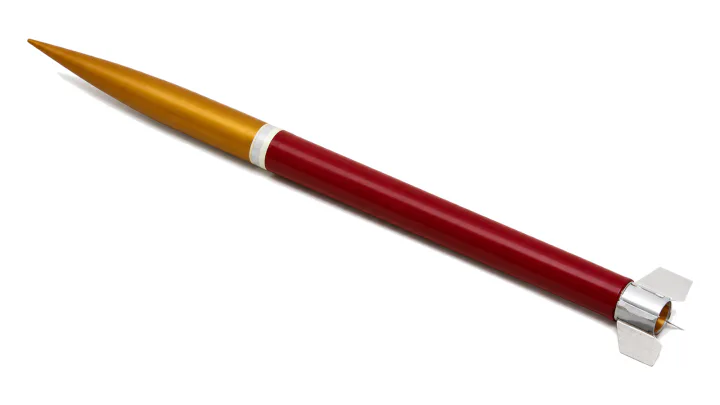
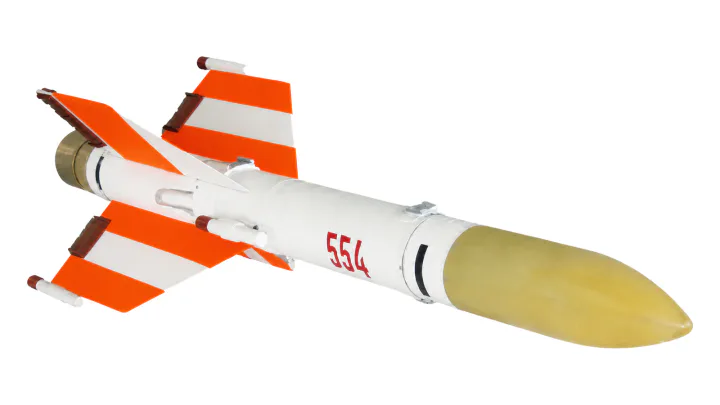
Air-launched programmable rocket target with self-contained guidance, used as a live-fire target for AD missiles, air-to-air missiles and radar-directed AA artillery.
Family of container-launched RAVEN 145 reconnaissance and loitering strike vehicles with electric, gasoline or turbojet propulsion, INS/GPS/GLONASS navigation and optional TV or IIR terminal homing, offered with tandem anti-armour and blast-fragmentation warheads.
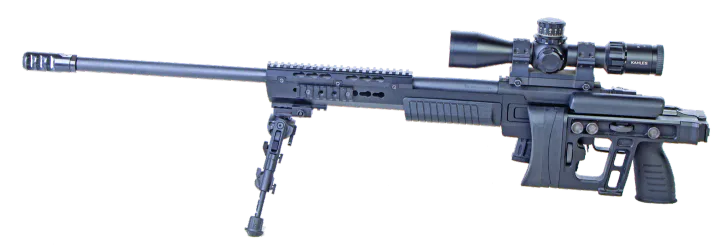
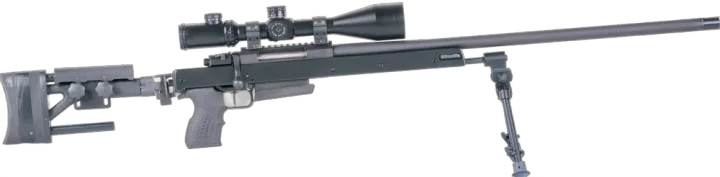
Bolt action sniper rifle M07M in .338 Lapua Magnum, based on the Mauser M98 mechanism, with a cold forged heavy barrel, fully adjustable folding stock, receiver and Picatinny rail machined from one block of material, adjustable single trigger mechanism, a three-position mechanical safety and a recoil-reducing muzzle brake; effective to 1300 m.
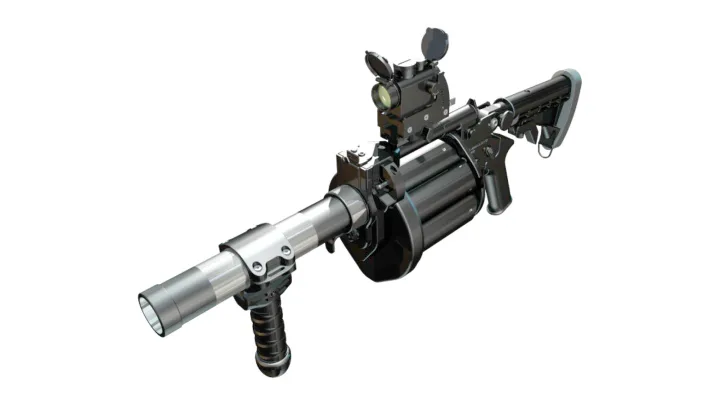
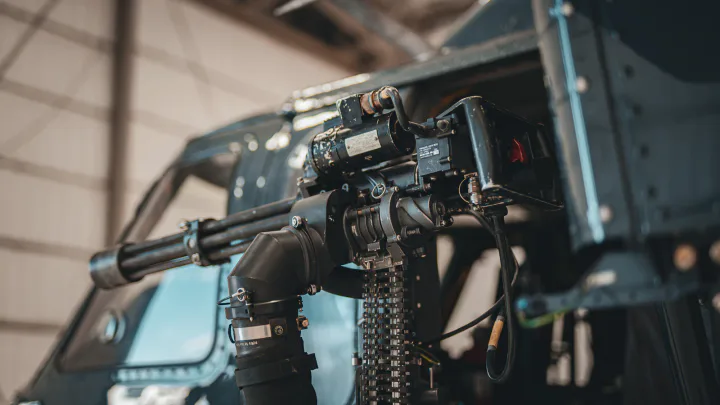
7.62 x 51 mm minigun supplied in crew-served and fixed-forward configurations with steel, hybrid or marinized construction, a maximum effective range of 1200 m and ammunition magazines holding up to 3,000 rounds.
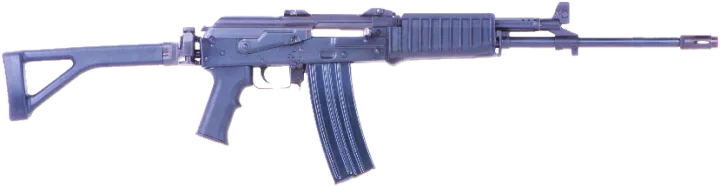
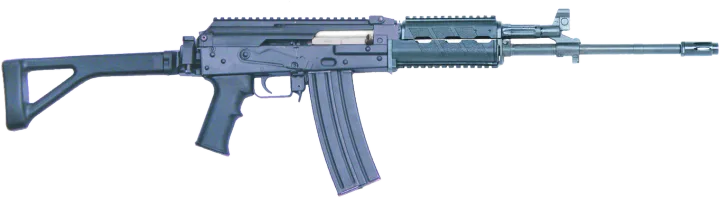
Light machine gun M05G1 in 7.62 x 39 mm, based on the light machine gun M72, with a cold forged fluted barrel for quick cooling and long service life, a folding polymer stock reinforced with fibreglass, a built-in folding bipod, iron sights with tritium tubes for low-visibility aiming and a 30-round polymer magazine common to the 7.62 x 39 mm automatic weapons range.
A compact, well-balanced 7.62 mm submachine gun of Kalashnikov operating system with a hammer-forged barrel for accuracy, automatic and semi-automatic fire, a 30-round polymer magazine, a flash hider that masks the firer's position and tritium-tube iron sights for night aiming.
Gas-operated 7.62x54R machine gun intended for mounting on tanks and combat vehicles as a gun fixed to the turret, fired by electric trigger with a mechanical triggering lever, without sights because it is directed onto the target by the tank fire control system.
Electrically driven automated device for fast and safe loading of magazines of the most common rifle models in multiple calibres, which also stores ammunition in cassettes and provides RFID-based electronic administration, data collection and data processing of ammunition consumption.
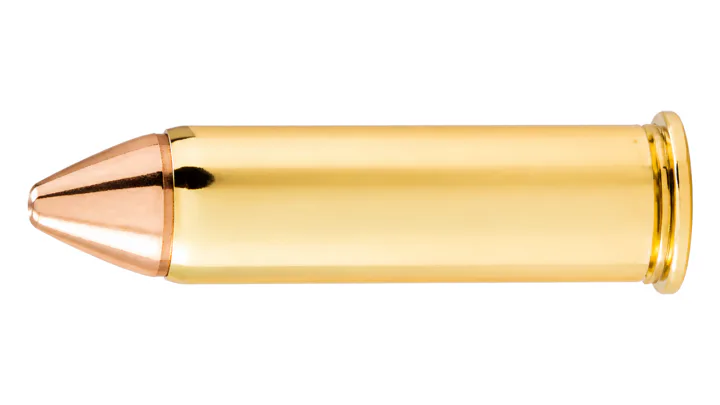
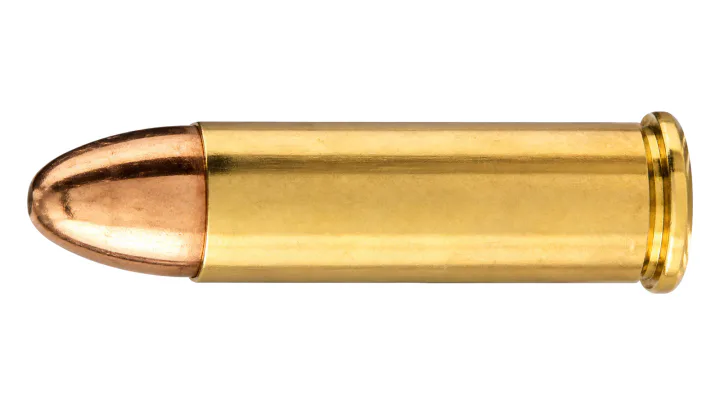
Revolver cartridge with a lead and antimony core bullet of 10.2 g (158 gr) and an average velocity of 270 plus or minus 15 m/s, made to C.I.P. and SAAMI standards.
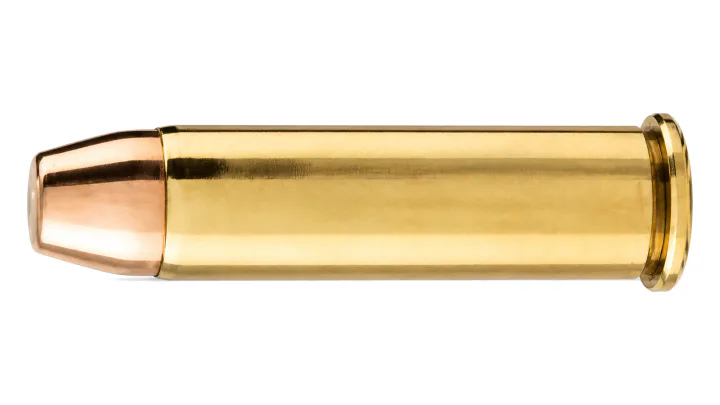
A .44 Magnum revolver cartridge with a lead/antimony core bullet, offered as a 11.7 g full profile jacketed loading and a 15.5 g semi-jacketed hollow point loading, both to C.I.P. and SAAMI standards.
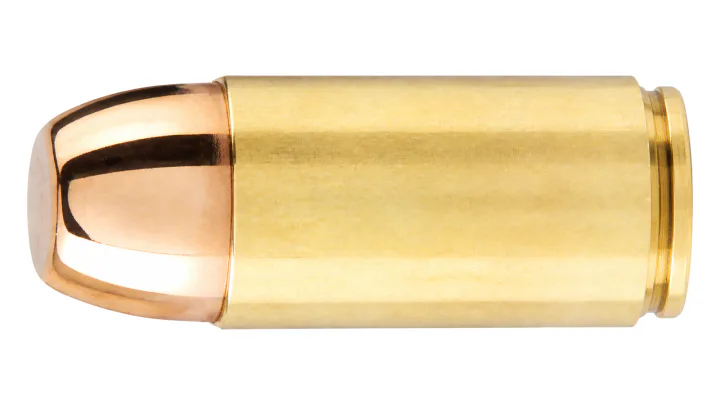
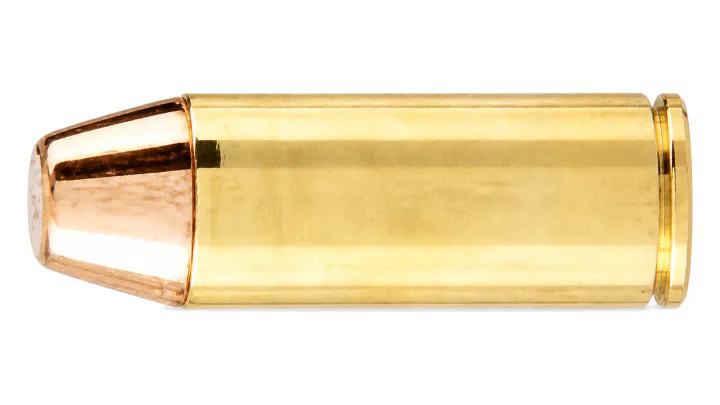
A 10 mm Auto pistol cartridge with a full profile jacketed lead/antimony core bullet of 11 g, made to CIP and SAAMI standards for 10 mm Auto calibre weapons.
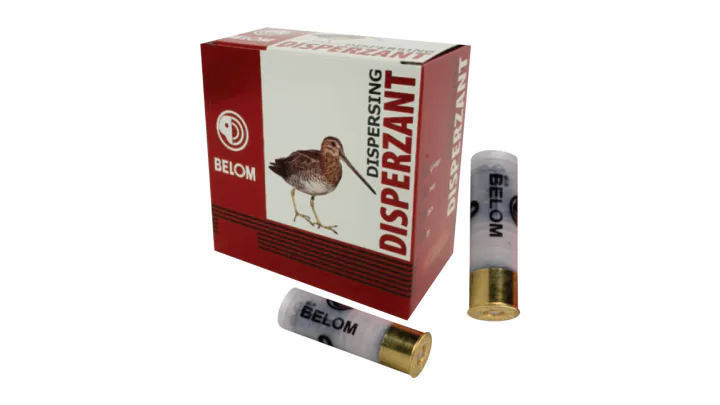
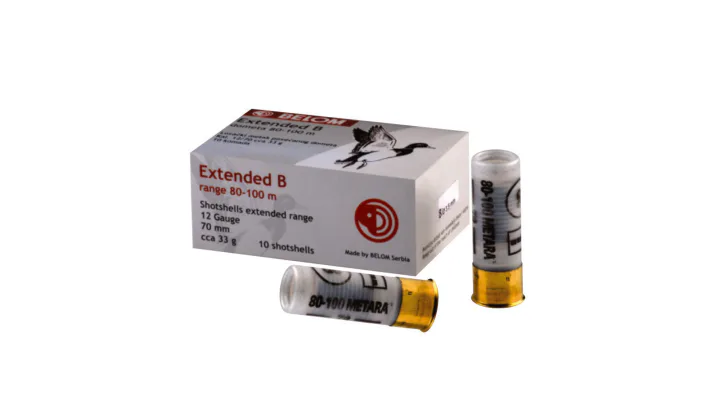
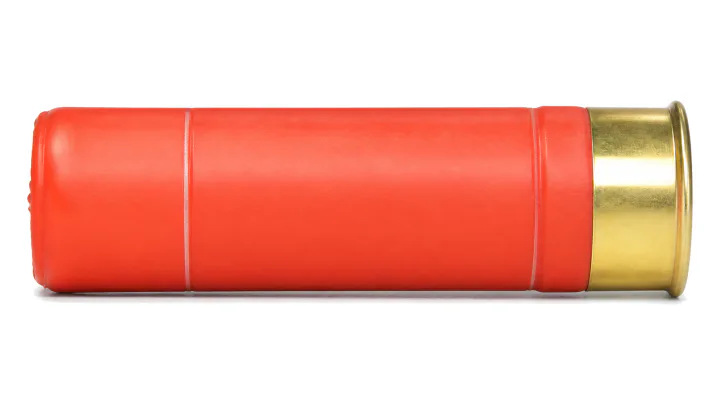
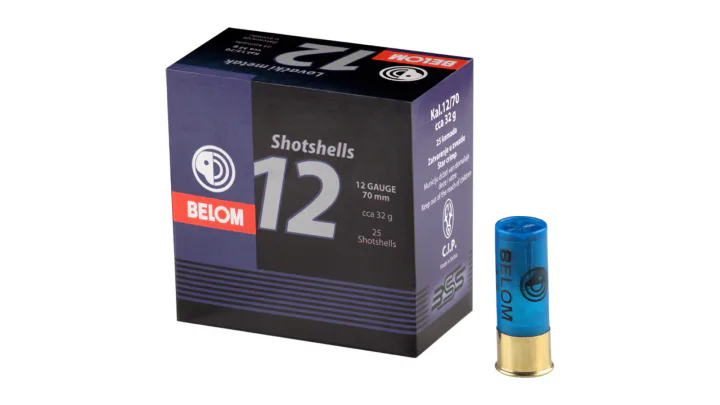
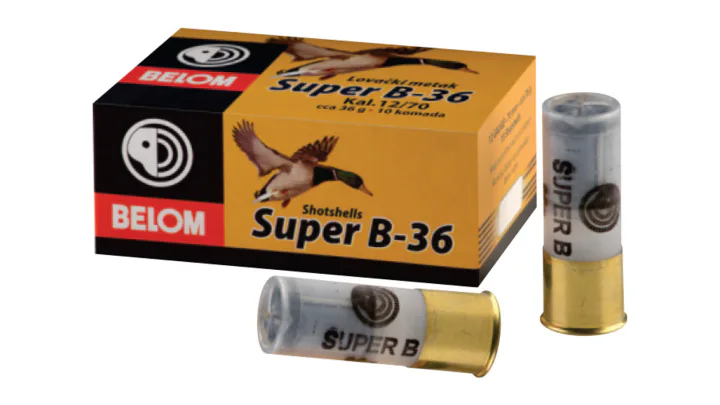
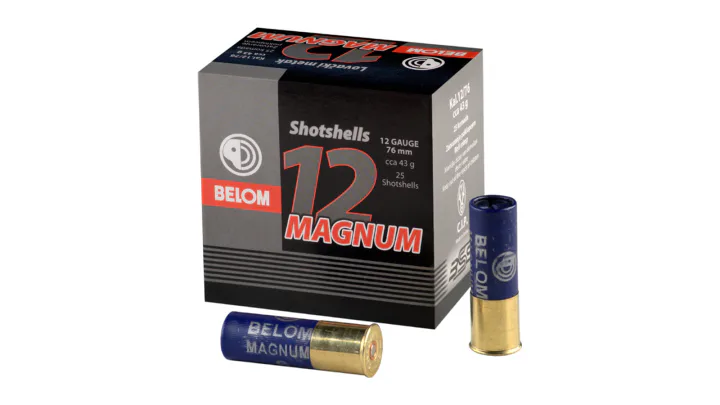
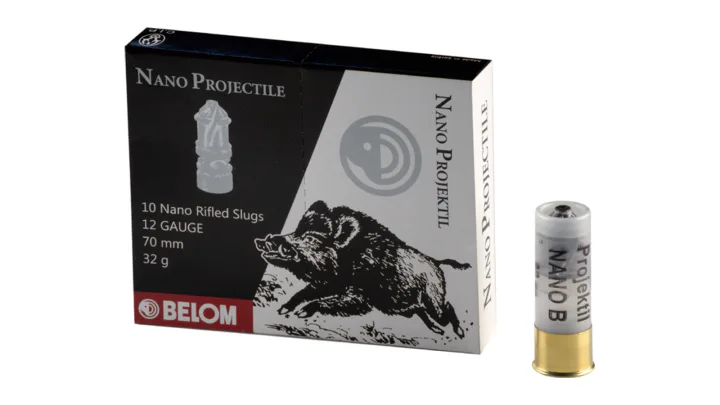
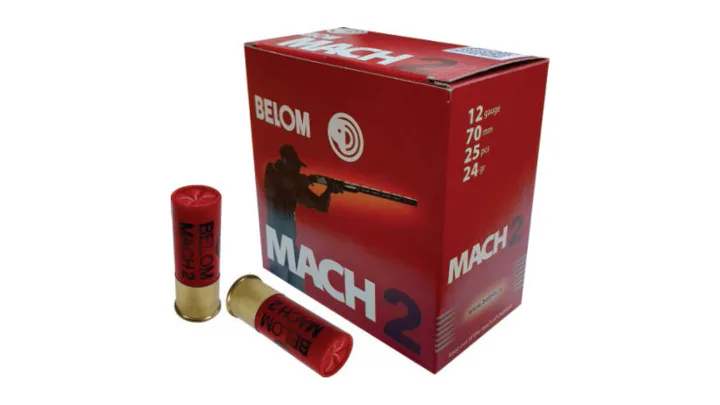
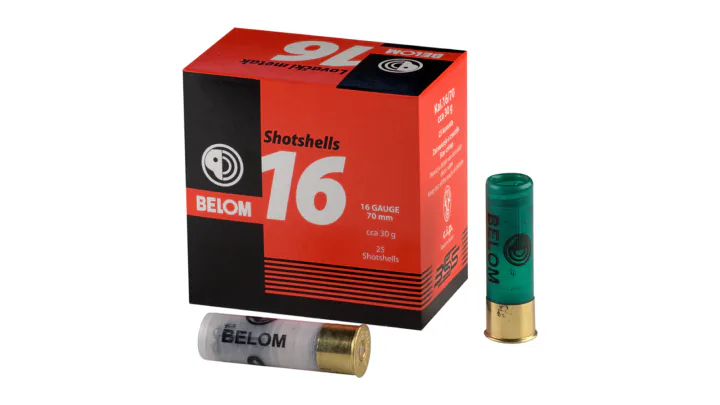
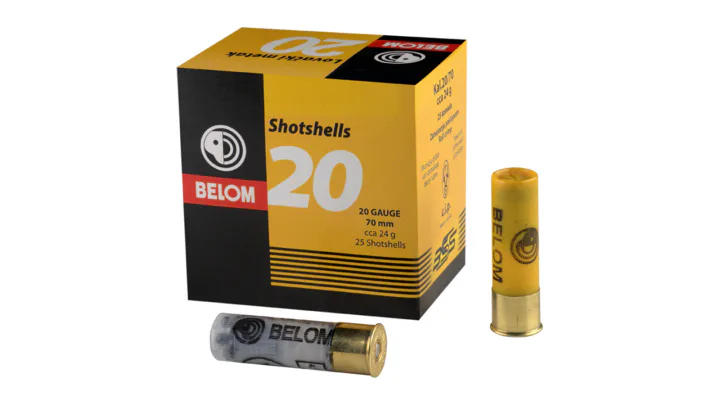
A 12 gauge hunting shotshell in a 70 mm case, offered in three loadings with lead charges of 32 g, 28 g and 32 g and V1 velocities of 387, 441 and 434 m/s.
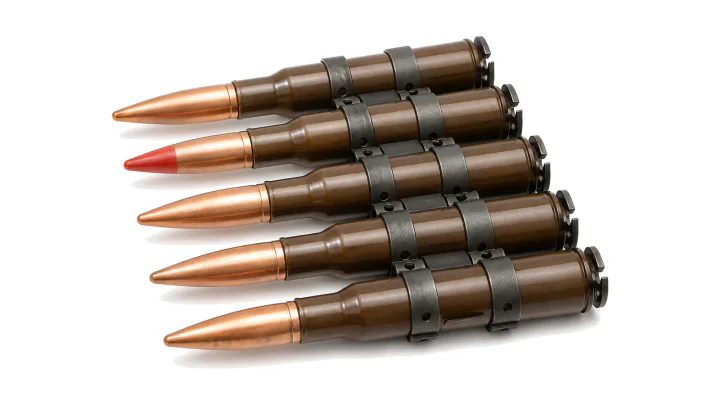
Belt of 12.7 x 99 mm steel-case cartridges linked four ball to one tracer for use against personnel from .50 calibre machine guns, with a bullet velocity of 886 m/s at 24 m.
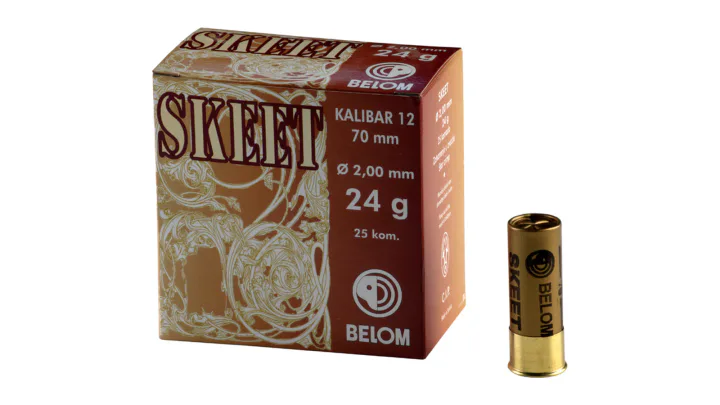
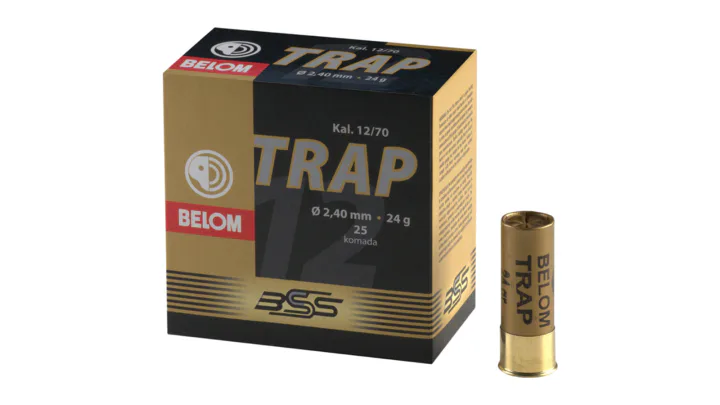
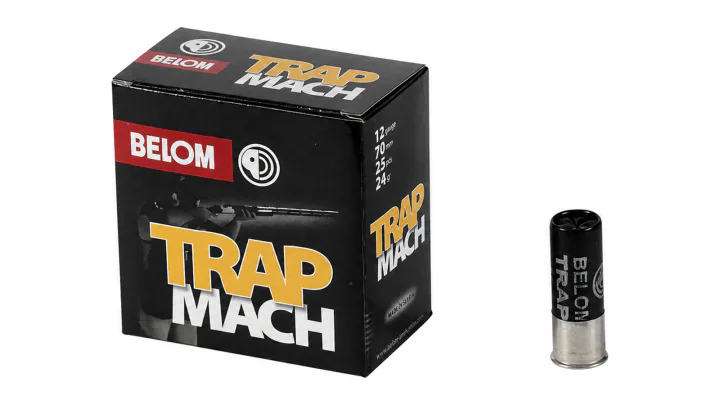
Gauge 12 sporting shotgun cartridge on a 70 mm case with a 24 g lead charge of 2.4 mm pellets and 5% silver antimony content, giving a V1 velocity of 415 m/s.
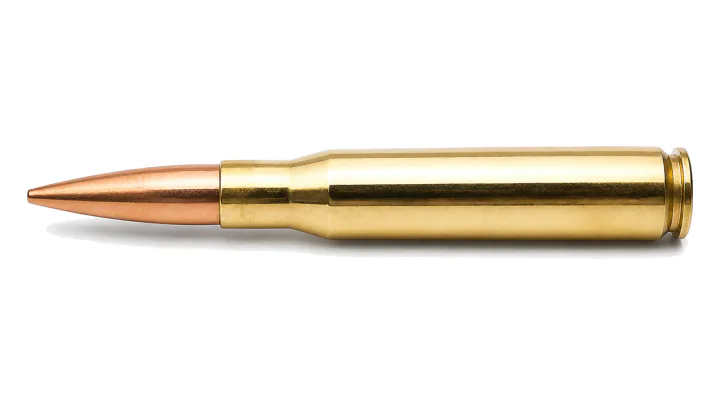
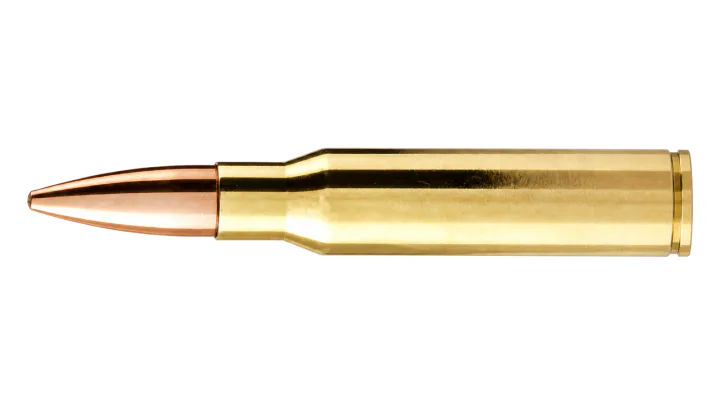
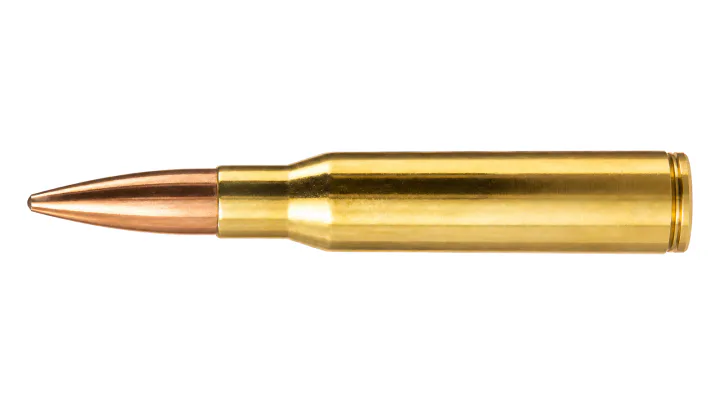
A .308 Winchester match cartridge with a heavier 12.3 g / 190 gr hollow-point boat-tail match bullet at about 740 m/s, for sniper rifles with 9.5-12 inch twist barrels.
A 7.62 x 51 mm NATO match rifle cartridge M852 with a 168 gr lead/antimony core bullet, made to MIL-C-63450 and offered in Berdan or Boxer primed versions.
A 7.65 mm Browning (.32 Auto) pistol cartridge with a lead/antimony core ball bullet, made to C.I.P. and SAAMI standards for pistols of 7.65 mm calibre.
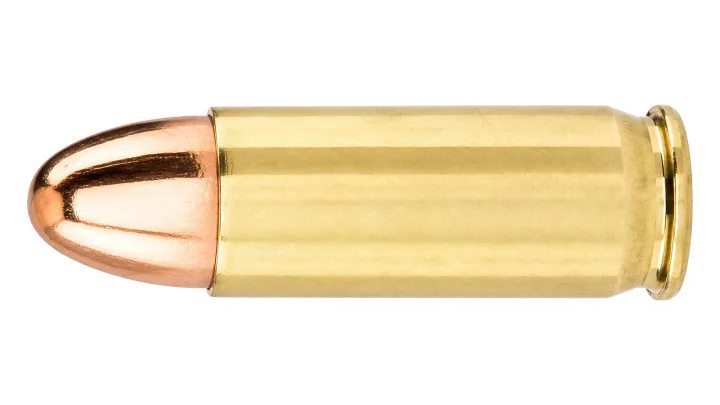
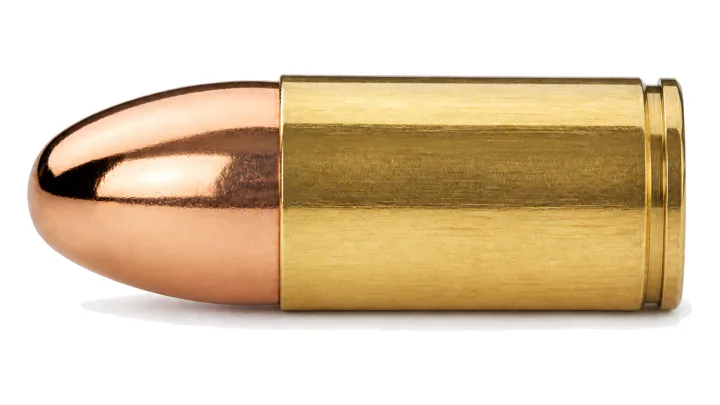
Subsonic 147 gr cartridge with a lead/antimony-core bullet for 9 x 19 mm Parabellum weapons.
Specifications →
No matching products
Try fewer words or remove a filter.
Try searching for:
Filter by domain, calibre, nature and standard; the list narrows as you choose. Specifications are published on the page, not locked inside a download. Quotations are issued to government end-users and licensed entities against a verified End-User Certificate.