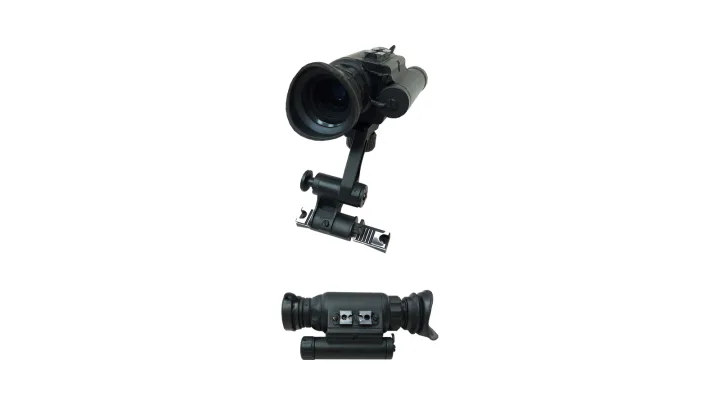
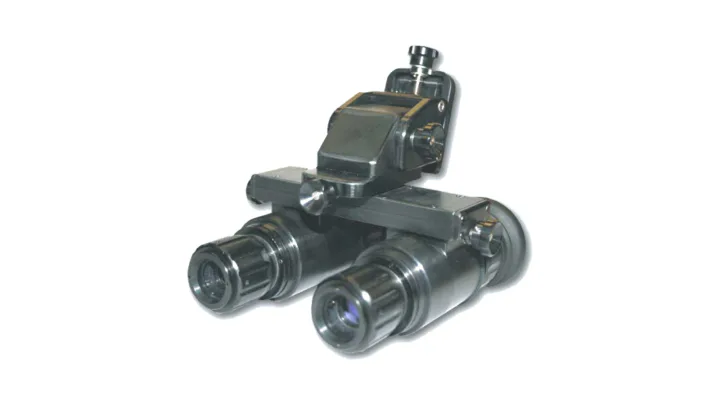
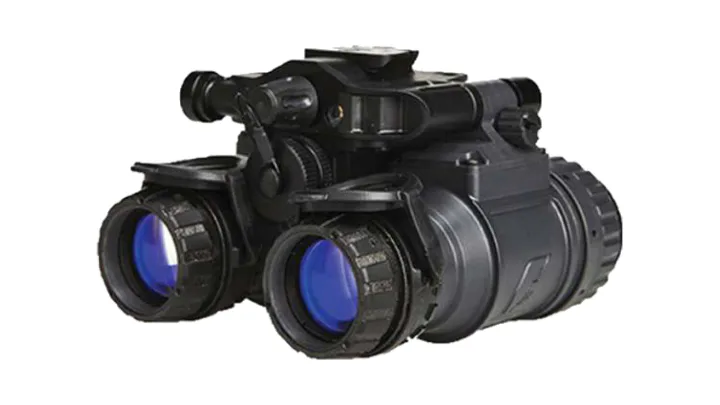
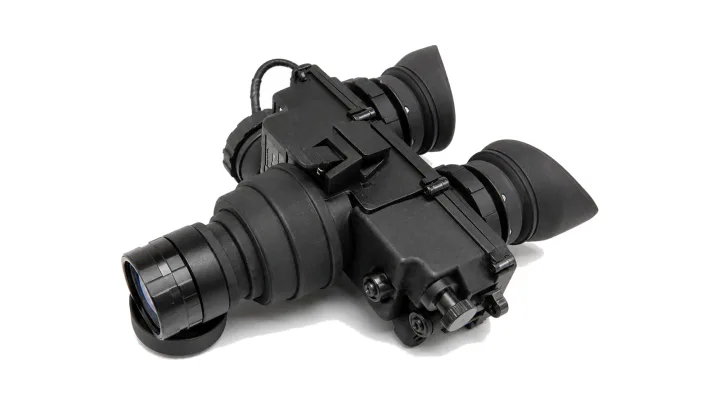
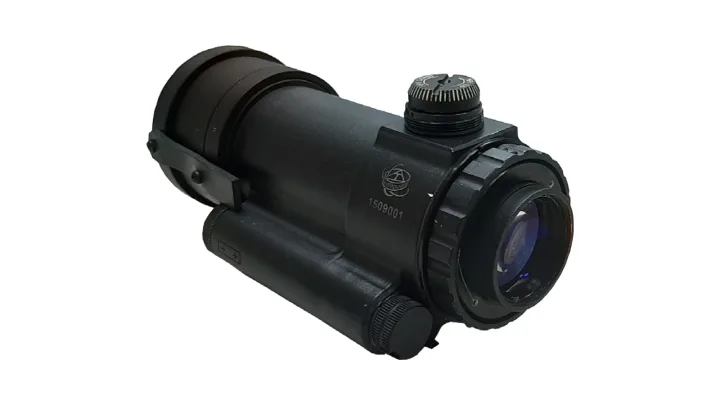
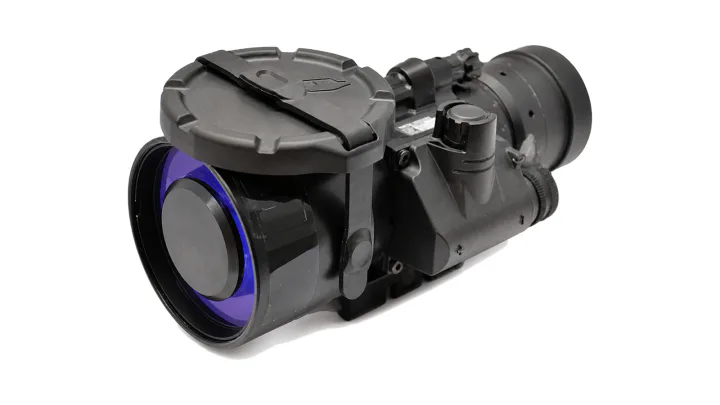
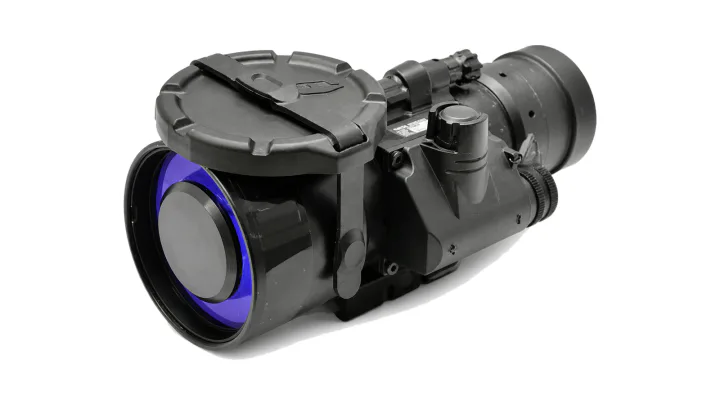
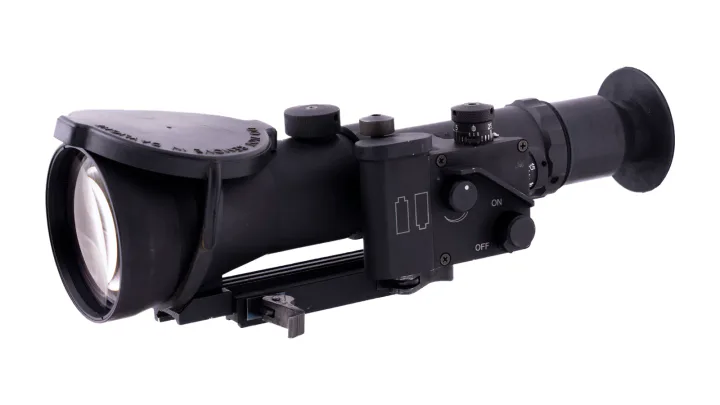
This collection covers the electro-optical equipment of the catalogue, from the image intensifier tube as a component through night vision goggles, monoculars and weapon sights, to day optics, reflex and thermal sights, laser rangefinders and forward observation units, armoured vehicle periscopes and driver vision systems, and laser warning receivers. Each group page explains how the equipment is specified in a tender and what separates the models, and every product entry lists the published specifications.
Line items
68
Calibres
2
Natures
1
Standards
NATO · Eastern
Image Intensifier Tubes - Gen I, Gen II+ and Gen III in 18 mm, 25 mm and 40 mm
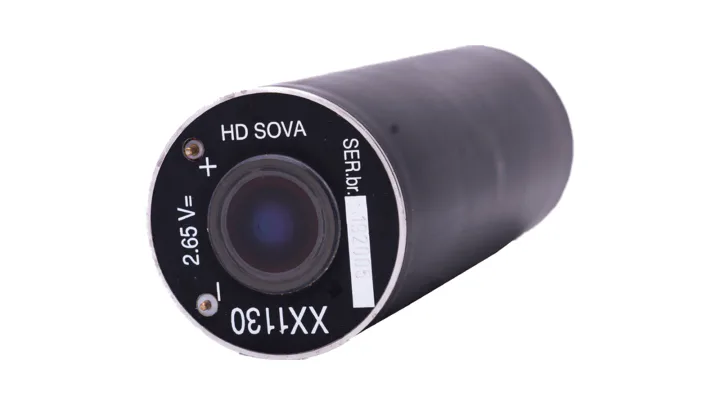
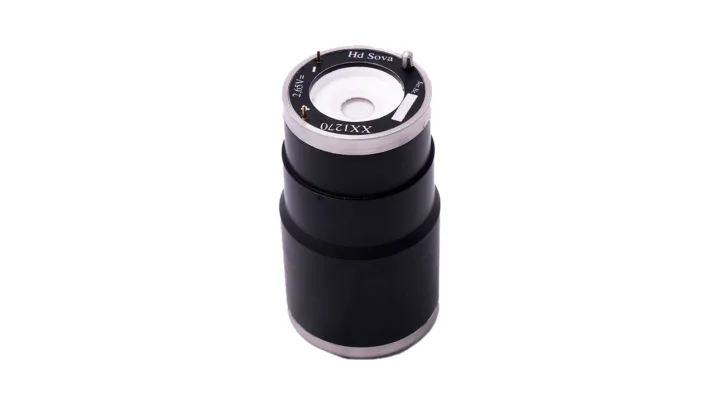
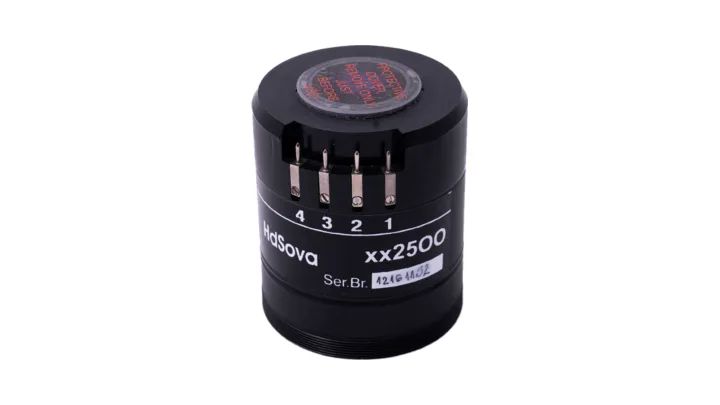
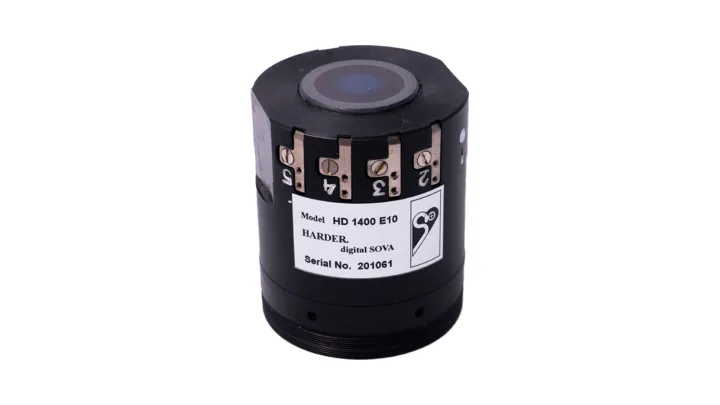
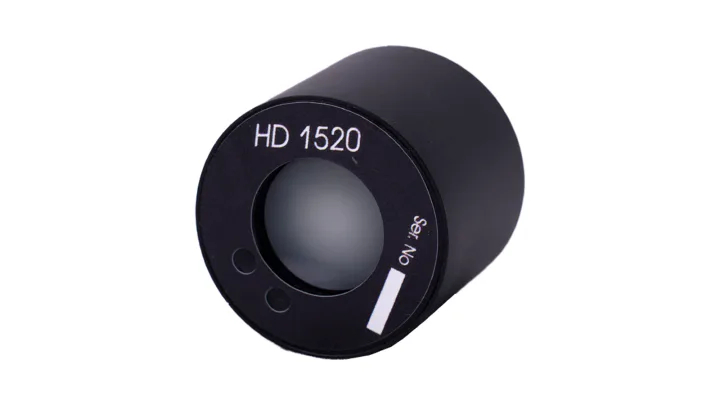
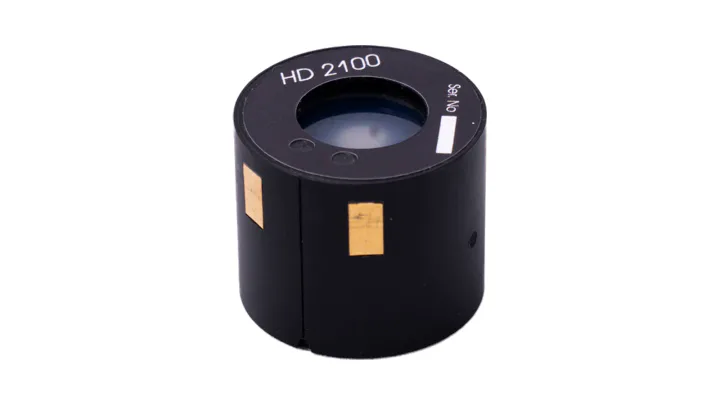
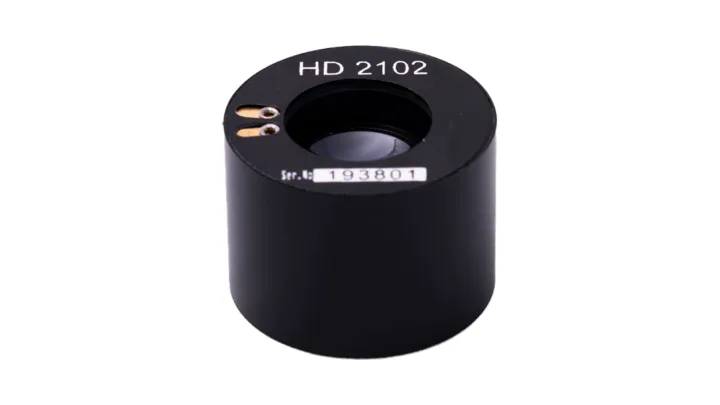
This group holds the image intensifier tubes and assemblies at the heart of the night vision sights, goggles and periscopes in the catalogue. Formats run from 18 mm Gen II+ and Gen III tubes, inverting and non-inverting, such as HD 2100, HD 2102 and HD 1520A, through the 25 mm HD 1400 and HD 1400 E10 assemblies, to the 40 mm HD 1430 single-stage tube and the Gen I cascade tubes HD 1211A, HD 1270 and HD 25/25. Each entry lists photocathode sensitivity, luminous gain, limiting resolution, MTF and MTTF as published.
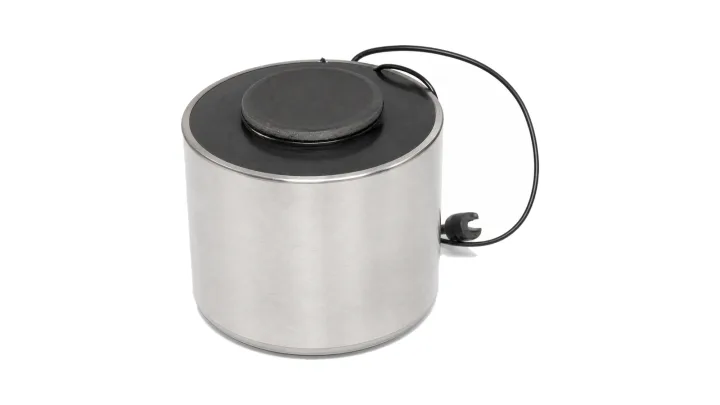
Single stage electrostatically focused image intensifier with 40 mm useful diameter for the AN/VSG-2 tank system, powered from an external high voltage supply.
Type
Single stage, electrostatic focusing, 40 mm useful diameter
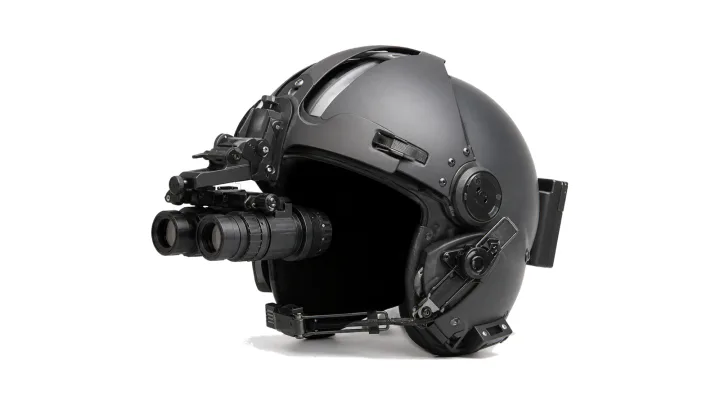
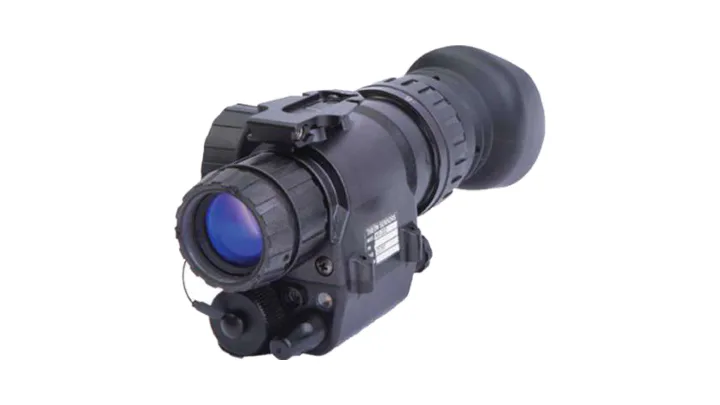
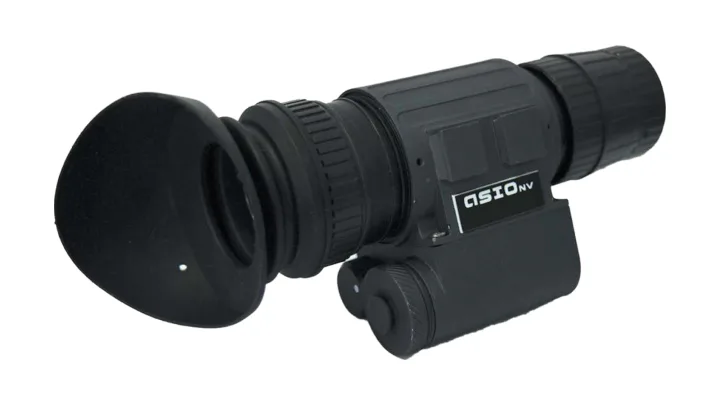
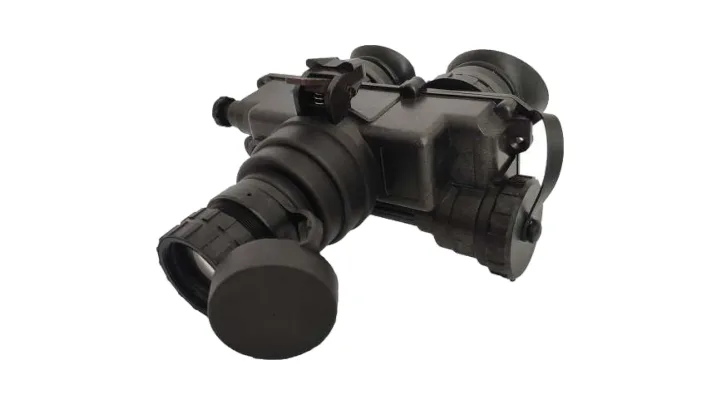
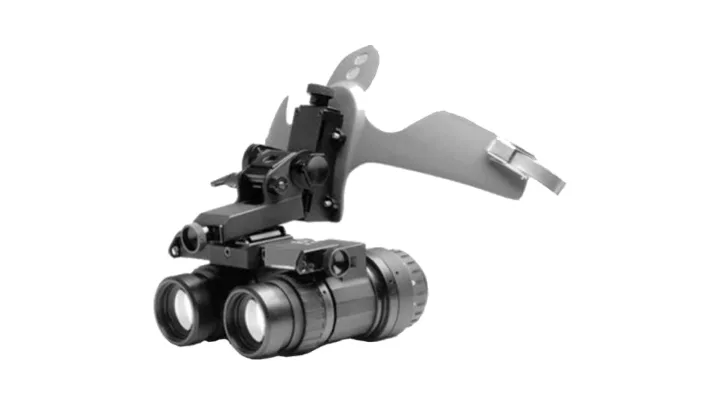
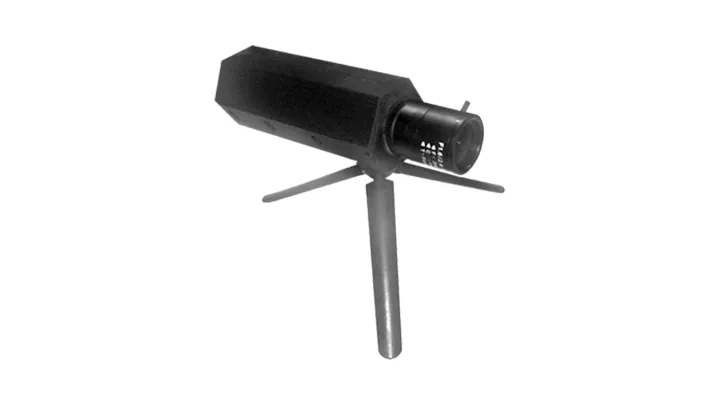
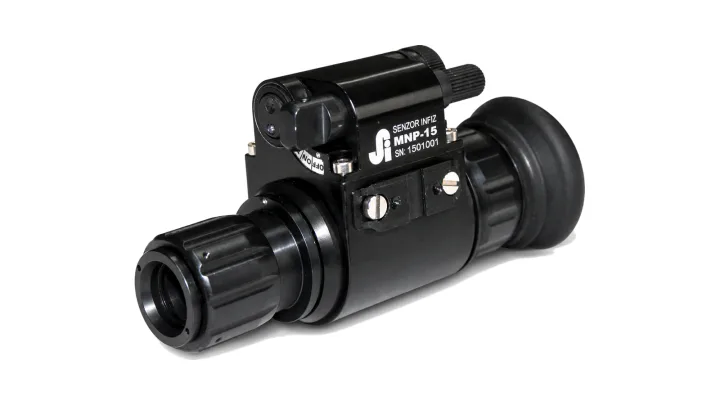
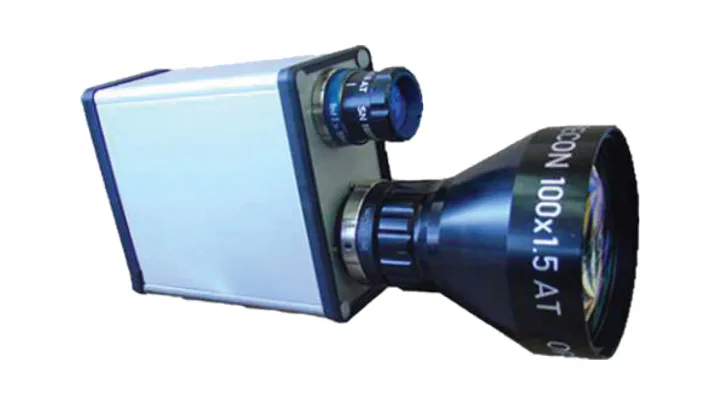
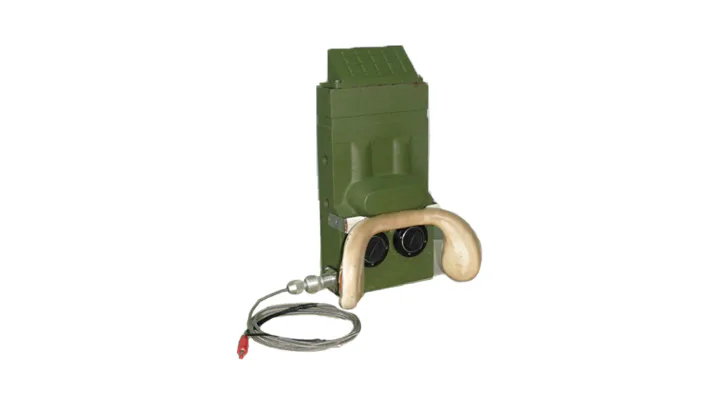
Night vision goggles and monoculars here cover the soldier, the vehicle crew and the aviator. Single-tube goggles PVS-7 and DBNS-7 and the dual-tube NYX binocular are worn on a head mask or helmet, while ANVG and DPNS-9 are helmet-mounted aviator goggles for night flight. The NVG-14B stereoscopic goggle serves combat vehicles and helicopters. Monoculars include ARGUS, ASIO NV, MNP-15 and MNV-1, with ARGUS and MNV-1 listed for hand-held, helmet and weapon use. The HEXAGON day and night camera module extends the same image-intensified technology to standalone and integrated observation.
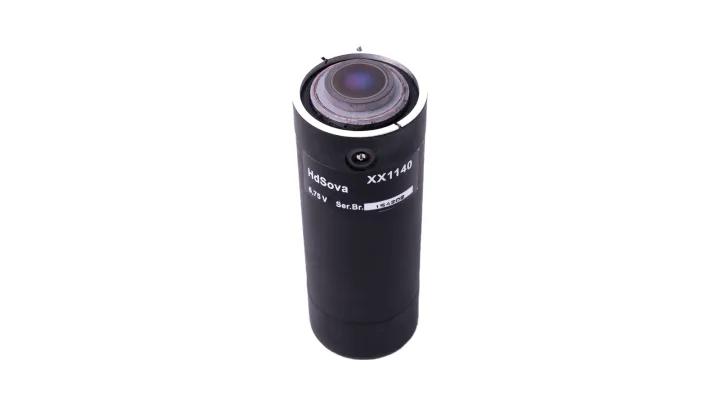
Image intensified day and night camera for round-the-clock observation from 10E-4 lux to 10E4 lux, usable standalone or as a module in a larger camera system.
Illumination range
10E-4 lux (overcast moonless night) to 10E4 lux (sunny day)
Single tube night vision monocular with auto-gated tube, automatic brightness control and built-in infrared LED illuminator, offered in three tube grades.
Dual tube night vision binocular with integrated infrared illuminator and individually flip-away monoculars, operated helmet, head mounted or hand-held.
Single tube night vision goggle for observation, surveillance and land navigation, hand-held or head-mask worn, with built-in IR illuminator and ABC/BSP.
Magnification
X1
Field of view
40 deg
Objective focal length
26 mm
Specifications →
Night Vision Weapon Sights - Clip-On and Dedicated Image-Intensified Rifle Sights
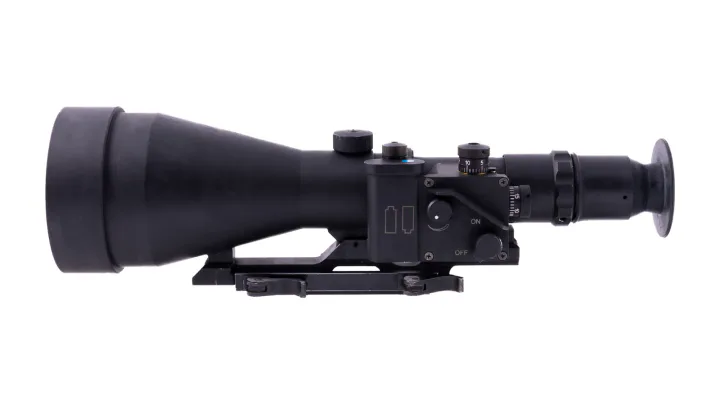
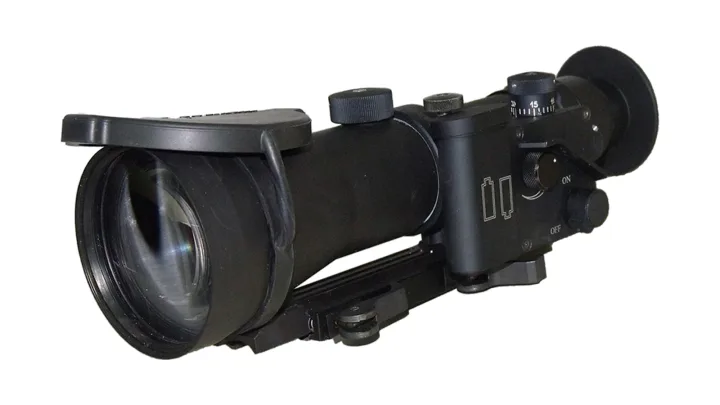
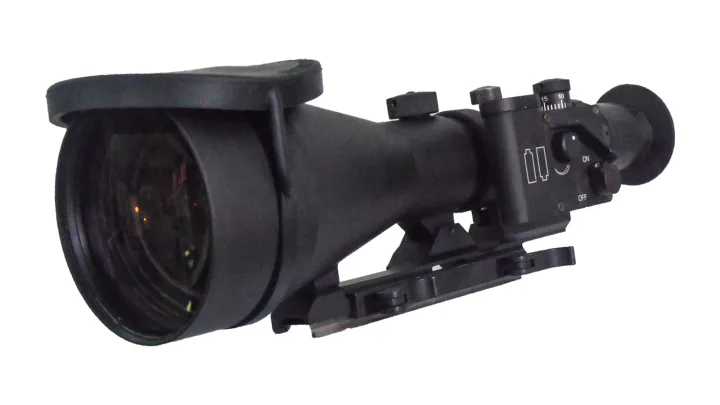
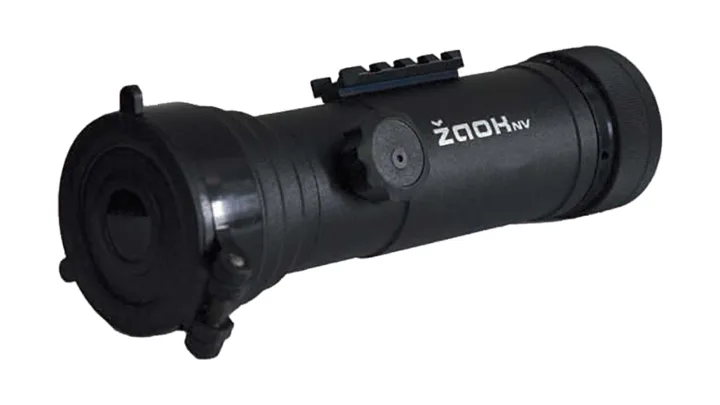
Image-intensified weapon sights are offered in two forms. Dedicated sights NNS x4, NNS x6, RIS x4 and RIS x6 carry their own magnification and illuminated reticle, the two NNS sights mounting directly to a Picatinny rail, and the passive POS-11 is a 3.5x sight for 7.62 mm assault rifles. Clip-on devices ZAOK NV, DAMON medium range and DAMON long range sit in front of an existing day scope and retain its ballistic zero, so the rifle keeps one sight picture by day and night. All are built around Gen II+ or Gen III tubes.
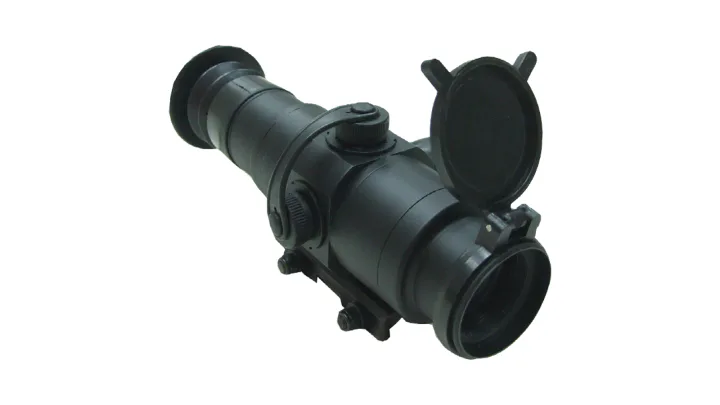
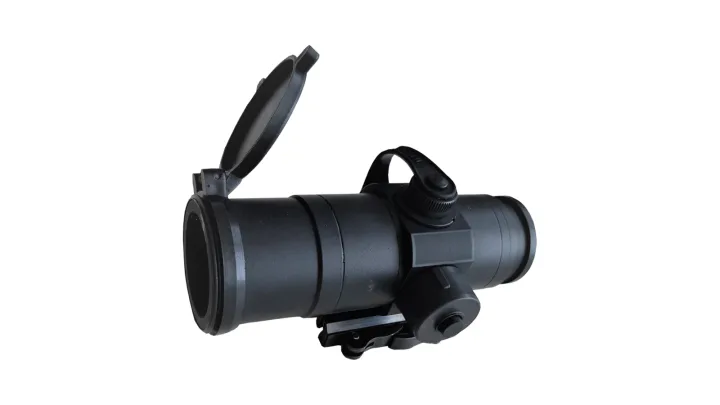
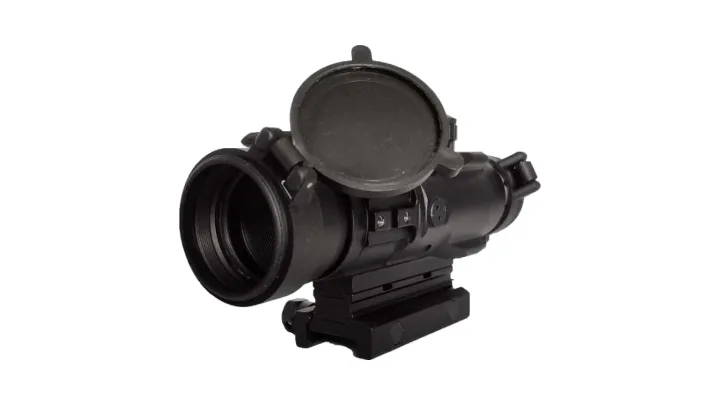
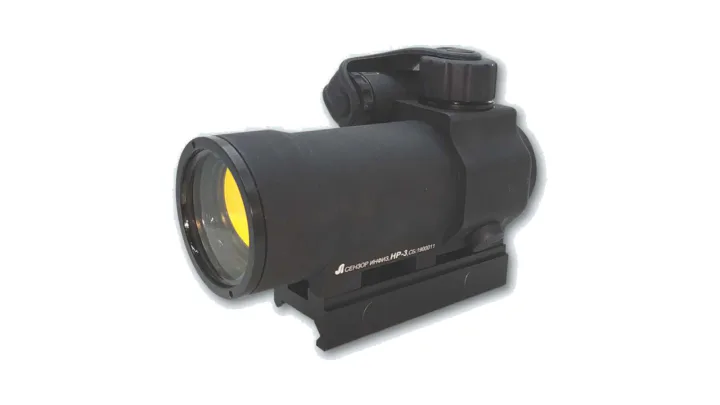
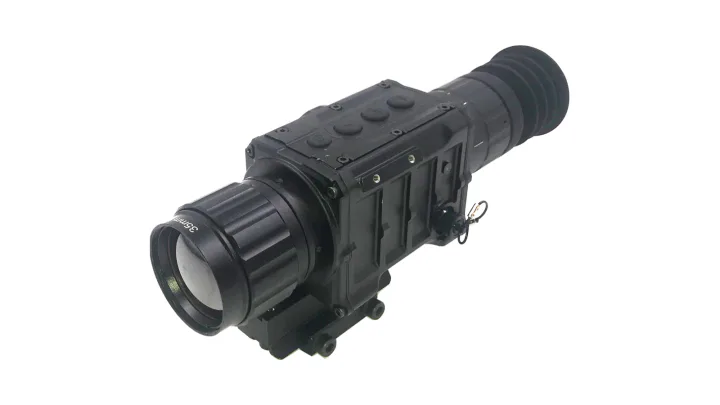
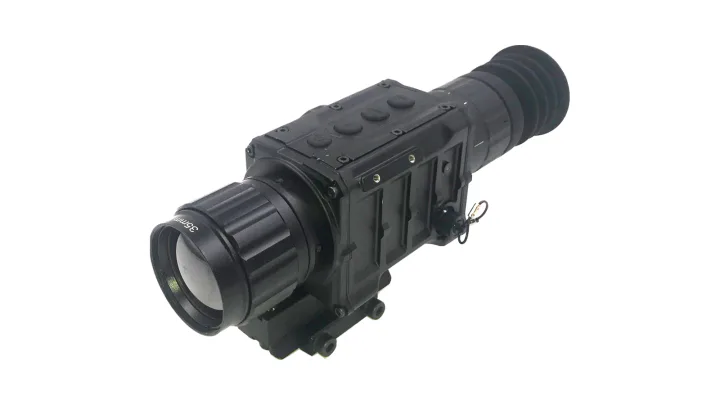
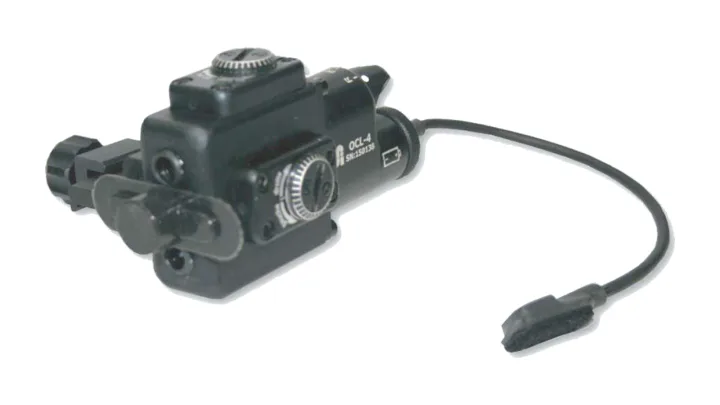
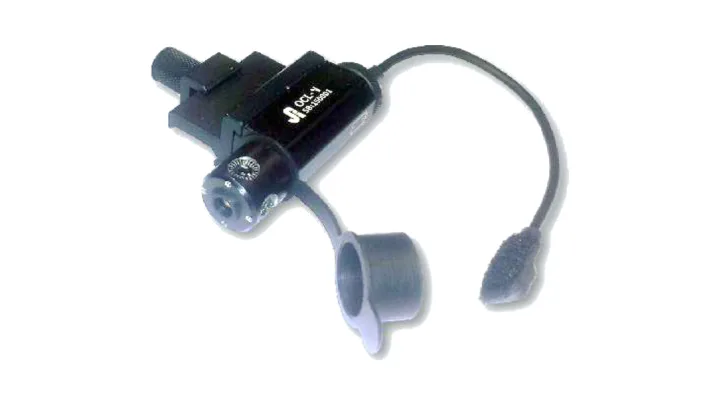
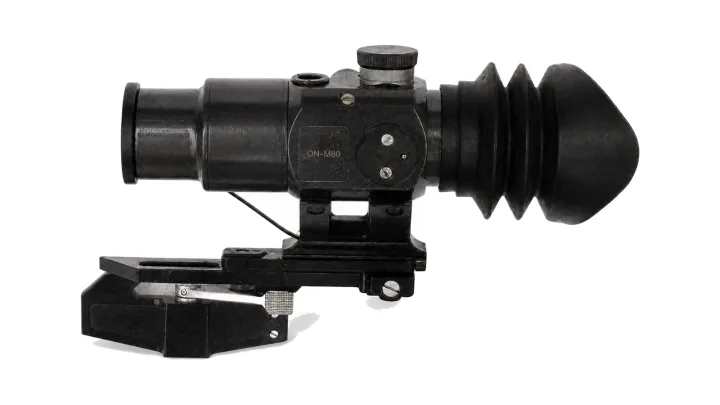
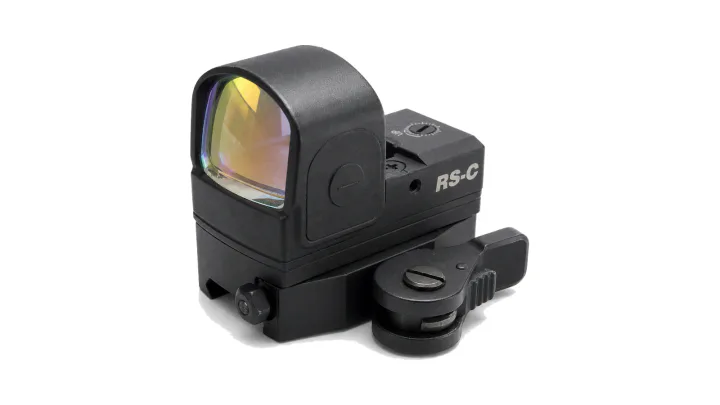
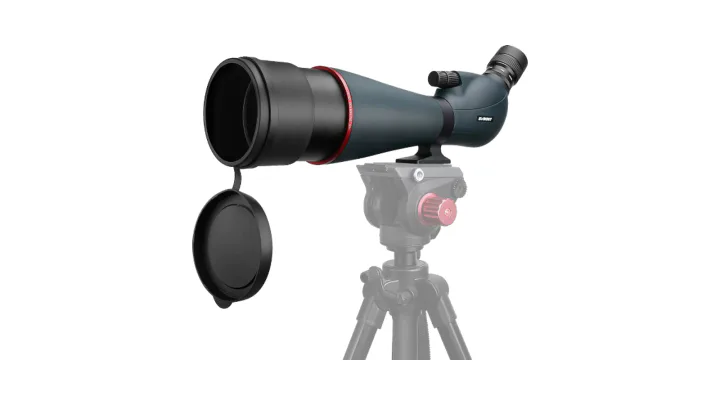
Day optics, reflex sights, thermal sights and laser aiming devices for rifles, machine guns and hand launchers are grouped here. Fixed-power sights M10 (2x) and M20 (4x32) are listed for automatic rifles at ranges up to 500 m, and NDS X3 is a prismatic x3 day sight with an illuminated reticle. NR-3 and RS-C are red dot reflex sights for a MIL-STD-1913 rail, NR-3 listed as a replacement for mechanical iron sights. NT-35 and NT-75 are uncooled thermal weapon sights with 640x480 detectors, VN-4 is a wireless video sight for observation and aiming from behind cover, ON-M80 serves the 44 mm hand launcher M80, and OCL-4, OCL-V and OCL-N are rail-mounted laser aimers.
Optical sight for engaging fixed and moving targets with a 5.56 mm automatic rifle at ranges up to 500 m, by day, in low visibility and against visible targets at night.
Military prismatic x3 day sight with wide field of view, Picatinny mounted, with illuminated reticle, flip-up covers and an upper rail for a reflex sight.
Optical sighting device used for aiming at mobile and stationary targets when firing the 44 mm hand launcher M80 and for detecting sources of infrared radiation, with a tritium illuminated reticle that enables night sighting.
Compact red dot optoelectronic sight mounted on Picatinny rail through an adapter, for day, low visibility and night use combined with night vision devices.
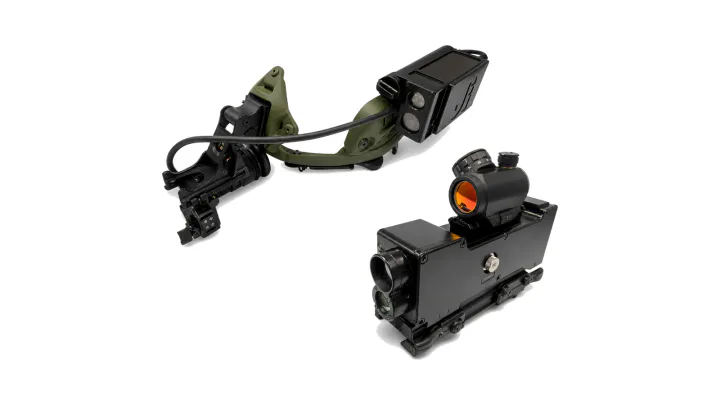
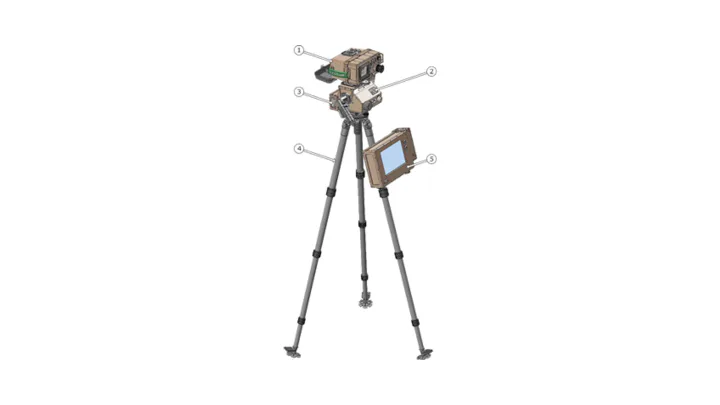
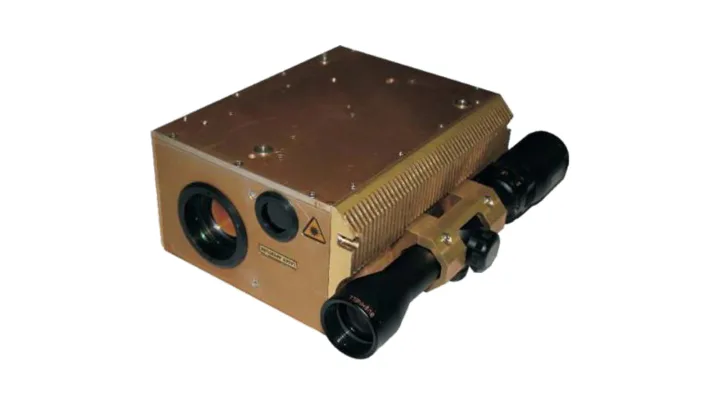
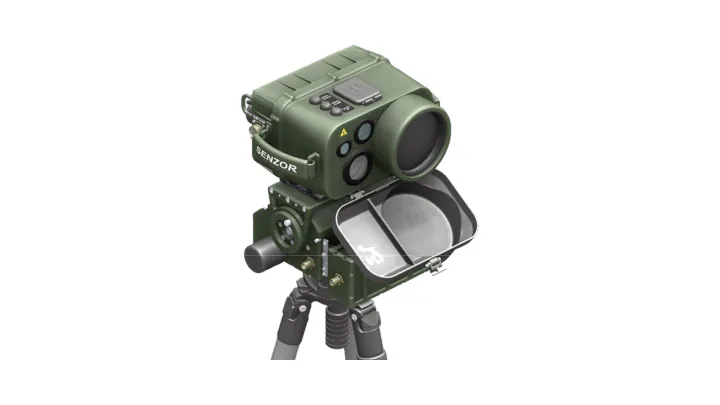
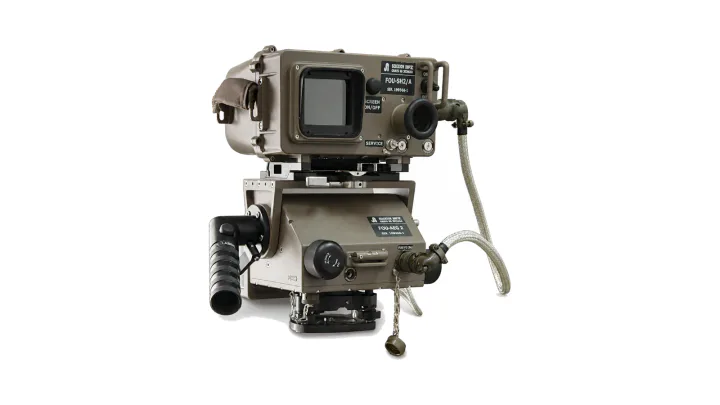
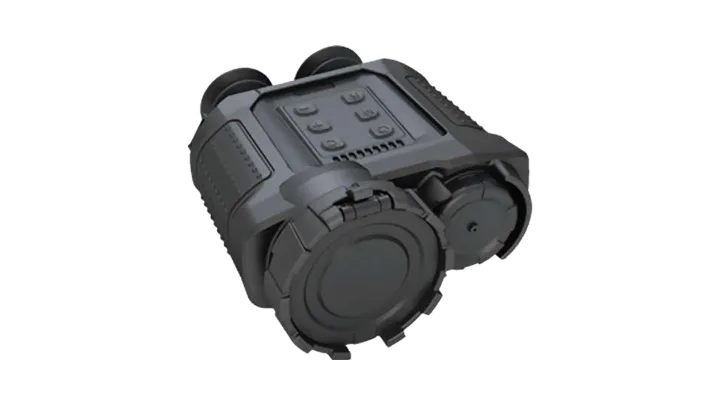
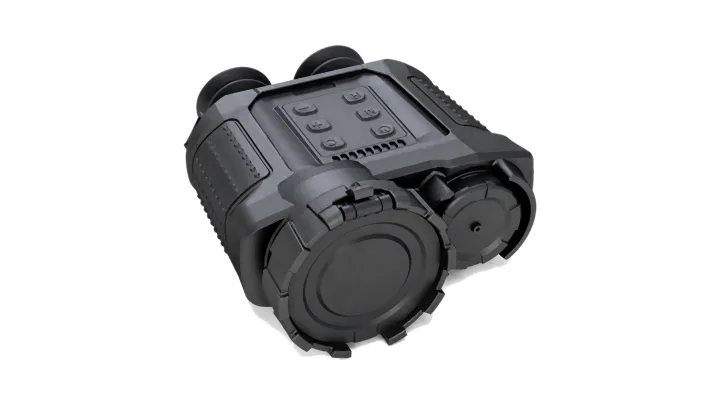
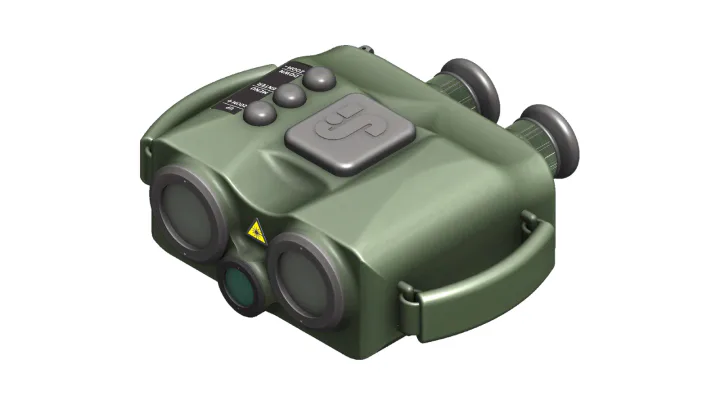
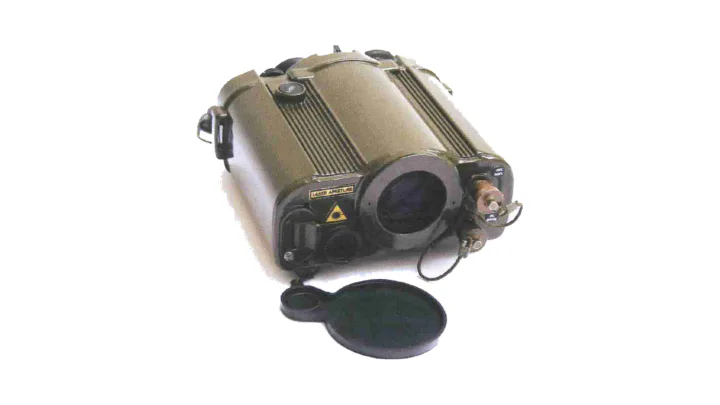
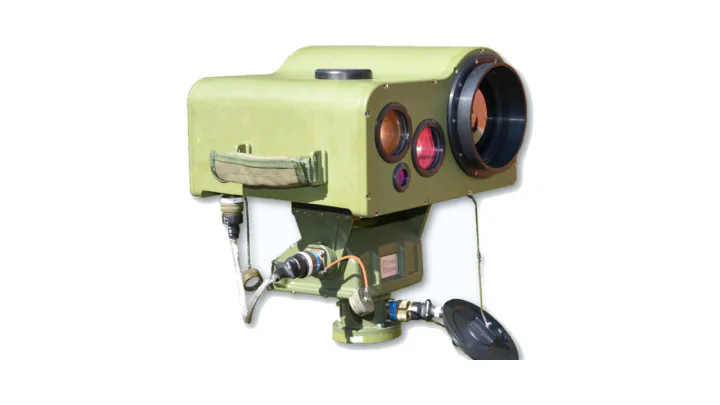
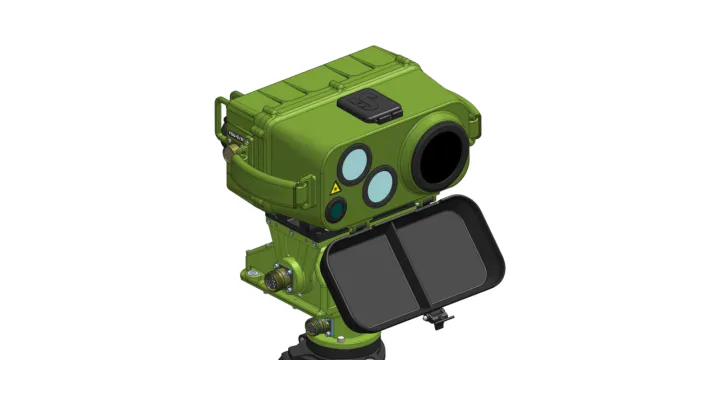
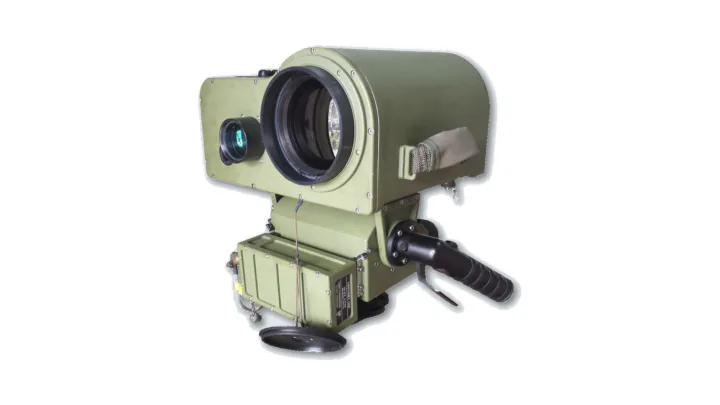
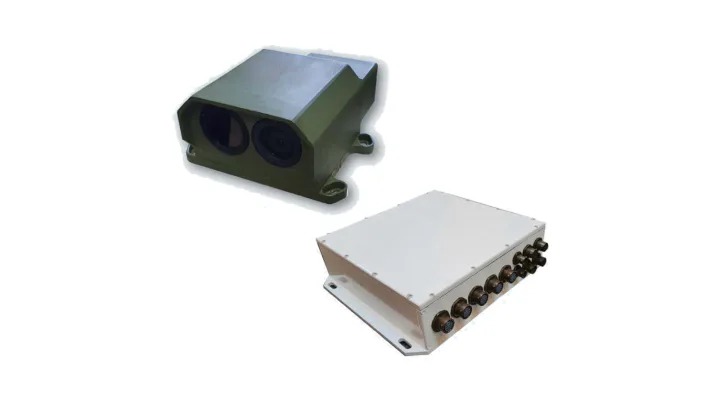
Observation and rangefinding equipment runs from a 25-75x100 zoom monocular and the Goggle IR 400x300 and 800x600 handheld thermal binoculars to laser rangefinders and full forward observation units. ES LRF-20/M is an eye-safe rangefinder module for integration, LRF-20ES a handheld rangefinder binocular with GPS and compass, and LRF-SI a Nd:YAG rangefinder measuring to 20 km. FOU-3, FOU-AEG 2 and UPAOS combine a rangefinder, day channel, thermal camera, compass and GPS to produce target coordinates, AEG pairs a rangefinder, optical day channel, thermal camera and compass with a goniometer, tripod and rugged tablet, while MIP-1 and PBPS-19 place a rangefinder, day camera, thermal camera and compass on a remotely controlled positioner. The 2.5D LADAR range-gated imager adds time-of-flight range to Full HD imagery.
Range-gated imaging device combining image intensifier, laser illuminator and nanosecond gating to deliver Full HD imagery and range-to-target by time of flight.
Eye-safe erbium glass handheld rangefinder binocular measuring to 20 km by time-of-flight, with GPS receiver, digital magnetic compass and optical sight.
Remotely controlled multisensor head with thermal camera, daytime camera and eye-safe laser rangefinder for real time observation and target position measurement.
Nitrogen-filled optoelectronic observation and measuring device determining azimuth, elevation and range to targets as a subsystem of a fire control system.
Laser type
Class 1 (IEC 60825)
Laser wavelength
1540 nm
Laser energy
<= 8 mJ
Specifications →
Armoured / Armored Vehicle Periscopes and Driver Vision Systems
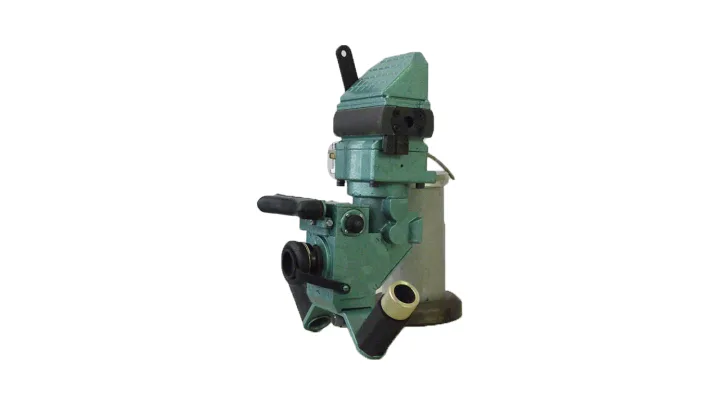
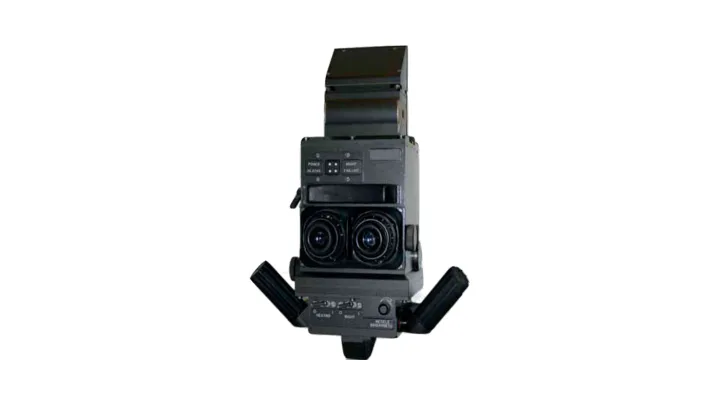
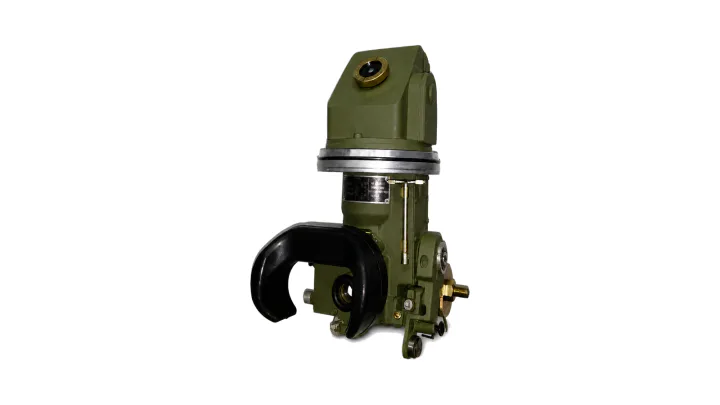
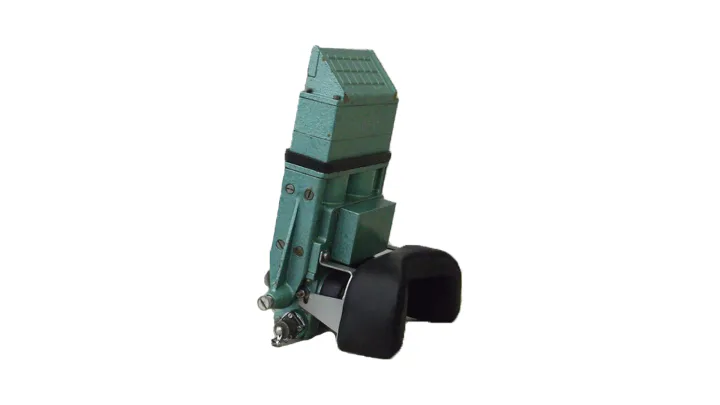
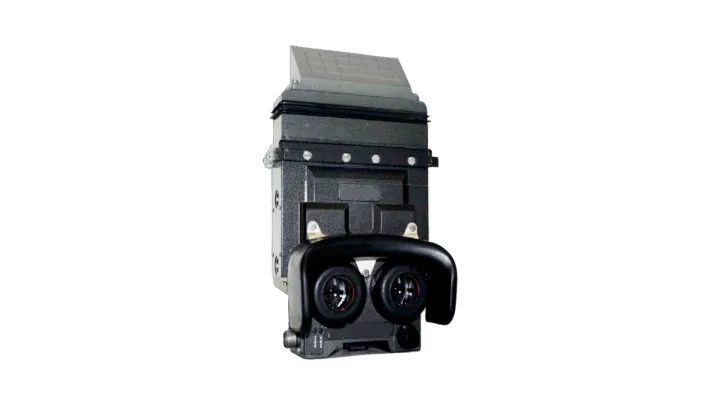
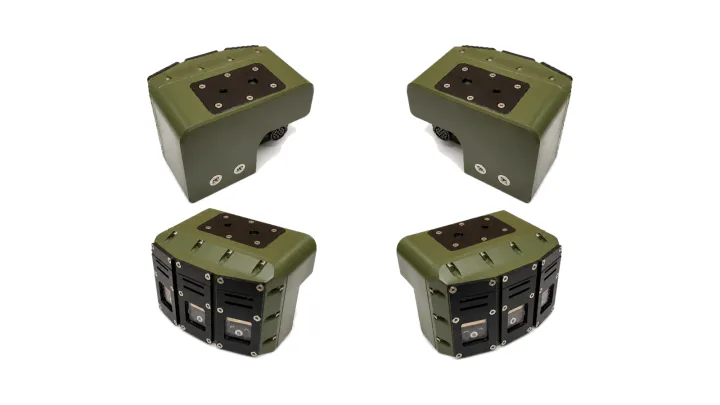
Crew optics for tanks and infantry fighting vehicles are grouped here. Passive image-intensified periscopes of Eastern standard serve the commander, gunner and driver stations: TKN-1MS and TKN-3B for the commander, TPN-1MS for the T-55 gunner, TVNE-4VMS for the T-72 driver, M66 A2 MS for the BVP M80 driver and TVN-2MS as a direct replacement for TVN-2. Alongside them are camera-based systems: SDNP-19 places thermal and day camera units around the hull for 360 degree coverage, VVS-2020 feeds frontal low-light, rear and thermal cameras to a gyroscope-tracked twin ocular display, and SDP-19 is a six-camera panoramic network system giving the crew a virtual window.
Day and night commander periscope with partially common optical channel and Gen III tube, used on T-72 tanks, derived vehicles and infantry fighting vehicles.
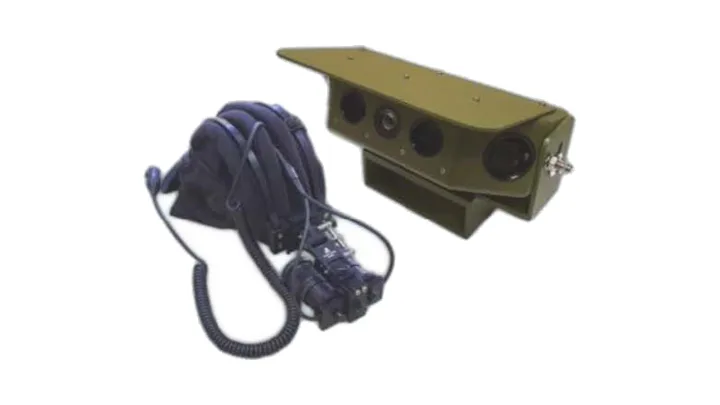
Optoelectronic driver vision system with frontal dual low-light cameras, rear camera and thermal camera feeding a gyroscope-tracked twin ocular display.
Cameras
Frontal dual low-light and rear camera, 1/1.18 in 16:9 CMOS, 2 MP
Camera resolution
1920x1080 px, 800 TVL output
Minimum illumination
0.01 lx
Specifications →
Laser Warning Systems - Laser Detection and Warning Receivers for Vehicles
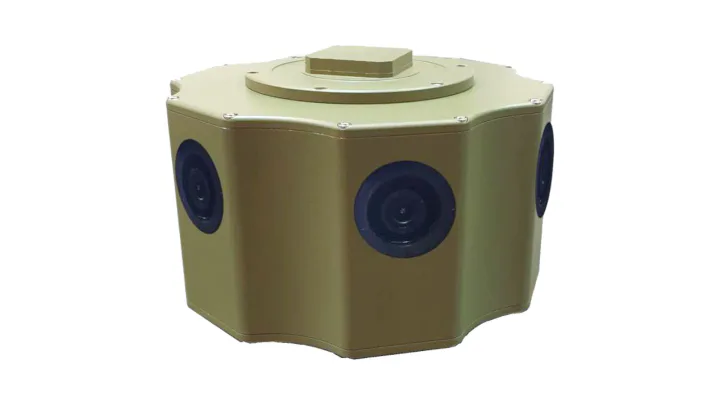
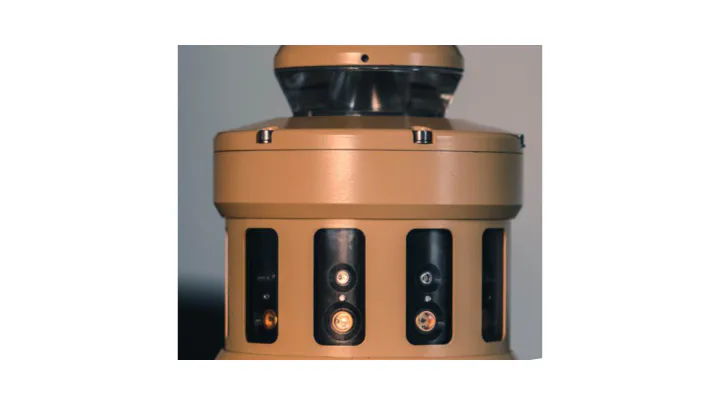
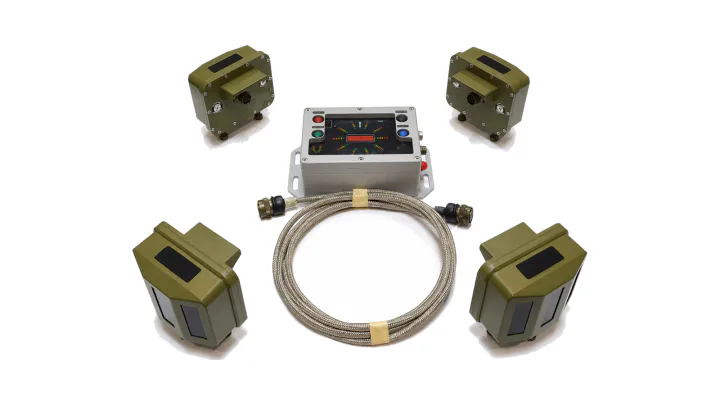
Laser warning systems detect when a vehicle is being ranged, designated or illuminated by a laser and alert the crew. LDWS-1 is a single-head system with ten direct receivers covering 360 degrees and one indirect receiver, identifying the source as rangefinder, designator or guided missile and storing the twenty newest readings. LDWS-2020 uses four detector heads and a central unit for hemispherical coverage over CAN bus, adding dazzlers and modulated illuminators to the detected sources. DLO-2020 is a laser irradiation detection module of the same four-head architecture, each module covering 120 degrees in three sectors with direct and indirect detectors from 0.4 to 1.65 um.
Vehicle laser warning system detecting direct and indirect irradiation from rangefinders, designators and beam riders, with audio and visual alarm outputs.
Vehicle laser warning system of four detector heads and a central unit giving hemispherical coverage against rangefinders, designators, beam riders and dazzlers.
System composition
Four detector heads (LD-H) per vehicle and a central control unit
Coverage
Hemispherical
Detected laser sources
Rangefinders, target designators, beam riders, dazzlers and modulated illuminators
Specifications →
Artillery Fire Control and Crew Electronics - Muzzle Velocity Radar, Inertial Navigation and Intercom
Four artillery and vehicle systems that support the optronics rather than form an image. The MVRS muzzle velocity radar measures projectile velocity from 40 to 1500 m/s for 155 mm and 122 mm self-propelled guns and other artillery. ADVANS VEGA is an inertial navigation system with GPS giving 155 mm howitzers continuous heading, roll and pitch. INTERKOM is an integrated vehicle communication system with VoIP telephony, radio gateways and Ethernet switching, and the smart helmet projects digital content onto a transparent visor and is suited to pairing with night vision devices.
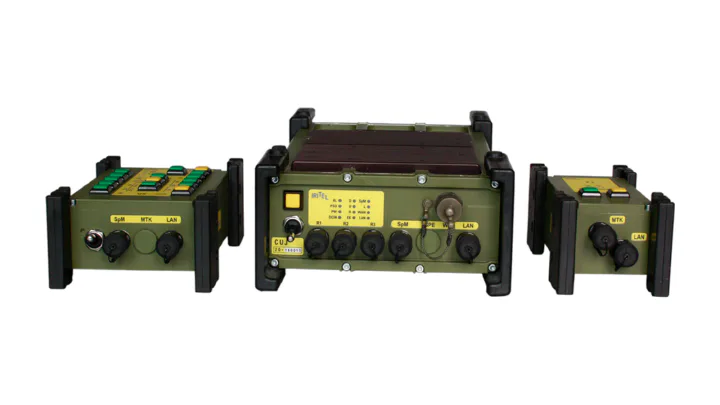
An integrated vehicle communication system combining VoIP telephony, FXO and FXS lines, radio gateways, serial data links and the command post network, built from a central management unit, operator units and user units.
System units
CUJ central management unit, UK operator unit, PJ user unit
User types
operator (full access), commander (limited access, uses UK), user (services over PJ, FXO, FXS, radio, remote user)
Services
calling, call forwarding, internal communication with UHF/VHF radio, conference call, urgent call, communication between vehicles via optical or electrical Ethernet port
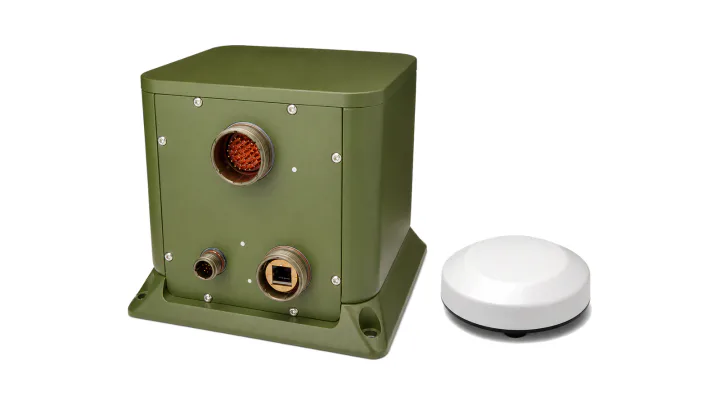
An inertial navigation system that provides continuous, instant-on position and orientation for 155 mm howitzers, with 0.5 mils rms heading accuracy and 0.2 mils rms roll and pitch accuracy, mountable in any orientation and paired with a GPS receiver accurate to under 0.5 m in DGPS mode.
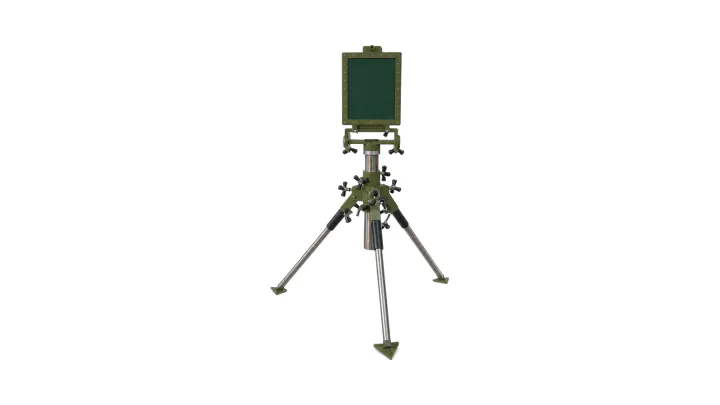
A radar system for precise measurement of projectile muzzle velocity, intended primarily for 155 mm and 122 mm self-propelled artillery weapons but applicable to other self-propelled or towed artillery, integrated into the weapon or mounted on a tripod.
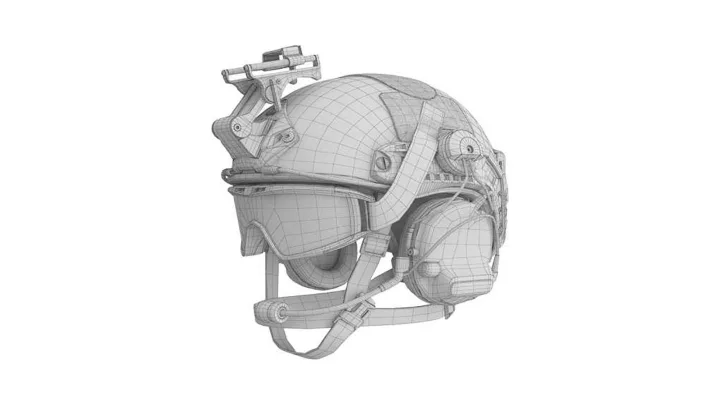
A helmet that lets the wearer communicate and view digital content projected straight onto a transparent visor in front of the eyes, with integrated earphones, microphone and HD micro-display, operated by voice commands or hardware buttons and well suited to pairing with night vision devices.