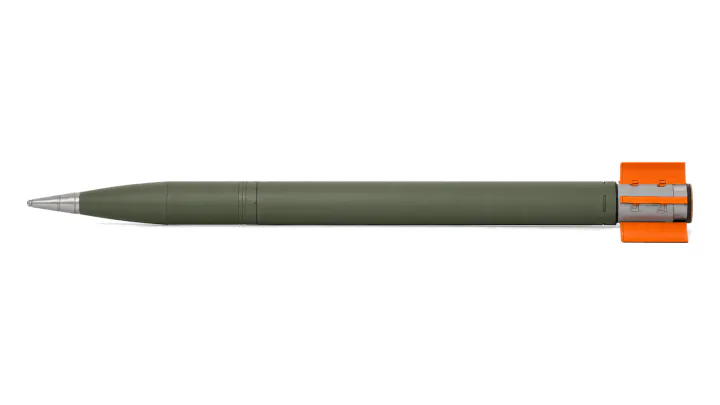
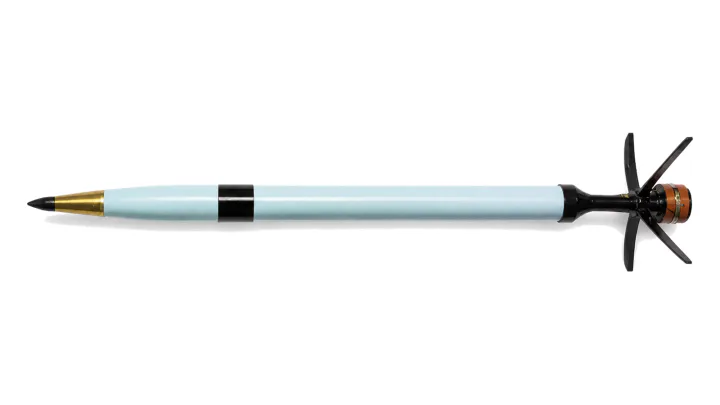
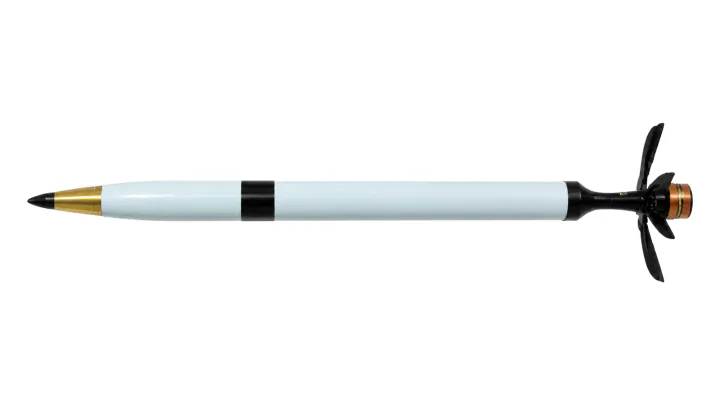
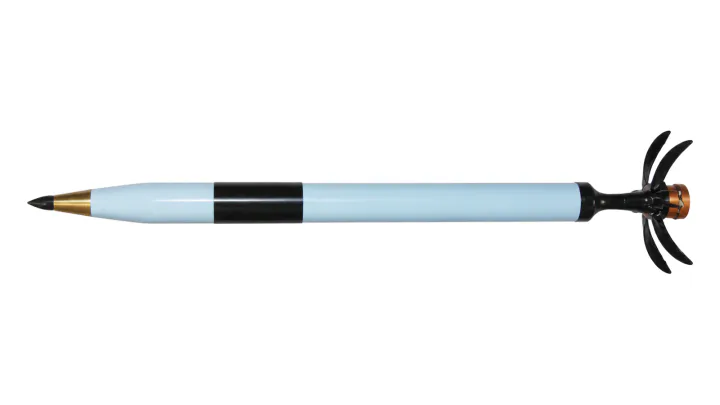
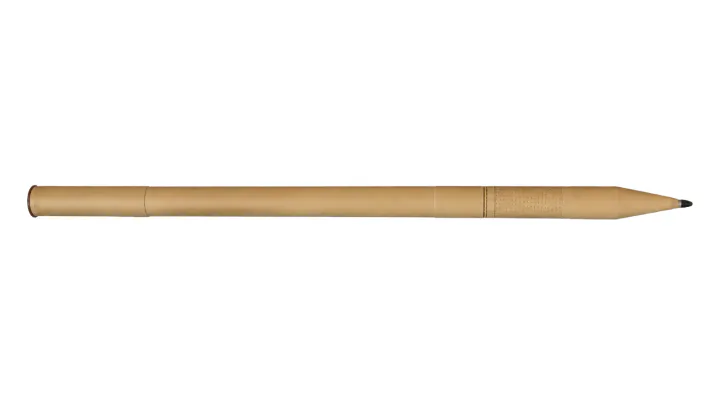
This domain covers seventy line items: unguided aircraft rockets, free-fall and guided aerial bombs, guided missiles and loitering munitions, artillery rockets and the vehicles that launch them, gun and rocket pods for helicopters and light aircraft, and four trainer and utility airframes. Entries are arranged by role rather than by calibre. Each record carries the designation where the source publishes one, the masses, dimensions and performance figures given for that model, the fuze or guidance details where they are stated, and the packaging data where the source states it.
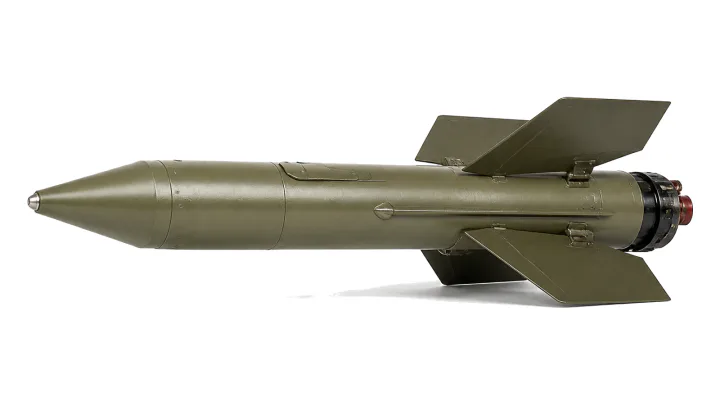
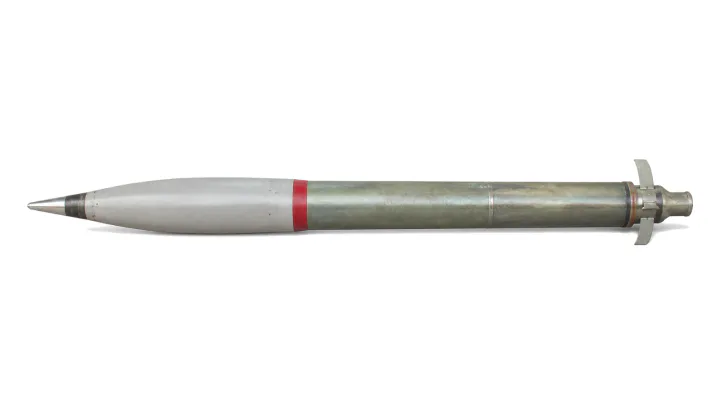
Nine line items cover the unguided rockets of this group, in 57 mm, 80 mm and 128 mm. The 57 mm family runs from the high-explosive BR-1-57 and the hollow-charge BR-2-57 through the universal BR-20-57 P1, the illuminating M17, and the inert BR-1-57 V, BR-2-57 V and BR-20-57 V practice versions. Above them sit the 80 mm S-8 KOM and the 128 mm BR-VZ-128-M15. All are unguided, and launcher detail is sparse: the BR-1-57 names tube launchers with open rear end in an L-57 honeycomb pod, and the M17 is fired from 57 mm straight and helical rocket launchers. Warhead type and mass differ from model to model, four of the nine name their fuze, and range or flight-time figures appear where the source publishes them.
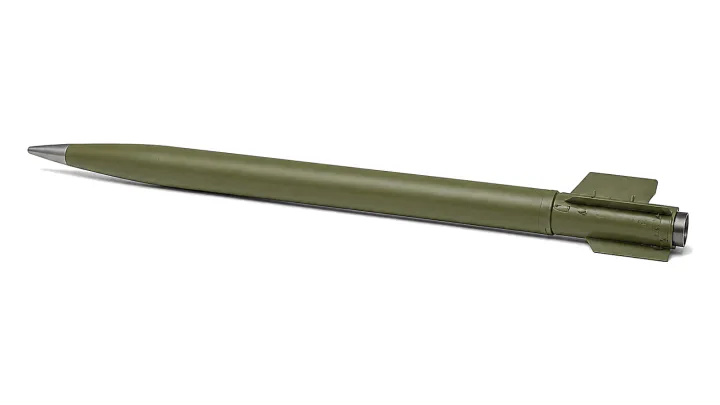
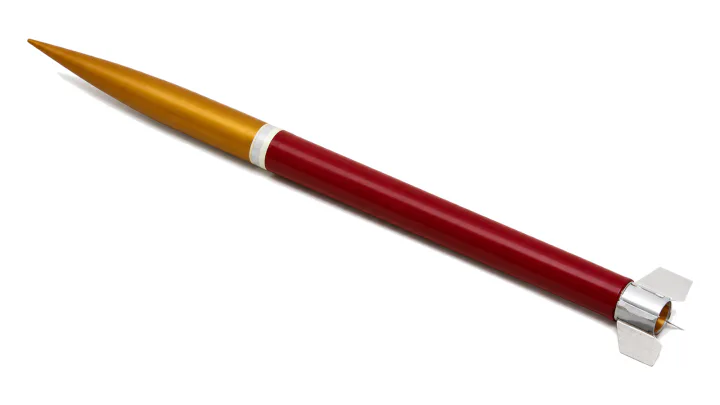
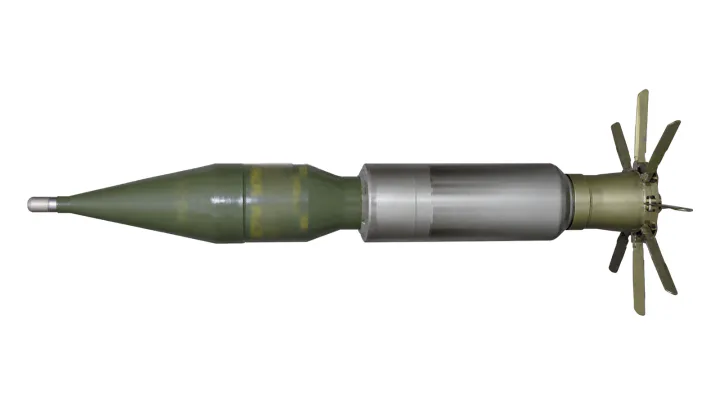
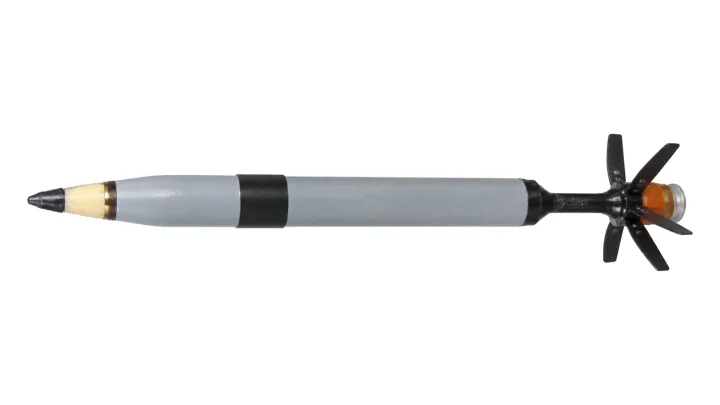
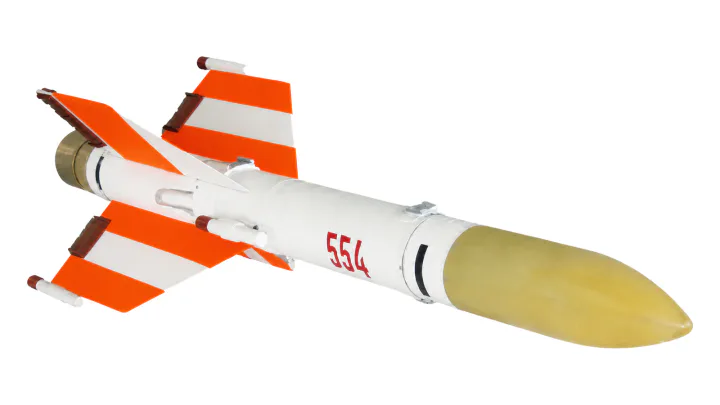
An unguided air-to-surface rocket with a dual-purpose HE/HEAT warhead intended for ground targets including tanks, self-propelled artillery, armoured vehicles and personnel carriers, launch ramps, radar stations, parked aircraft and helicopters, ammunition and fuel stores, and enemy personnel.
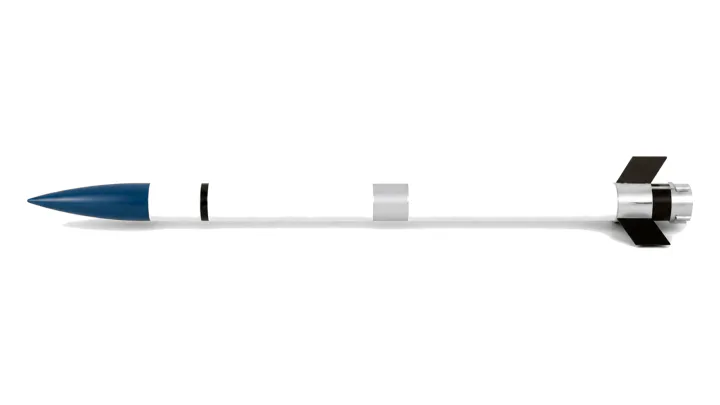
A 57 mm electrically ignited illuminating rocket made up of a parachute and flare section, a time delay unit and a rocket motor, fired from 57 mm straight and helical rocket launchers to illuminate the field during combat operations and for surveillance and identification of vessels during coastal patrol.
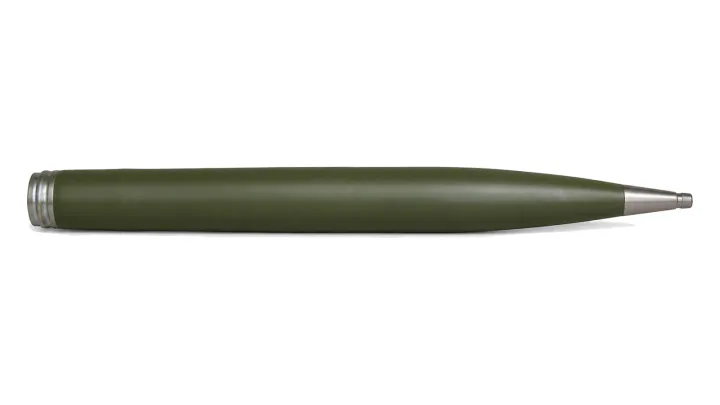
An 80 mm unguided aviation rocket with a hollow-charge fragmentation warhead of impact effect, used from aircraft and helicopters against armoured ground targets such as tanks, self-propelled guns and armoured personnel carriers, unarmoured targets such as launchers, radar stations and parked aircraft, and enemy forces.
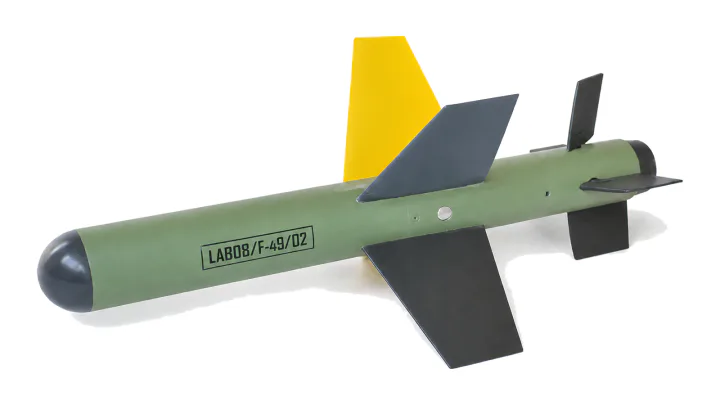
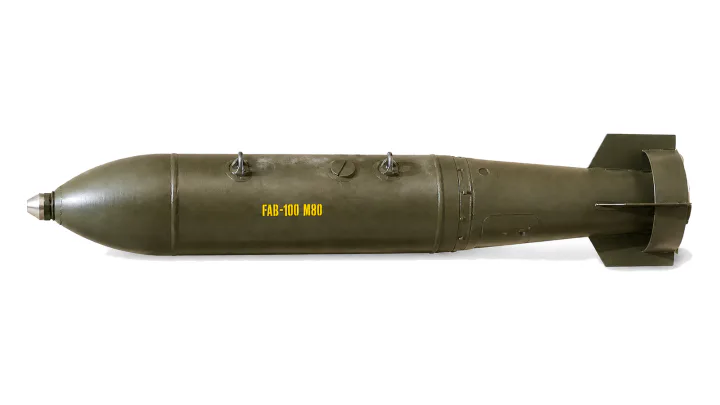
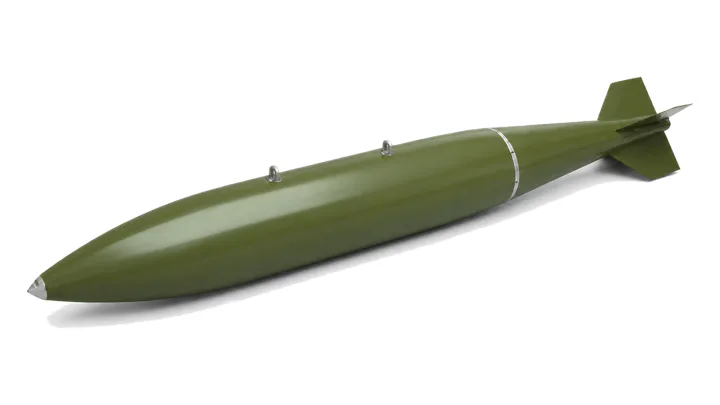
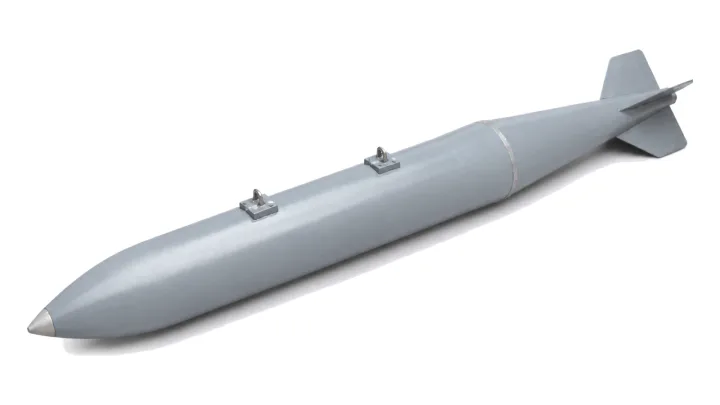
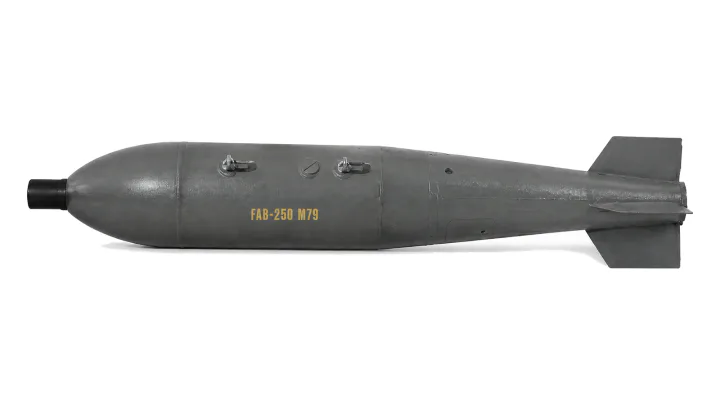
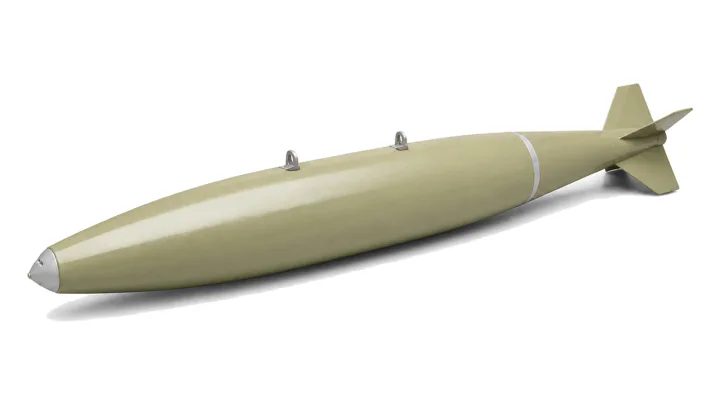
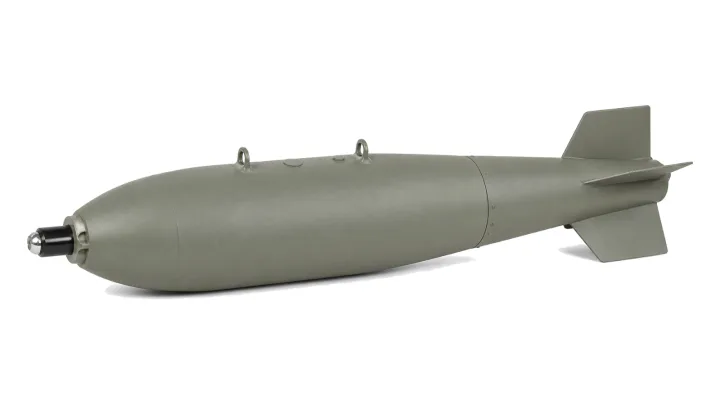
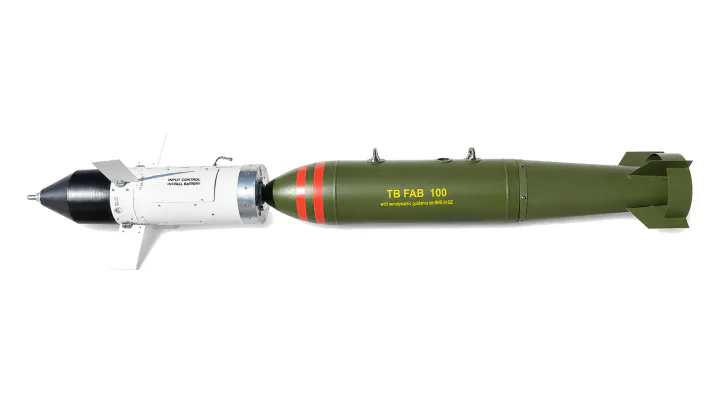
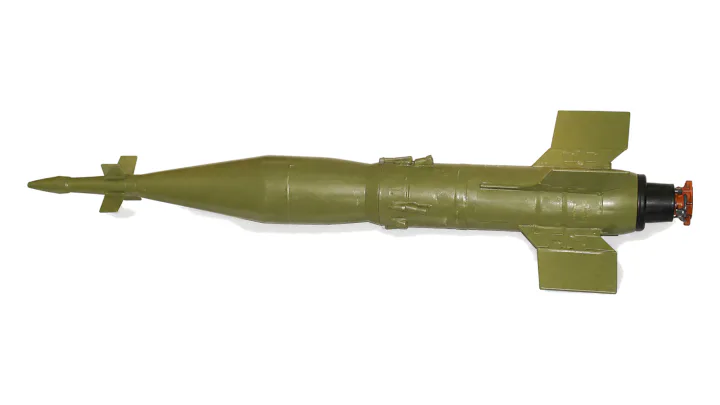
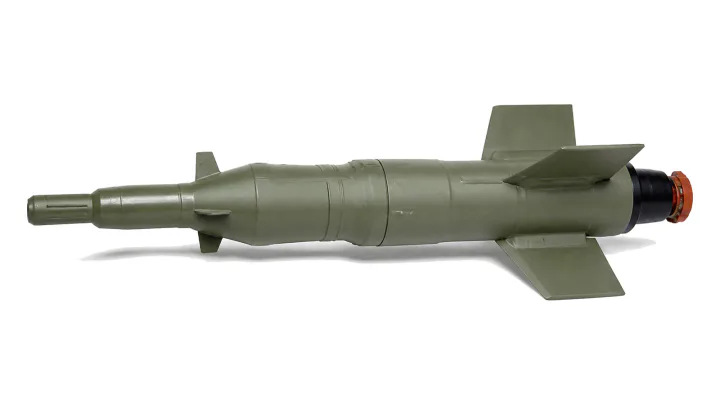
Nine records cover stores released from an aircraft or an unmanned platform. The ballistic bombs are the FAB-100 M80 and FAB-250 M79, the fragmentation RAB-250 M91, the general purpose vFAB-250-2 and vFAB-1000-4, and the hardened penetration vPRAB-1000-9. Beside them sit the 128 mm PGB-128 gliding bomb, the 80 mm LAB-08 multipurpose bomb and the BNB-015IZ aerodynamic guidance kit, which the source describes as converting 200, 500 and 1000 lb bombs into corrected bombs. Masses and fuze or guidance details are given per record; suspension-lug spacing is published on the six ballistic bombs and on the PGB-128.
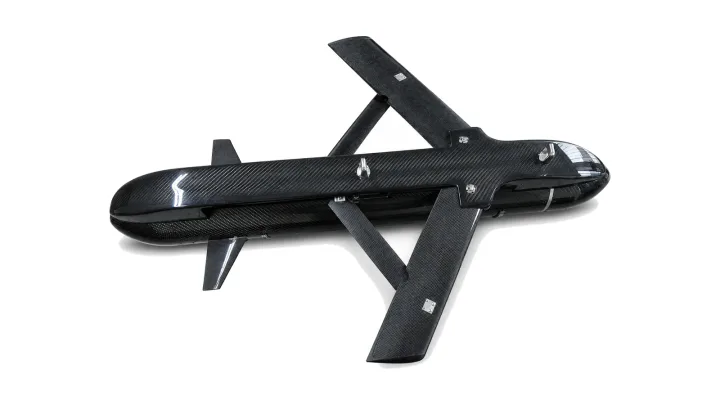
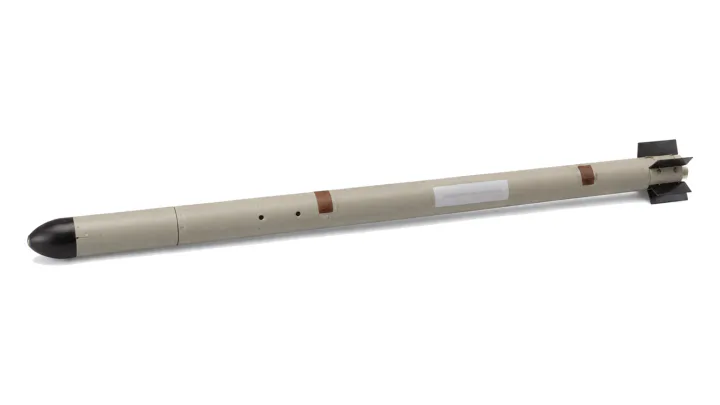
A precision-guided glide bomb of the small diameter bomb category weighing less than 50 kg, guided by GPS-aided inertial navigation against fixed targets and optionally by an added semi-active laser or imaging infrared seeker against moving targets, with a composite airframe, tail cone with all-moving control surfaces and Diamond Back type wings that deploy after release.
Light multipurpose 10.5 kg guided aerial bomb for launch from a UAV or other aircraft platform, with SAT/INS guidance, optional SAL/ORM terminal guidance, range up to 10 km and interchangeable fragmentation, penetration, shaped-charge/blast and incendiary warheads.
A 117 kg high-explosive free-fall aircraft bomb with a 39 kg TNT main charge, intended for targets of medium fortification level and releasable safe or armed at speeds up to 1000 km/h.
A 1000 kg demolition-fragmentation ballistic aerial bomb that defeats surface and buried objects by shock wave and steel-mantle fragments, supplied with stabiliser, two suspension lugs, protective transport plugs and transport packaging, and usable unguided or as a guided bomb warhead.
A hardened penetration aerial bomb for reinforced targets on the surface, buried underground or sheltered behind rocky terrain, driving through protective walls on kinetic energy before a controlled detonation delivers a shock wave and body fragmentation.
A 240 kg high-explosive free-fall aircraft bomb with a 105 kg TNT main charge, intended for targets of medium fortification level and releasable safe or armed at speeds up to 1000 km/h.
A 250 kg demolition-fragmentation ballistic aerial bomb that destroys or neutralises surface and buried targets by blast and by fragments from its bursting steel mantle, fin-stabilised in flight and usable either unguided or as the warhead of a guided aircraft bomb.
A 252 kg air bomb with a 70 kg TNT charge and 15,000 steel balls, intended to annihilate and disable personnel and technical assets such as light armoured combat and non-combat vehicles, artillery, rocket and radar devices and installations and landed aircraft, released freely or by impulse from carriers with 250 mm or 355.6 mm bomb lock spacing.
An aerodynamic guidance kit that converts conventional 200 lb (~100 kg), 500 lb (~250 kg) and 1000 lb (~500 kg) aviation bombs into corrected bombs against stationary and low-dimension targets, using a combined inertial and satellite navigation system with four canard control surfaces, and serving as a platform for other guidance systems such as TV (CCD), IIR or laser.
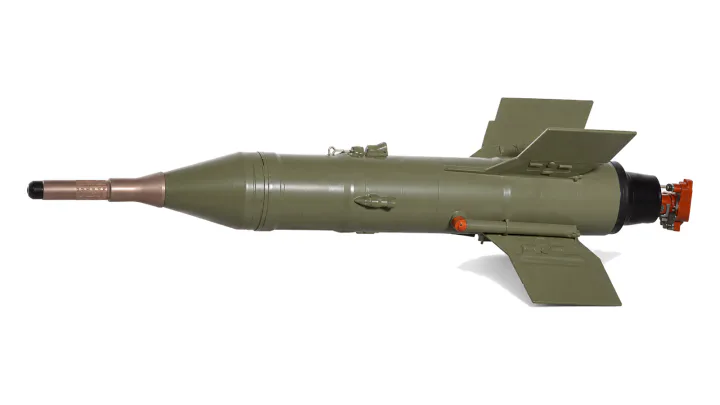
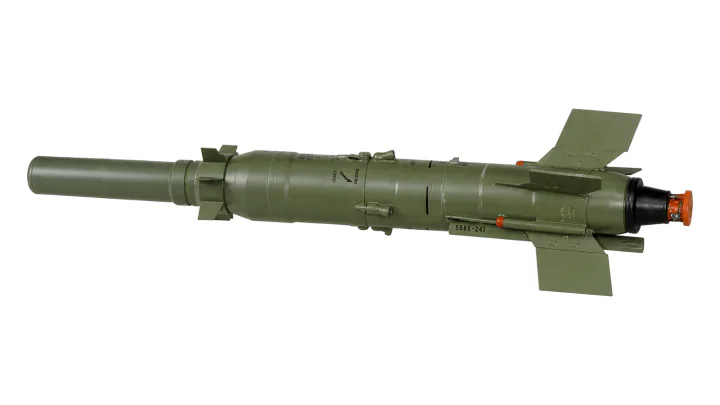
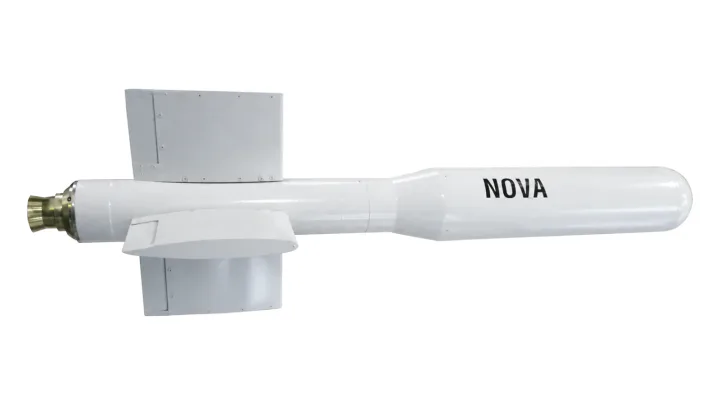
Nine records cover the guided members of this domain. The MALJUTKA and MALYUTKA line runs from the wire-guided 9M14P1 and the extended nose probe 9M14P1B1 to the 2M with enhanced penetration, the tandem 2T and the thermobaric 2F, each quoted between 2800 and 3000 m. The fire-and-forget entries are the shoulder-fired POS 145, whose head is a 145/50 mm tandem shaped charge of 6.4 kg, and the NOVA system, which lists a 145 mm shaped charge of 6.4 kg among its warhead options. ALAS is a turbojet-sustained missile of 175 mm calibre, and one further record describes a 128 mm laser-guided rocket.
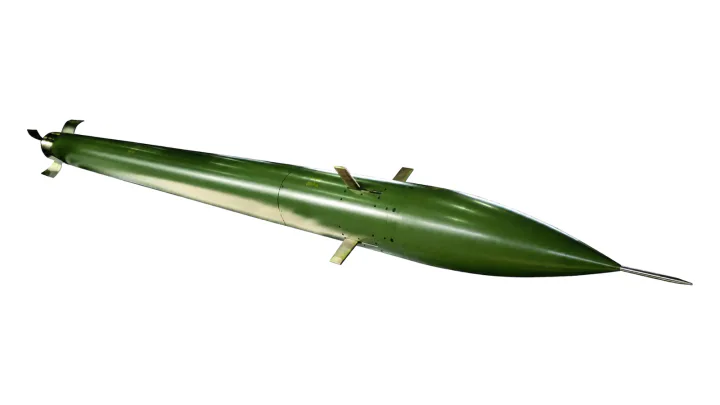
Laser-guided rocket launched from land, naval, helicopter or aircraft platforms against ground targets beyond visual range, using inertial and/or GPS mid-course navigation and a coded laser seeker with a 20 kg HE blast-fragmentation warhead.
A light shoulder-fired fire-and-forget anti-tank guided missile with a 145/50 mm tandem shaped-charge warhead penetrating over 1000 mm of armour, effective from 0.4 to 2.5 km, weighing 15 kg alone or 17 kg in its container with a 5 kg command launch unit.
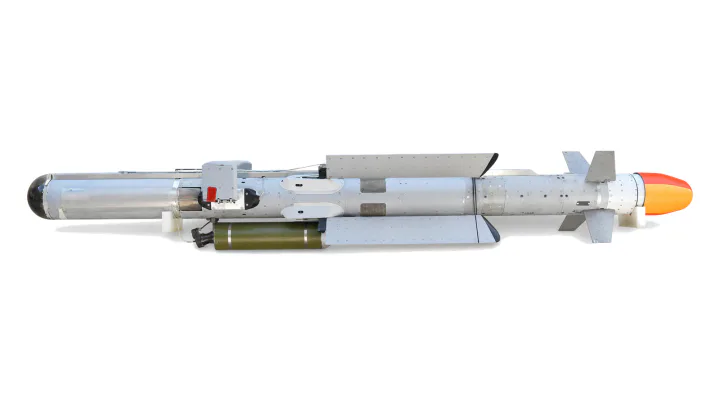
A turbojet-sustained guided missile launched from a container by a solid propellant booster, using INS/GNSS mid-course guidance and TV CCD or IIR terminal guidance with contrast/correlation auto tracking, and carrying a tandem-charge HEAT warhead with additional blast fragmentation; it is controlled over a single-mode optical fibre link or an optional two-way C-band radio link.
Portable fire-and-forget light attack missile system with 0.5 to 8+ km range, INS mid-course guidance and radio-linked TV/IIR homing, supplied as missile/container, launcher and ground control station and offered with 145 mm or 120 mm shaped-charge or 7 kg free-ball proximity-fuzed warheads.
Seven records cover the armament installations carried outside a helicopter or a light aircraft. Four are gun pods: the GH-12.7M, the M08 pod holding a 12.7 x 99 mm M87N machine gun, the 20 mm GH-20 and the twin GA-2x7.62. The M09 is a side-door machine gun with its carriage. Two are rocket launchers, the seven-tube L-80-07 for the 80 mm S-8KOM and the four-barrel L-128-04H for the 128 mm BR-VZ M15. Overall dimensions are given on six of the seven records and mass on five; supply voltage and lug spacing appear where the source states them.
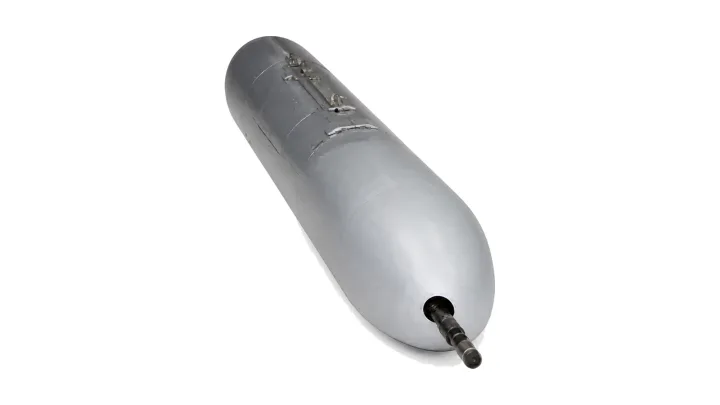
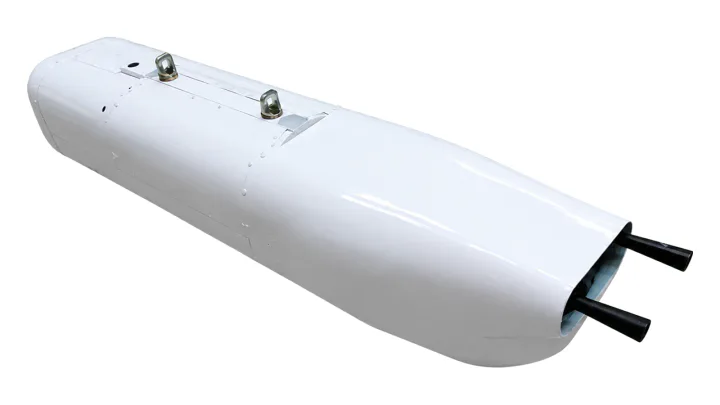
A compact helicopter pod carrying a 12.7 mm machine gun for neutralising ground targets such as command posts, light armoured vehicles, logistics trucks and personnel, and for engaging helicopters, light aircraft, RPVs and parachutists; two pods are mounted externally on the armament pylons, one at each side of the fuselage, so that spent cases and powder gases are ejected into the air.
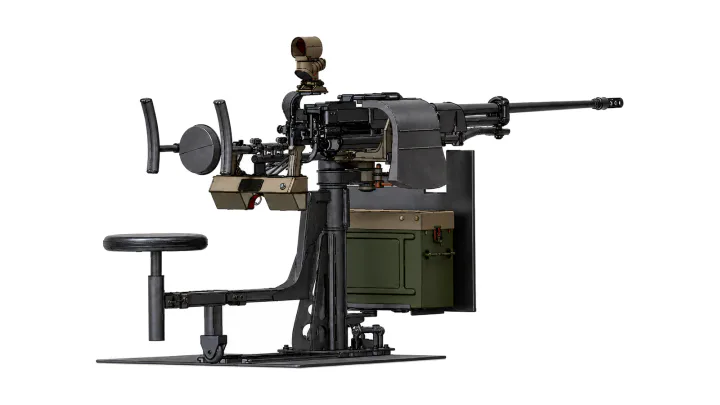
A 12.7 mm machine gun with carriage for installation on the side doors of the MI-17 helicopter, used against ground targets such as command posts, light armoured vehicles and troops and also against helicopters, light aircraft, UAVs and parachutists; it allows simultaneous fire from the left and right doors and is particularly useful for self-protection during landing, take-off and crew embarkation or disembarkation.
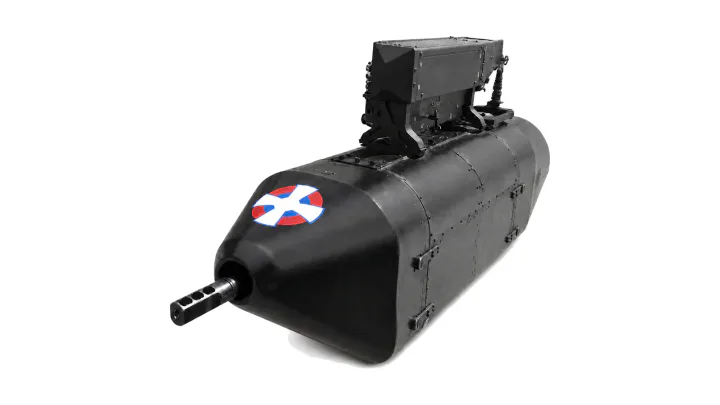
Under-wing aeronautical gun pod for light piston/propeller trainer aircraft, integrating a 12.7 x 99 mm M87N heavy machine gun, 150-round belt, nitrogen pneumatic cocking and a cockpit control box with selectable burst modes.
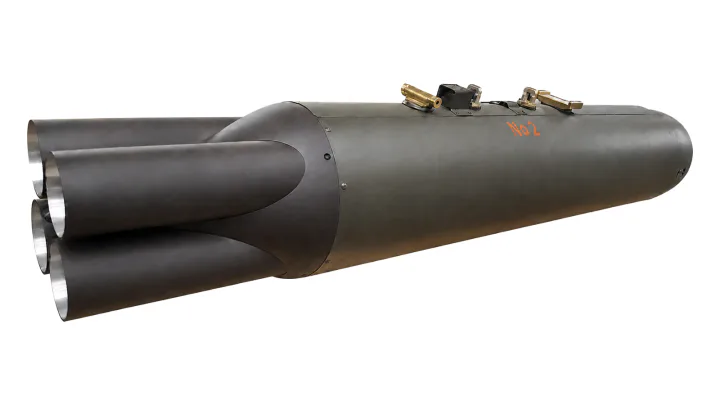
A four-barrel launcher of honeycomb structure for separately launching 128 mm BR-VZ M15 unguided rockets from a helicopter fitted with single-channel wiring and unguided rocket launching equipment.
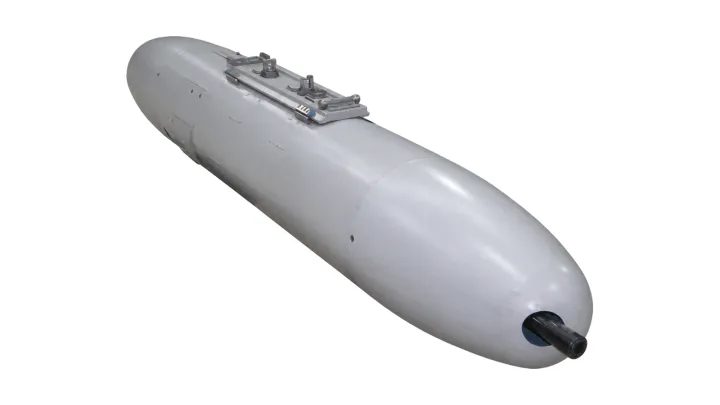
A helicopter gun pod carrying a 20 mm gun with 200 rounds in the belt, mounted on helicopter side supports for close fire support in anti-terrorist and anti-riot missions as well as territory surveillance and border protection, effective against lightly armoured and unarmoured vehicles and troops in buildings and field fortifications.
A gun pod integrating two 7.62x54 mm machine guns with air-cooled barrels, a sight adjustable in azimuth and elevation, link collection in the front fairing and NATO-standard mounting lugs 14 in (355.6 mm) apart, for pilot training and engagement of light armoured and unarmoured vehicles.
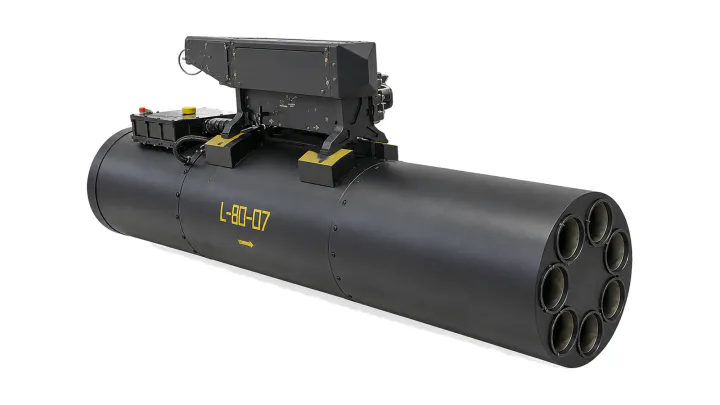
A seven-tube helicopter launcher for individual launching of 80 mm S-8KOM unguided rockets from a single-channel electrical installation, compatible with MIL-STD-1760 digital architecture and with hardpoints complying with both NATO and Russian standards.
Overall dimensions
1715 x Ø336 mm
Caliber
80 mm
Number of launch tubes
7
Specifications →
Multiple launch rocket systems and artillery rockets
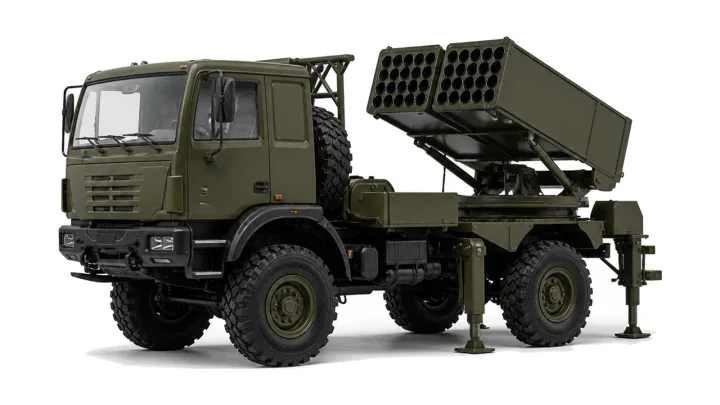
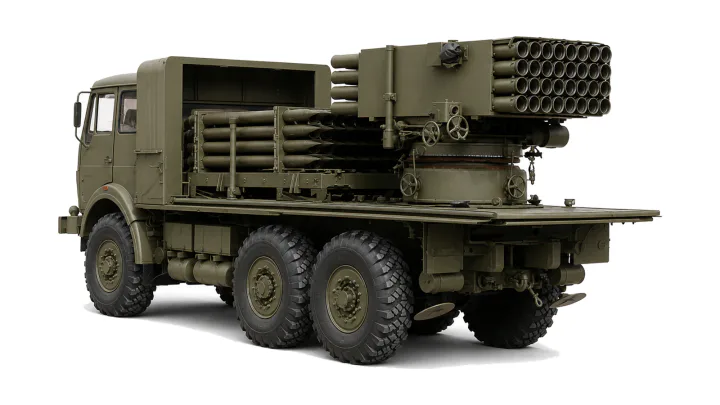
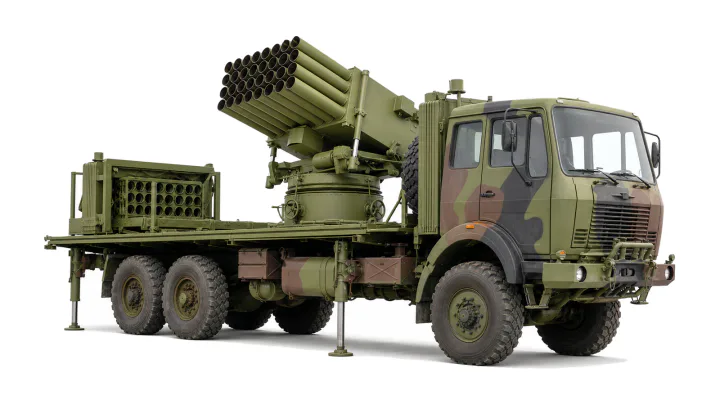
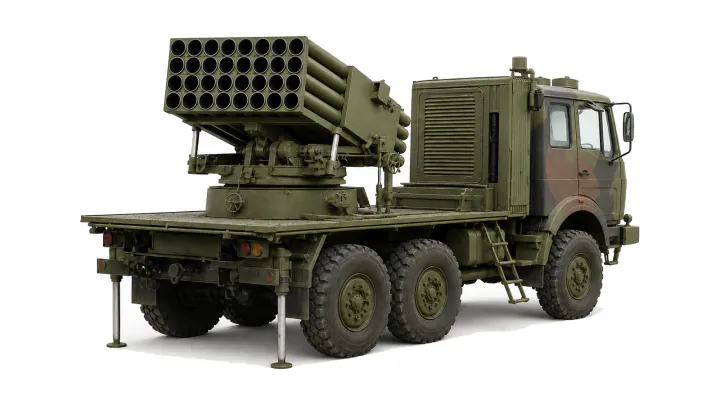
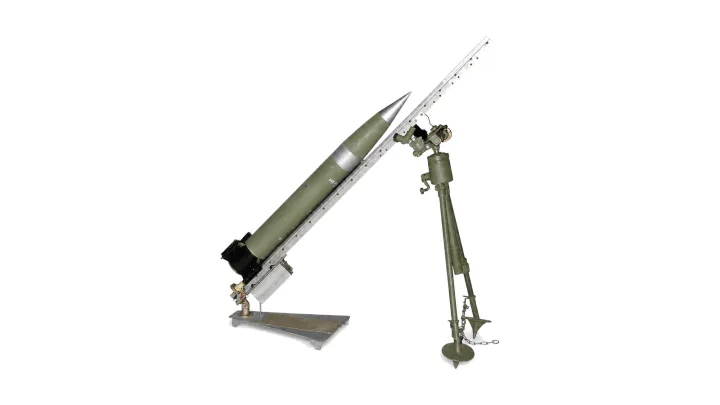
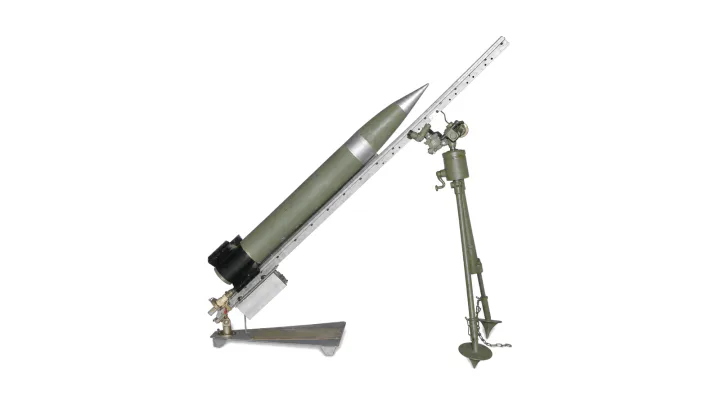
Twelve records pair unguided artillery rockets with the launchers that fire them. At 107 mm sit the M15 and the extended-range M06. The 122 mm GRAD, GRAD M and GRAD 2000 share a 19.1 kg warhead with fuze and differ in motor and range; they are listed with a self-propelled multi-tube launcher on a 6x6 chassis and with the container-type MLRS 122 on a 4x4 vehicle. At 128 mm are PLAMEN-A M63, PLAMEN-D M87 and OGANJ M77, alongside the PLAMEN C and OGANJ C self-propelled launchers.
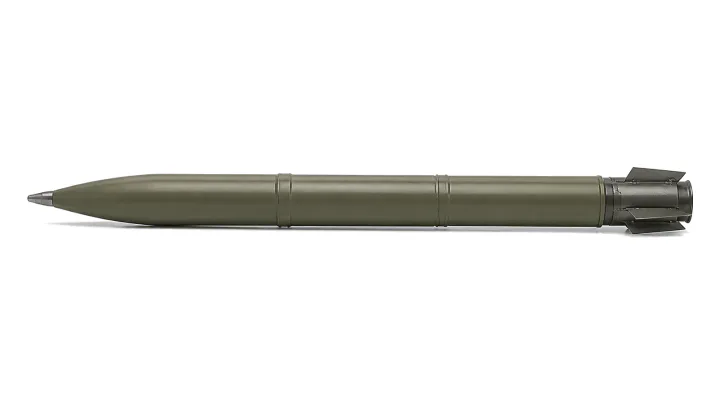
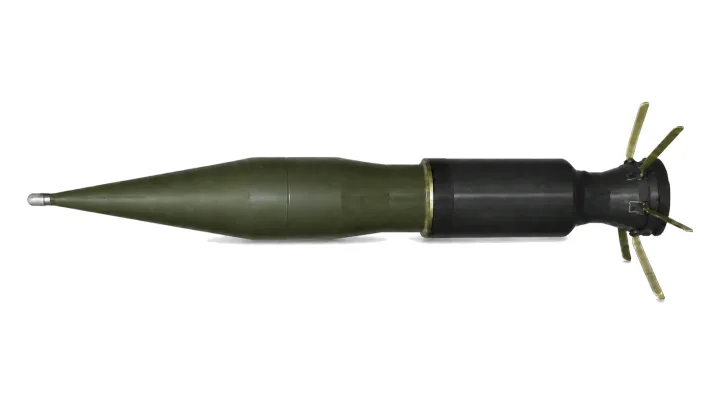
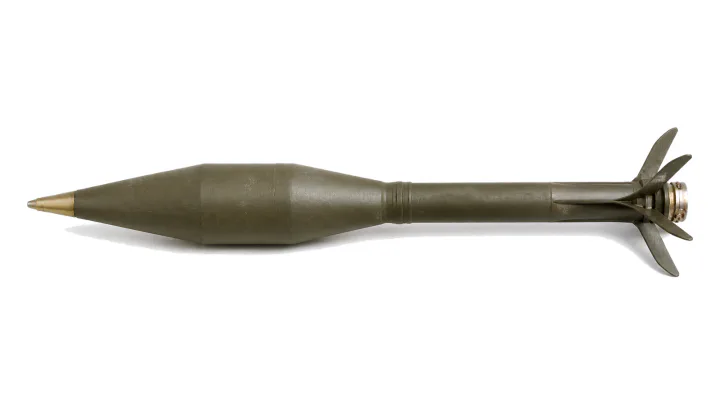
Unguided 128 mm point-detonating demolition rocket for the 32-tube self-propelled launcher, effective against personnel and unshielded or armoured vehicles.
Four records cover the heaviest rockets in this domain. YERINA 2 is an unguided 262 mm rocket of 338.1 kg quoted beyond 60 km with a 115 kg warhead and fuze, and the RM-262 solid propellant motor that carries the same range and warhead figures is listed separately. A second 262 mm record describes an unguided rocket for modular launchers reaching 70 km with a CEP of about 400 m and a choice of warhead. YERINA 1 is the correctable 400 mm rocket, quoted to 285 km.
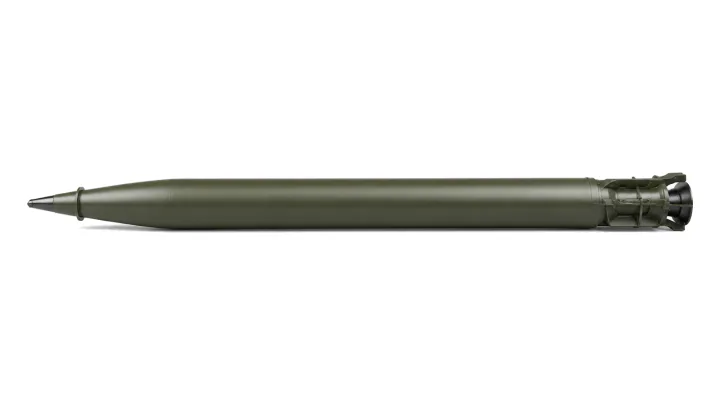
Unguided 262 mm artillery rocket for engaging area targets, offering advantages over guided tactical missiles in being cheaper, simpler to operate, quicker in response time and immune to jamming in flight, with a maximum range beyond 60 km.
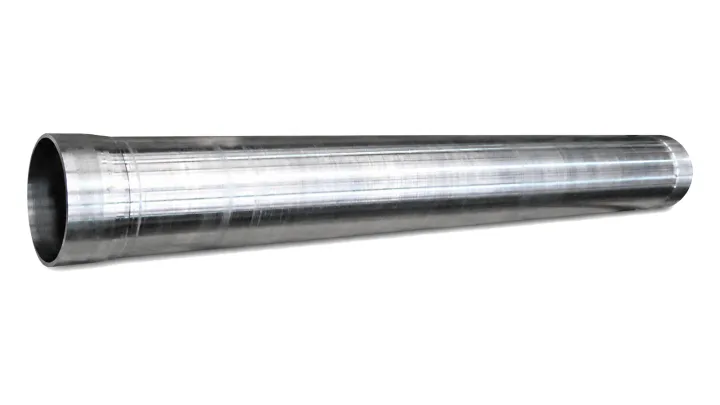
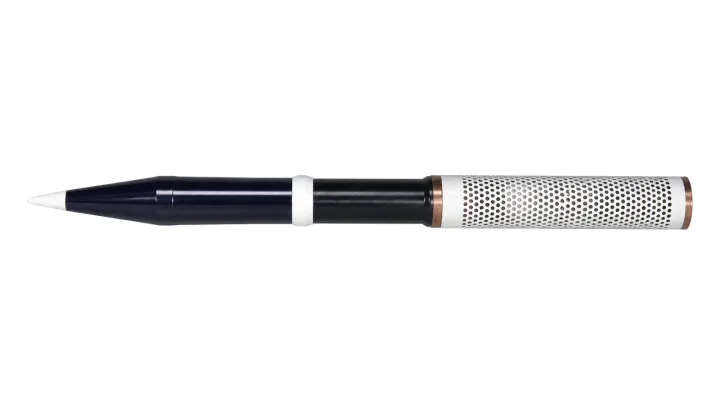
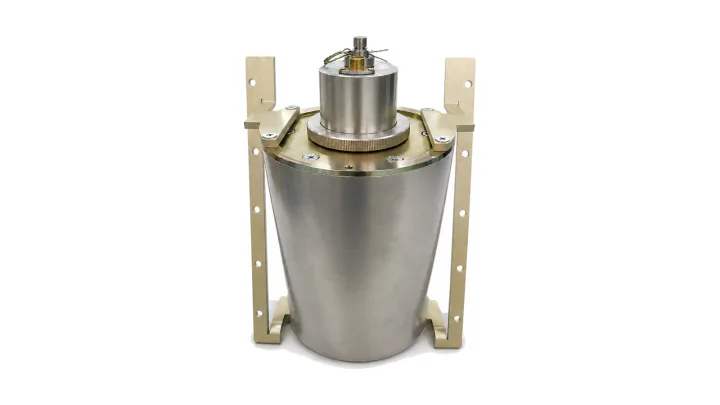
Solid propellant rocket motor of 262 mm calibre with a single-piece cylindrical propellant grain inhibited along the outer surface and forward end, containing two propellants of differing burning rate to give a high loading factor and almost neutral burning.
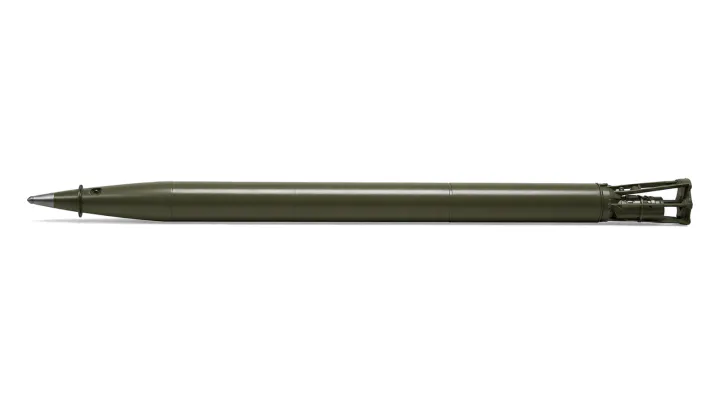
An unguided 262 mm artillery rocket for modular multiple launch rocket systems, reaching 70 km with a CEP of about 400 m, offered either with a high explosive fragmentation warhead containing steel balls or with a thermobaric warhead, in both cases fitted with an impact or proximity fuze.
Correctable 400 mm artillery rocket designed to destroy enemy area targets and large point targets such as military bases, airports, ports and port facilities, transport nodes and factories at distances of up to 285 km.
Maximum range (at sea level)
Up to 285 km
Minimum range (at sea level)
More than 70 km
Operating temperature range
-30°C/+50°C
Specifications →
Hand-held anti-armour / anti-armor rockets and launchers
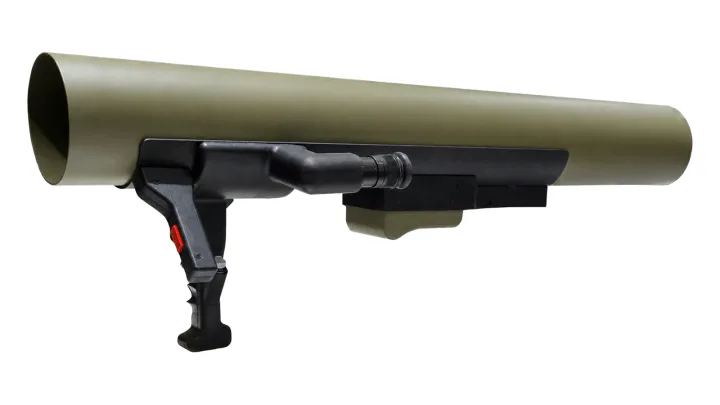
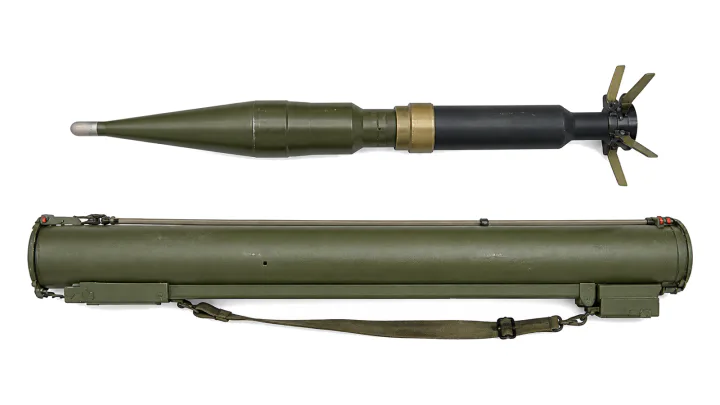
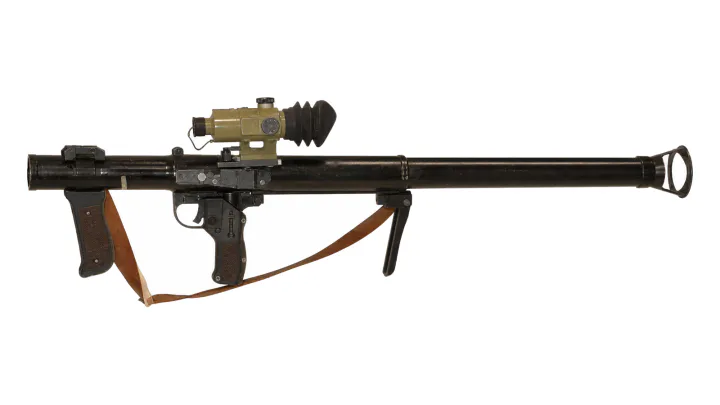
Six records cover the man-portable anti-armour line. Three are complete rounds supplied in their own launcher or container: the 64 mm M80 at 3 kg, the 90 mm M79A in a transport container, and the 120 mm M91 at 13 kg with launcher. The 44 mm M80 HEAT shell and the 44 mm M80 hand launcher that fires it hold separate records, as does the 82 mm M72 reactive-cumulative round, which the source lists for the M60 recoilless gun. Among the rounds, stated penetration of homogeneous armour plate runs from 300 mm to at least 700 mm.
Four records sit in this group. RAVEN 145 is a container-launched family of reconnaissance and strike vehicles, quoted at less than 50 kg loaded, with electric, gasoline or turbojet cruise propulsion and warhead options of 145, 165 and 175 mm. The other three are the payloads the source associates with unmanned carriers: the 130 mm M1 high-explosive fragmentation warhead with its M17SP safety-arming mechanism, the 40 mm M25 pre-formed fragmentation bomb with the UTE M25 fuze, and the 90 mm HEDP M25, which the source also lists for a hand-held 90 mm launcher.
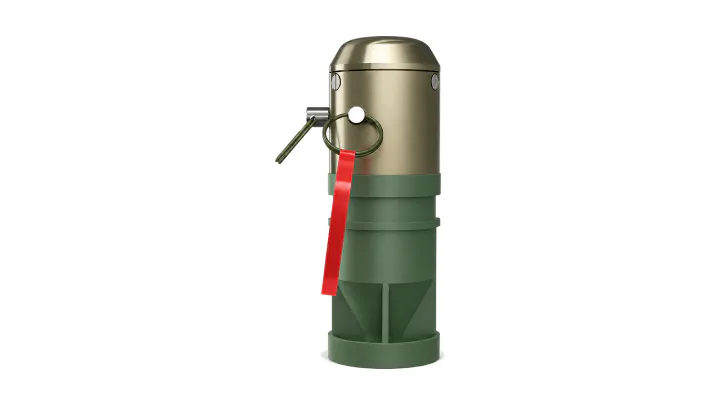
High-explosive fragmentation warhead for equipping unmanned aircraft, built from a warhead assembly with a fragmentation envelope of 6 mm steel balls and an M17SP safety-arming mechanism with associated electronics.
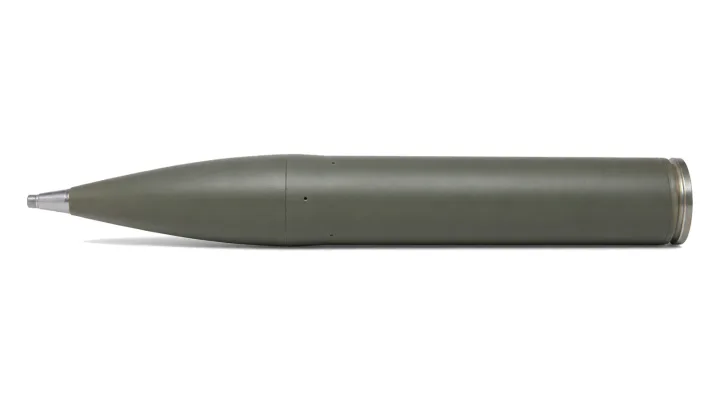
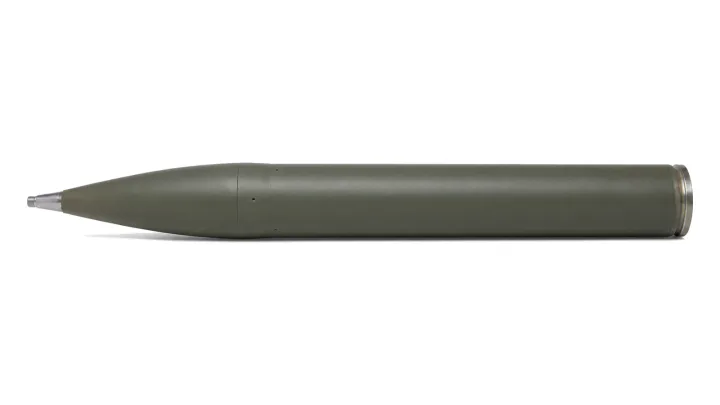
Pre-formed fragmentation high-explosive bomb launched from a short-range unmanned aerial vehicle to destroy personnel inside and outside shelters as well as technical and material means.
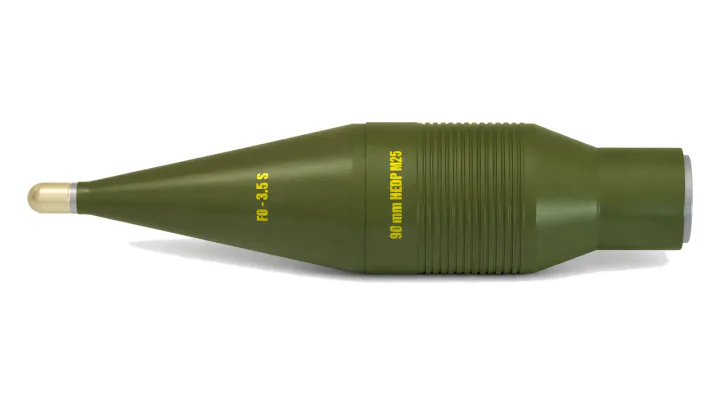
Multi-purpose shaped-charge fragmentation warhead for destroying armoured and unarmoured ground targets, fortified structures, missile launchers and personnel, mountable on the single-use armed drone KOMARAC 2, the OSICA system or the 90 mm RBR M79 hand-held rocket launcher.
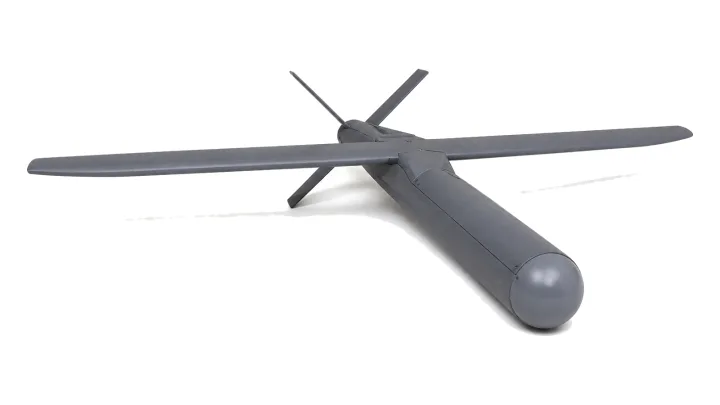
Family of container-launched RAVEN 145 reconnaissance and loitering strike vehicles with electric, gasoline or turbojet propulsion, INS/GPS/GLONASS navigation and optional TV or IIR terminal homing, offered with tandem anti-armour and blast-fragmentation warheads.
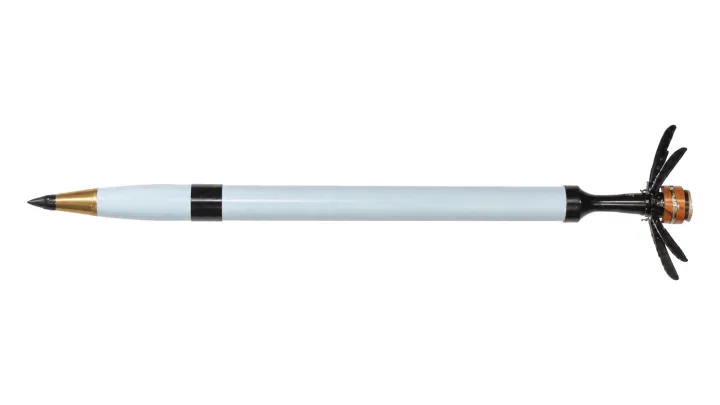
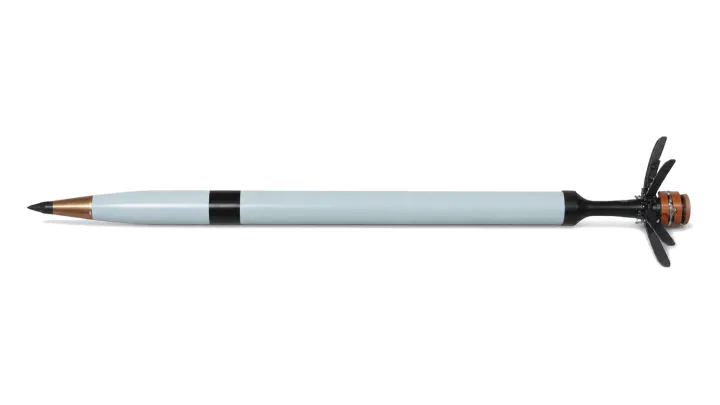
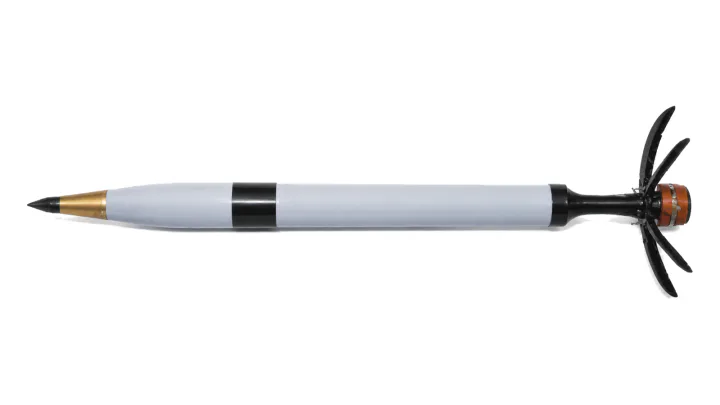
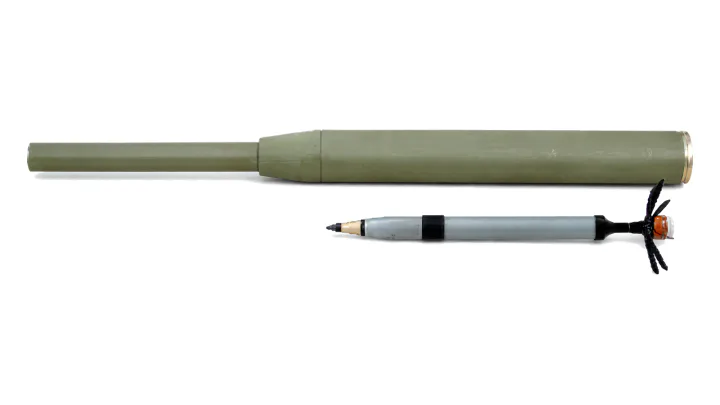
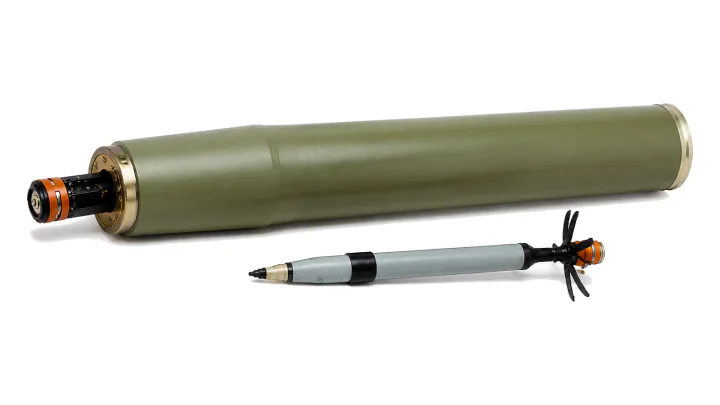
Six records cover training stores. QUICK ATS 128 Type A and Type B are 128 mm rocket targets flying an incoming and a departing ballistic trajectory for short-range air defence crews, each carrying tracers and modified IC-5 decoys. PRM-200 is an air-launched programmable target with self-contained guidance. The 128 mm OGANJ and PLAMEN practice rockets reproduce the outer design of the service rockets and hold an inserted barrel, and the 57 mm practice rocket with signal head is the round that barrel launches. None carries a combat warhead.
Air-launched programmable rocket target with self-contained guidance, used as a live-fire target for AD missiles, air-to-air missiles and radar-directed AA artillery.
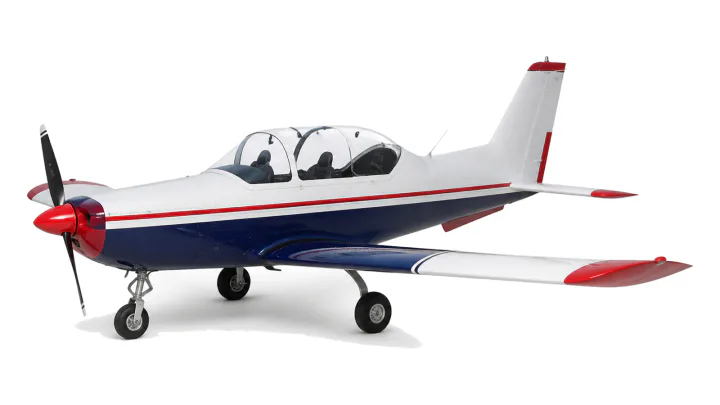
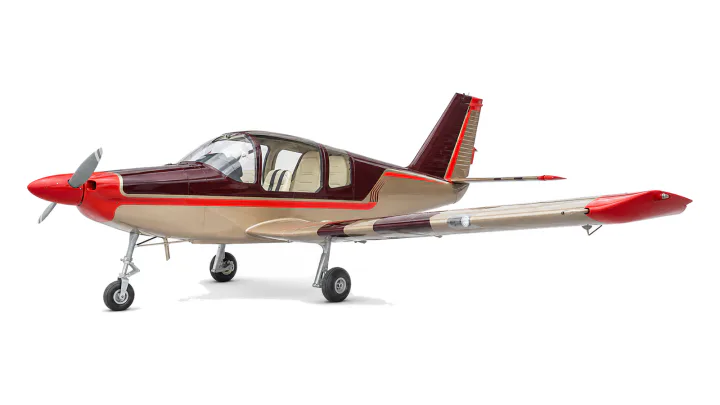
Four aircraft records close this domain. LASTA is a fully aerobatic piston trainer built to FAR Part 23 loads and quoted at 1205 kg maximum take-off mass. LASTA TP is the turboprop development, with a 450 hp engine, ejection seats and an optional ordnance payload of 400 kg. SOVA is a single-engine four-seat low-wing aircraft of semi-monocoque metal construction for initial training and pilot selection. HAWK 5 is a five-seat gyroplane whose rotor is always in autorotation. Every record lists masses, speeds and a ceiling or maximum operating altitude; endurance is quoted on LASTA, LASTA TP and SOVA, while HAWK 5 gives a maximum range of about 315 nmi (580 km) instead.
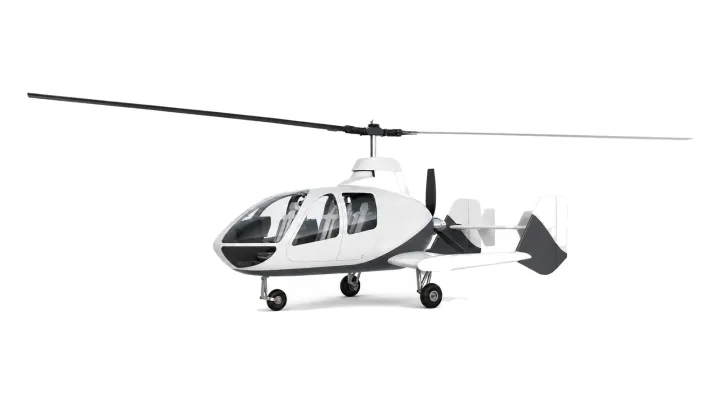
A five-seat gyroplane with an engine-driven pre-rotation system that allows jump take-offs and runway-independent operation, whose rotor is always in autorotation for safety in the event of engine failure.
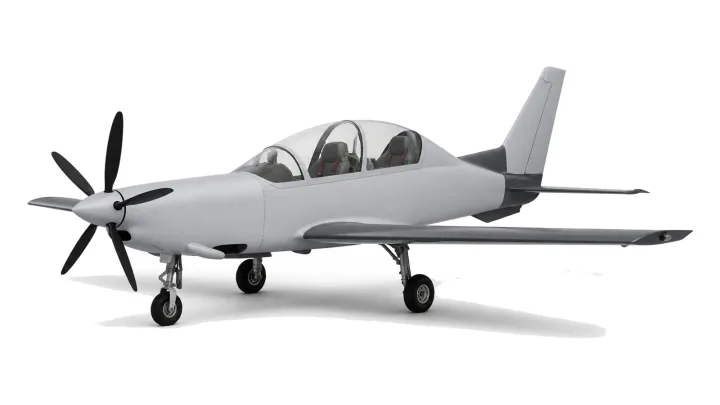
A turboprop development of the basic LASTA trainer with a 450 hp (330 kW) engine burning standard JP-1/JET-A1 fuel, adding ejection seats, air conditioning and an oxygen system and optionally increasing ordnance payload from 200 kg to 400 kg.
A fully aerobatic piston-engine aircraft for initial and basic pilot training, with low take-off and landing speeds and an error-forgiving design, built to FAR Part 23 aerobatic-category loads in its basic version and utility-category loads in its armed version.
A single-engine, low-wing, four-seat aircraft of semi-monocoque metal construction with fixed landing gear, intended for initial training and pilot selection, sport flying and tourism, and optionally for reconnaissance, aerial photography or carriage of weapons.