Observation Devices, Laser Rangefinders and Forward Observation Units
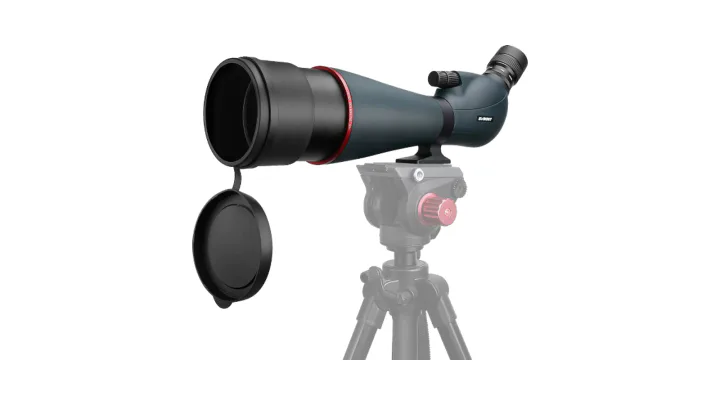
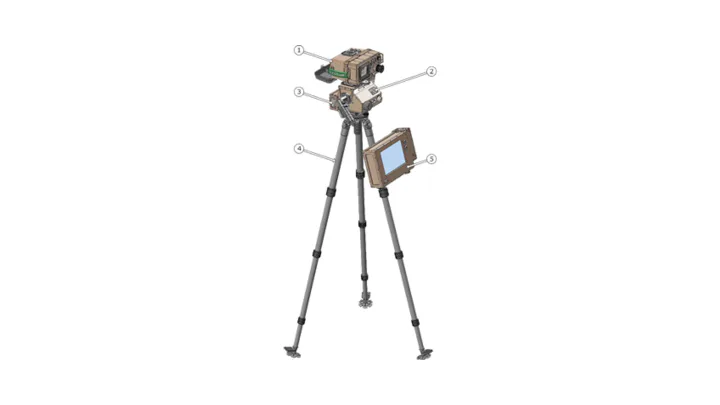
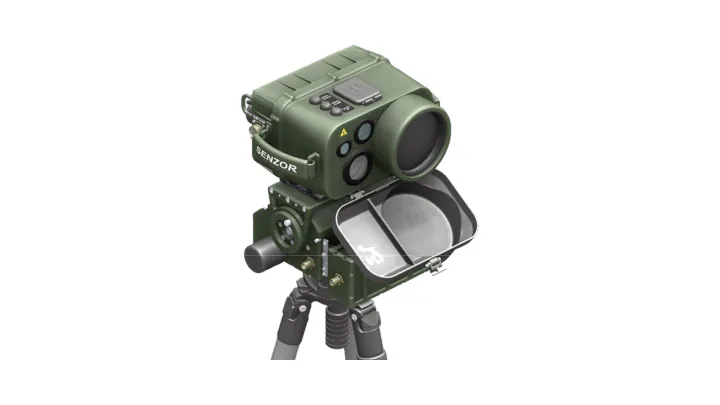
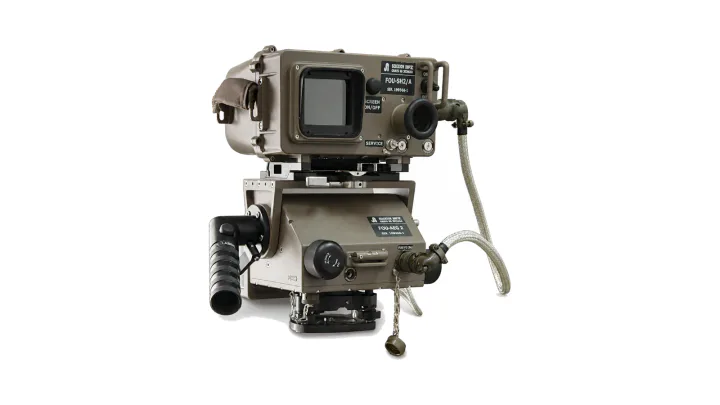
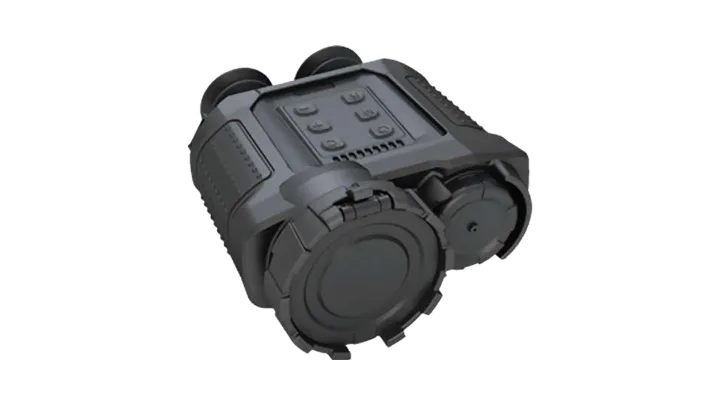
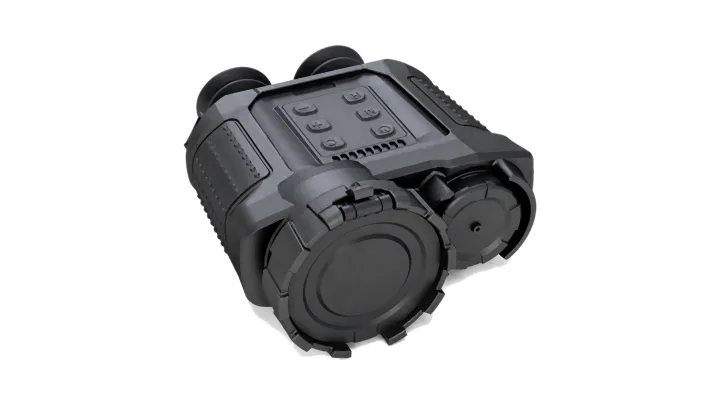
Observation and rangefinding equipment runs from a 25-75x100 zoom monocular and the Goggle IR 400x300 and 800x600 handheld thermal binoculars to laser rangefinders and full forward observation units. ES LRF-20/M is an eye-safe rangefinder module for integration, LRF-20ES a handheld rangefinder binocular with GPS and compass, and LRF-SI a Nd:YAG rangefinder measuring to 20 km. FOU-3, FOU-AEG 2 and UPAOS combine a rangefinder, day channel, thermal camera, compass and GPS to produce target coordinates, AEG pairs a rangefinder, optical day channel, thermal camera and compass with a goniometer, tripod and rugged tablet, while MIP-1 and PBPS-19 place a rangefinder, day camera, thermal camera and compass on a remotely controlled positioner. The 2.5D LADAR range-gated imager adds time-of-flight range to Full HD imagery.
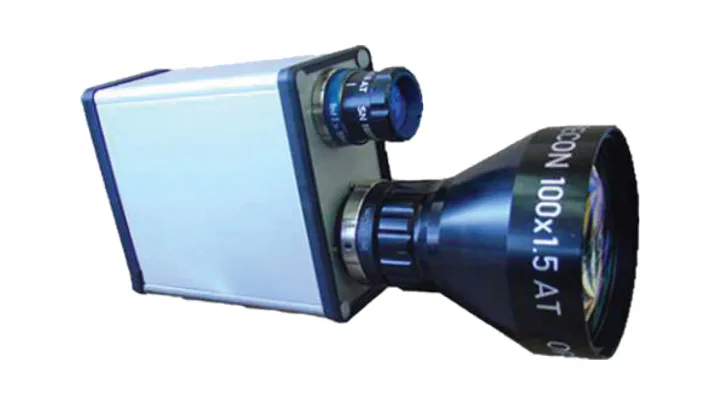
Range-gated imaging device combining image intensifier, laser illuminator and nanosecond gating to deliver Full HD imagery and range-to-target by time of flight.
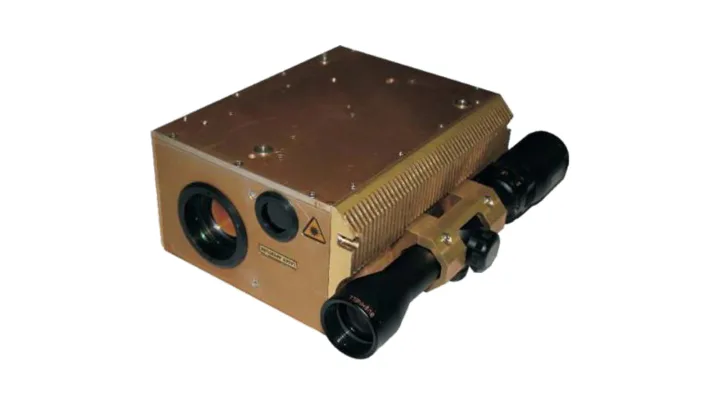
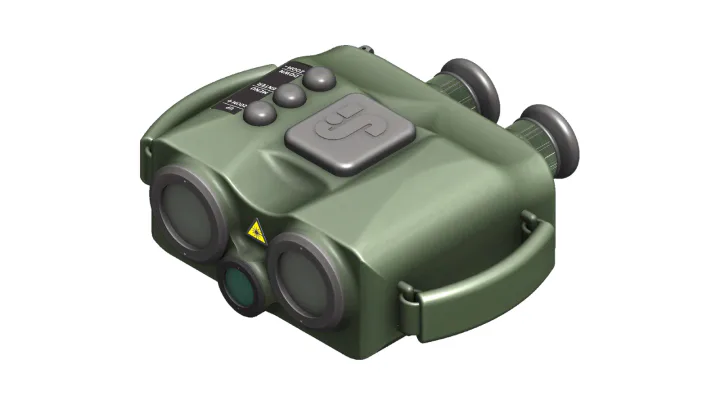
Eye-safe erbium glass handheld rangefinder binocular measuring to 20 km by time-of-flight, with GPS receiver, digital magnetic compass and optical sight.
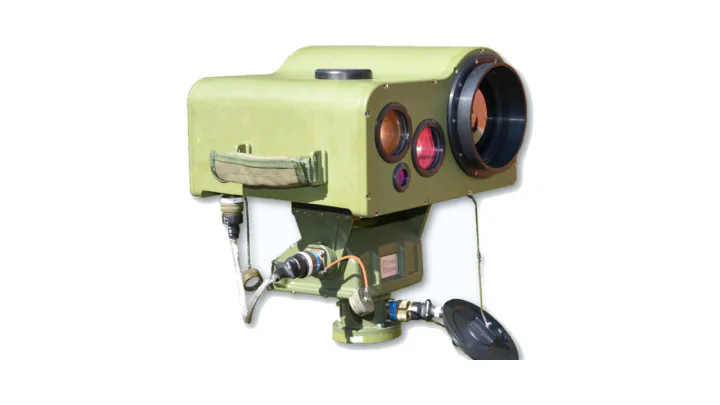
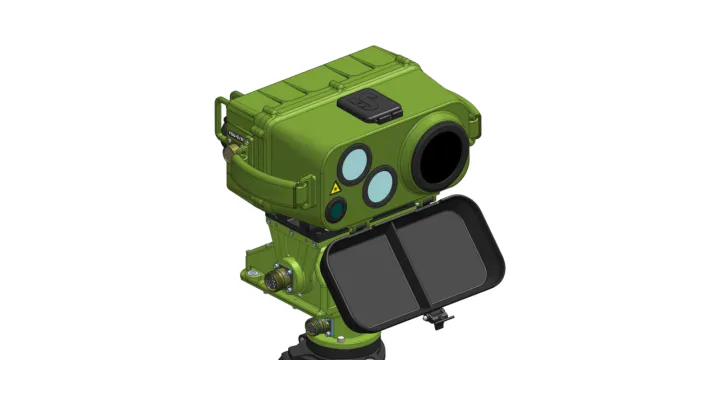
Remotely controlled multisensor head with thermal camera, daytime camera and eye-safe laser rangefinder for real time observation and target position measurement.
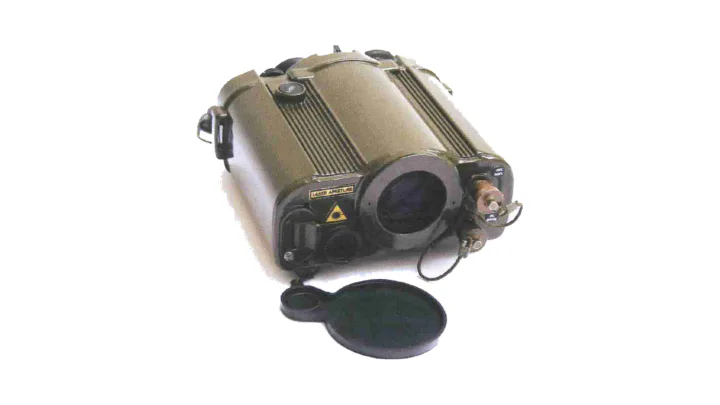
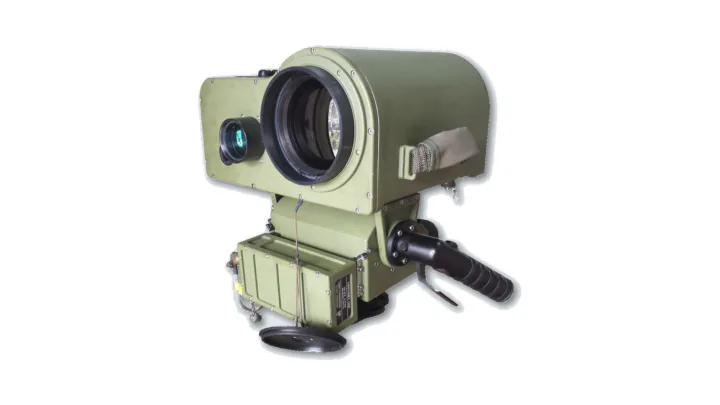
Nitrogen-filled optoelectronic observation and measuring device determining azimuth, elevation and range to targets as a subsystem of a fire control system.
Laser type
Class 1 (IEC 60825)
Laser wavelength
1540 nm
Laser energy
<= 8 mJ
Specifications →
Specifying a rangefinder or observation unit
The core figures are measuring range and accuracy, laser type and wavelength (eye-safe 1540 nm or 1550 nm, or 1064 nm Nd:YAG), beam divergence, measurement rate, and for forward observation units the north-finding accuracy of the digital compass in mils, GPS position accuracy and angle measuring range, given here as 0-6400 mils horizontal and +/-500 mils vertical. Thermal cameras are specified by detector format, 400x300, 640x512 or 800x600 pixels, and zoom. Data interfaces such as RS232, RS422 or Ethernet decide how the unit feeds a fire control network.
Eye-safe or Nd:YAG
Eye-safe lasers, as in ES LRF-20/M, LRF-20ES, MIP-1 and UPAOS, are listed at 1540 nm, or 1550 nm for LRF-20ES, with erbium glass named for ES LRF-20/M and LRF-20ES, Class 1 under IEC 60825 where stated, and pulse energy of 8 mJ or less where given. Nd:YAG 1064 nm lasers, as in LRF-SI, FOU-AEG 2 and AEG, are listed with higher pulse energy, 15 mJ for FOU-AEG 2 and AEG, and LRF-SI states a peak power above 1 MW. FOU-3 and PBPS-19 are offered with either laser type so that the choice can be made at order stage.
Questions about this equipment
Which units produce target coordinates for artillery fire missions?
FOU-3, FOU-AEG 2 and UPAOS combine a laser rangefinder, digital magnetic compass and GPS with a day channel and thermal camera, so own position, azimuth, elevation and range to the target are measured in one unit. AEG pairs its rangefinder, compass, optical sight and thermal camera with a goniometer of 1 mil accuracy over 0-6400 mils and a rugged tablet for fire mission data collection.
What is the difference between the two Goggle IR thermal binoculars?
Both are uncooled handheld binoculars with a 70 mm focus, 2x digital zoom, 16 GB built-in storage and the same 1600 m man and 3100 m vehicle detection ranges. The 400x300 model has a 5.6 x 4.2 deg field of view, the 800x600 model a wider 11.1 x 8.31 deg field with more pixels across it and a USB output.