Sentinel GlobalDefence Trade
Request a quotationEnquire

All fuzes and energetic components

Mortar fuzes - point-detonating, time and proximity fuzes for mortar shells of all calibres / calibers

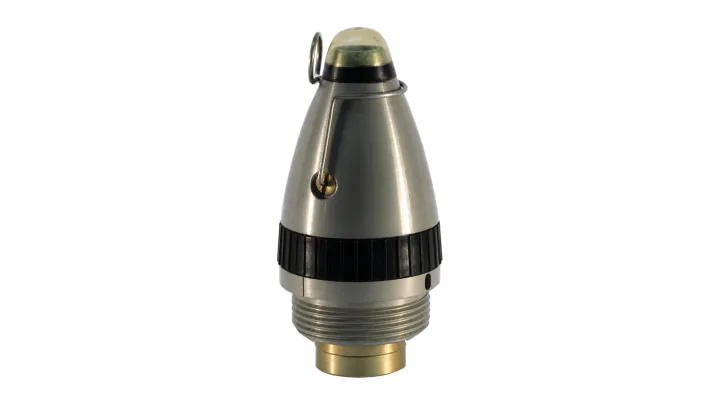
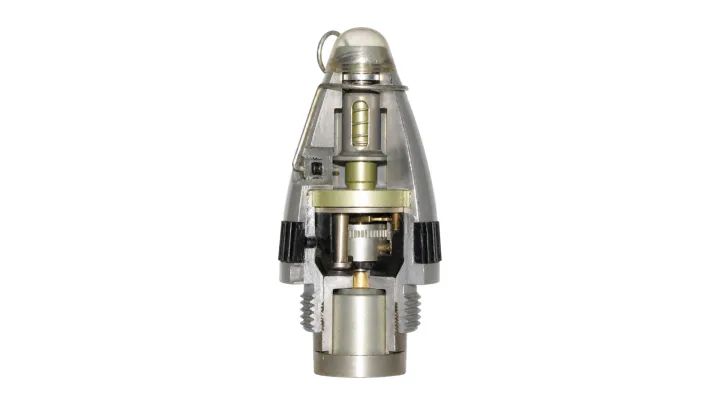
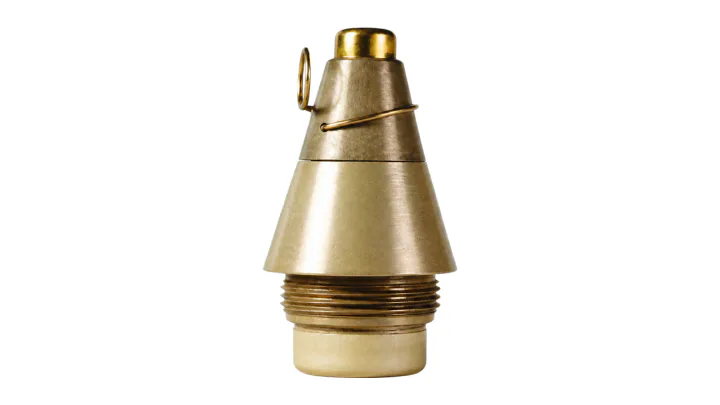
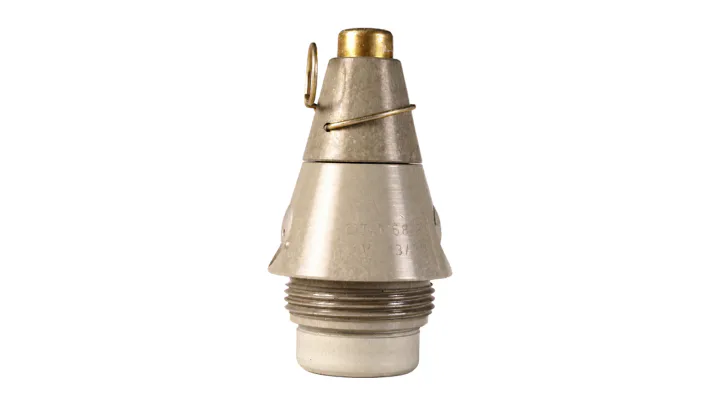
The mortar fuze line items run across the UT-M68, UT-M88, UT M18, PD UTU-M93, UTU M93P1, TP-M67 P1, ETSQ M365 and MBU M18 designations. UT-M68 P1 is a superquick impact fuze, while UT-M68 P2 and UT-M88P1 are mechanical point-detonating impact fuzes with superquick action; PD UTU-M93 P1 and PD UTU-M93N add a superquick or delay mode chosen by a mode selector, and UTU M93P1 records superquick and delay action; TP-M67 P1 is a zirconium-based pyrotechnic time fuze offered in 60 mm and 81/82 mm versions; ETSQ M365 is an electronic time fuze; MBU M18 is a proximity fuze; and UT M18 carries the mechanical interfaces the source records between shell and container.

Line items
11
Calibres
2
Natures
1
Standards
NATO · Eastern

By calibre

Models and specifications

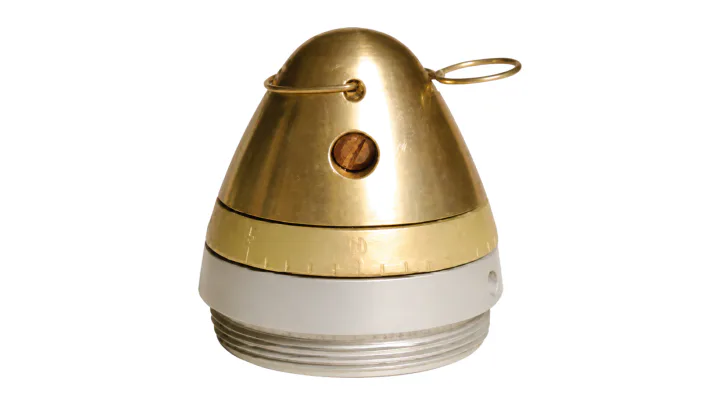
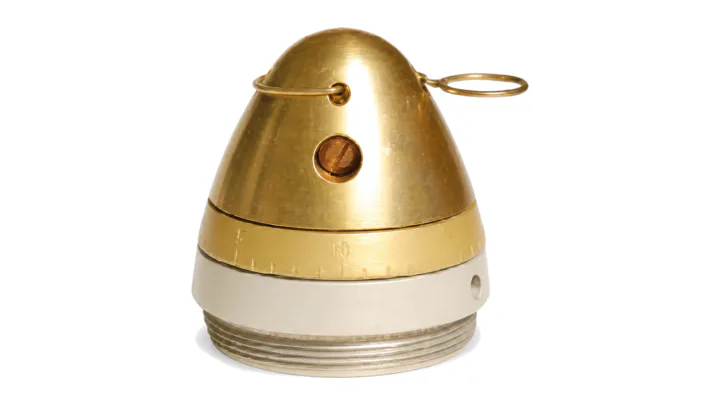
TP-M67 P1 time fuze, 60 mm
TP-M67 P1
60 mmOtherNATO

TP-M67 P1 time fuze, 60 mm

Zirconium-based pyrotechnic time fuze for 60 mm illuminating and long-smoking mortar shells, settable from 5 to 35 s.

Fuze type
MT (mechanical / pyrotechnic time) on zirconium basis
Ammunition compatibility
Illuminating and long-smoking mortar shells, cal. 60 mm
Time setting
5 to 35 s
TP-M67 P1 time fuze, 81/82 mm
TP-M67 P1
81/82 mmOtherEastern

TP-M67 P1 time fuze, 81/82 mm

Zirconium-based pyrotechnic time fuze for 81/82 mm illuminating and long-smoking mortar shells, settable from 5 to 38 s.

Fuze type
MT (mechanical / pyrotechnic time) on zirconium basis
Ammunition compatibility
Illuminating and long-smoking mortar shells, cal. 81/82 mm
Time setting
5 to 38 s
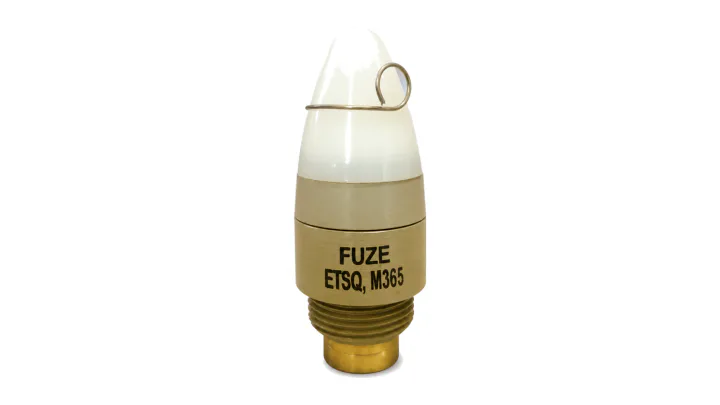
ETSQ M365 electronic time mortar fuze
ETSQ, M365
OtherNATO

ETSQ M365 electronic time mortar fuze

Microprocessor-based electronic time fuze for illuminating and high-smoke mortar shells of 60, 81/82 and 120 mm, set without activating the battery.

Fuze type
ET (electronic time)
Ammunition compatibility
Illuminating and high-smoke mortar shells, cal. 60, 81/82 and 120 mm (non-spinning)
Setting time range
5 to 99.9 s in steps of 0.1 s
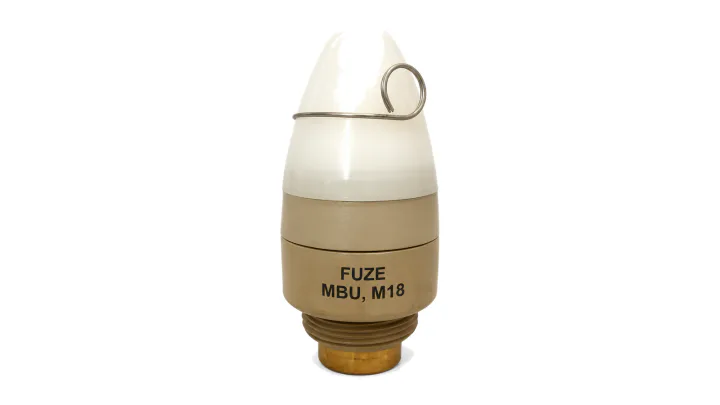
MBU M18 mortar proximity fuze
MBU-M18
OtherNATO

MBU M18 mortar proximity fuze

Battery-powered mechanical-electronic mortar proximity fuze with point-detonating and 2 to 5 m burst-height proximity modes, set contactlessly.

Fuze type
VT (proximity), mechanical-electronic, battery powered
Function modes
PD SQ (point-detonating superquick); proximity with burst height 2 m to 5 m
Mode selection
By contactless fuze setter; proximity mode activates on the fall trajectory
PD UTU-M93 P1 mortar fuze
PD UTU-M93 P1
OtherEastern

PD UTU-M93 P1 mortar fuze

Mechanical point-detonating mortar fuze with superquick or delay action and metric M43 x 2 connecting thread, 12.5 g detonator charge.

Fuze type
PD (point-detonating), mechanical, impact
Action modes
Superquick 'T' or delay 'U', selectable by mode selector
Ammunition compatibility
HE mortar shells of all calibres with compatible bearings or via adaptor
PD UTU-M93N mortar fuze
PD UTU-M93N
OtherNATO

PD UTU-M93N mortar fuze

Mechanical point-detonating mortar fuze with selectable superquick or delay action, interrupted explosive train and arming status indicator.

Fuze type
PD (point-detonating), mechanical, impact
Action modes
Superquick 'T' or delay 'U', selectable by mode selector
Ammunition compatibility
HE mortar shells of all calibres with compatible bearings or via adaptor
UT M68P1 mortar impact fuze
UT, M68P1
Other

UT M68P1 mortar impact fuze

Superquick impact mortar fuze with interrupted explosive train and removable transport safety element, permanently screwed to the shell.

Fuze type
Impact fuze, superquick action
Safety design
Interrupted explosive train; percussion-detonator (duplex) primer out of axis with firing pin when unarmed
Transport safety
Transport safety element must be removed before firing; protects the shell during handling, transport and parachuting
UT-M68 P2 mortar fuze
UT-M68 P2
Other

UT-M68 P2 mortar fuze

Mechanical point-detonating superquick mortar fuze, 175 g, with interrupted explosive train and 8 m muzzle safety.

Fuze type
PD (point-detonating), mechanical, impact
Action type
Superquick
Ammunition compatibility
HE mortar shells of all calibres with compatible bearings or via adaptor
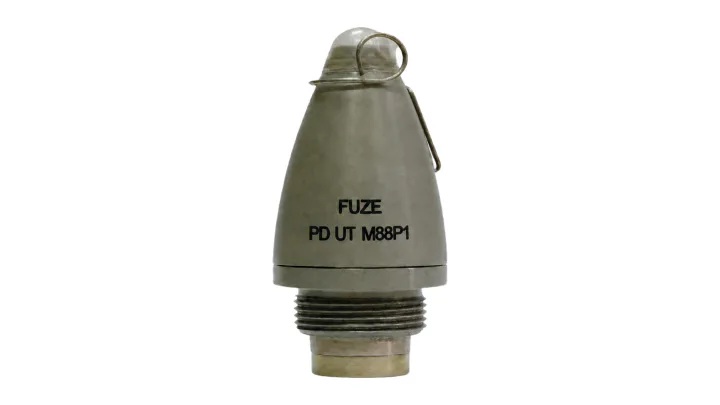
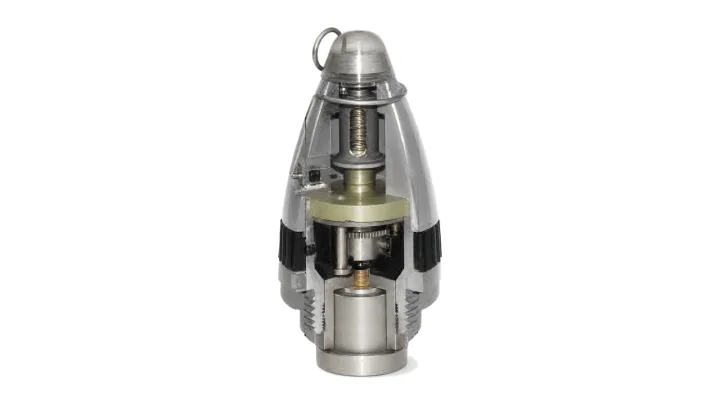
UT-M88P1 mortar fuze
UT-M88P1
OtherNATO

UT-M88P1 mortar fuze

Mechanical point-detonating superquick mortar fuze for HE and smoke shells, with hard transport safety element and status indicator.

Fuze type
PD (point-detonating), mechanical, impact
Action type
Superquick
Ammunition compatibility
HE and smoke mortar shells of all calibres with compatible bearings or via adaptor
UTU M93P1 mortar fuze
UTU, M93P1
OtherEastern

UTU M93P1 mortar fuze

Mechanical point-detonating mortar fuze with superquick and delay action, 13.2 g detonator charge and 1 bar moisture proofness.

Fuze type
PD (point-detonating), mechanical, impact
Action type
Superquick and delay
Ammunition compatibility
HE mortar shells of all calibres
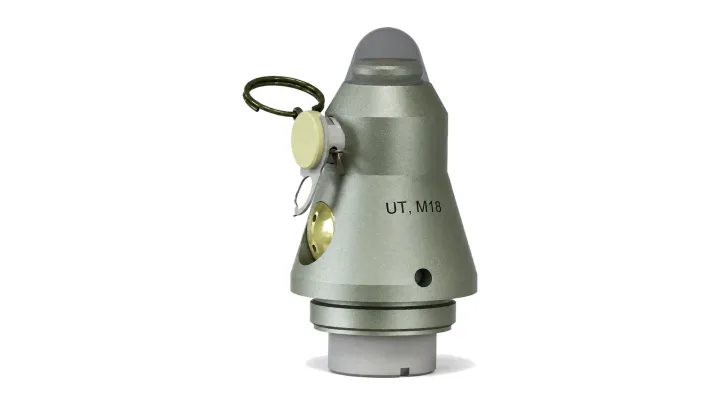
Universal fuze for mortar shells UT M18
UT M18

Universal fuze for mortar shells UT M18

A mechanical point-detonating fuze with safety and arming device that lets standard 60 mm, 81/82 mm and 120 mm HE mortar shells be dropped from an aircraft-mounted carrier, providing superquick fragmentation action and the mechanical interfaces between shell and container.

Type
point detonating, mechanical
Fuze mass
0.224 kg
Fuze overall dimension
Ø49 x 92.3 mm

How a mortar fuze is specified in tender documents

A mortar fuze annex lists the fuze type, the action modes, the shells named as compatible, the safety standard, the arming acceleration window and the connecting thread. These records follow that pattern: point-detonating, mechanical or pyrotechnic time, electronic time or proximity for the type; superquick, delay, timed or proximity for the mode; MIL-STD-1316B, STANAG 4157 or MIL-STD-331C where a standard is cited; and arming bands such as 400 g to 13000 g.

Designation families and what varies by model

UT-M68 and UT-M88 mark the superquick impact fuzes; PD UTU-M93 the point-detonating fuzes whose mode selector chooses superquick or a delay of 30 ms to 50 ms, with UTU M93P1 recording superquick and delay action over the same 30 ms to 50 ms delay; TP-M67 P1 the pyrotechnic time fuzes in a 60 mm and an 81/82 mm version; ETSQ M365 the microprocessor time fuze; MBU M18 the battery-powered proximity fuze. What varies is the mass, the connecting thread, the stated muzzle safety distance and the temperature range, which reaches -54 to +71 deg C on several sheets.

Questions about this equipment

What setting ranges do the time and proximity models record?

TP-M67 P1 records 5 to 35 s in the 60 mm version and 5 to 38 s in the 81/82 mm version. ETSQ M365 records 5 to 99.9 s in steps of 0.1 s, set by an external setter without activating the fuze battery. MBU M18 records a point-detonating mode and a proximity action of 2 m to 5 m.

What masses and connecting threads are listed?

Recorded masses run from 175 g for UT-M68 P2 to 580 g for the 81/82 mm TP-M67 P1, with 0.224 kg for UT M18. Threads named include 1.5 in - 12 UNF-1A, M43 x 2 mm, M 54 x 1.5 mm, M 72 x 1.5 mm and W 36.18 x 1 in / 10. UT-M68 P1 is listed without a mass figure.