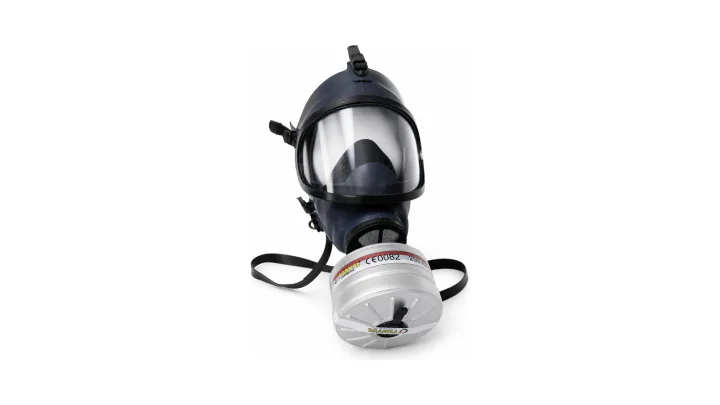
This collection brings together full-face respirators, a reusable half mask and combined gas and particle filters. It includes NBC protective masks, CBRN filters and the P3 R combined-filter series. The individual pages identify the intended applications, connection details and available technical specifications.
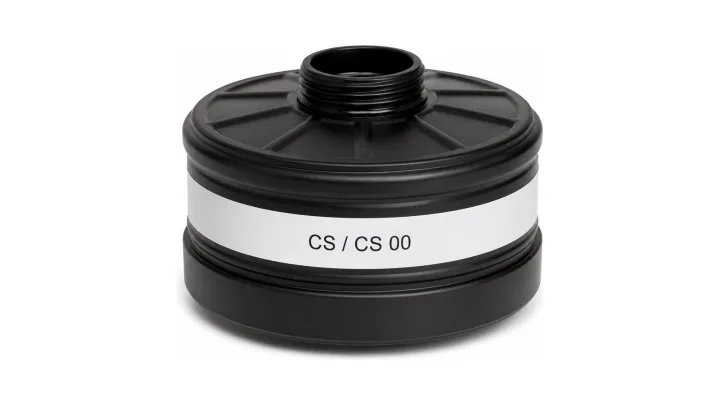
Low-profile CS and CS 00 filters for protection against chloracetophenone (HAF) and o-chlorobenzylidene malononitrile (CS), shaped not to obstruct police-helmet protective eyepieces when fitted to a protective or Panorama mask.
Filter dimensions
dia. 110 x 77 mm (CS); dia. 110 x 63 mm (CS 00)
Filter weight
max. 250 g (CS); max. 170 g (CS 00), without plug and cover
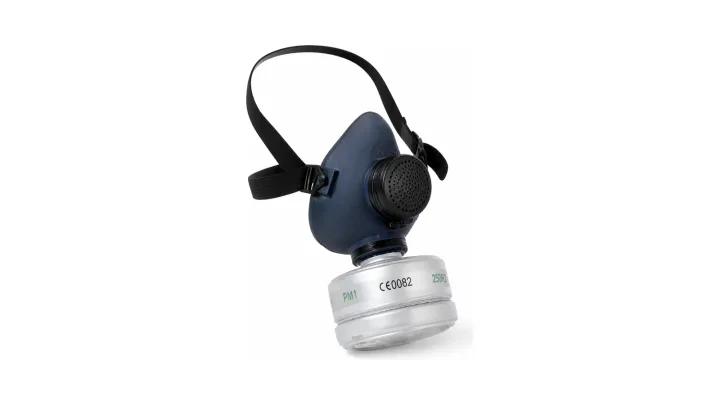
Half mask worn with a threaded filter for protection of the respiratory organs against toxic gases, vapours, dust particles, smoke and mist, for use only in an atmosphere containing at least 17 % oxygen by volume.
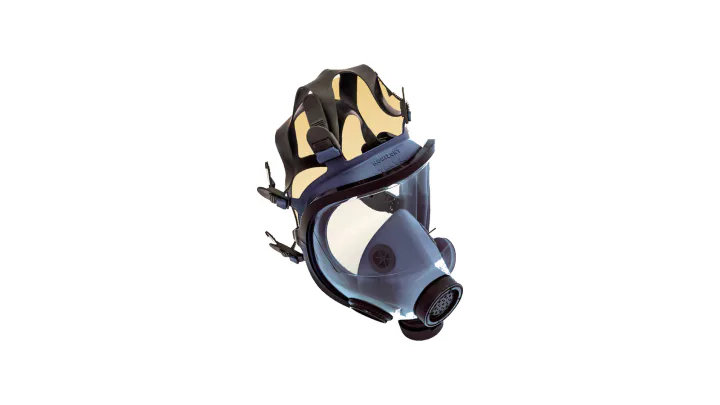
Panoramic full-face mask of class 2 to SRPS EN 136 with low dead space and a phonic unit in the filter connector.
Class
Class 2 in accordance with SRPS EN 136
Mask weight
650 g without the filter
Exhalation valve resistance
75 Pa
Specifications →
Full-face masks and half mask
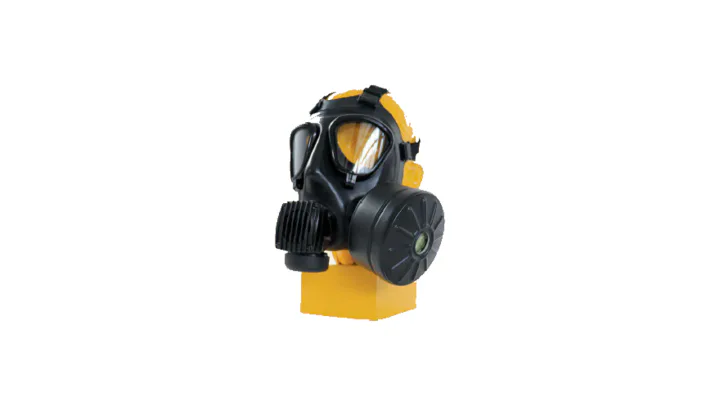
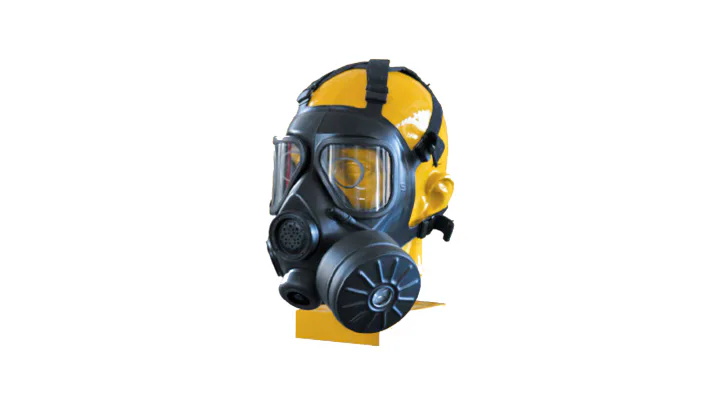
HORIZONT and Panorama B2G have full-face panoramic visors. M2F is listed as a mask set with a filter, bag and cleaning kit; M3 has left or right filter mounting. PM1 is a half mask used with a threaded filter. Compare the specific facepiece and connection details on each page.
Combined gas and particle filters
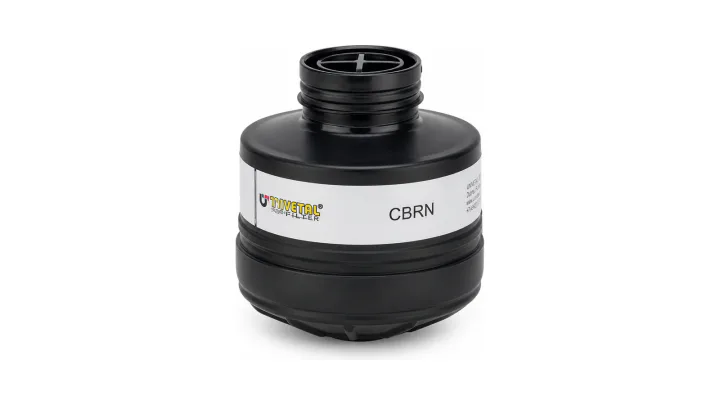
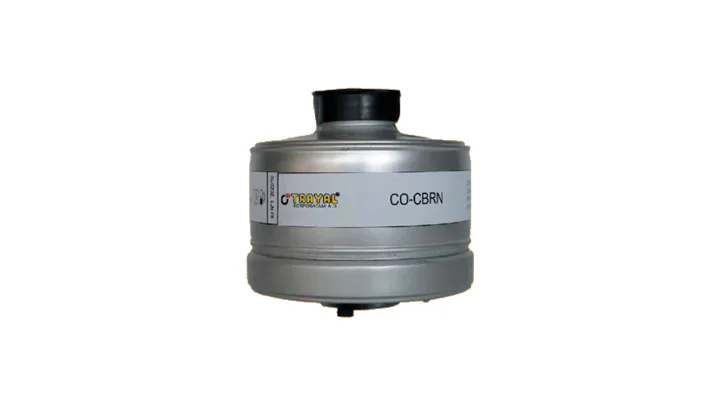
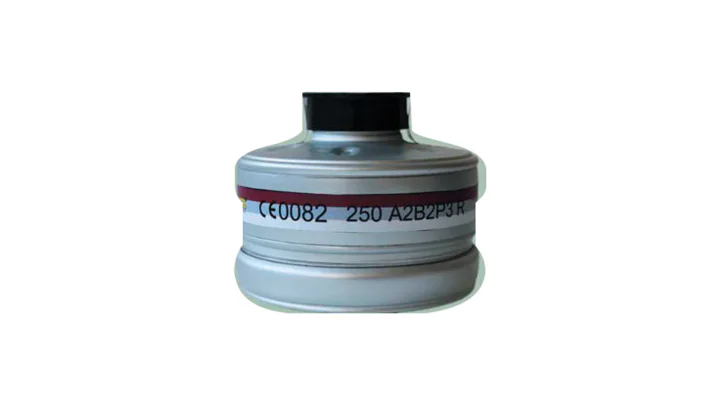
The range includes CBRN, CO CBRN and CS / CS 00 filters alongside P3 R combined filters. The names describe different product lines, not interchangeable protection. Match the documented application and connector to the exact mask and manufacturer’s instructions.
Questions about this equipment
Are all filters compatible with all masks?
No. Confirm the connector and the documented mask/filter combination on the relevant product pages and in the supplied instructions.
Does a filtering mask supply oxygen?
No. A filtering mask does not supply oxygen. Its permitted conditions of use must be established from the specific product instructions and the relevant workplace assessment.